
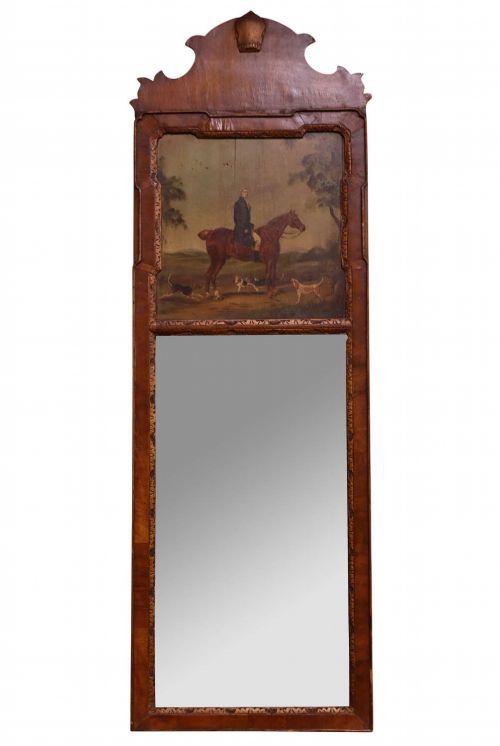
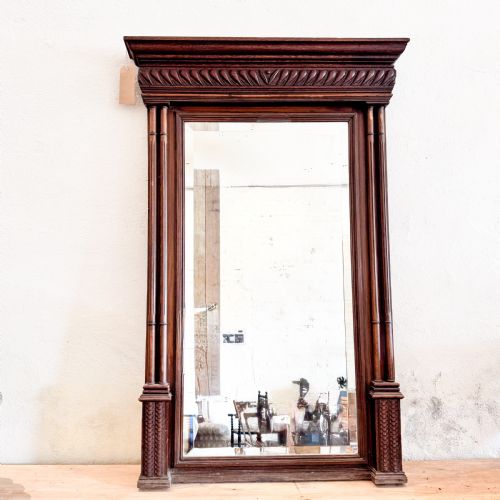
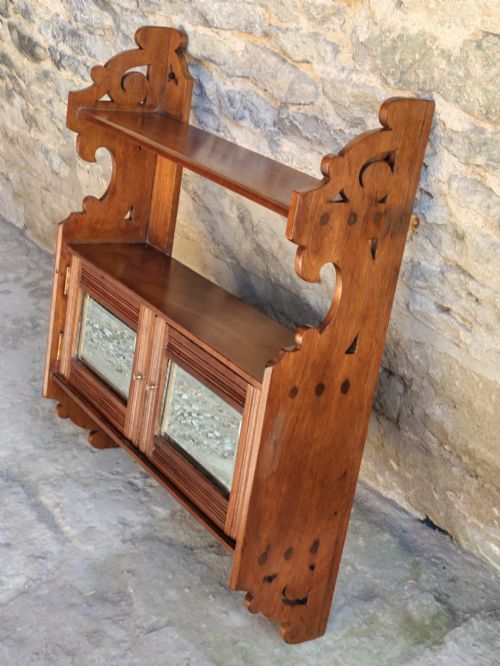

Antique Walnut Wall Mirror
An antique walnut wall mirror brings warmth and depth to a room through rich timber grain and polished glass.
Understanding the selection
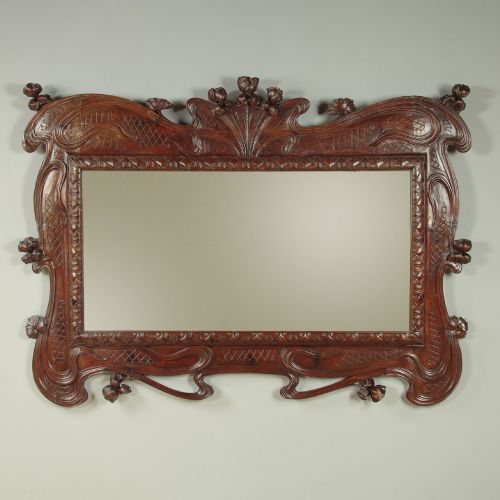
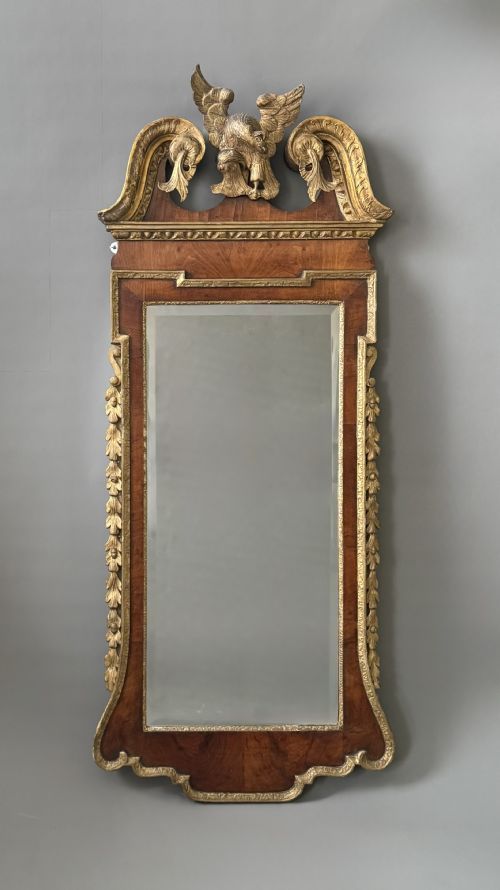
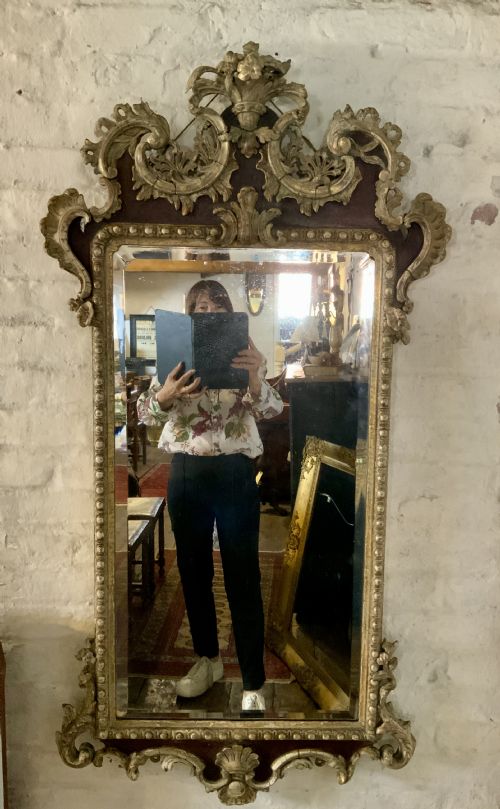
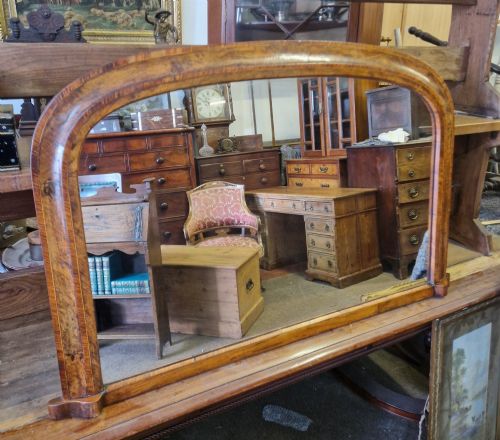
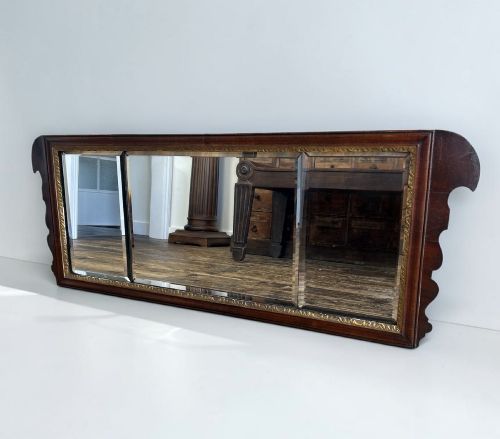
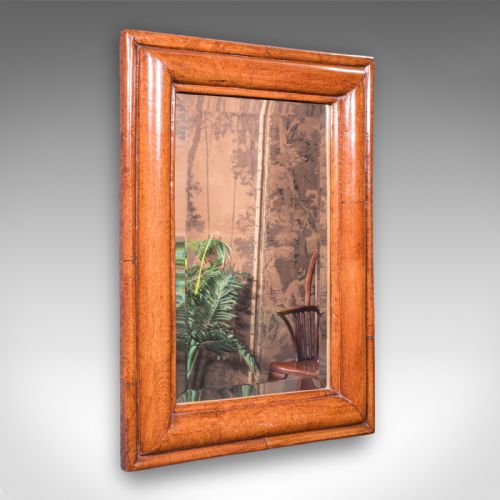
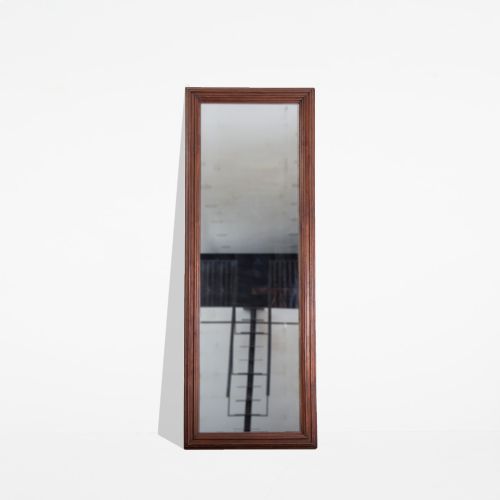
An antique walnut wall mirror ranges from modest hanging portraits to substantial overmantels designed to sit above a fireplace. You will encounter forms spanning the William and Mary period, Georgian era, Victorian times, and Edwardian decades.
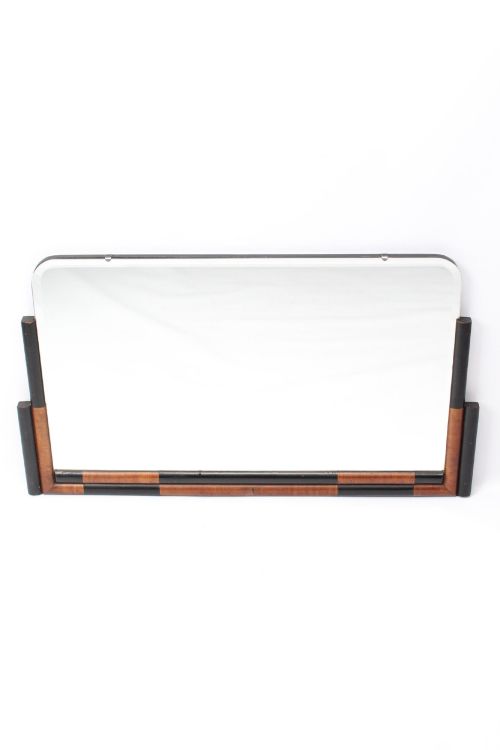
The materials recorded in these pieces include walnut, burr walnut, boxwood, giltwood, and mirror glass. Styles stretch from classical revival and Chippendale design to Art Deco and Empire Revival.
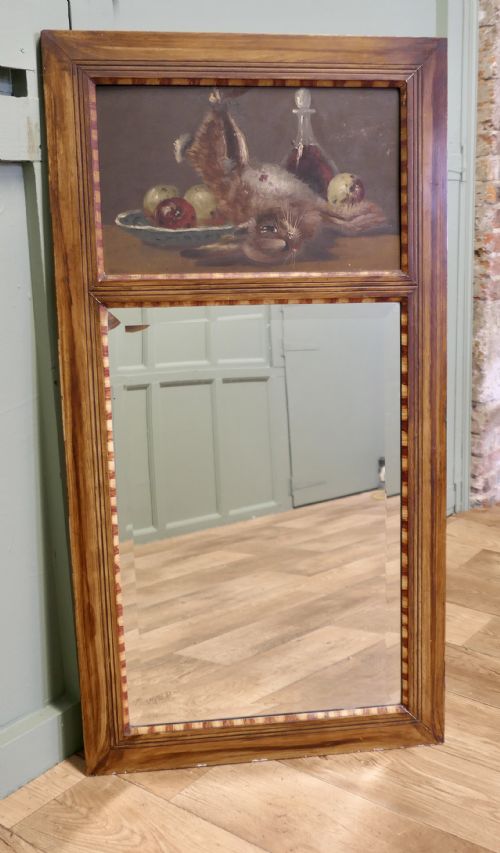
Wall mirrors and overmantel mirrors dominate the selection, offering substantial proportions and varied framing. These items serve both functional and decorative purposes within domestic spaces.
Materials and construction
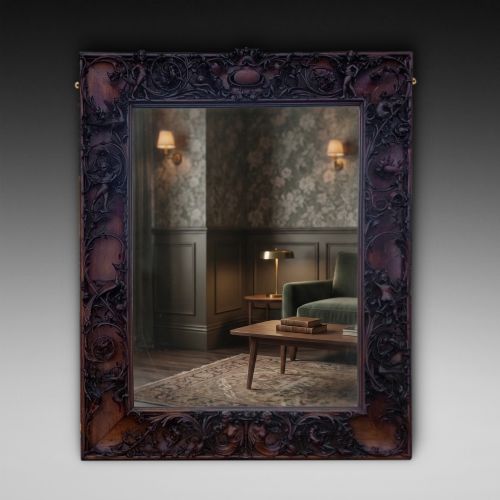
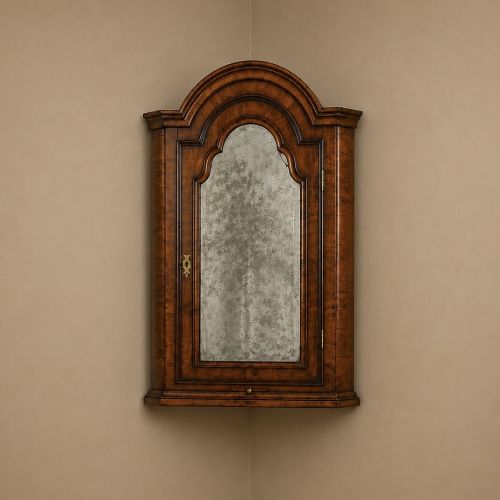
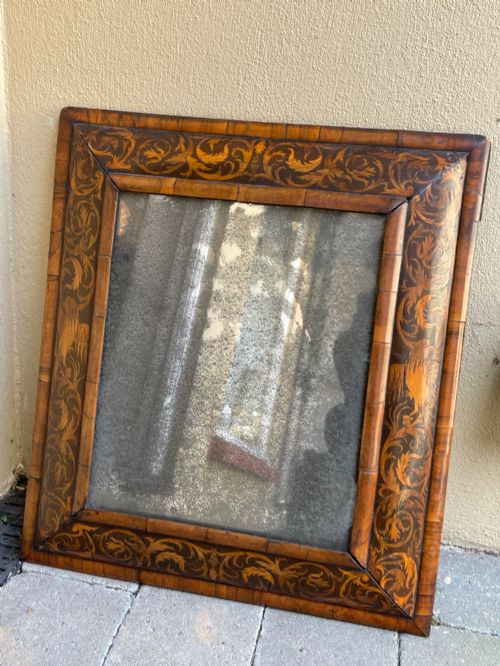
Craftsmen utilised solid walnut and decorative burr walnut veneers, sometimes applying boxwood stringing or marquetry inlay to create intricate surface patterns. Giltwood and ormolu accents frequently complement the timber frames.
Glass plates vary from original mercury plates showing gentle foxing to clear mirror glass. Frames combine joinery techniques with carved ornamentation, parcel gilt highlights, and shaped wooden profiles.
Retail Price Guide 2026
Typical UK retail prices for walnut wall mirror, calculated from the Sellingantiques database of over a million retail prices indexed since 2003. This retail price guide relies exclusively on Sellingantiques data; no external sources or auction records are used, so the figures do not describe the wider market.
Several mirrors include original mercury plates with gentle foxing, capturing centuries of reflections in their speckled glass.
Distinguishing characteristics
The distinction between tiers rests upon the choice of timber figure, such as highly figured burr walnut, versus plain grain. The complexity of marquetry inlay, marquetry patterns, and the crispness of carved giltwood details elevate certain examples.
Survival of original glass plates, particularly mercury plates with natural age spots, influences the character of a piece. The integration of parcel gilt elements and harmonious proportions distinguish finer workshops.
The Antique Walnut Wall Mirror Glossary
- Burr walnut
- Timber taken from a tree growth that produces intricate, swirling grain patterns. This highly decorative veneer appears on premium frames.
- Overmantel mirror
- A large mirror specifically proportioned to hang on the wall directly above a fireplace mantelpiece. These often feature rectangular or shaped formats.
- Foxing
- Small dark spots or discoloration that develop within the silvering of antique mirror glass over time. This natural oxidation proves the age of the plate.
- Marquetry
- Decorative inlay work where pieces of wood veneer are fitted into a ground material to form geometric or pictorial designs. It defines high-status early pieces.
Frequently Asked Questions
How do I hang a heavy mirror safely?
Heavy antique mirrors require secure wall fixings distributed across the weight of the frame. Professional picture hangers utilise wall studs and brackets rated for the specific load.
Ensure the hanging wire or integrated D-rings on the reverse are robust and properly secured to the wooden structure before mounting.
What is an overmantel mirror?
An overmantel mirror is a wide or tall glass designed to anchor the space above a fireplace. These pieces reflect light into the room and balance the visual weight of the hearth.
They often incorporate architectural framing, gesso ornamentation, or giltwood details suited to reception rooms.
How do I clean antique glass?
Clean antique mirror glass gently using a soft microfibre cloth and a mild, non-ammonia cleaning solution. Avoid spraying liquid directly onto the glass to prevent moisture seeping behind the plate.
Take care near the edges where the silvering is vulnerable to moisture ingress and further foxing.
How do I date a walnut frame?
Dating relies on examining the joinery, timber selection, secondary woods, and the characteristics of the mirror glass. Georgian pieces often show hand-cut construction and specific moulding profiles.
Later Victorian and Edwardian examples introduce machine-sawn elements and different veneer thicknesses alongside period-specific stylistic revivals.