

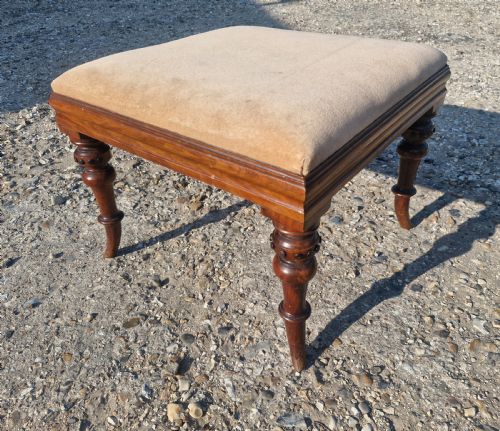
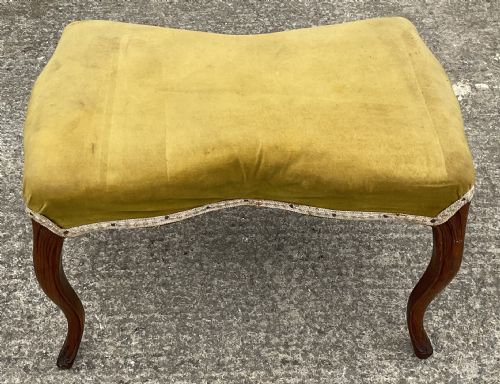

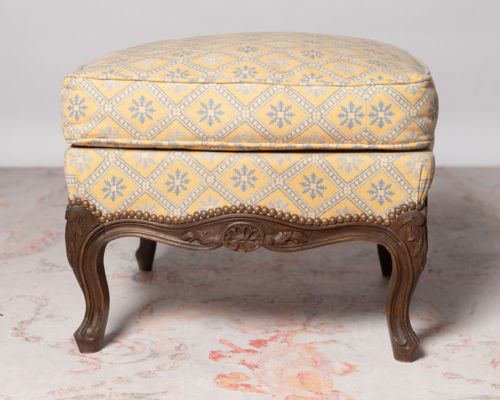


Antique Walnut Footrest
These antique walnut footrest pieces bring low seating comfort and rich timber frames to firesides and drawing rooms alike.
Antique Walnut Footrest
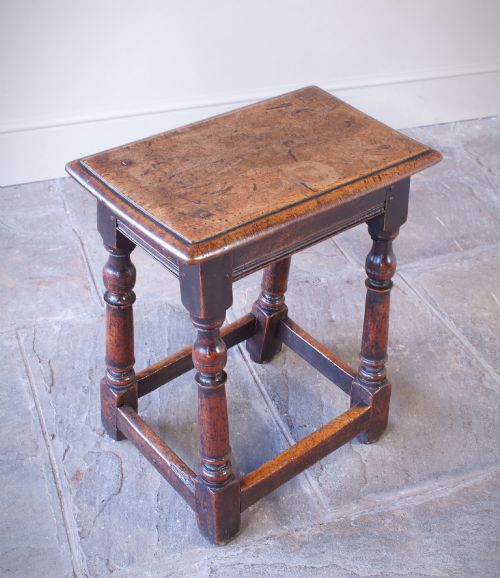
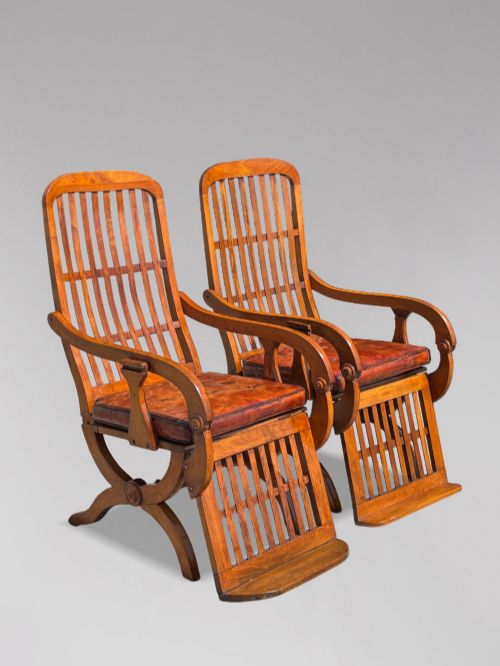
When searching for an antique walnut footrest, buyers encounter a variety of low seating forms designed to elevate the feet or provide compact fireside seats. These pieces range from modest Victorian footstools to elegant Queen Anne style revivals and longer fender stools made to sit before a hearth.
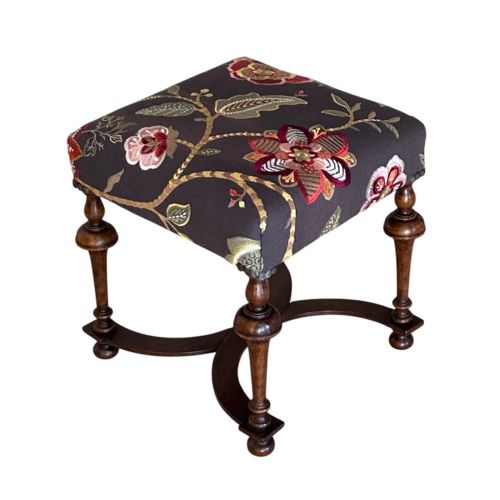
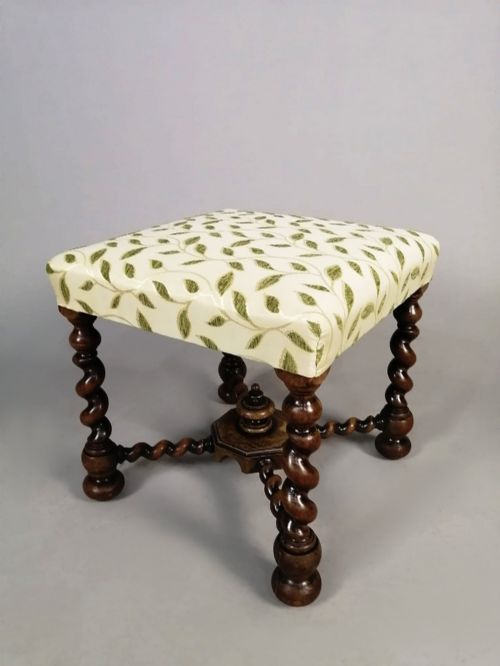
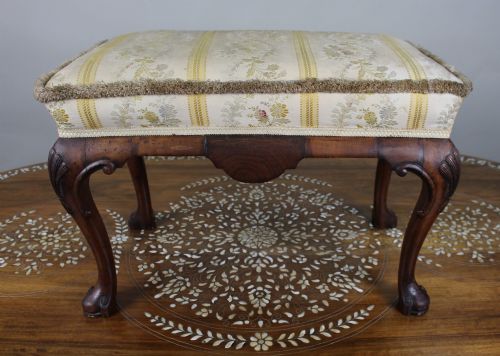
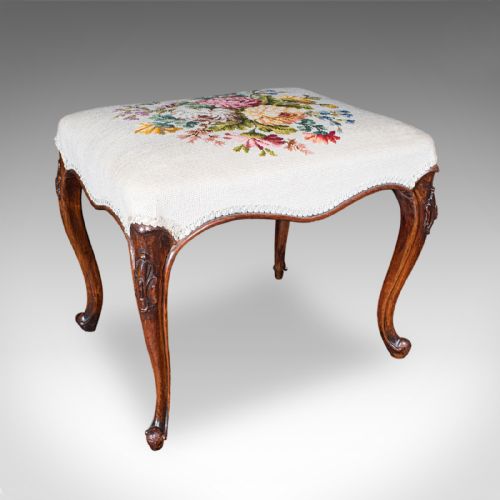
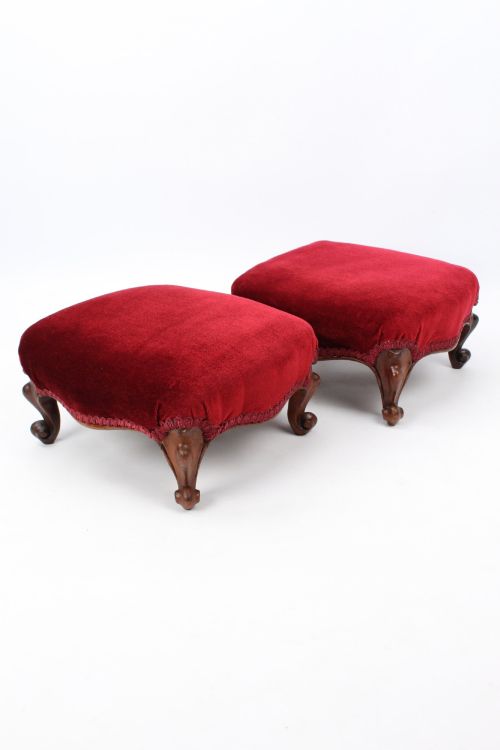
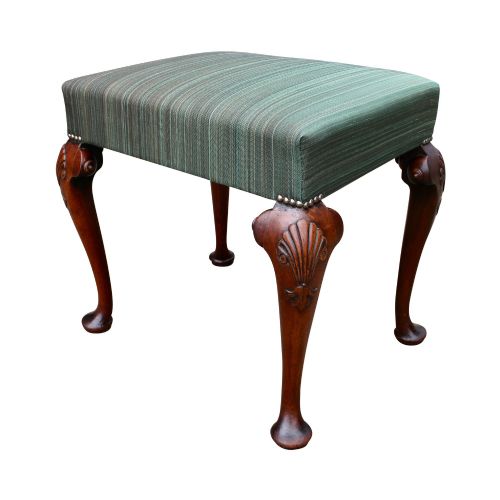
The nineteenth century dominates the available selection, offering solid walnut frames shaped with cabriole legs, carved details, and upholstered tops. Alongside standard footstools, the inventory includes carriage stools, gout stools, and occasional ottomans sharing the same dense timber foundation.
The typical antique walnut footrest combines sturdy domestic utility with decorative flourishes from periods such as the early Victorian era or later revivals. Buyers often select them to complement existing period armchairs or to add a touch of figured grain and traditional upholstery to a room.
Materials and construction methods
Makers utilised solid walnut and walnut veneers for the structural frames, often selecting timber with rich grain patterns for visible cabriole legs and carved rails. Frames frequently feature decorative carving, scrolling motifs, or simplified Queen Anne outlines executed by nineteenth-century cabinet makers.
Top surfaces rely on traditional upholstery foundations layered with textiles such as wool needlepoint, tapestry, velvet, leather, and fabric. Brass tacks, fringe trim, and heavy textile covers secure the padding to the wooden base, completing the construction of each footstool or ottoman.
Antique Walnut Footrest Retail Price Guide 2026
Typical asking prices for walnut footrest among the pieces listed under this phrase on Sellingantiques today, from the lower quarter to the upper quarter. They describe what is for sale here now, not the wider market.
The listings span multiple eras from the eighteenth century to the 1930s, featuring walnut timber paired with wool, velvet, and leather.
Distinctions in quality and execution
Quality rests primarily in the crispness of the timber carving and the architectural proportion of the walnut frame. Superior examples display deeply carved cabriole legs, robust joinery, and well-figured wood that has retained its warm tone over generations.
The standard of the upholstery work and the selection of period-appropriate textiles also define the upper tier of pieces. Masterful needlepoint or fine leather upholstery elevates a simple footstool into a distinguished collector's piece.
Harry and Lou Epstein
The Antique Walnut Footrest Glossary
- Cabriole leg
- A furniture leg that curves outward at the knee and tapers inward toward the foot, often ending in a pad or scroll. This form draws inspiration from ancient Chinese designs and became a defining feature of Queen Anne style walnut seating.
- Fender stool
- An unusually long and narrow stool designed to sit directly in front of a hearth fender. These pieces kept feet elevated away from cold stone or drafty floorboards near the fireplace.
- Gout stool
- A specialised medical and domestic footrest featuring an adjustable angle to elevate a sufferer's foot. They appeared frequently during the nineteenth century in polished walnut.
- Needlepoint
- Stitched canvas embroidery utilising wool or silk yarn to cover stool tops. This tactile textile work remains one of the most common coverings found on nineteenth-century footrests.
- Carriage stool
- A compact, low stool historically used inside horse-drawn transport or small domestic spaces. Their portable scale made them practical additions to daily travel.
Antique Walnut Footrest: Frequently Asked Questions
What is an antique walnut footrest used for?
These pieces served primarily to elevate the feet while sitting in armchairs or by the fireplace. Their low profile made them practical for keeping feet away from drafty floors in older homes.
Today, buyers continue to use them beside low seating or as small decorative accent pieces in period rooms.
How do I date a walnut footstool?
Dating relies on examining the leg style, joinery methods, and the timber's finish. Victorian examples often show heavier machine-sawn elements and carved cabriole legs, while revival pieces from the early twentieth century mimic earlier eighteenth-century proportions.
Analysing the underlying webbing and upholstery tacks can also reveal whether the piece retains its original nineteenth-century foundation.
Are these footrests suitable for daily use?
Most solid walnut frames remain structurally robust and capable of supporting regular weight. However, antique upholstery often requires careful treatment or professional re-covering to withstand heavy modern use.
Selecting a piece with sturdy joinery ensures it functions reliably as a functional seat or footrest in a contemporary home.
What is the difference between a footstool and an ottoman?
Footstools are generally smaller items intended strictly for resting feet or providing casual low seating. Ottomans often appear in larger formats, such as window seats or longer upholstered forms designed for multiple functions.
Both categories share timber frames and traditional textile covers within this collection.