
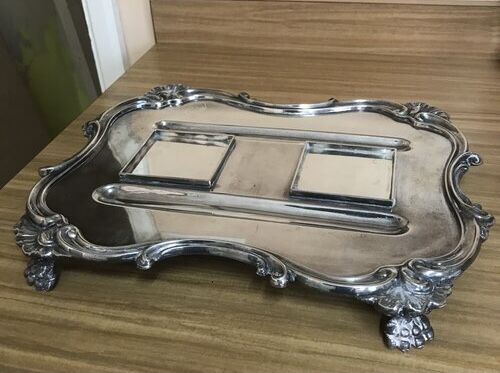


Victorian Foot Rest
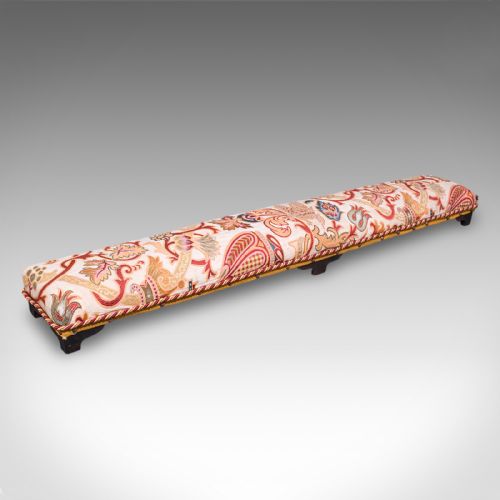
These Victorian foot rest pieces are low fireside seats and carriage stools designed for comfort, and a collector values their original upholstery.
Victorian Foot Rest
A victorian foot rest comprises low stools, fireside footstools, and carriage rests built during the nineteenth century. These pieces serve primarily to elevate the feet while sitting by the hearth or travelling.
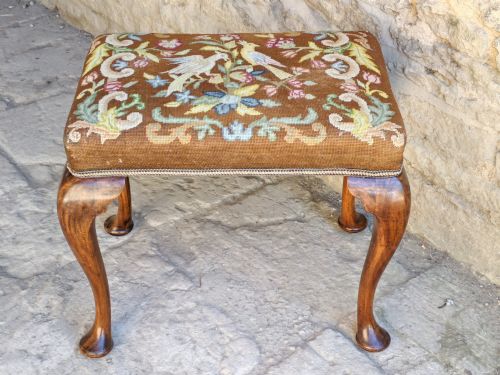
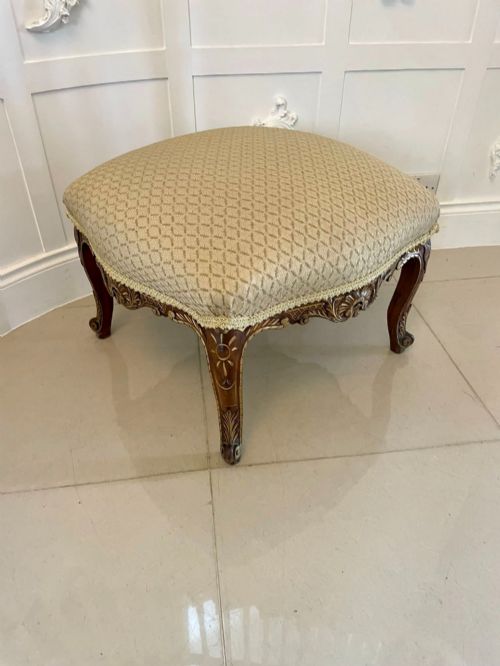
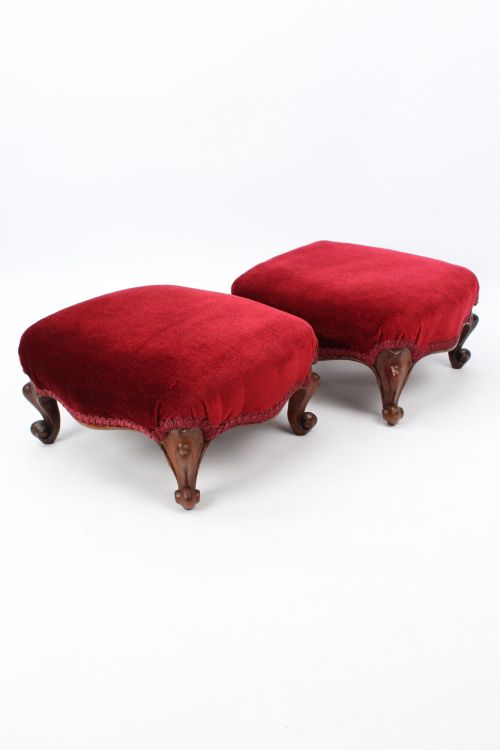
The version most commonly encountered on this page is a walnut or mahogany low stool featuring period upholstery. Many examples double as gout stools or small kneeling stools designed for domestic ease.
Materials and Construction
Cabinetmakers built these frames predominantly using dense timbers like walnut and mahogany, occasionally incorporating beechwood, oak, or giltwood. Joinery relies on traditional carpentry methods suited to low-load seating.
Upholstery defines the surface of the piece, utilising fabrics such as wool tapestry, needlepoint, beadwork, velvet, and damask. Some specialist models include adjustable mechanisms or incorporate brass and marble elements.
Some Victorian travellers apparently suffered greatly, judging by the surprising number of adjustable foot rests built specifically for carriages.
Assessing Craftsmanship
Quality rests on the crispness of timber carving and the integrity of the wooden frame. Superior examples display detailed moulding and well-figured grain.
The distinction between average and exceptional pieces lies in the survival of original needlepoint, beadwork, or textile covers. Hand-stitched tapestry and intact period upholstery elevate the status of a stool significantly.
The Victorian Foot Rest Glossary
- Gout stool
- An adjustable foot rest designed to elevate an afflicted foot or leg at a comfortable angle. These often feature hinged mechanisms.
- Carriage stool
- A low stool originally utilised inside horse-drawn carriages to provide stability and comfort during journeys.
- Needlepoint
- Hand-stitched yarn work worked through a stiff canvas mesh. This forms the decorative top surface on many period stools.
- Beadwork
- Detailed decorative surface art created by stitching small glass beads onto fabric. This technique appears on decorative Victorian footstools.
- Rococo Revival
- A mid-nineteenth-century decorative style marked by ornate curves and naturalistic carving. It frequently influences the frame design of these stools.
Victorian Foot Rest: Frequently Asked Questions
What is a gout stool?
A gout stool is an adjustable Victorian foot rest designed to support and elevate the leg at a comfortable angle. These pieces often feature a hinged mechanism to alter the height.
They were utilised in parlours and drawing rooms by individuals requiring targeted physical support during periods of rest.
How do I clean antique upholstery?
Antique needlepoint and wool tapestry require gentle surface cleaning with a soft brush to remove dust. Aggressive cleaning agents damage fragile nineteenth-century textile fibres.
Professional textile conservation remains the safest method for treating heavily soiled historical fabrics on nineteenth-century frames.
Are these stools comfortable to use daily?
Nineteenth-century footstools provide sturdy low seating or foot elevation, though original padding can feel firm by modern standards. Their compact proportions suit placement beside low fireside armchairs.
Daily use is entirely practical provided the wooden frame and internal webbing remain stable and secure.
How do I date a Victorian foot rest?
Dating relies on identifying timber choices, decorative motifs, and joinery techniques characteristic of the nineteenth century. Walnut and mahogany frames with needlepoint covers frequently point toward the mid-Victorian decades.
Stylistic shifts like Rococo Revival curves or later Art Nouveau lines help narrow the manufacturing period further.