

Antique Footstool Cabriole Legs
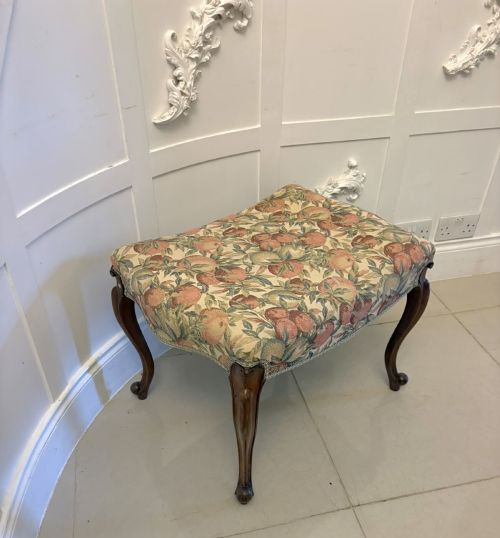
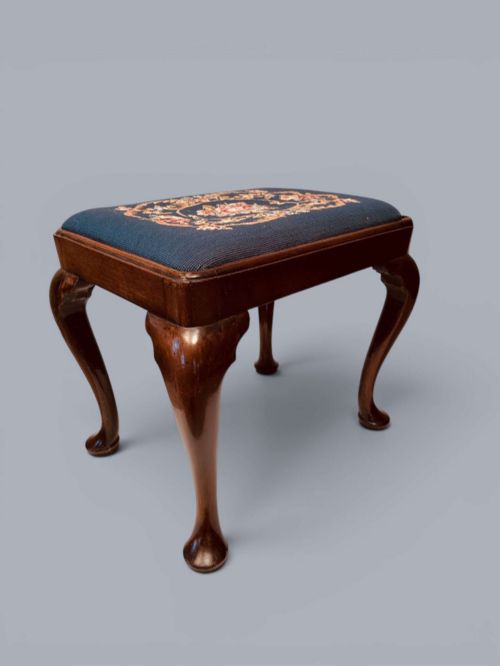
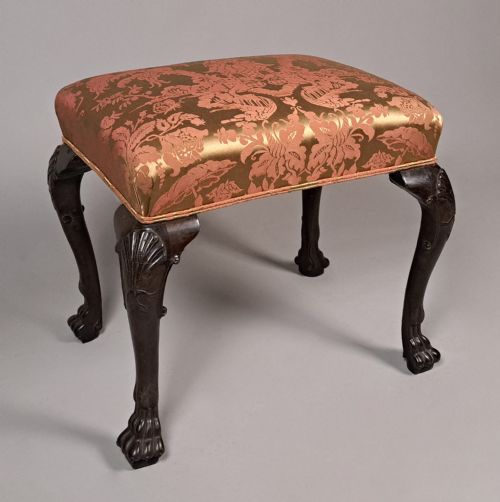
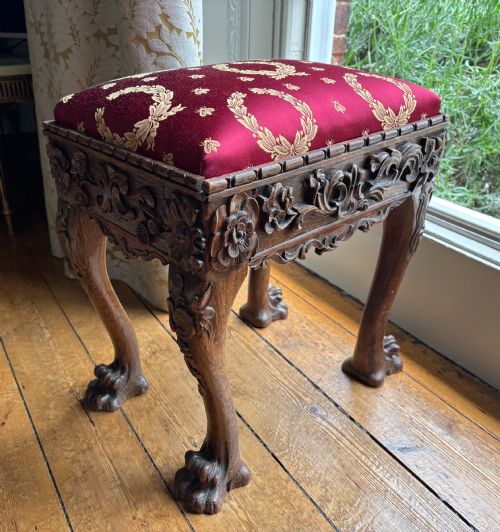
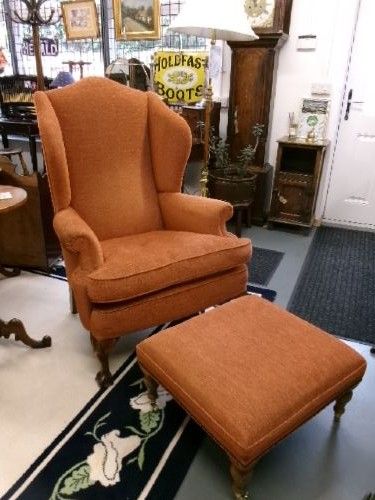
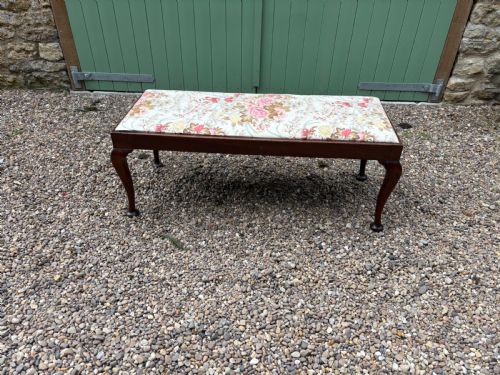
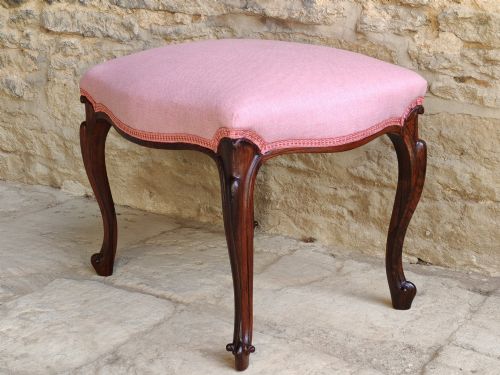
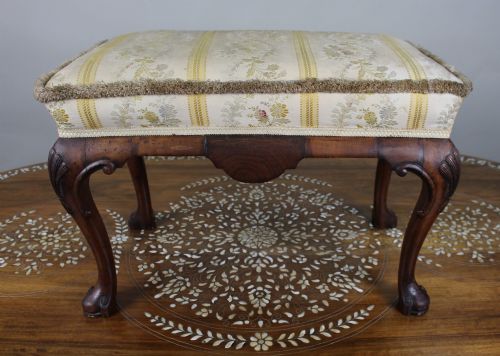
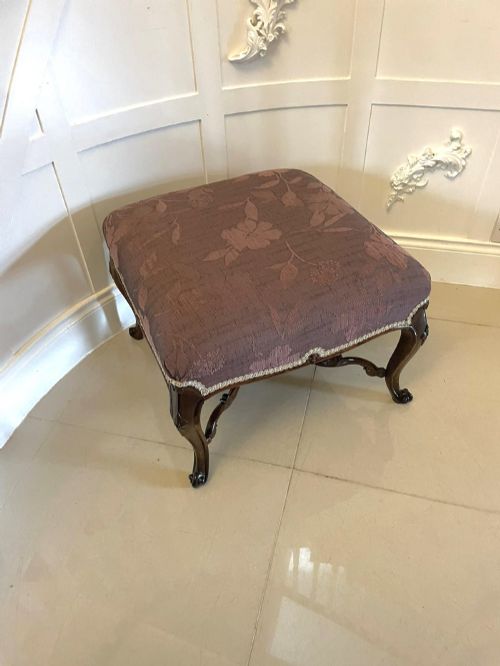
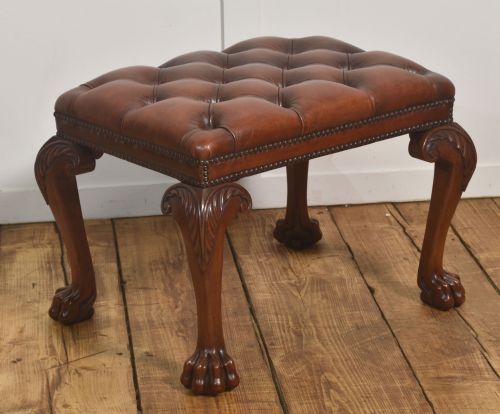
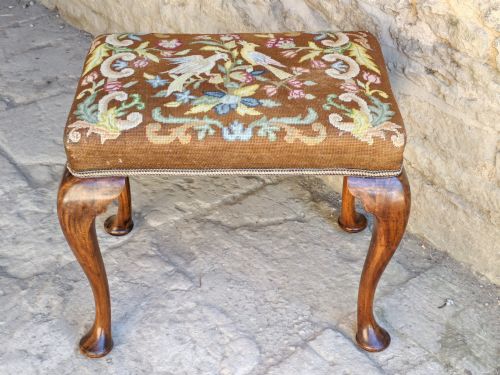
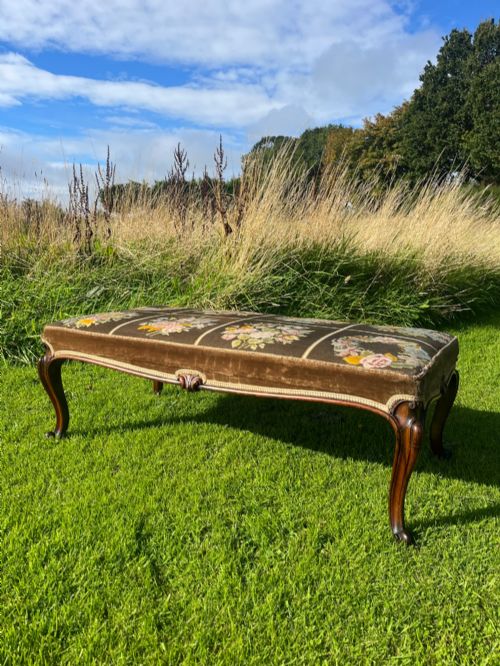
These antique footstool cabriole legs support timber frames built to rest the feet, shaped with distinctive double curves that lend elegance to any room.
Antique Footstool Cabriole Legs
When searching for an antique footstool cabriole legs, buyers encounter various low seating forms designed for comfort and domestic utility. The selection spans centuries, featuring pieces from the eighteenth century onwards into the Victorian era and the twentieth century.
The most common versions on this page are Victorian and nineteenth century walnut or mahogany pieces. These stools often adopt revival aesthetics, drawing heavily upon Queen Anne style, Chippendale style, and Georgian forms.
Makers utilised solid timbers alongside upholstered pads to create functional household furnishings. Pieces range from simple domestic footstools to large centre stools and dressing stools.
Craftsmanship and Proportion
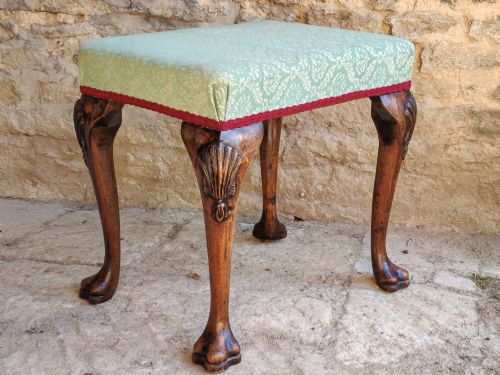
Quality rests in the fluidity of the wood carving and the balance of the proportions. Superior pieces display crisp detailing on the knees and feet, whereas lesser examples show softer lines and heavier timber sections.
The integrity of the original frame construction and the fidelity to period stylistic conventions separate standard domestic items from exceptional examples.
Antique Footstool Cabriole Legs Retail Price Guide 2026
Typical asking prices for footstool cabriole legs among the pieces listed under this phrase on Sellingantiques today, from the lower quarter to the upper quarter. They describe what is for sale here now, not the wider market.
Listings feature timber frames in walnut, mahogany, and rosewood across eighteenth, nineteenth, and twentieth century periods.
The Antique Footstool Cabriole Legs Glossary
- Cabriole leg
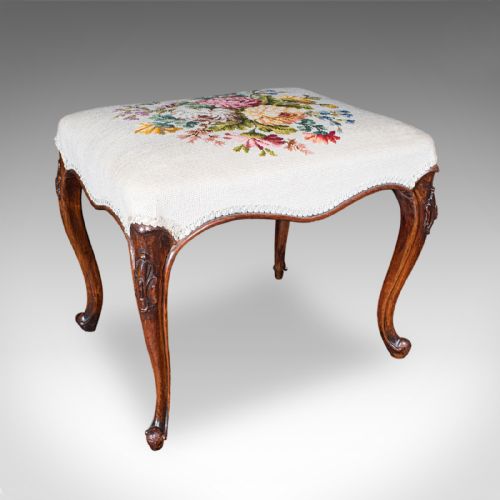
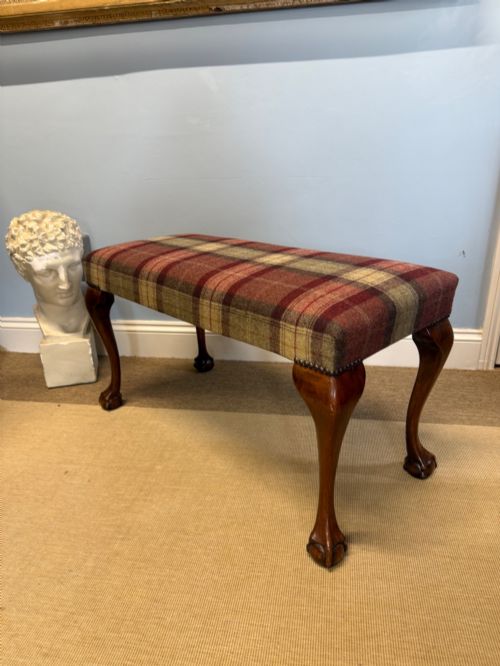
- A furniture leg that curves out at the knee and tapers inward to an ankle, mimicking an animal's leg. This form became prominent during the eighteenth century and saw frequent revival in later periods.
- Needlepoint
- A type of canvas work embroidery used for upholstery on seat tops. This stitched textile appears frequently on nineteenth century fireside footstools.
- Queen Anne style
- A domestic design aesthetic characterised by curving lines and graceful proportions. It heavily influences many of the walnut stools found in these listings.
- Centre stool
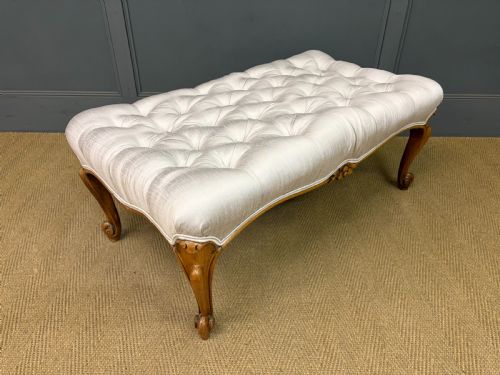
- A large freestanding seat placed in the middle of a room rather than against a wall. These substantial pieces often utilise rosewood or mahogany frames.
- Goncalo Alves
- A dense exotic hardwood with distinct figuring, occasionally utilised for Victorian dressing table stools.
Antique Footstool Cabriole Legs: Frequently Asked Questions
What periods do these footstools come from?
The listings span several centuries, with particular concentration in the Victorian era and the eighteenth century. Pieces also date from the Regency period and the early twentieth century.
Revival styles from the nineteenth century frequently emulate earlier Georgian and Queen Anne aesthetics.
How were these stools originally used?
These pieces served primarily as footrests beside armchairs and firesides in domestic interiors. Larger variants functioned as dressing stools or centre stools in reception rooms.
Their sturdy timber frames and upholstered tops provided functional support for daily household tasks.
What woods are most common?
Walnut and mahogany dominate the timber selection across the available pieces. Cabinet makers also employed rosewood, elm, and oak for specific regional or stylistic variants.
Exotic woods like goncalo Alves appear occasionally on mid-nineteenth century dressing stools.
How do I identify a revival piece?
Nineteenth century revival pieces often exhibit the styles of earlier reigns, such as Queen Anne or Chippendale. Examining the timber maturity, construction methods, and tool marks helps determine the true manufacturing date.
Stylistic cues alone can be misleading, as cabinet makers replicated historical forms accurately in later decades.