


Pair Victorian Ottomans
Pair victorian ottomans bring matched symmetry and low-slung seating to a room, offering versatile resting spots for feet or an extra place to sit.
Pair Victorian Ottomans
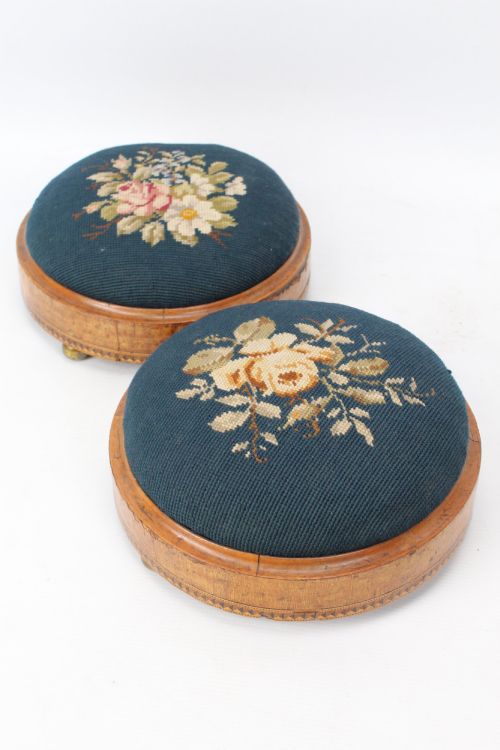
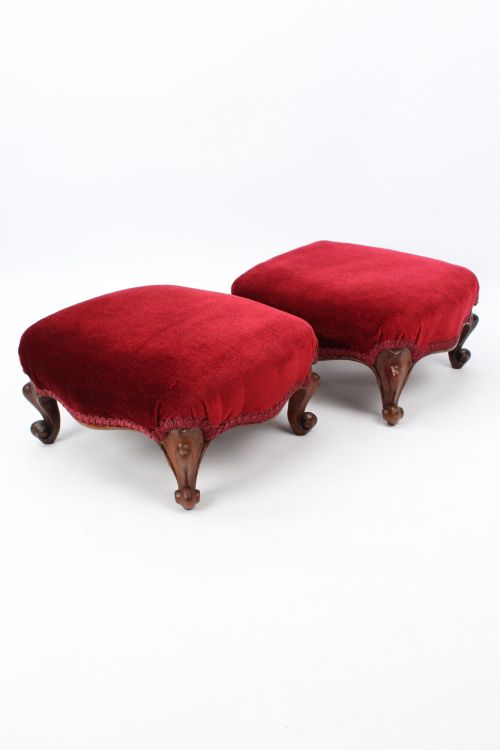
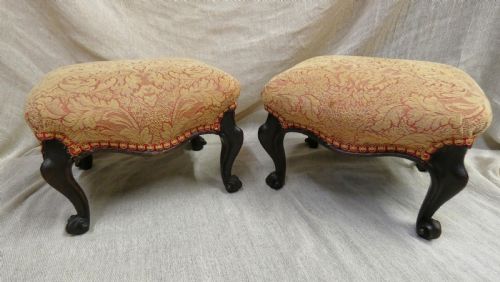
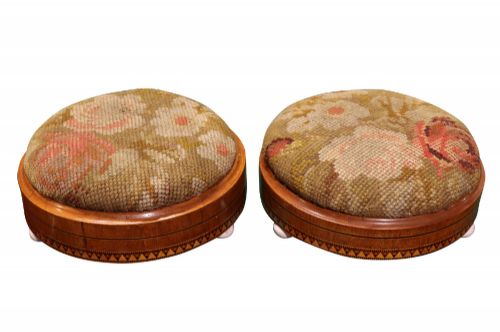
When you search for pair victorian ottomans, you encounter matched sets of low upholstered seats, footstools, and window seats originating primarily from the Victorian and nineteenth-century periods. These pieces include circular footstools, carved mahogany frames, and buttoned leather library window stools.
The selections span from early Victorian mahogany and silk designs to later walnut iterations featuring carved frames or inlaid details. Alongside direct Victorian examples, the listings extend across related nineteenth-century aesthetics including Regency and Georgian influences.
Most items function as footstools or low stools, while larger matching configurations involve window seats and armchairs paired with complementary footrests. These dual configurations provide both decorative symmetry and functional seating versatility in traditional interiors.
How they were made
Makers constructed the structural frames of these seats using dense hardwoods such as mahogany, walnut, and rosewood, frequently incorporating hand-carved details or brass elements. Wood selection dictated the durability and visual richness of the exposed frame.
Upholstery techniques involved traditional stuffing finished with textiles such as velvet, silk, wool, leather, and general fabric. Buttoned back treatments and intricate textile applications completed the padded surfaces of the stools and window seats.
Every footstool secretly longs to support a tired Victorian ankle after a long day of promenading.
What varies in quality
The calibre of timber preparation and the depth of frame carving distinguish higher-grade examples from simpler utility pieces. Superior items display precise joinery and refined secondary woods.
Upholstery execution and textile selection mark another division in standard, where hand-tufted buttoning and premium fabrics elevate the finish. The integrity of the original wood grain and the crispness of inlaid details further separate standard specimens from finer works.
James Shoolbred
The Pair Victorian Ottomans Glossary
- Ottoman
- A low, upholstered seat or footstool without a back or arms, designed for resting feet or sitting. These pieces provide flexible seating arrangements within nineteenth-century rooms.
- Footstool
- A low stool intended specifically for supporting the feet while seated in an armchair. Victorian examples frequently feature circular or carved wooden frames.
- Window Seat
- An elongated stool or bench designed to fit into a window recess. These items often incorporate buttoned leather or upholstered tops.
- Mahogany
- A durable, reddish-brown tropical hardwood favoured for nineteenth-century furniture framing. Its stability allowed for intricate carving along the legs and rails.
- Buttoned
- An upholstery technique where indentations are created using buttons pulled tight into the padding. This method secures the filling while producing a quilted geometric pattern.
Pair Victorian Ottomans: Frequently Asked Questions
What is a pair of Victorian ottomans?
These pieces consist of matched low seats or footstools dating from the nineteenth century. They provide coordinated low seating or footrests for traditional interiors.
They appear in forms ranging from simple mahogany frames to buttoned leather window stools and inlaid circular footstools.
How were nineteenth-century stools used?
Victorian households utilised these low seats primarily as footrests in libraries, drawing rooms, and parlours. Matched pairs often flanked fireplaces or sat beneath windows.
Larger window seats provided functional perches for reading by natural light while maintaining a low profile below the window frame.
How do I care for antique upholstery?
Preserving these textiles requires gentle vacuuming with a soft attachment to remove dust without stressing the fabric. Keep the pieces away from direct sunlight to prevent fading of silks, velvets, and wools.
Treat leather surfaces with appropriate conditioning products to maintain suppleness and prevent cracking over time.
How do I identify Victorian furniture styles?
Identification relies on examining the timber species, joinery methods, and decorative motifs present on the frame. Characteristic woods include mahogany and walnut, often shaped with revival styles.
Buttoned upholstery and hand-carved details further help place the pieces within the nineteenth-century period.