

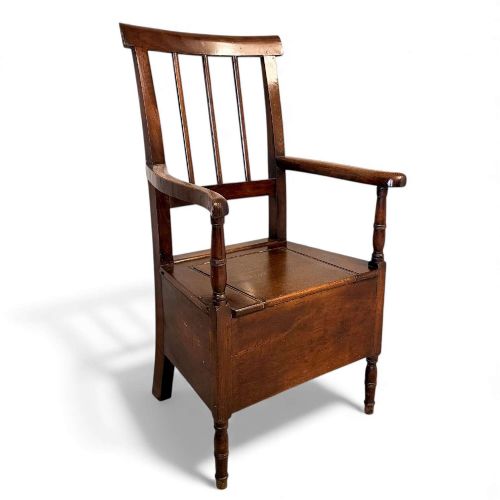
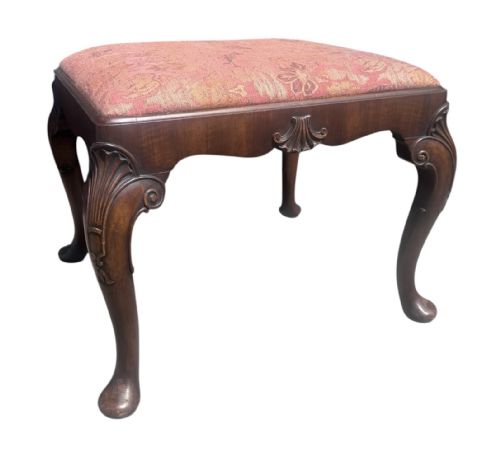


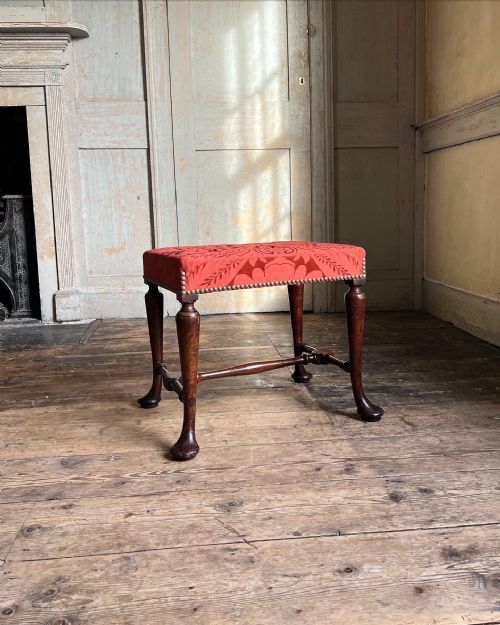

Georgian Walnut Stool
A georgian walnut stool offers a touch of refined domestic history, bringing rich timber and classic lines into a room.
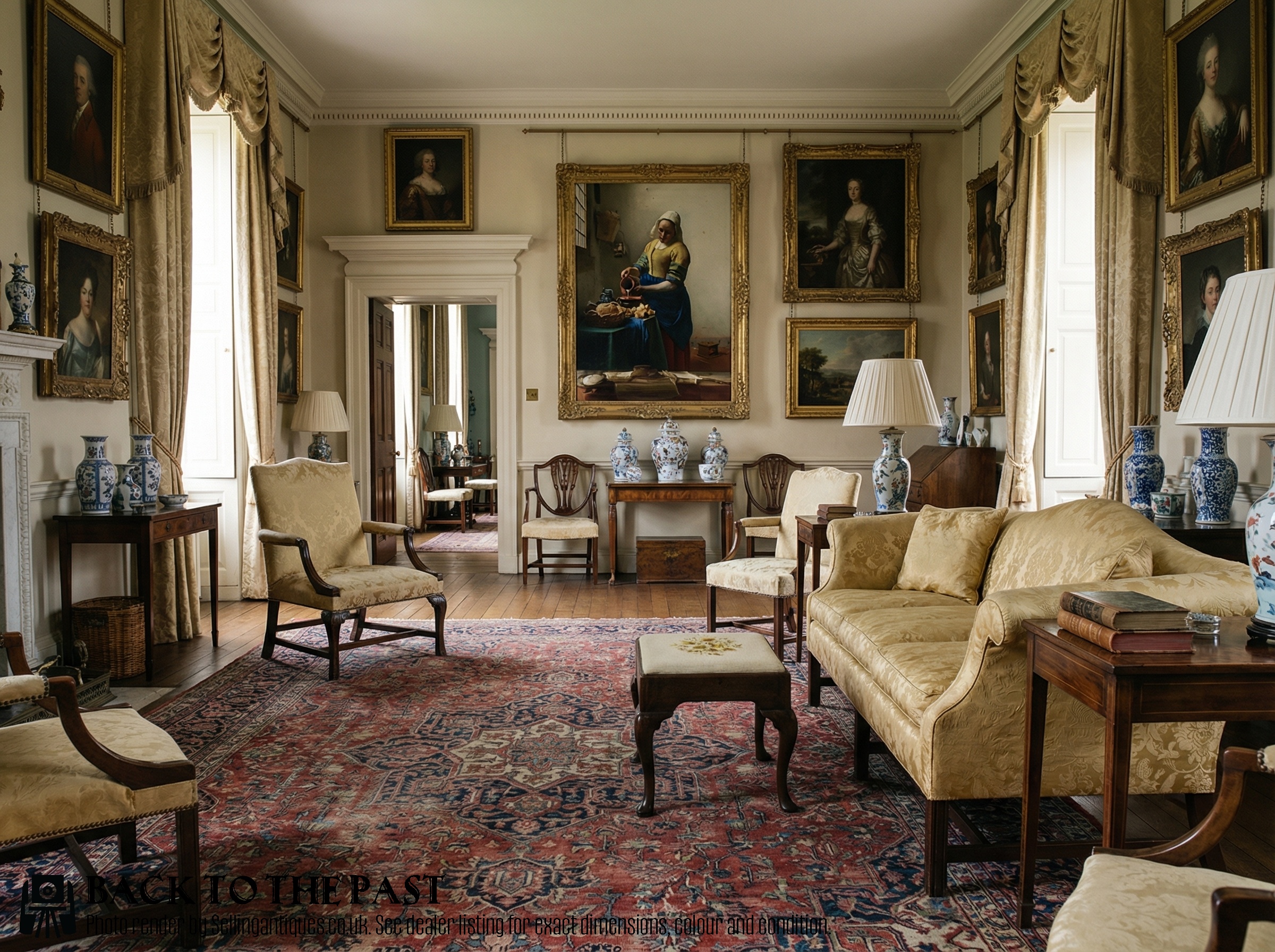
Georgian Walnut Stool
When you search for a georgian walnut stool, you look at low seating forms designed for the parlour, dressing room, or window recess. These pieces emerge from the eighteenth century or appear in later revival periods using classic forms.
The version you meet most often on this page is the revival interpretation, built around nineteen-twenty or the late nineteenth century, echoing earlier Queen Anne and George I aesthetics. These later echoes sit alongside genuine eighteenth-century pieces and nineteenth-century adaptations.
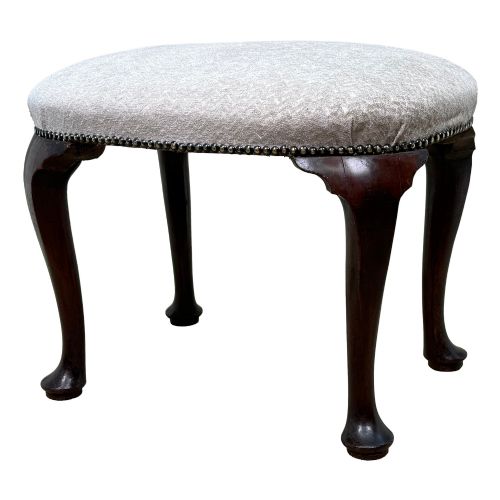
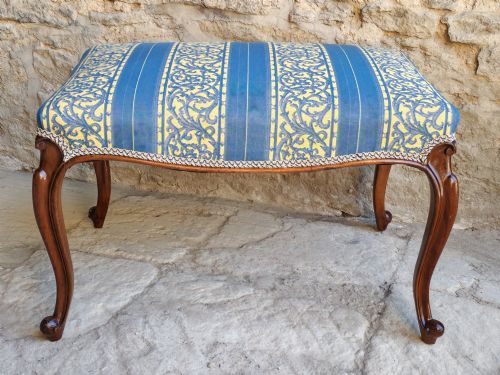
The evidence shows forms ranging from simple circular seats and footrests to larger window benches, piano seats, and box stools. They span periods from the eighteen-eighties and Edwardian years back to the early eighteen hundreds and eighteenth century.
How they were made
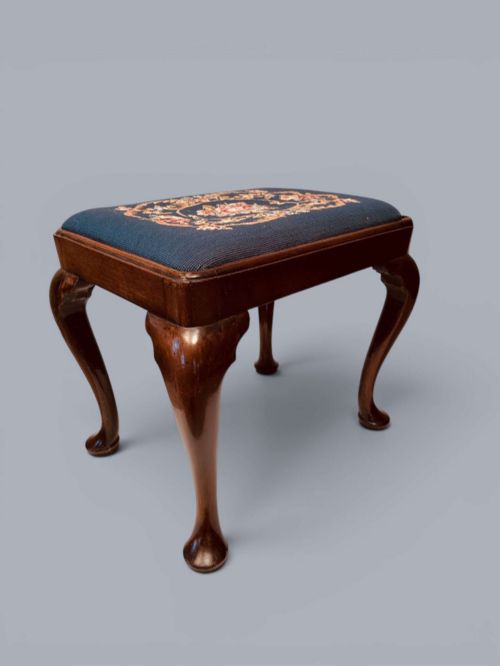
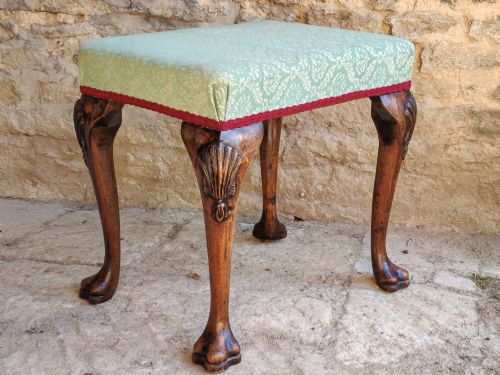
Makers shaped these items from solid walnut and oak, often carrying out carving on cabriole legs that frequently terminate in claw and ball feet. Timber selection determined the foundation of each frame.
Georgian Walnut Stool Retail Price Guide 2026
Typical asking prices for georgian walnut stool among the pieces listed under this phrase on Sellingantiques today, from the lower quarter to the upper quarter. They describe what is for sale here now, not the wider market.
Listings combine eighteenth-century pieces with nineteenth-century examples and twentieth-century revivals, utilising walnut, oak, fabric, velvet, and brass.
What varies in quality
Quality rests in the precision of the carved leg work and the integrity of the timber framing. Pieces with well-drawn proportions and confident cabriole curves sit distinctly apart from stiffer revival iterations.
The textile work contributes heavily to the character of the seating, with hand-worked needlepoint and period upholstery elevating the overall execution above plain or later recovered examples.
The Georgian Walnut Stool Glossary
- Cabriole leg
- A furniture leg that curves outward and then tapers inward, mimicking an animal's limb. This form defines much of the seating seen in early Georgian design.
- Claw and ball
- A foot motif depicting a bird's talon gripping a spherical ball. It anchors the base of many carved walnut frames.
- Needlepoint
- A type of canvas work embroidery used for upholstery. It provides decorative texture to seat covers across various centuries.
- Window seat
- An elongated stool or bench designed to fit a window recess. These items frequently feature upholstered surfaces and supportive frames.
- Box stool
- A seat featuring a compartment beneath the lid for storage. Versions appear from both the Georgian era and later revival periods.
Georgian Walnut Stool: Frequently Asked Questions
Are these stools comfortable to use daily?
Most of these pieces function well for occasional seating or as footrests in a living space. Their padded tops provide a firm surface suitable for drawing up to a table or placing before a chair.
Heavier revival benches and window seats offer wider platforms, making them practical for seating by a window or at the foot of a bed.
How do I spot a later revival piece?
Revival items often date from the late nineteenth or early twentieth centuries, mimicking the proportions of the seventeen-twenties. Closer inspection of the timber joints and the crispness of the carving reveals the hand of later workshops.
Makers working in these later decades adopted older Queen Anne and George I styles to satisfy domestic demand for traditional furniture.
What fabrics cover these seats?
Upholstery materials include wool, velvet, plain textiles, and elaborate needlework covers. Many pieces retain period needlepoint featuring floral or geometric patterns.
Later restorations frequently replace worn coverings with matching textiles, while surviving early needlework adds distinct character to the seat.
Where were these stools placed in a home?
Original placement varied from dressing rooms and parlours to formal reception areas and bedrooms. Dressing stools accompanied dressing tables, while longer benches found places beneath windows.
Smaller footrests served to keep feet elevated from cold floors in high-ceilinged rooms.