

Antique Walnut Dressing Desk
An antique walnut dressing desk combines practical writing space with a dressing surface, bringing rich timber grain and period charm to a room.
Antique Walnut Dressing Desk
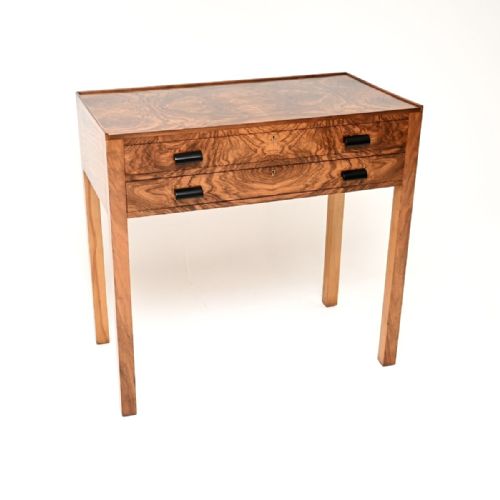
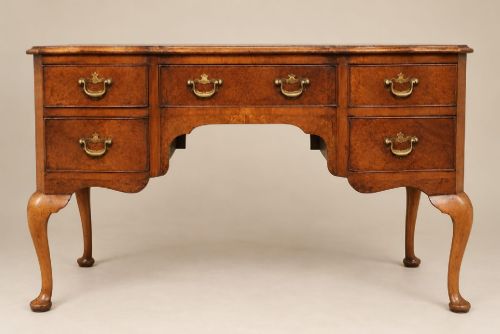
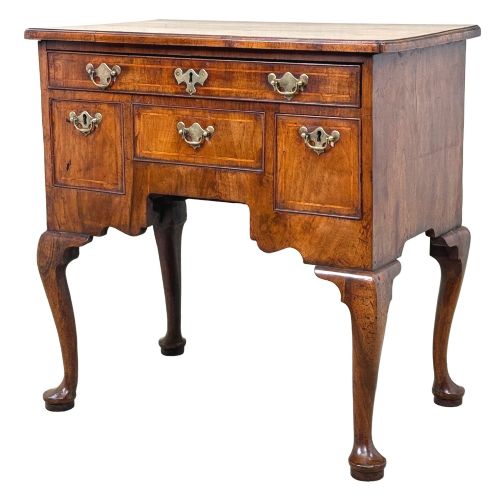
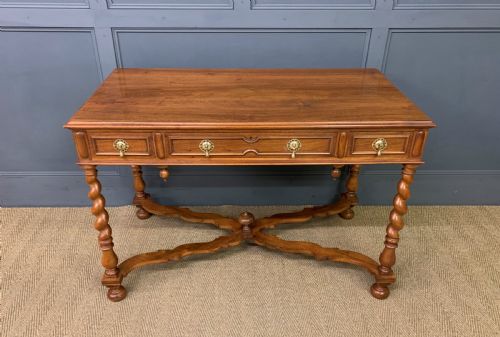
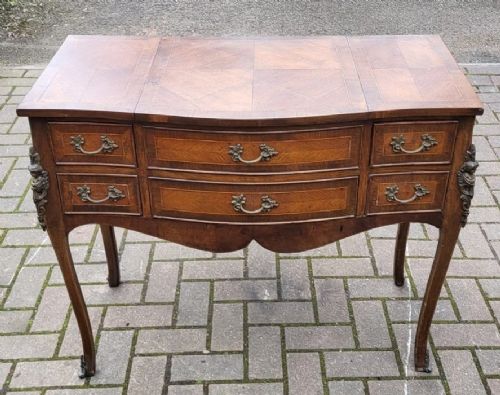
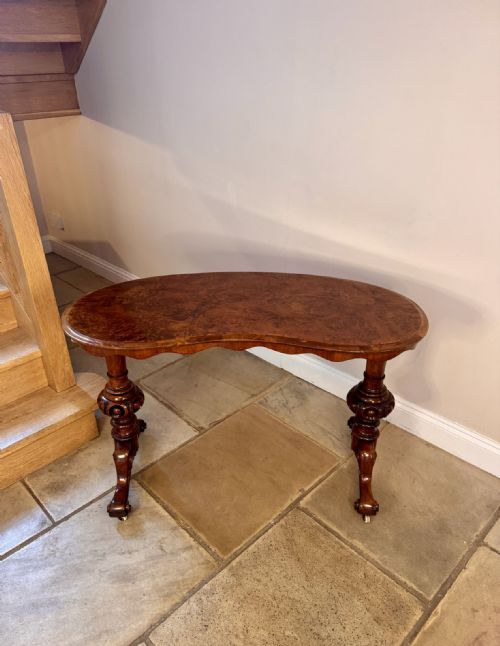
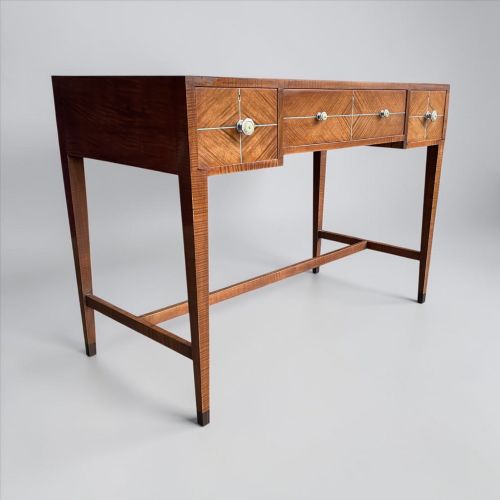
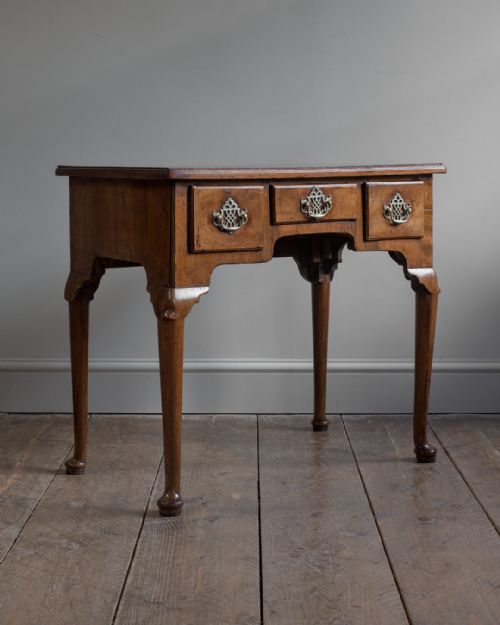
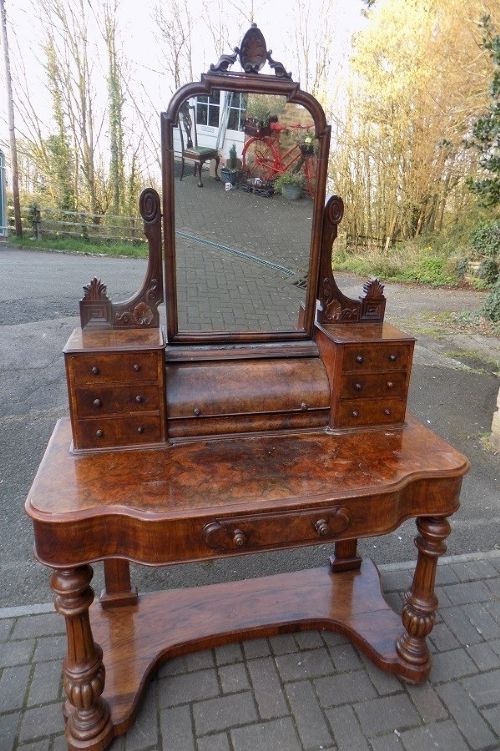
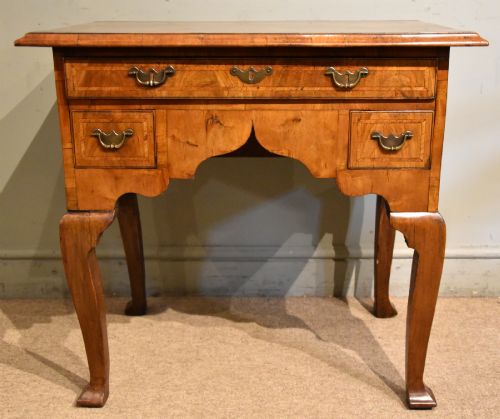
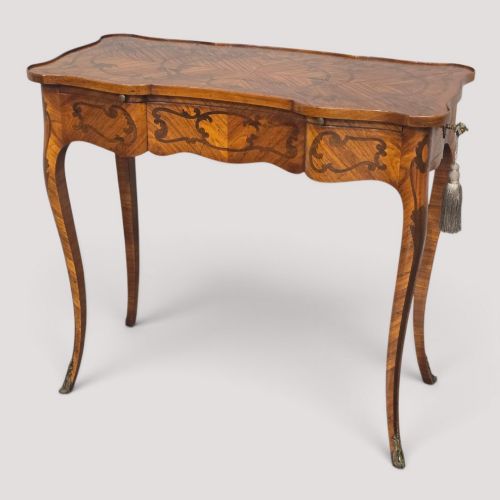
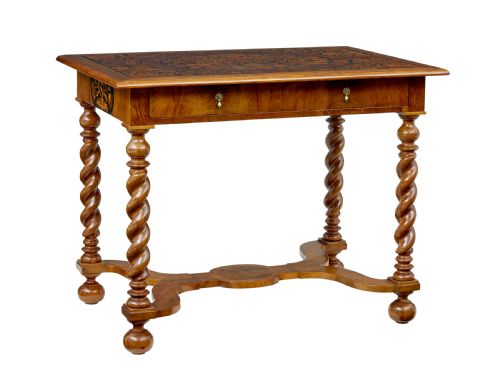
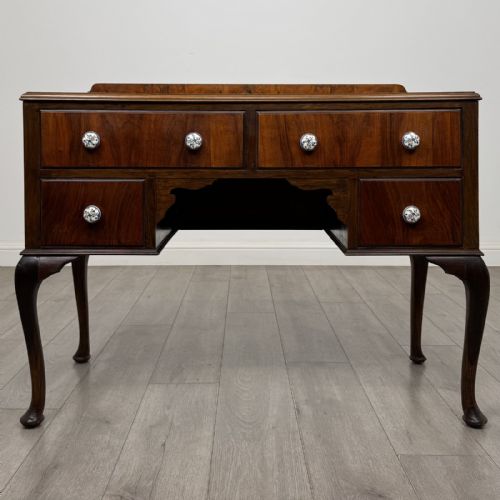
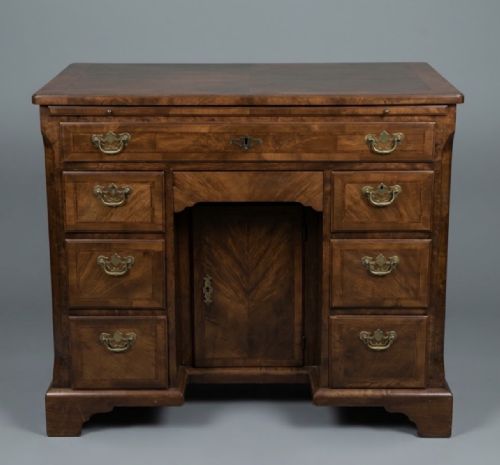
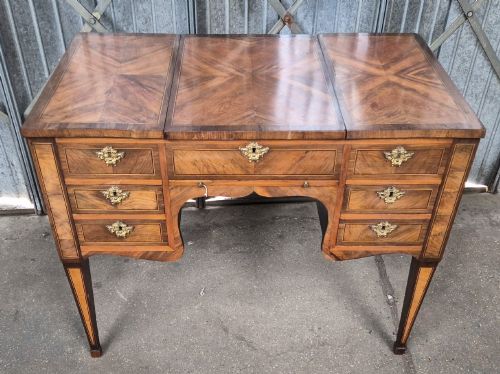
An antique walnut dressing desk unites the functions of a writing table, lowboy, and dressing surface, spanning periods from George I and the 18th century through the Victorian era to Art Deco and 1930 designs.
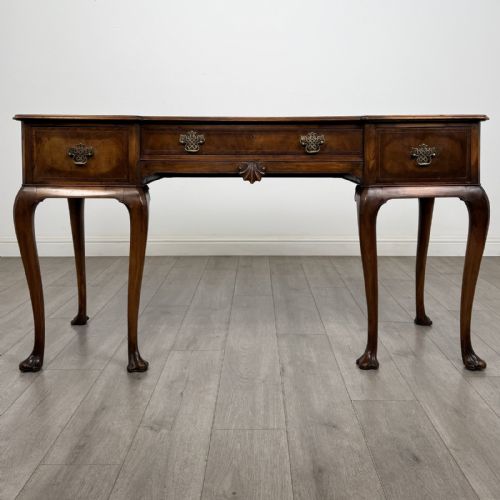
Many examples channel Queen Anne and Georgian styles with cabriole legs, alongside later Edwardian and 1930s pedestal formats equipped with glass or leather writing surfaces.
Judging quality
Quality rests upon the selection and matching of the walnut veneer, where richly figured burr timber or fiddleback patterns elevate a piece above plain surfaces.
The crispness of carved details like cabriole legs, the integrity of original brass hardware, and the harmony of proportions distinguish superior 18th-century lowboys and later Art Deco writing desks alike.
Antique Walnut Dressing Desk Retail Price Guide 2026
Typical asking prices for walnut dressing desk among the pieces listed under this phrase on Sellingantiques today, from the lower quarter to the upper quarter. They describe what is for sale here now, not the wider market.
Listings span from the 17th century and Georgian period through Victorian designs to 1930s Art Deco.
Wylie & Lochhead Glasgow
The Antique Walnut Dressing Desk Glossary
- Lowboy
- A small low table with drawers, frequently utilised as a dressing table or side table in 18th-century interiors.
- Kneehole desk
- A writing desk featuring a recessed central cupboard or space flanked by pedestals of small drawers.
- Burr walnut
- Timber taken from the wart or burl of a walnut tree, yielding a highly swirled and decorative grain pattern.
- Fiddleback walnut
- Timber exhibiting a fine, rippled grain resembling the back of a violin, prized for its lustrous appearance.
- Cabriole leg
- A furniture leg that curves out and then in, commonly terminating in a pad or foot, seen on Queen Anne and Georgian pieces.
Antique Walnut Dressing Desk: Frequently Asked Questions
How do I use a dressing desk today?
These versatile pieces function comfortably as compact writing desks, hallway console tables, or bedroom dressing stations.
Their multiple drawers provide discreet storage for stationery or daily essentials while maintaining a compact footprint.
What is the difference between a lowboy and a dressing desk?
A lowboy is traditionally a small table with one or more rows of drawers, often serving multi-purpose roles as a side table or dressing surface.
Dressing desks specifically incorporate kneeholes or writing surfaces designed for seated tasks like correspondence or grooming.
How do I identify a George I piece?
George I period walnut furniture typically dates from the early 18th century and showcases rich figured veneers, herringbone banding, and early cabriole leg forms.
These pieces often display understated elegance without the heavier carving found in later Victorian revivals.
Are Art Deco walnut desks different from Georgian ones?
Art Deco pieces from the 1930s favour streamlined silhouettes, skyscraper pedestal forms, and dramatic burr walnut veneers combined with glass.
Georgian examples lean towards classical proportions, bracket feet, and traditional brass drop handles.