
Antique Wall Tapestry
An antique wall tapestry brings texture, warmth and centuries of textile craft directly into a room.
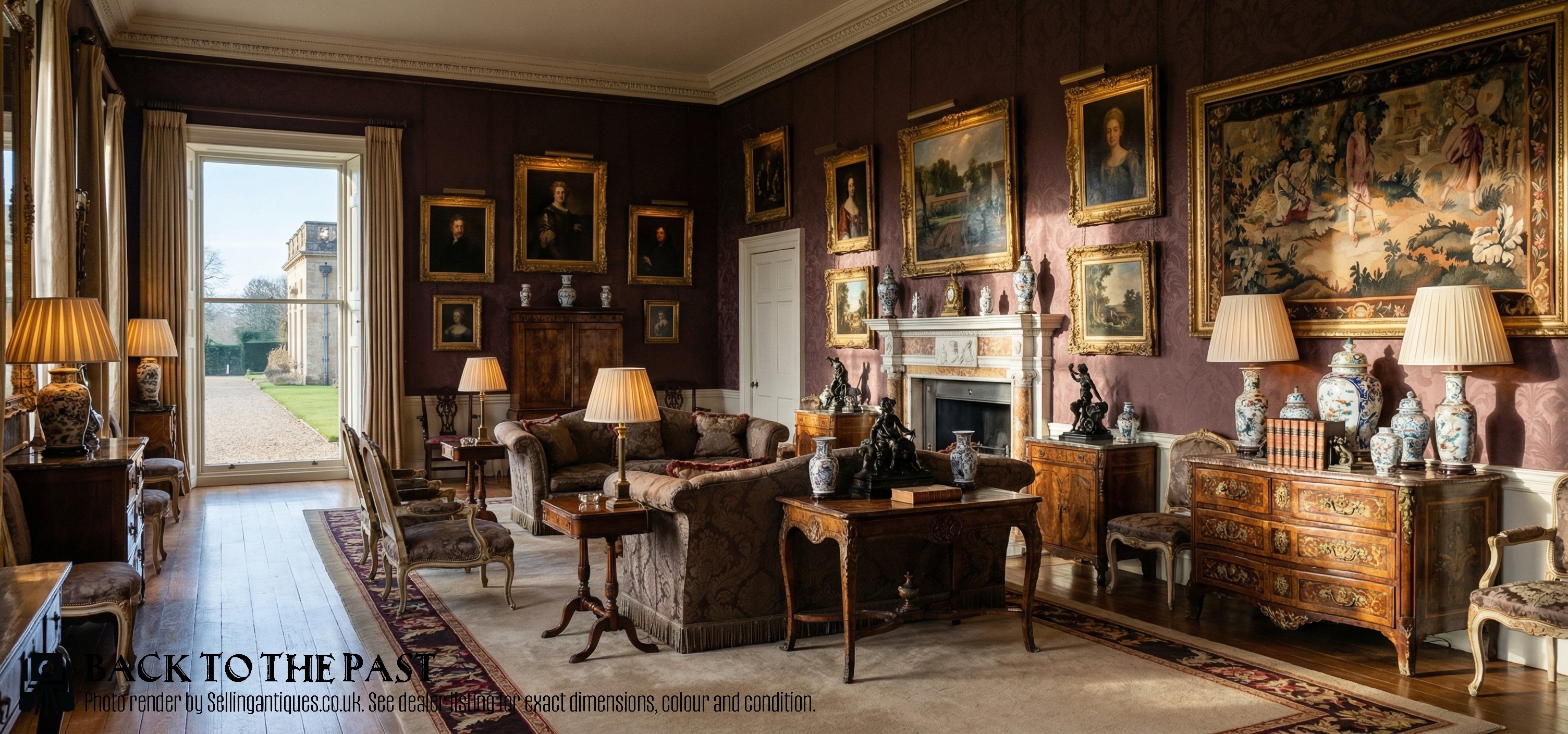
Antique Wall Tapestry
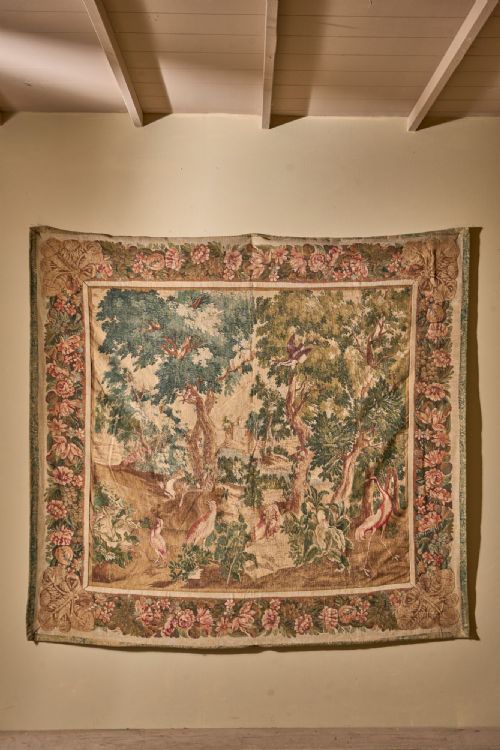
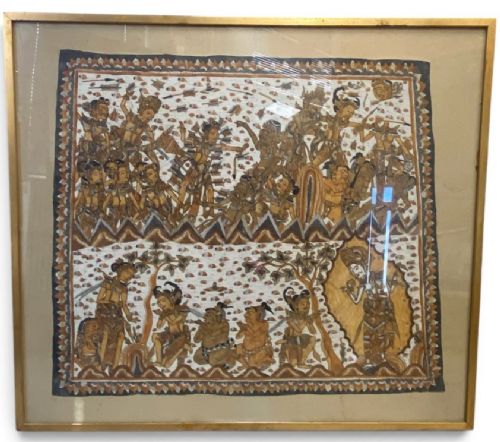
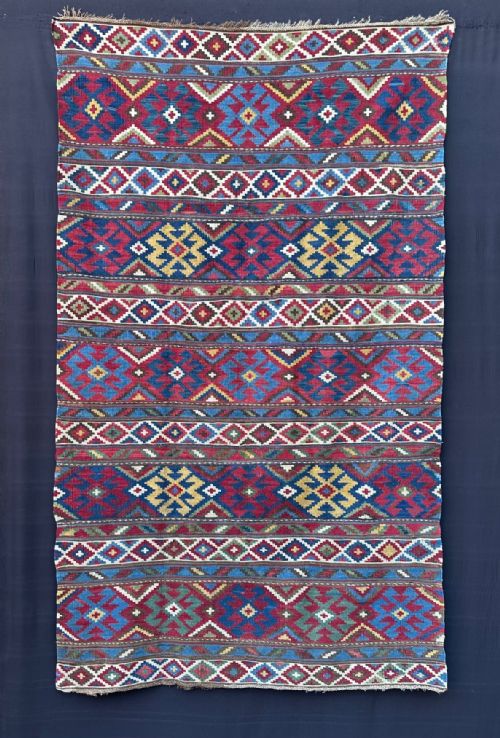
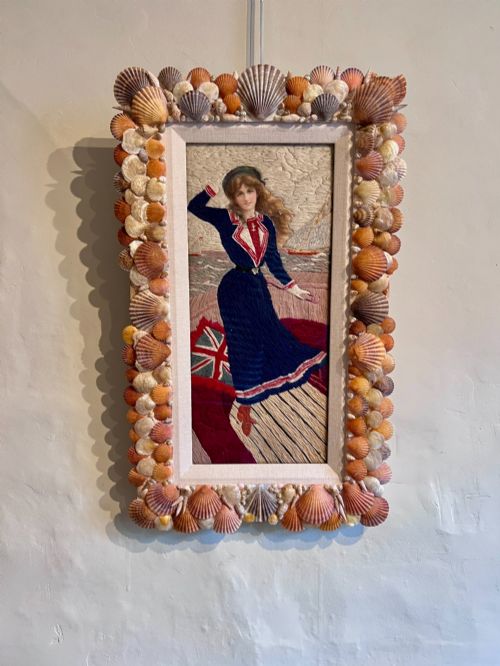
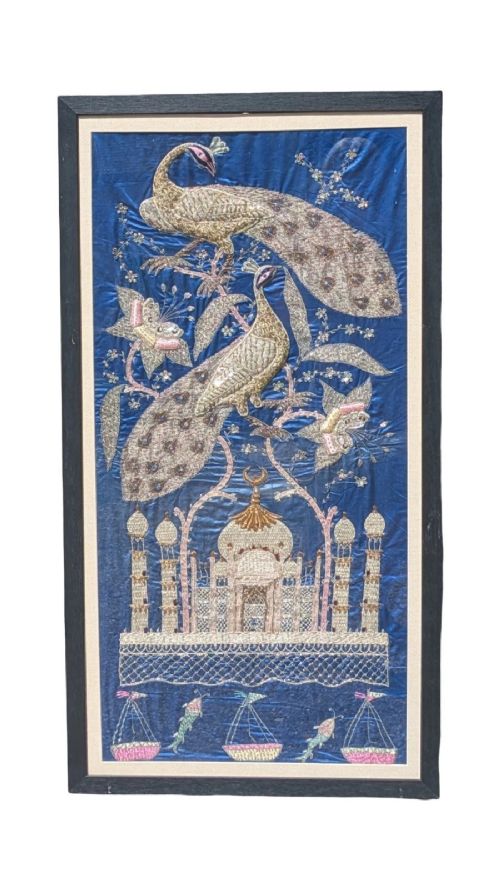
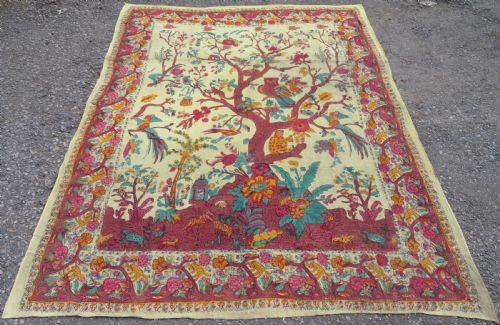
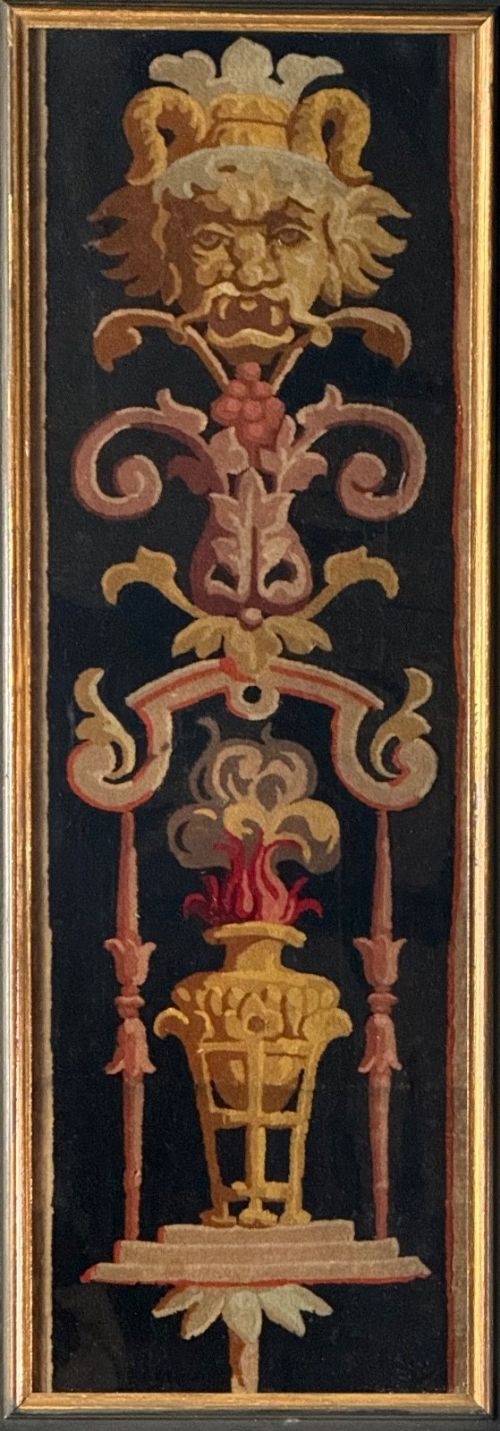
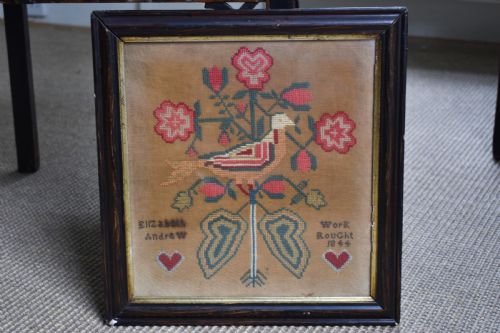
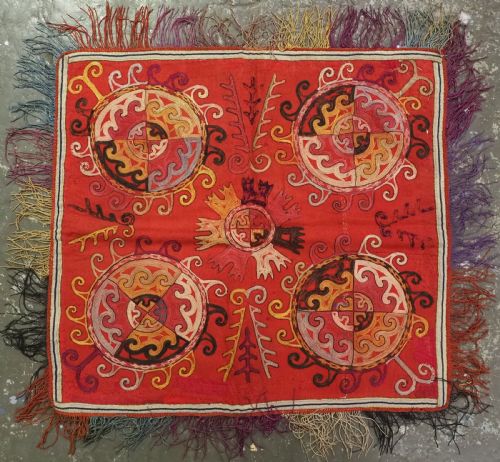
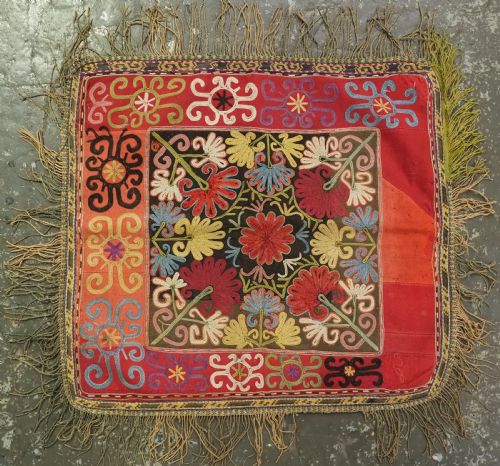
An antique wall tapestry encompasses woven verdure panels, embroidered suzanis, needlework pictures and tribal textiles designed for interior display. Buyers searching for an antique wall tapestry encounter items originating from European workshops, Central Asian tribal communities, and English households spanning the seventeenth to the early twentieth century.
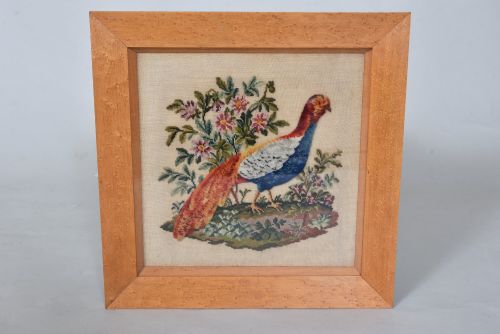
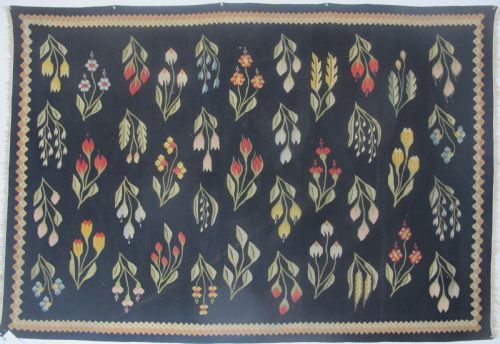
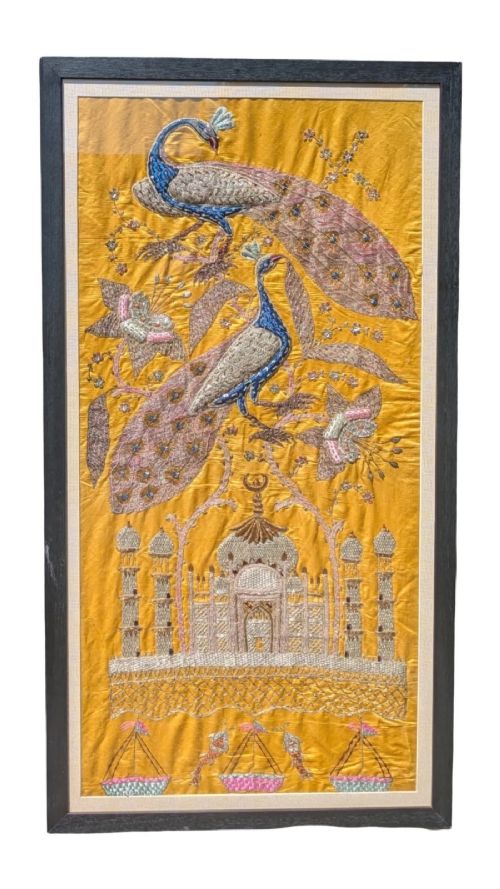
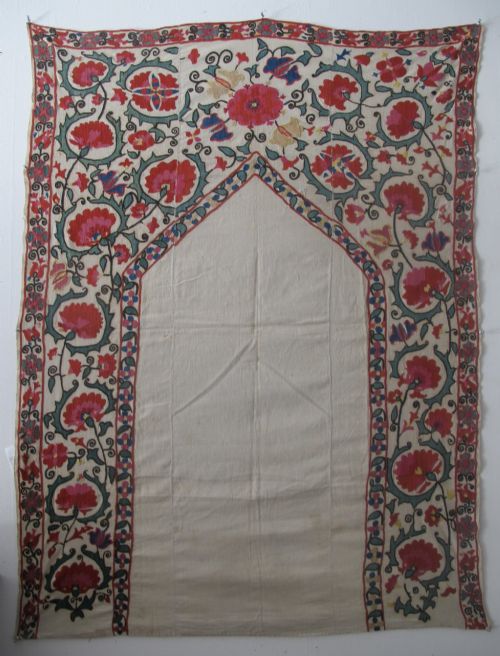
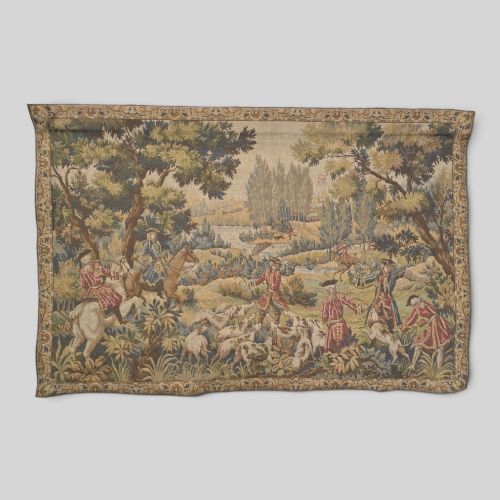
The most common versions met on this page include French and Flemish verdure scenes, vibrant Uzbek embroideries, Victorian woolwork pictures, and Central Asian trappings mounted for display. These pieces range from large room-scale woven coverings down to smaller framed needlework panels and embroidered dowry hangings.
Makers and makers' hands cross diverse traditions, from Aubusson looms to nomadic textile artists in Central Asia and amateur needleworkers in Victorian parlours. Each format reflects the domestic or ceremonial requirements of its period, utilising fabric structures intended to hang upon interior walls.

What varies in quality
Quality rests upon the fineness of the stitch or weave, the complexity of the design, and the survival of the original materials. Pieces executed with tight, uniform wool or silk work display superior definition in figures, foliage and architectural elements.
The integrity of the ground fabric and the depth of the palette dictate the overall standing of an example. Finer specimens retain rich, natural dye colours and intricate detailing without extensive later repairs or loss of structural substance.
Antique Wall Tapestry Retail Price Guide 2026
Typical asking prices for wall tapestry among the pieces listed under this phrase on Sellingantiques today, from the lower quarter to the upper quarter. They describe what is for sale here now, not the wider market.
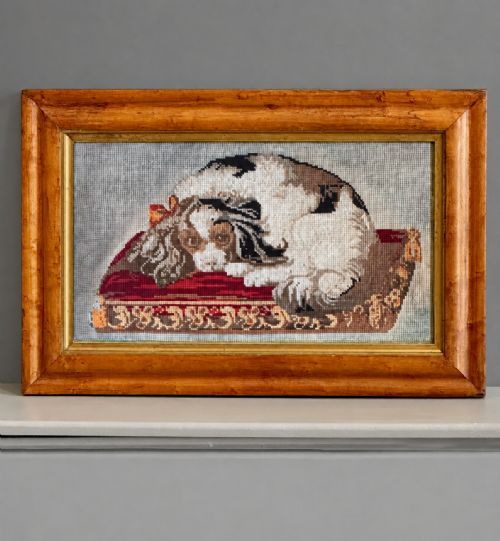
A nineteenth-century needleworker once immortalised a King Charles spaniel in wool, ensuring the pet outlived its entire household.
The Antique Wall Tapestry Glossary
- Verdure tapestry
- A woven wall hanging dominated by stylized foliage, trees, and landscape scenery, frequently produced in European workshops such as Aubusson or Audenaarde during the seventeenth and eighteenth centuries.
- Suzani
- A large, embroidered tribal textile originating from Uzbekistan and surrounding regions, traditionally stitched with silk threads on a cotton or linen ground in floral and geometric patterns.
- Berlin work
- A popular form of nineteenth-century needlepoint embroidery worked in wool on canvas from printed and hand-coloured grid patterns.
- Asmalyk
- A pentagonal ceremonial trapping produced by Turkmen tribes, often utilised in weddings and woven with characteristic tribal gul motifs.
- Crewelwork
- Embroidery executed using wool yarn on a sturdy linen or cotton twill fabric, creating raised and textured pictorial surfaces.
Antique Wall Tapestry: Frequently Asked Questions
How were antique wall tapestries displayed originally?
These textiles hung primarily within large domestic rooms, castles and manor houses to insulate stone walls and introduce colour. They were suspended from wooden battens or iron hooks using integrated hanging loops.
In later periods, smaller panels and needlework pieces were mounted within wooden frames under glass for parlour display. Tribal textiles served ceremonial or domestic architectural roles before entering collections as wall art.
What is the difference between a tapestry and embroidery?
A tapestry is created on a loom where the design is woven directly into the fabric structure by interlacing warp and weft threads. This process builds the picture from the base threads upward.
Embroidery, by contrast, stitches decorative threads onto a pre-existing woven foundation fabric. Needlework pictures and suzanis represent this second method, relying on surface needlecraft rather than loom weaving.
How do I care for an antique wall tapestry?
Protect the textile from direct sunlight to prevent the fading of natural wool and silk dyes. Keep the hanging away from damp environments and heat sources to maintain the stability of natural fibres.
Dust the surface gently using a soft brush or low-suction vacuum applied through a protective mesh screen. Avoid harsh cleaning agents and consult a textile conservator for professional intervention.
Can I date a piece by its materials?
Materials provide broad chronological indicators when considered alongside technique and palette. Seventeenth and eighteenth-century European works typically employ heavy wool and silk weaves in verdure or classical compositions.
Nineteenth-century items frequently feature Berlin woolwork, bright synthetic or early aniline-influenced dye traces, and specific framing woods like burr maple. Central Asian embroideries utilise traditional hand-spun silk and cotton combinations characteristic of nineteenth-century tribal production.