
Antique Wall Storage Cabinet
An antique wall storage cabinet offers practical room organisation while bringing period character to a hallway or kitchen.
Antique Wall Storage Cabinet
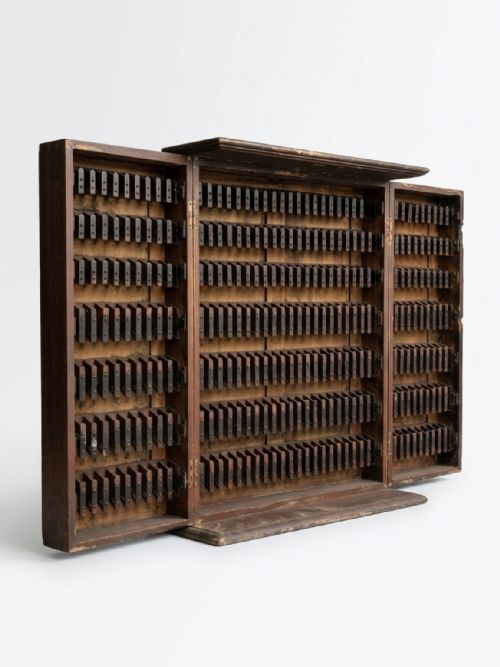
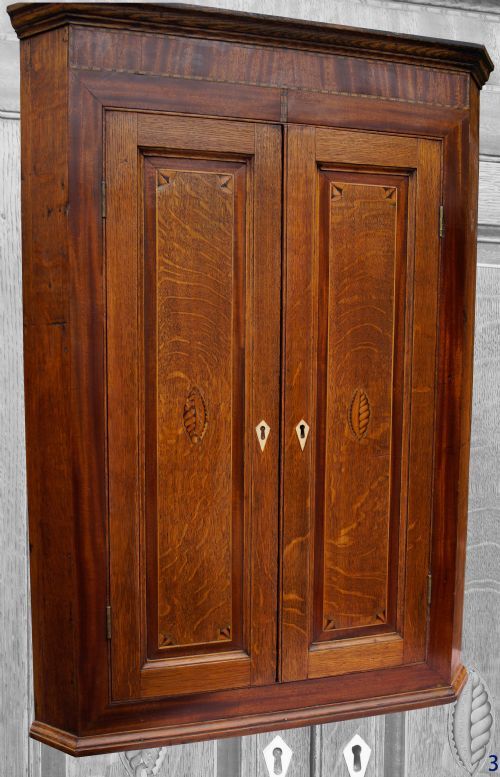
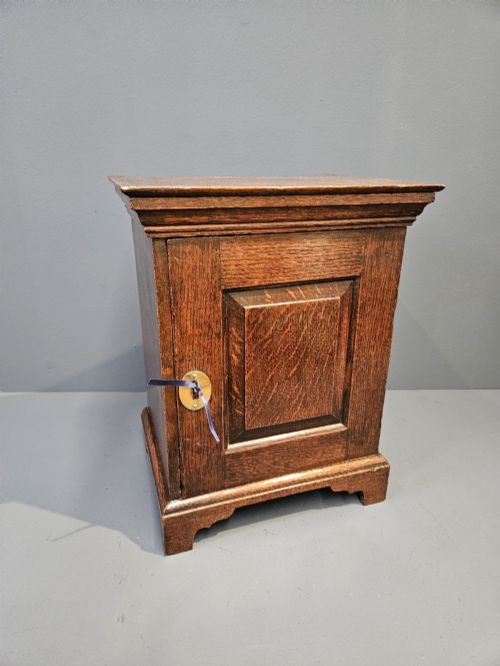
When you search for an antique wall storage cabinet, you encounter a selection of hanging cupboards, spice boxes, and corner units designed to mount directly to plaster or wood panelling. These pieces originate across the Georgian, Victorian, and Edwardian eras, utilising wall space efficiently in rooms where floor area is restricted.
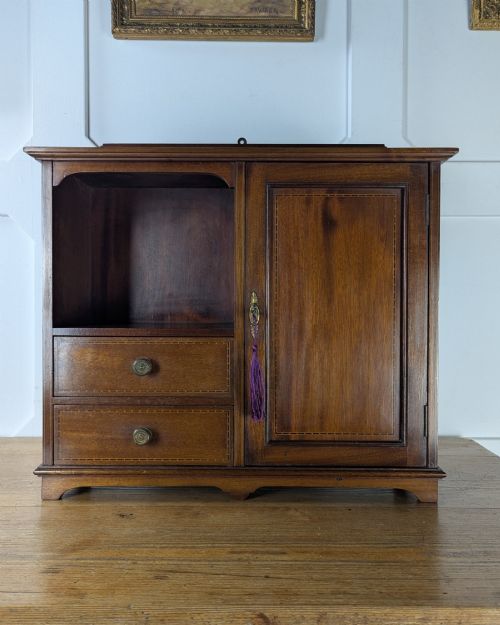
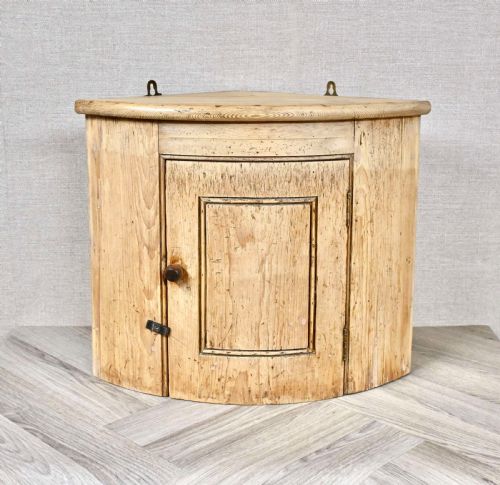
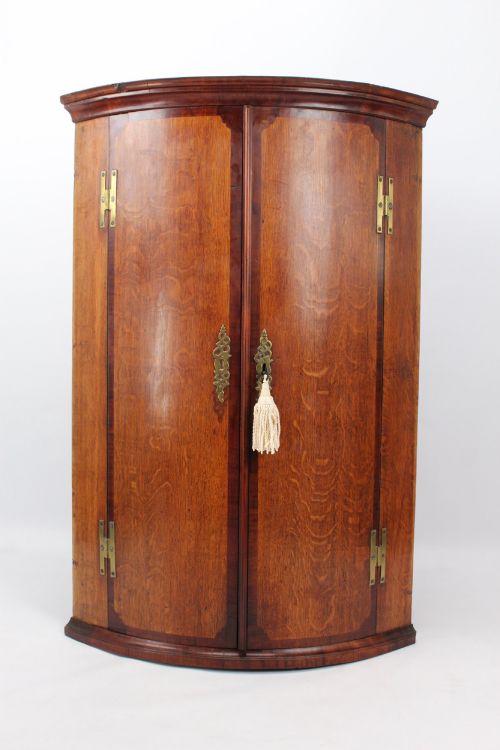
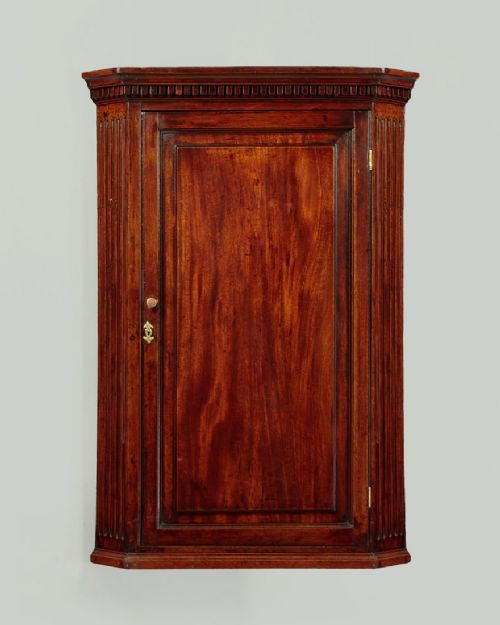
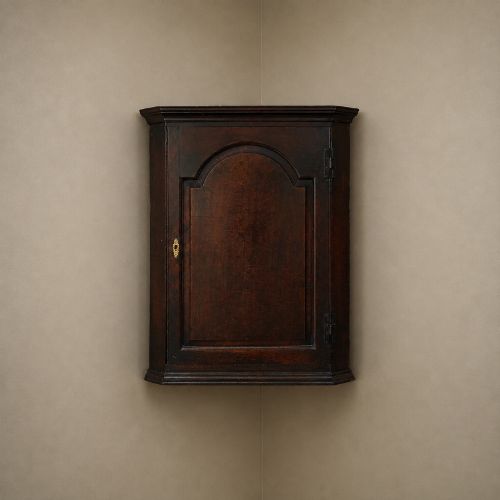
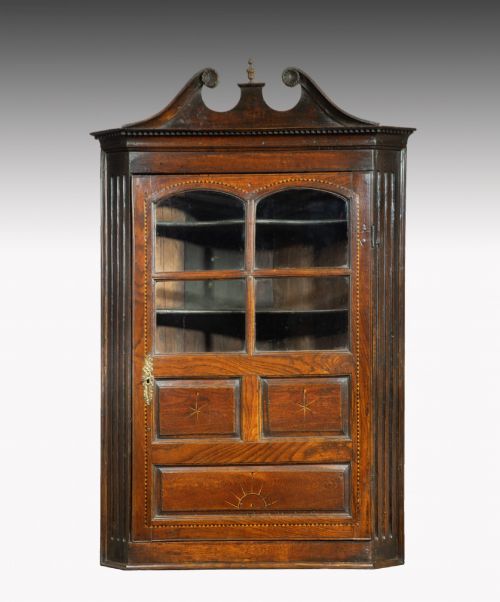
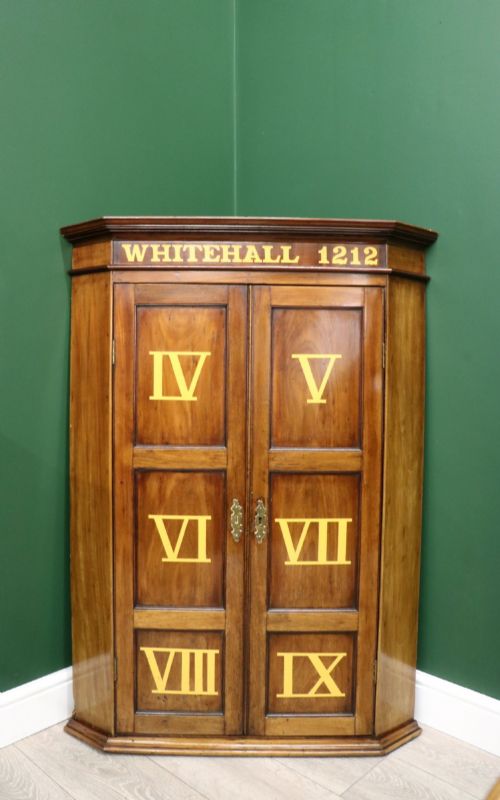
The versions most common on this page are corner cupboards and hanging cabinets constructed from native timbers such as oak, mahogany, and pine. Many follow Georgian or Victorian proportions, featuring single panelled doors, shaped interior shelves, and brass hardware.
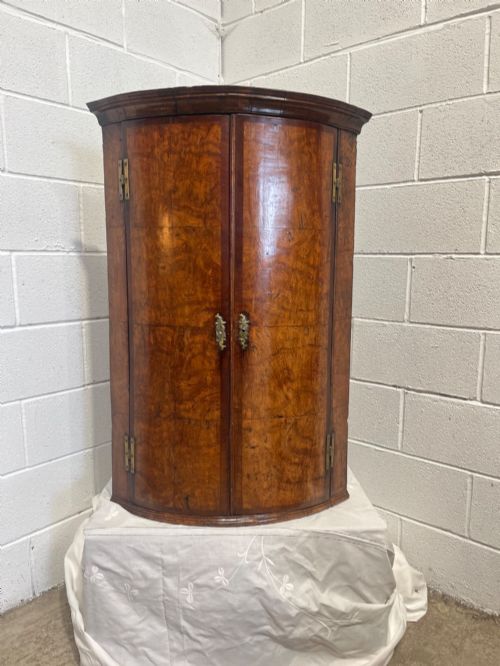
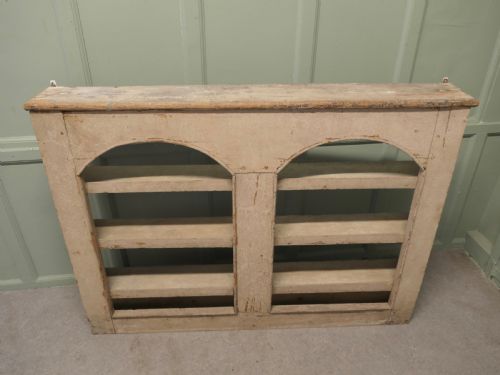
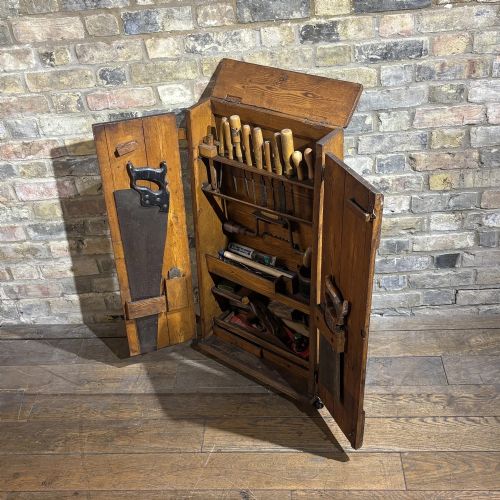
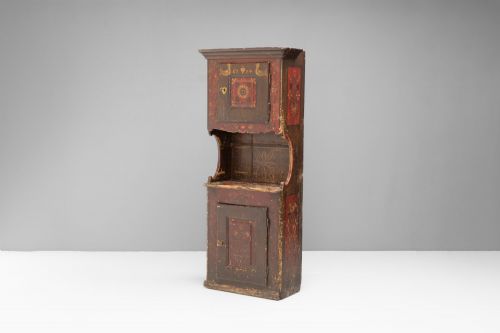
Makers designed these items for domestic or specialised storage, ranging from spice organisation in country kitchens to ticket and key keeping in commercial settings. The variety includes bow front profiles, glazed display doors, and painted provincial finishes from French and English workshops.
Materials and construction methods
Cabinet makers built these pieces using solid timbers like oak, mahogany, and walnut, often backed with secondary woods such as pine or deal. Joinery relied on traditional techniques including dovetailing for drawers and mortise and tenon frames for doors.
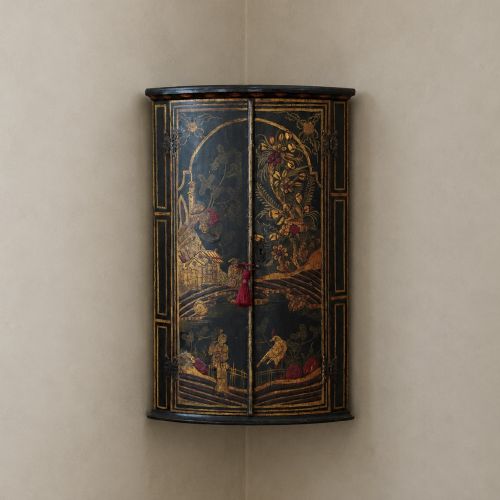
Surface treatments varied from polished mahogany and burr oak veneers to japanned Chinoiserie and original painted finishes. Brass hinges, escutcheons, and working locks provided both structural reinforcement and decorative contrast against the wood grain.
Current listings span the Georgian, Victorian, and Edwardian periods, featuring timbers such as oak, mahogany, walnut, and pine.
What separates the fine examples
Quality rests in the choice of timber and the crispness of the cabinetmaker's joinery, particularly where mouldings meet and doors hang true on their original brass hinges. Superior pieces display carefully selected grains, such as flame mahogany or burr oak, matched across the door panels.
The integrity of the interior reveals the standard of construction, showing dovetailed drawer construction, shaped wooden shelves, and untouched backboards rather than later replacements. Original surface patination and authentic period hardware elevate a piece far above utilitarian replacements.
The Antique Wall Storage Cabinet Glossary
- Bow front
- A convex curved cabinet front that projects outward from the corners, popular on Georgian and Victorian hanging cupboards.
- Spice cupboard
- A small wall-mounted box featuring a primary door enclosing multiple internal drawers, used historically for culinary ingredients.
- Corner cupboard
- A triangular cabinet specifically proportioned to mount into the 90-degree intersection of two interior walls.
- Japanned
- A European imitation of East Asian lacquer work, created by applying layered resin varnishes and often decorated with raised metallic motifs.
- Escutcheon
- A protective plate surrounding a keyhole, frequently cast from brass and shaped to complement the style of the cabinet door.
Antique Wall Storage Cabinet: Frequently Asked Questions
How do I hang a heavy antique wall cabinet safely?
Heavy cabinets require fixing directly into wall studs or masonry using appropriate screws and load-bearing brackets rather than relying on plaster alone.
Many period pieces feature original internal mounting battens or strap hinges designed to distribute the weight evenly across the structure.
Were all corner cupboards originally painted?
Most Georgian and Victorian cupboards were finished to show the natural grain of woods like oak or mahogany through clear wax and polish.
Painted finishes generally appear on provincial European pieces, country pine furniture, or items decorated with Chinoiserie japanning.
Can I use these cabinets in a modern bathroom?
Wall cabinets provide suitable storage for toiletries, provided the room experiences adequate ventilation to protect historic timber and glue joints.
Excessive humidity can cause older wood to expand and historical painted or polished surfaces to degrade over time.
How do I distinguish Georgian from Victorian pieces?
Georgian cabinets from the 18th century typically exhibit understated classical proportions, cockbeaded drawer edges, and fine mahogany or oak timber.
Victorian pieces from the 19th century often incorporate heavier mouldings, pitch pine, or eclectic stylistic revivals like Arts and Crafts.