

Antique Wall Miniature
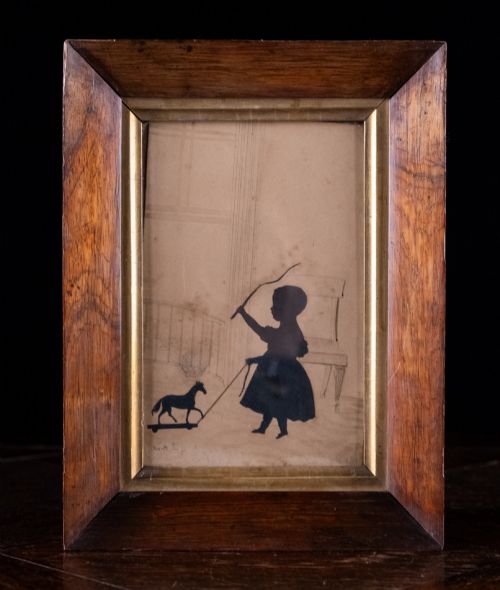
These antique wall miniatures unite intimate portraiture, delicate silhouettes and small horology within compact wall-hung formats from Georgian, Regency and Victorian periods.
Antique Wall Miniature
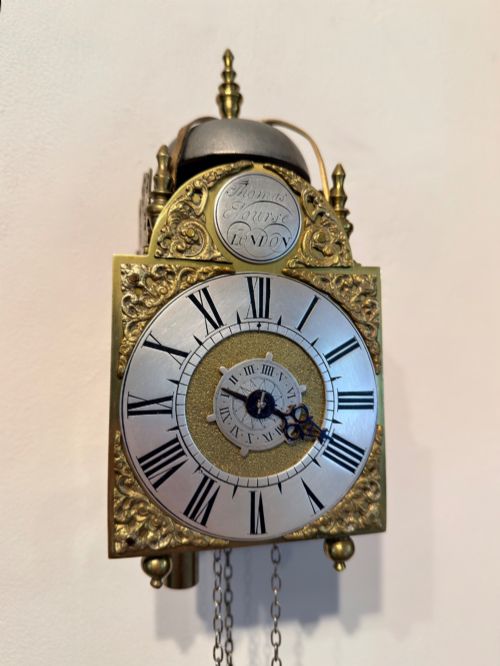
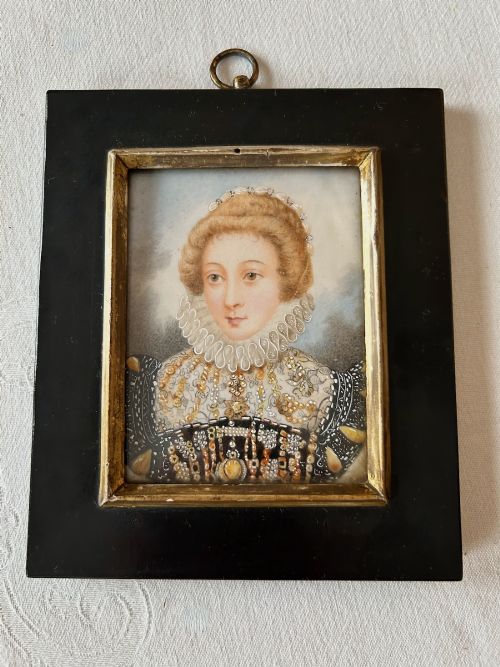
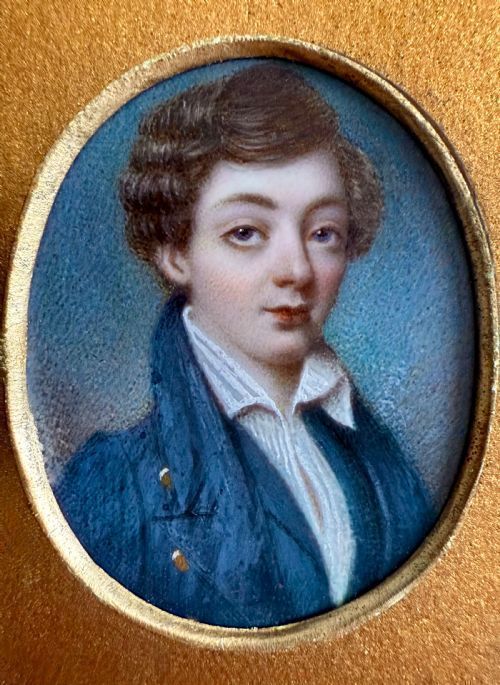
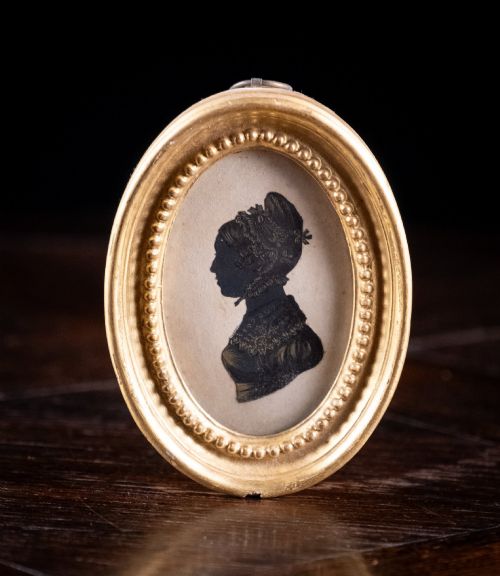
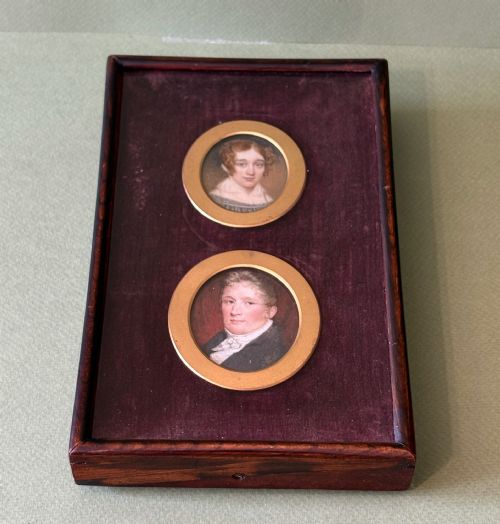
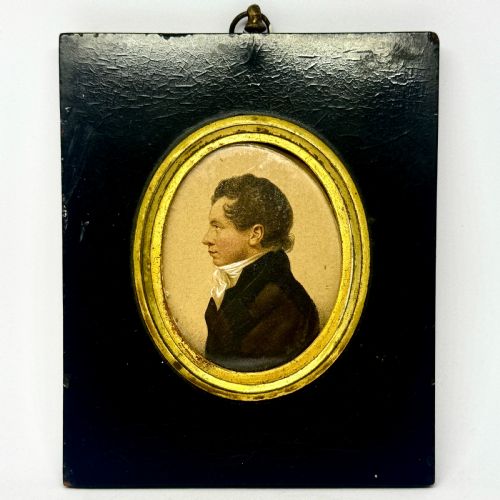
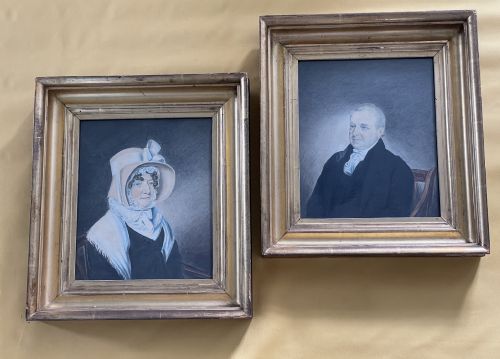
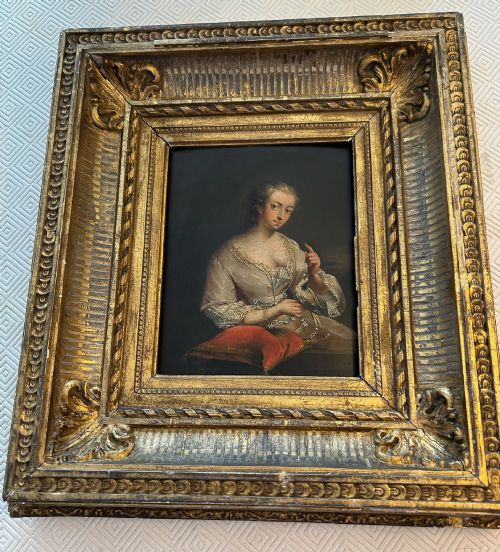
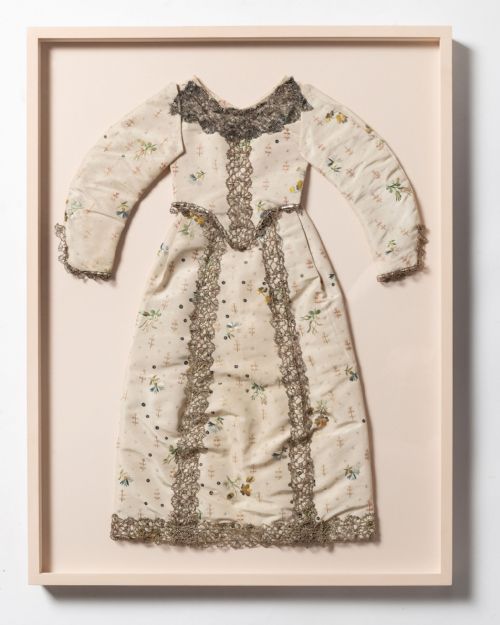
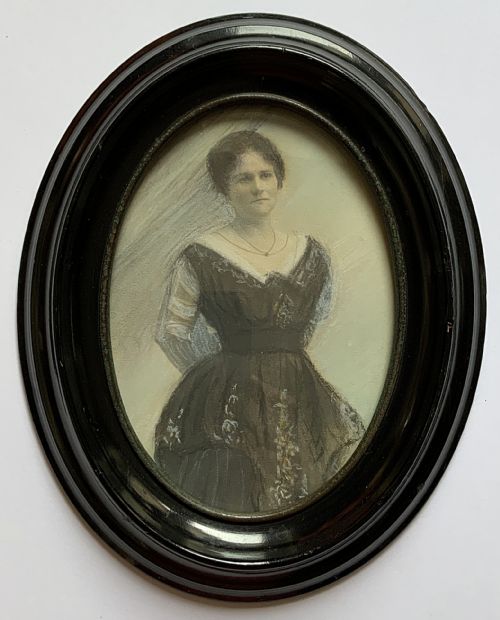
When you search for an antique wall miniature, you encounter small-scale artworks and precision horology designed specifically for hanging in restricted domestic spaces. Portrait miniatures on paper, ivory, card or porcelain form the core of what you see, alongside silhouette profiles and small wall clocks.
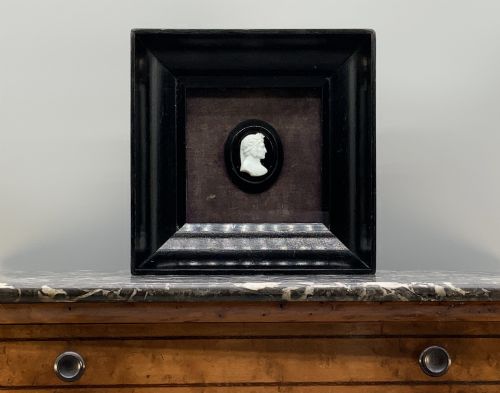
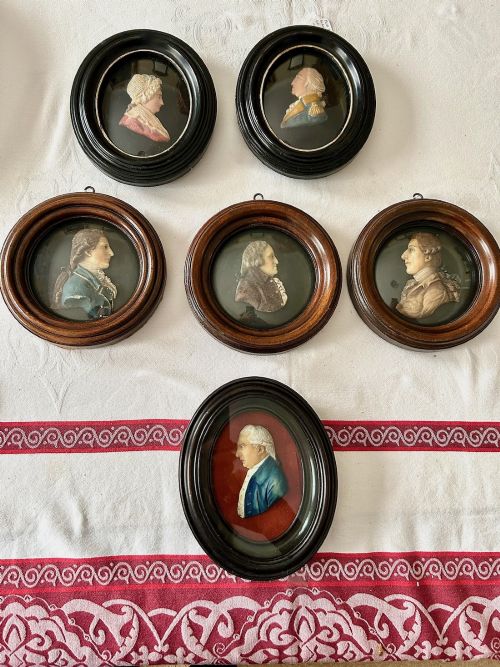
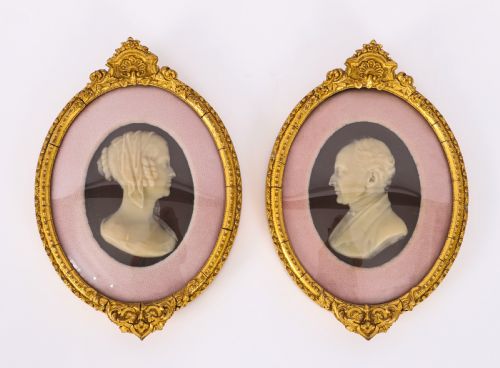
You are most likely to meet 19th century and Georgian examples on this page, framed in ebonised wood, brass or giltwood. These small pieces range from delicate wax relief portraits to framed watercolour paintings and porcelain plaques.
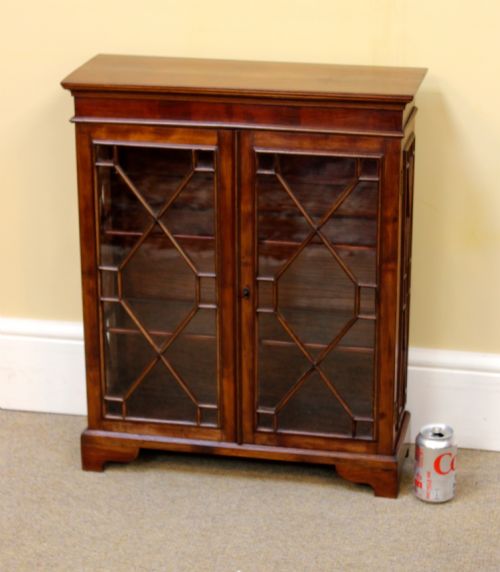
The selection extends to specialised domestic objects adapted for wall display, including small framed mirrors and mounted plaques. Each piece retains the intimate scale characteristic of miniature art produced across the eighteenth and nineteenth centuries.
How they were made
Makers utilised watercolour, gouache, plumbago, pastel and enamel applied to ivory, paper, card or porcelain substrates. These delicate media demanded exceptional steadiness of hand and fine brushwork to achieve detail on a reduced scale.
Frames and enclosures relied on traditional joinery and metalworking, employing mahogany, rosewood, ebonised wood, brass and carved giltwood. Glazing protected the fragile surfaces of paper and painted miniatures from dust and moisture.
Horological examples integrated brass gear trains and fusee movements housed within wooden cases built for wall suspension. Carved ivory and wax relief plaques utilised intricate moulding and sculpting techniques.
Several portraits record not just ancestors, but beloved family pets including dogs, immortalised in silhouette and paint.
What varies in quality
Quality rests primarily on the finesse of the handwork and the precision of the portraiture or mechanism. Skilled artists captured likeness and expression with remarkable economy of line, whereas lesser works remain stiff and unconvincing.
Materials and framing contribute significantly to overall standard. Original giltwood frames, undamaged convex glass and well-preserved ivory or enamel substrates distinguish finer examples from later replacements or heavily restored pieces.
The clarity of detail in painted miniatures or silhouette cuttings separates standard production from superior artistry. In clockwork pieces, the complexity of the fusee movement and the integrity of the original case determine the level of execution.
Henri Fradelle·Richard Cosway·Augustin Edouart·John Taylor·J Bizo
The Antique Wall Miniature Glossary
- Plumbago
- A drawing executed in graphite, taking its name from the Latin for lead ore. These monochromatic works display remarkable linear detail.
- Silhouette
- A portrait profile cut from black paper or painted in solid dark pigments against a light background. This technique gained popularity during the Georgian and Regency eras.
- Fusee
- A conical pulley used in clockwork to maintain equal force as the mainspring unwinds. It represents a hallmark of quality horology in small wall clocks.
- Giltwood
- Wood that has been coated with gold leaf or gold paint. It frequently frames Regency and Victorian miniature portraits and mirrors.
- Wax relief
- A sculptural portrait moulded in pigmented wax, often depicting dignitaries or family members in three dimensions. These delicate reliefs are typically housed behind protective glass.
Antique Wall Miniature: Frequently Asked Questions
What is an antique wall miniature?
An antique wall miniature is a small-scale artwork, clock or decorative plaque designed to be hung on a wall rather than placed on a table. These pieces encompass painted portraits, silhouettes, wax reliefs and compact timepieces.
Originating largely from the eighteenth and nineteenth centuries, they provide an intimate glimpse into historical portraiture and domestic decoration on a reduced scale.
How were portrait miniatures displayed?
Portrait miniatures were frequently framed in dedicated wooden or metal surrounds featuring hanging loops or rings for wall placement. Materials such as ebonised wood, brass and giltwood provided secure housing.
Some smaller pieces were designed to be portable but found permanent wall placement in parlours and private chambers as collections grew during the Victorian period.
What materials are common in these pieces?
Common materials include watercolour, gouache and plumbago on paper or ivory, alongside porcelain plaques and wax reliefs. Frames frequently utilise mahogany, rosewood, brass and giltwood.
Horological examples combine brass movements with wooden cases, while silhouettes rely on cut paper mounted against contrasting backdrops.
How do I identify a Georgian miniature?
Georgian miniatures often feature specific clothing styles, hairstyles and framing conventions characteristic of the eighteenth and early nineteenth centuries. Plumbago drawings and delicate watercolour portraits on ivory frequently date to this era.
Examination of the backing materials, glass type and framing construction helps determine whether a piece originates from the Georgian period or later Victorian revivals.
Were wall miniature clocks accurate?
Miniature wall clocks, particularly those featuring fusee movements, were engineered for reliable timekeeping in domestic settings. The fusee mechanism ensured consistent power delivery from the spring as it ran down.
Master clockmakers applied precise gear-cutting techniques to achieve dependable performance within highly restricted case dimensions.