


Antique Wall Art Engraving
Antique wall art engraving brings centuries of detailed printed imagery into modern rooms, offering collectors framed portraits, botanical studies and historic scenes.
Antique Wall Art Engraving
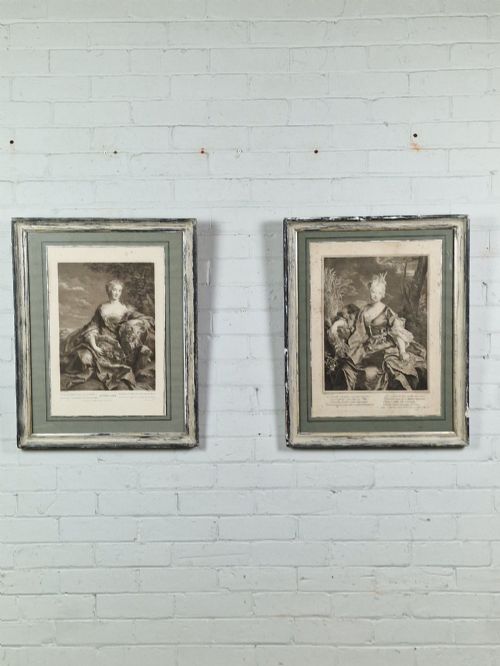
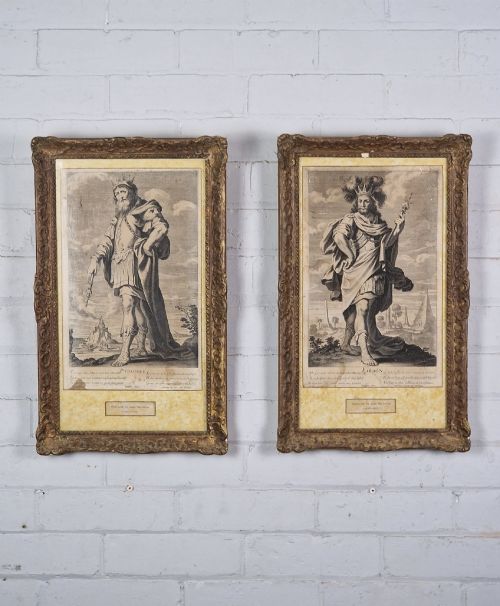
When searching for antique wall art engraving, buyers encounter works spanning from the seventeenth century through to the twentieth century, with a heavy concentration of eighteenth-century portraiture and classical subjects.
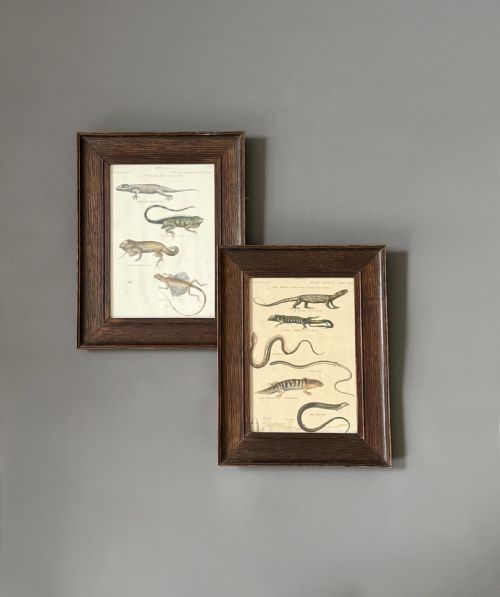
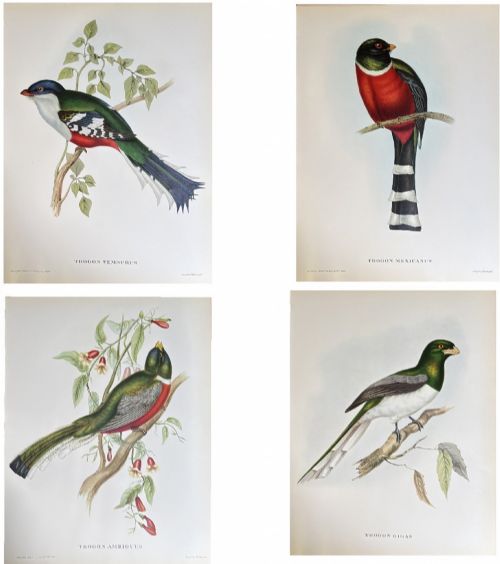
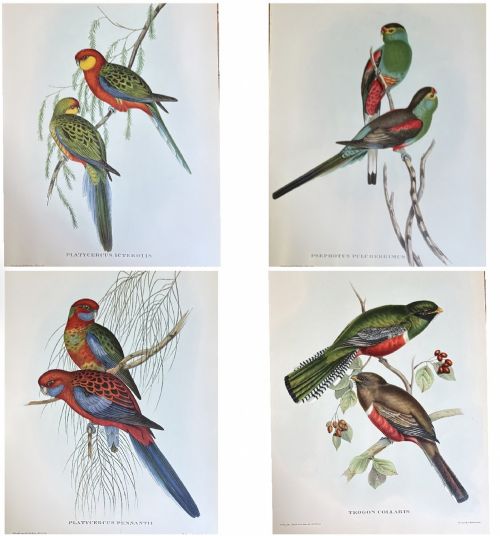
The material forms vary from unframed bird prints and tropical bird studies to large oak-framed decorative plates, architectural Corinthian orders, and anatomical charts.
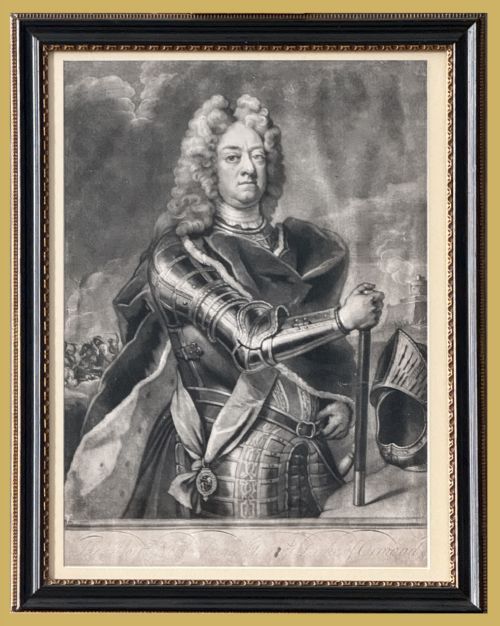
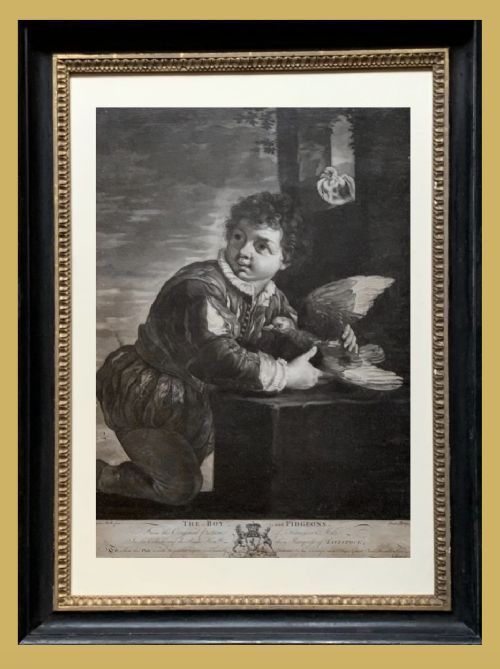
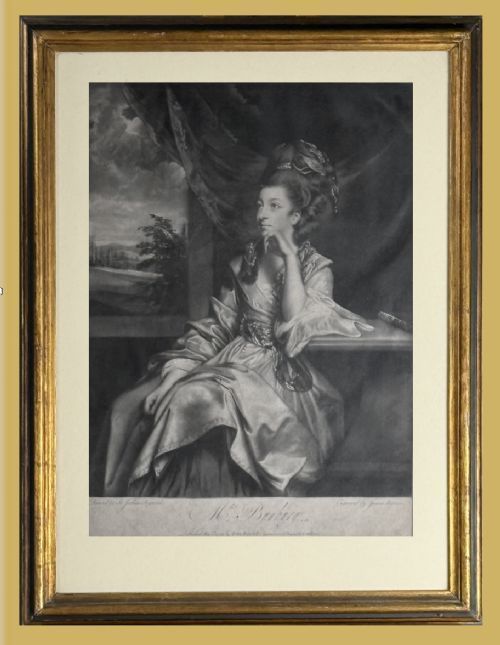
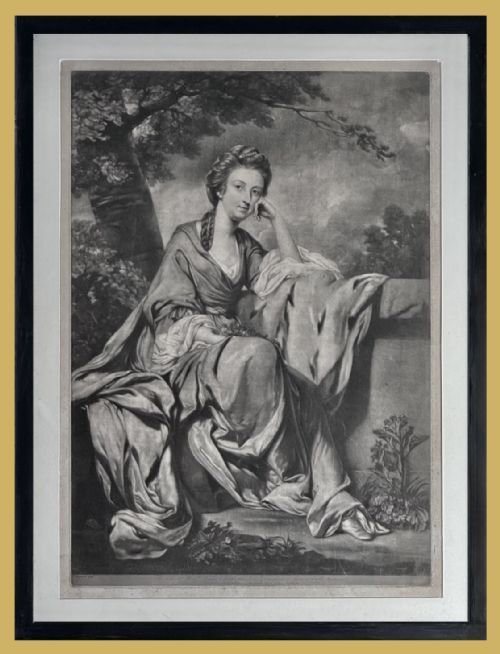
Subjects range widely from grand mezzotint portraits of nobility and political figures by noted printmakers after prominent painters to topographical views of Paris, Dutch cartography maps, and mythological scenes.
Materials and Print Techniques
The physical foundation of these pieces relies heavily on paper sheets marked by ink through specialised printmaking methods such as line engraving, stipple engraving, lithography, drypoint, and mezzotint.
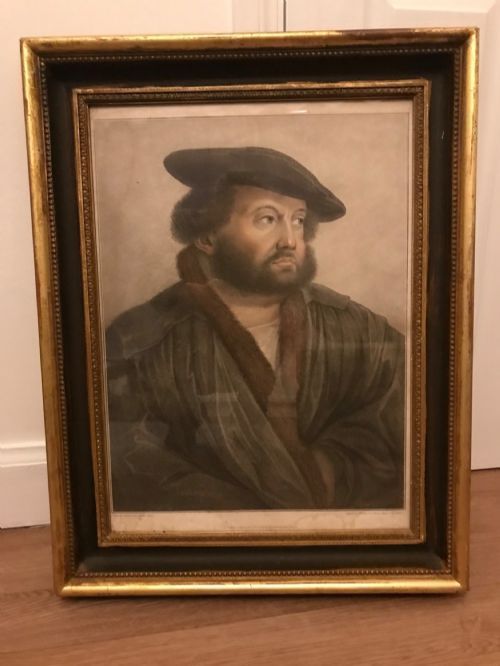
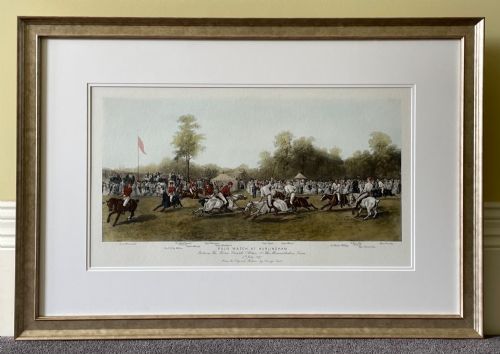
Many examples incorporate original hand colouring applied directly to the printed surface, bringing vibrant tones to botanical subjects like pigeons and tropical birds.
Frames utilise period woods such as oak and gilt wood, occasionally incorporating glass protection including reverse glass coloured mezzotint techniques.
Listings feature paper, oak, glass, ink, and gold leaf applied across eighteenth and nineteenth-century print forms.
Assessing Visual and Material Excellence
Quality rests significantly on the crispness of the impression left by the plate and the depth of the ink on the paper sheet, which diminishes as plates see extensive printing usage.
The presence of original hand colouring executed with precision rather than later washes distinguishes finer decorative plates and natural history prints.
Enclosure within period frames utilising appropriate woods such as oak or gilt moulding elevates the historical integrity of the finished wall art piece.
John Simon·John Boydell·James Watson·Edward Fisher·Francesco Bartolozzi·John Smith·Valentine Green·Thomas Frye
The Antique Wall Art Engraving Glossary
- Mezzotint
- A printmaking process of the intaglio family where the plate is roughened uniformly to produce dark tones and scraped to create highlights. This technique allowed for subtle gradations of light and shade, making it popular for royal and aristocratic portraiture.
- Stipple engraving
- A method of producing prints by means of dots rather than continuous lines, created using specialised handheld tools and etching acids. It produces soft, painterly effects often utilised for classical subjects and portraits.
- Drypoint
- A printmaking technique in which an image is scratched directly onto a metal plate with a hard, sharp steel needle. The resulting ridge of metal creates a velvety line when inked and printed.
- Cartography
- The study and practice of making maps, represented here through antique engraved maps framed as decorative wall art. These pieces combine geographical data with elaborate decorative borders and cartouches.
Antique Wall Art Engraving: Frequently Asked Questions
How should I hang antique engravings?
Protect antique paper prints by keeping them away from direct sunlight and high humidity, which can damage both the ink and the paper fibres.
Secure them using stable wall fixings suited to the weight of period wooden or gilt frames.
What subjects are most common?
Portraits of historical figures, nobility, and military commanders dominate the seventeenth and eighteenth-century output, often executed in mezzotint.
Natural history subjects, botanical studies, architectural plates, and maps also appear frequently across different centuries.
Are these pieces framed in period wood?
Many listings feature period framing utilising materials like oak and gilt wood that complement the age of the print.
Some examples remain unframed or arrive in later decorative frames chosen to suit modern interiors.
How do I identify a stipple engraving?
Look closely at the surface for a fine pattern of dots rather than solid lines or cross-hatching.
This technique produces softer tonal transitions, particularly visible in eighteenth-century portraiture and mythological scenes.