
Antique Walking Stick Handle
An antique walking stick handle brings sculptural detail and personal character to gentlemanly supports from the Victorian and Edwardian eras.
Antique Walking Stick Handle
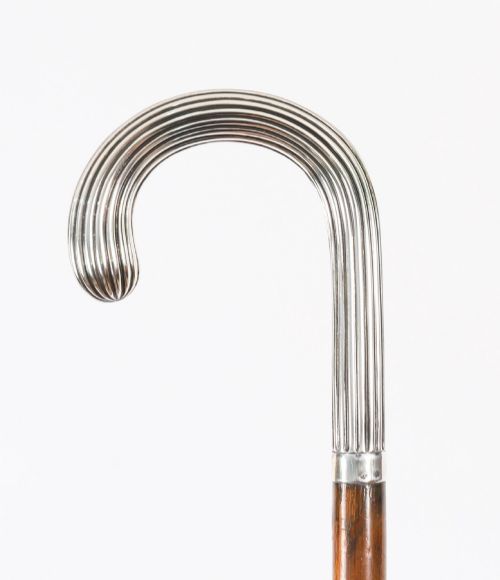
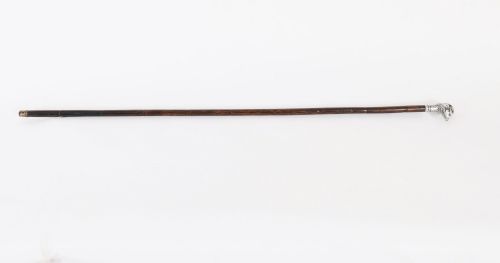
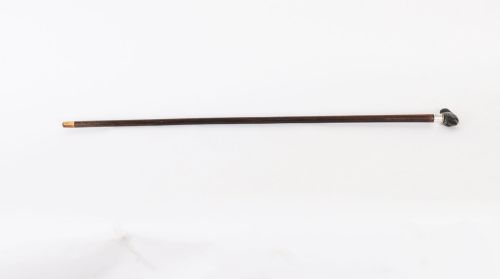
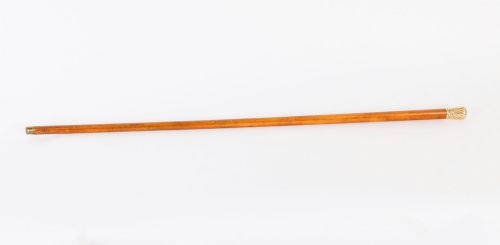
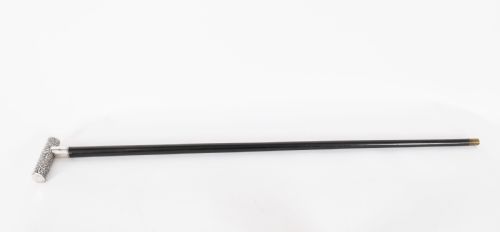
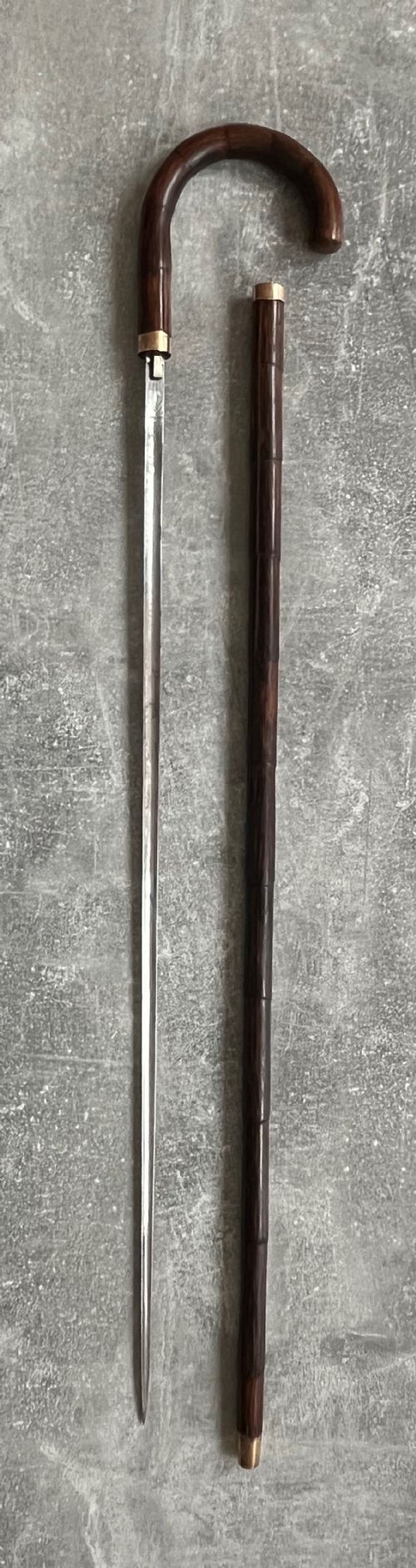
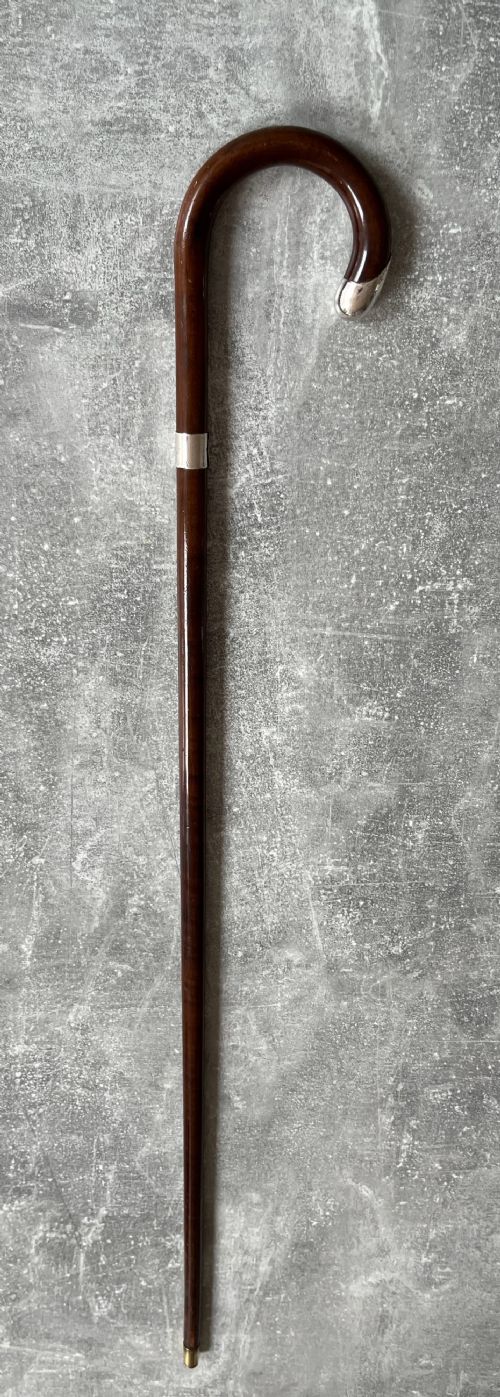
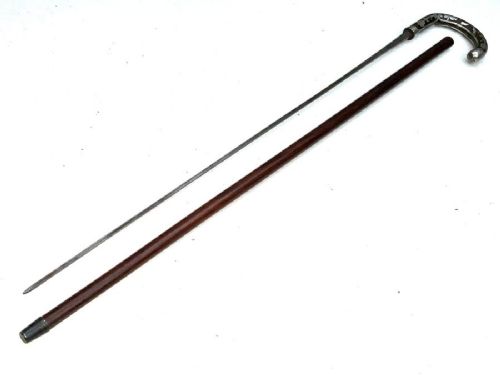
Buyers examining an antique walking stick handle encounter finely worked grips fashioned from silver, gold, porcelain, horn and hardwood across the nineteenth and early twentieth centuries. These pieces originate primarily from British, French, Chinese Export and Continental workshops during periods spanning the Victorian, Edwardian and Art Deco movements. Common forms include animal heads, sculpted figures, smooth pommels and parasol or umbrella mounts designed to top full-length canes and sword sticks.
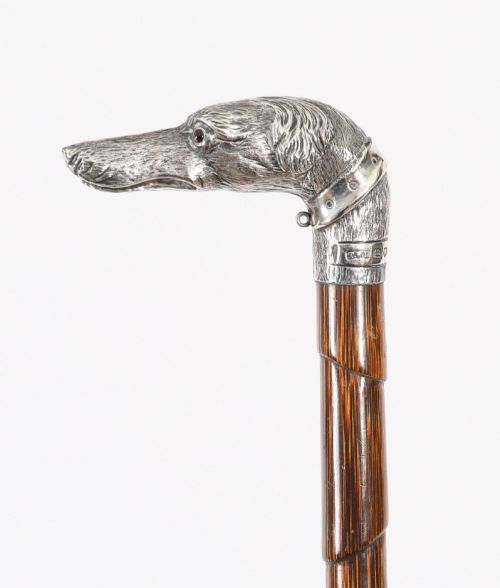
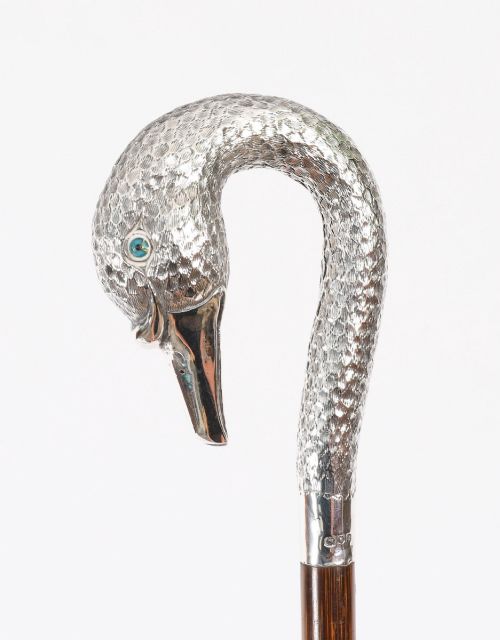
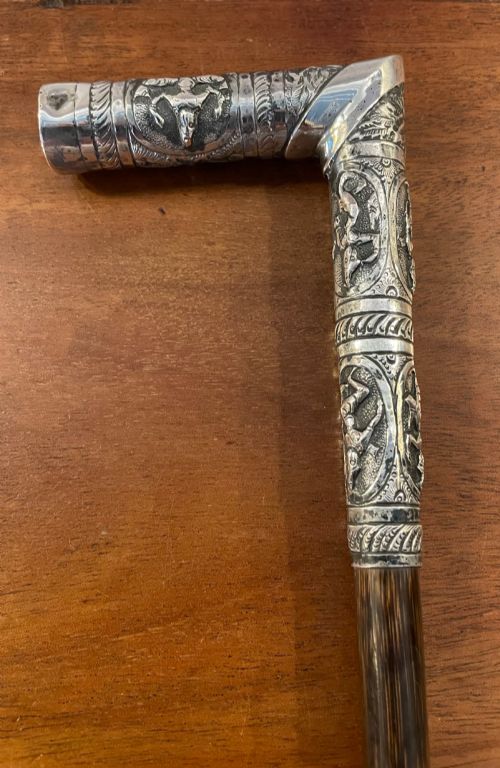
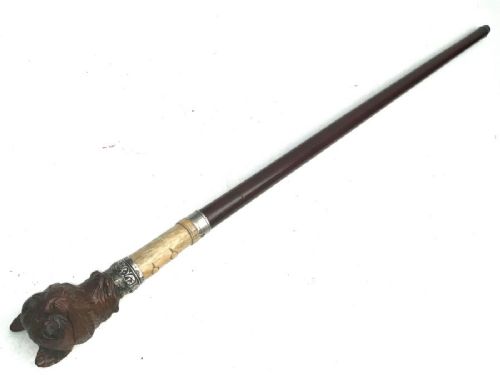
Animal motifs dominate the selection, featuring silver greyhounds, ducks, swans and bulldogs alongside novelty parrot and rabbit designs. Carved stag horn and root-ended wooden grips offer rustic textures, while Chinese export silver pieces display intricate dragon and prunus blossom relief work. French examples frequently incorporate Sevres porcelain or Art Nouveau silver plating, reflecting the decorative tastes of the era.
Materials and construction techniques
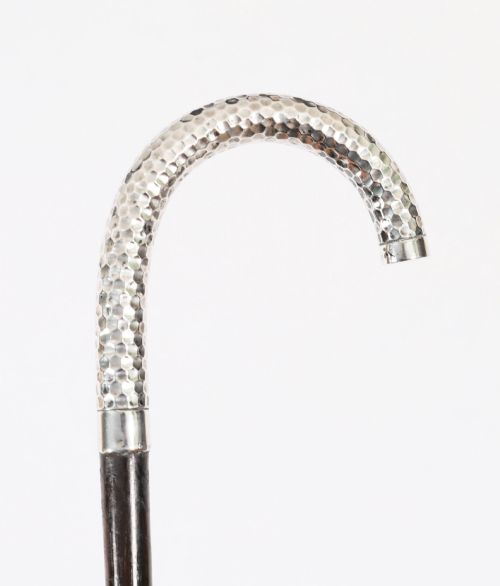
Silversmiths and goldsmiths shaped precious metals using casting, repousse and engraving techniques to create dimensional animal heads and inscribed pommels. Many handles feature solid silver or gold collars securing the grip to shafts made of partridge wood, ebonised wood, malacca or hazel.
Several handles take the form of silver greyhounds, ducks and even a reclining nude woman, proving that Victorians brought a distinct sense of theatre to their daily strolls.
Distinctions in craftsmanship and design
Quality rests in the sculptural depth of the carving and the precision of the metalwork, where crisp feather details on duck heads or distinct facial expressions on animal pommels separate standard production from master craftsmanship. Maker attribution also influences standing, with pieces bearing marks from established makers such as Brigg commanding particular interest.
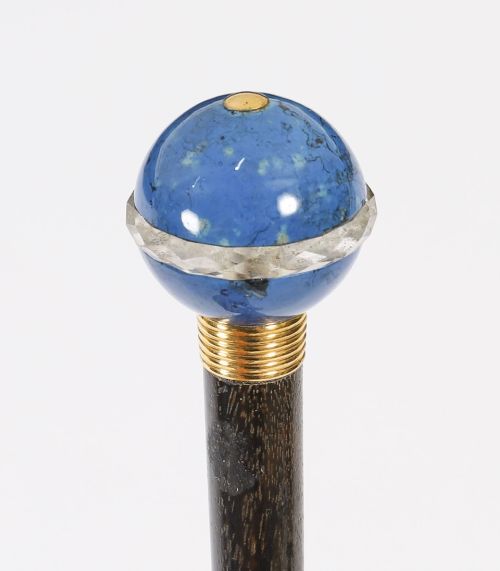
The integrity of the materials, from heavy gauge sterling silver to well-figured lapis lazuli and deeply toned stag horn, defines the upper tier of the range. Finer handles integrate concealed mechanisms or intricate engraving cleanly into the overall silhouette without compromising the balance of the cane.
Briggs·Brigg·Brigg's·Ben Cox of London
The Antique Walking Stick Handle Glossary
- Pommel
- A rounded or decorative knob forming the top of the handle grip. It provides a comfortable palm rest for the user.
- Sword stick
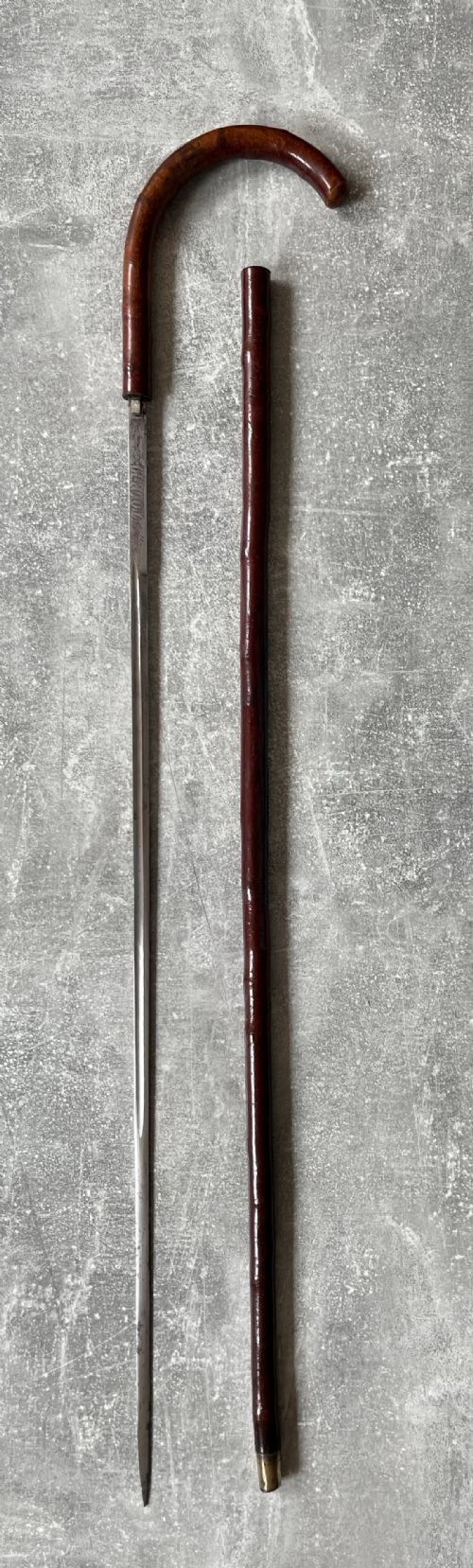
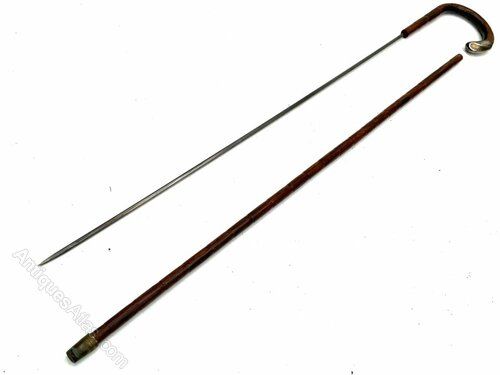
- A concealed blade housed within the wooden shaft of the walking cane. It is typically accessed via a button release mechanism.
- Repousse
- A metalworking technique where the artisan hammers the design from the reverse side to create raised relief. This method was widely used for detailed silver animal heads.
- Stag horn
- Antler material carved into handles for walking sticks and parasols. It offers a dense, textured surface suited to organic designs.
Antique Walking Stick Handle: Frequently Asked Questions
What materials were used for these handles?
These handles utilise sterling silver, gold pommels, brass, carved stag horn, lapis lazuli and Sevres porcelain. Many incorporate wooden components such as partridge wood, malacca and ebonised wood.
Precious metals frequently feature hallmarks or maker stamps denoting origin, while natural materials display distinct grain and patina developed over time.
How do I identify the period of a handle?
Dating relies on assay office hallmarks, maker marks, and stylistic indicators associated with the Victorian, Edwardian and Art Deco eras. Silver pieces often carry date letters corresponding to specific years of manufacture in London or other cities.
Stylistic shifts, such as the flowing organic lines of Art Nouveau or the geometric precision of Art Deco, further help narrow the decade of production.
How should I care for an antique handle?
Maintenance requires gentle cleaning appropriate to the specific material, avoiding harsh chemical polishes on delicate silver plate or antique porcelain. Wooden shafts and horn grips benefit from occasional conditioning to prevent drying.
Displaying the sticks away from direct sunlight and extreme humidity preserves the integrity of both the handle and the mounting collars.