


Antique Umbrella Handle
An antique umbrella handle turns a practical accessory into a pocket-sized sculpture, combining tactile materials with meticulous metalwork.
Antique Umbrella Handle
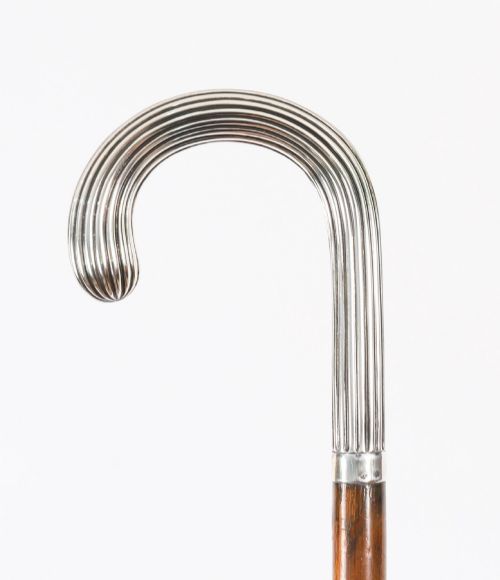
When you search for an antique umbrella handle, you are looking at small decorative grips designed for parasols and walking sticks, often salvaged from complete vintage umbrellas. The pieces on this page span the nineteenth century and the Edwardian era, reflecting a time when personal accessories received serious artistic attention.
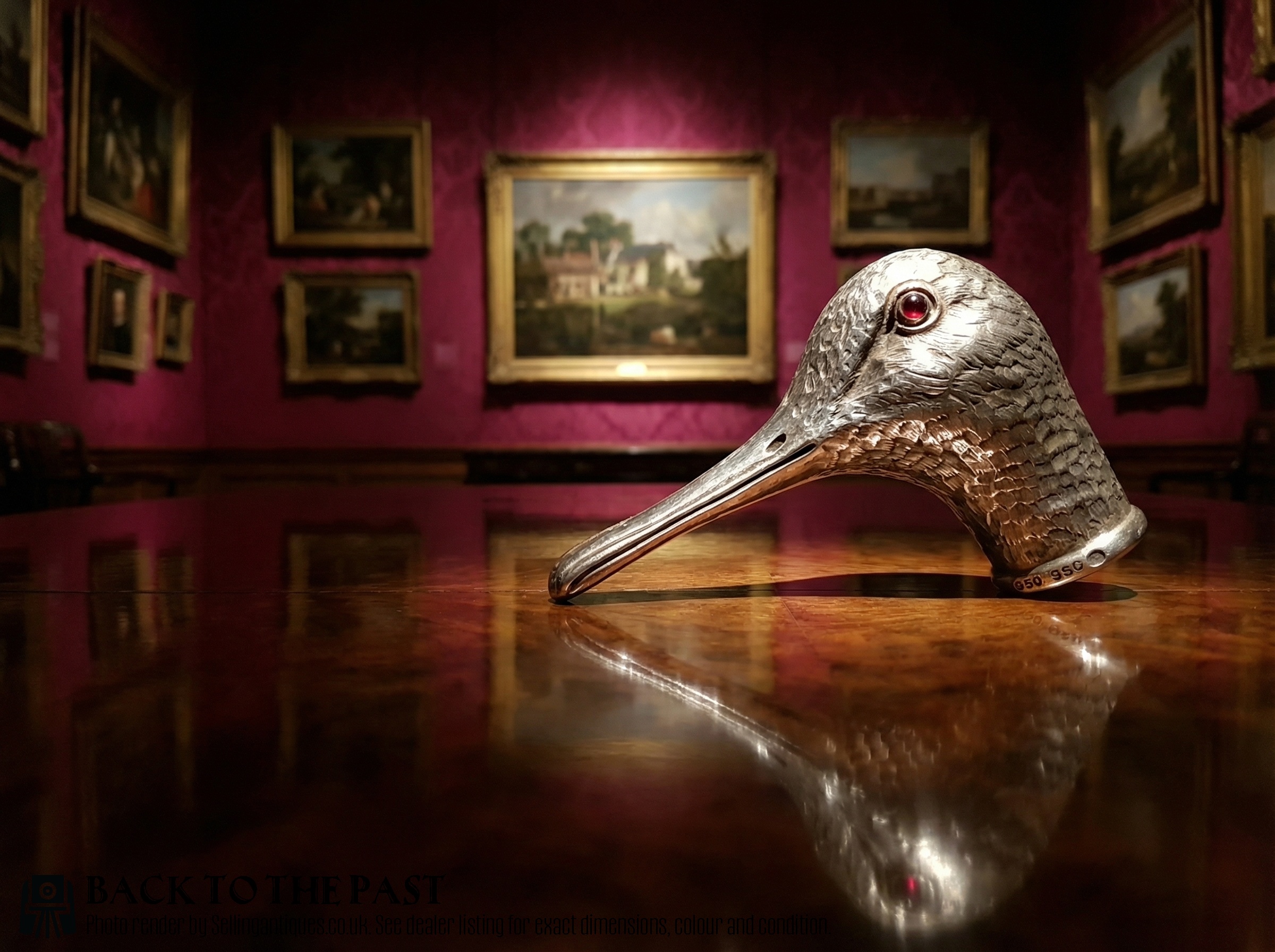
You will encounter materials ranging from chased silver and stag horn to carved cherrywood and rock crystal mounted with gold. These items capture the decorative tastes of Victorian and Edwardian makers, alongside occasional items from Japanese Meiji workshops and Chinese export silversmiths.
Materials and construction methods
Silversmiths shaped metal using techniques such as repoussé and chasing, sometimes adding guilloché enamel and rock crystal to create luxurious decorative terminals. Carvers worked organic materials like stag horn and cherrywood by hand, producing tactile forms designed to fit comfortably in the palm.
Makers integrated brass and copper elements securely into the wooden shafts or mounts, utilising traditional joining methods suited to daily use. Metal components often bear hallmarks or maker's marks that record the year and place of assay.
One particularly spirited handle is shaped like a cat, carved from rock crystal and embellished with 18k gold and guilloché enamel.
Assessing craftsmanship and finish
Quality rests in the depth of the carving and the crispness of the metalwork, where finer pieces display precise detail and careful finishing by skilled hands. The choice of materials also divides the range, distinguishing simple turned wood from complex assemblies of rock crystal, gold, and enamel.
The integrity of the mount and the preservation of original surface patination determine how well an item has survived over the centuries. Finer examples retain their structural connections and decorative clarity without excessive wear.
The Antique Umbrella Handle Glossary
- Guilloché
- A decorative technique where a precise, intricate pattern is mechanically engraved into a metal surface. It frequently serves as a colourful base beneath translucent enamel.
- Repoussé
- A method of shaping metal by hammering it from the reverse side to create a raised design in relief. Artisans then refine the details from the front using chasing tools.
- Stag horn
- The shed antler of a stag, used widely for carved handles due to its dense texture and rich grain. Carvers utilised its natural contours to shape comfortable grips.
Antique Umbrella Handle: Frequently Asked Questions
What is an antique umbrella handle?
An antique umbrella handle is the decorative terminal grip removed or preserved from a vintage parasol or walking stick. These items were fashioned from materials like silver, horn, wood, and rock crystal.
They represent historical accessory design, showing the craftsmanship applied to everyday objects during the Victorian and Edwardian periods.
How were these handles used?
They served as the handgrip for walking canes, sunshades, and rain umbrellas used by fashionable people. Owners held them during daily promenades as both a support aid and a status symbol.
Many were interchangeable or designed to be transferred to new shafts as fashions changed.
How do I date a handle?
Dating relies on identifying silver hallmarks, maker stamps, stylistic traits, and the specific materials popular in particular decades. Victorian and Edwardian examples often feature distinct decorative motifs.
Comparing the manufacturing technique with documented pieces from the same era helps narrow down the origin.
Can these handles still be mounted?
Many handles can be fitted to new wooden shafts or displayed as cabinet specimens depending on their mounting stub. Collectors often display them on custom stands to appreciate the carving and metalwork.
Consulting a specialist helps determine the best method for securing or exhibiting individual pieces safely.