


Novelty Silver Handle
A novelty silver handle brings humour and wit to functional objects, turning walking sticks, bookmarks and tableware into sculptural conversation pieces.
Novelty Silver Handle
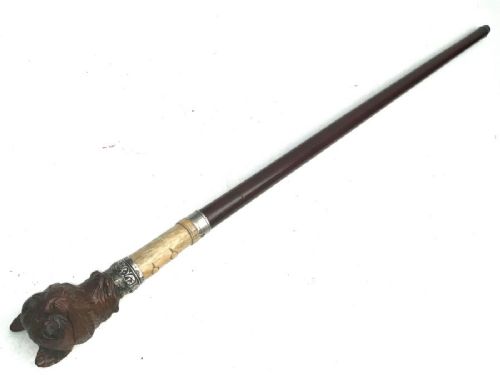
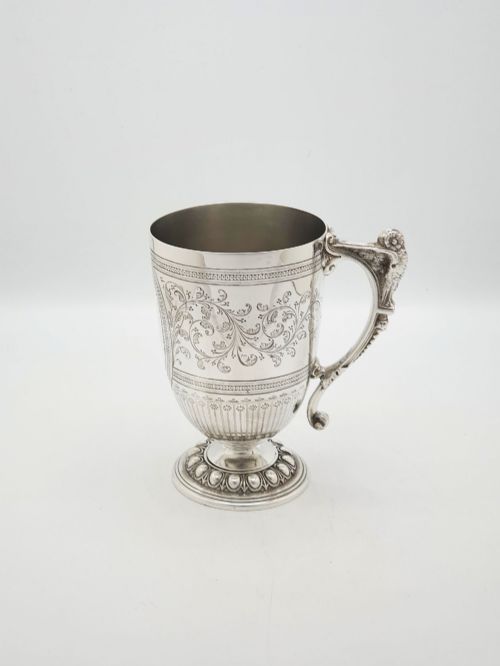
When you search for novelty silver handle, you encounter a diverse group of functional items transformed by imaginative metalwork. The selection spans the nineteenth century, the Edwardian era, and the art deco period, capturing an era's penchant for playful design.
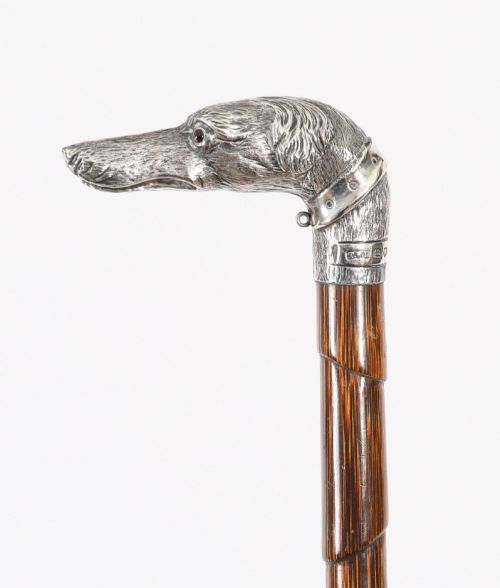
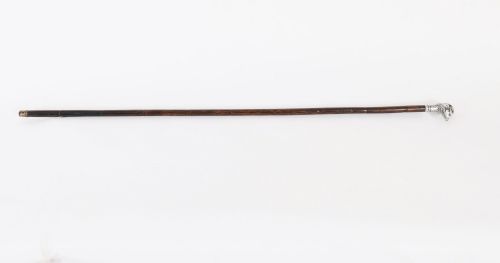
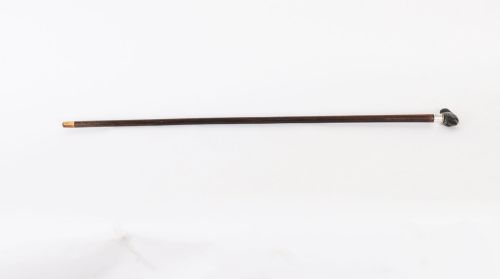
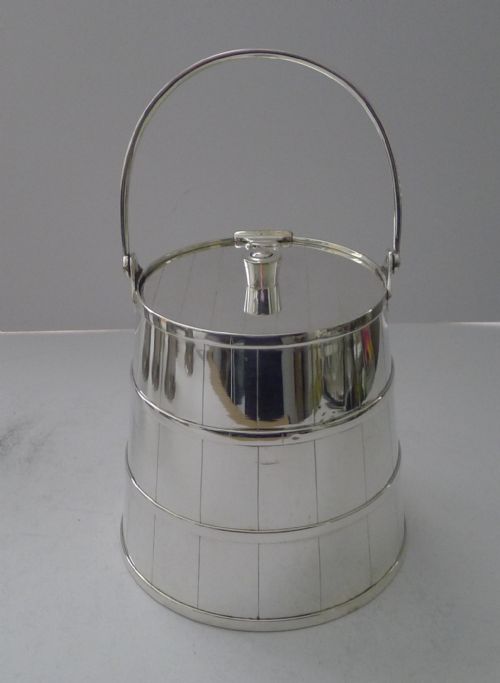
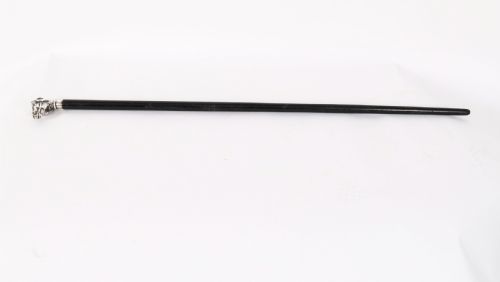
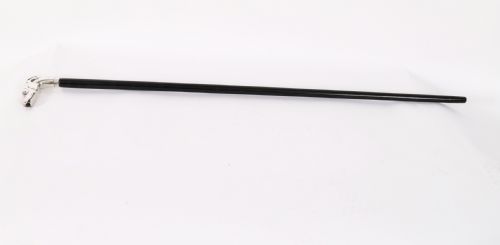
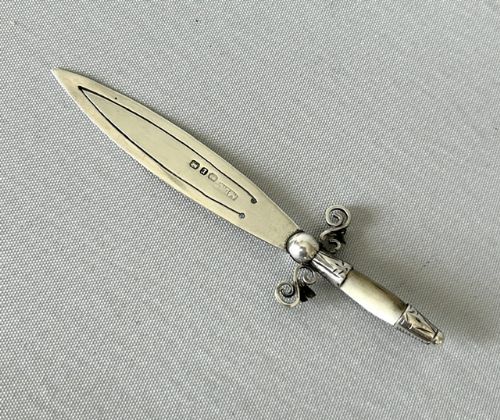
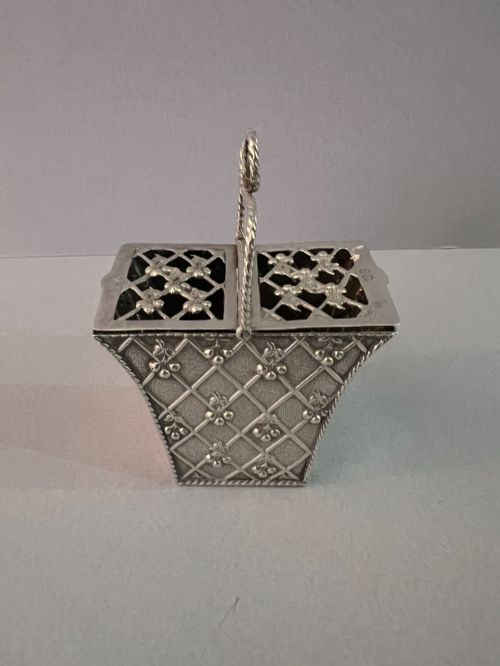
Walking sticks and canes dominate the offerings, featuring grips shaped as greyhounds, ducks, parrots, horses and rabbits. Beyond canes, the category includes silver-plated biscuit barrels, table lighters shaped like oil lamps, bookmarks and miniature warming pans.
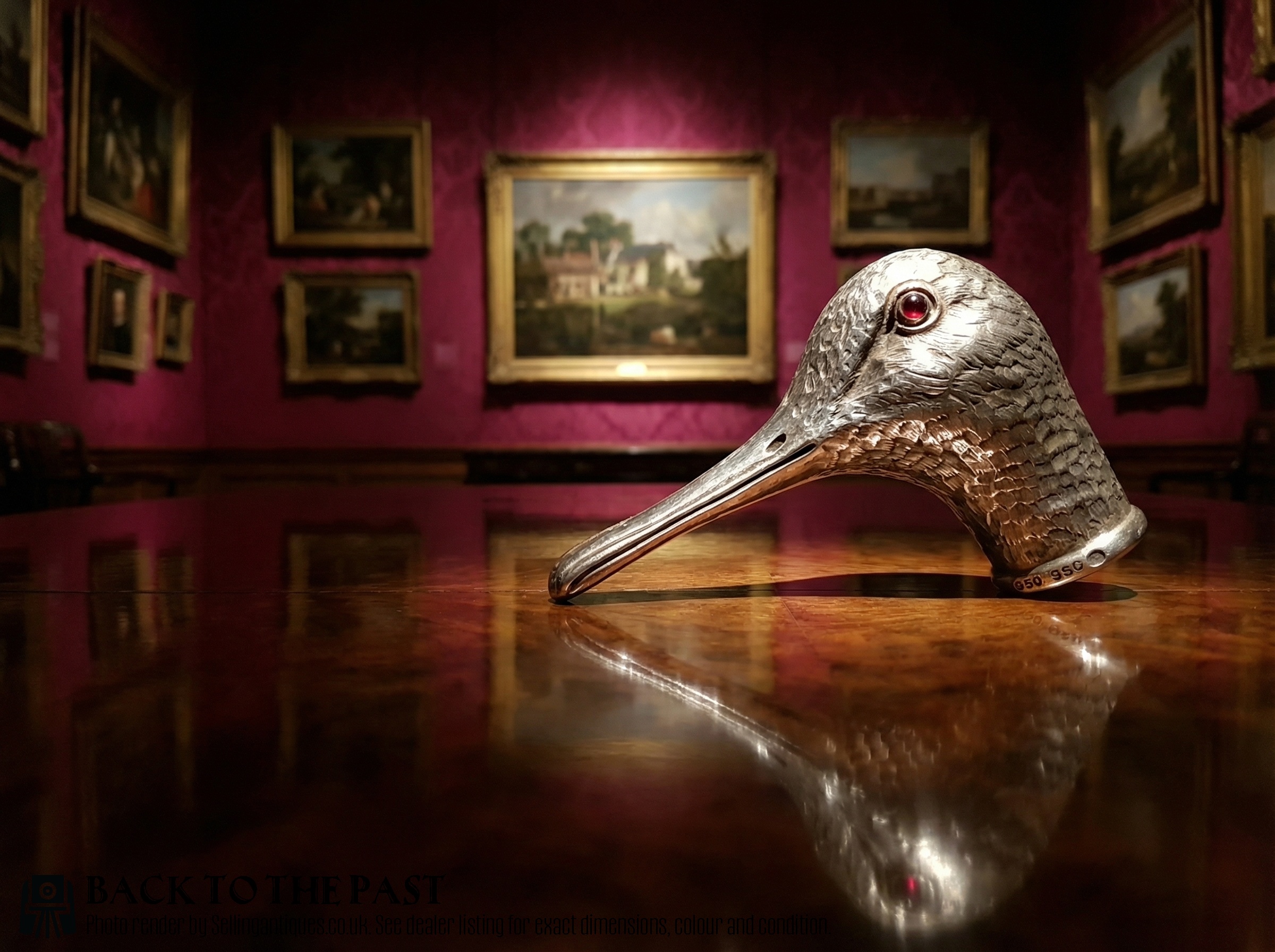
Animal forms predominate among these figural pieces, ranging from domestic pets to wildlife. Collectors also find sporting motifs, such as golf clubs and equestrian gear, integrated into the handles and grips of daily accessories.
How they were made
Silversmiths utilised solid sterling silver and silver plate over base metals, combining these with supporting materials like hardwood, ebonised wood, horn, bone and mother-of-pearl. Walking canes frequently pair a moulded metal grip with a sturdy wooden shaft.
Victorian gentlemen could lean on a silver rabbit while discreetly extracting a hidden corkscrew from their walking stick.
What varies in quality
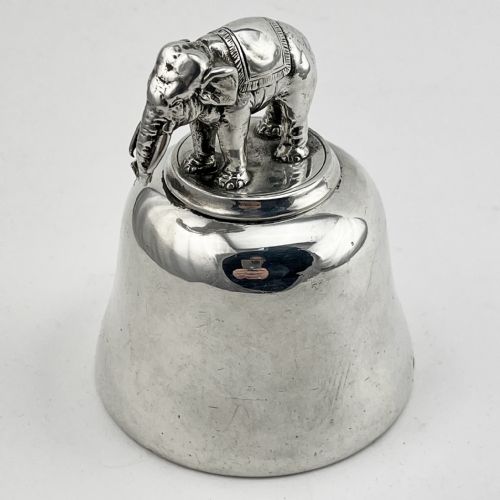
The integration between the silver handle and its shaft or body determines structural integrity. Superior pieces demonstrate secure joints and balanced weight distribution, particularly in walking sticks and heavy tabletop items like bells and lighters.
Sampson Mordan Co·William Padley·The Atkins Brothers
The Novelty Silver Handle Glossary
- Sterling silver
- A silver alloy containing 92.5 percent pure silver and 7.5 percent other metals, usually copper, chosen for durability.
- Silver plate
- A thin layer of silver applied to a base metal core, such as copper or brass, common in larger serving pieces.
- Gadget cane
- A walking stick with a hidden function, incorporating items like a sword, flask, snuff box or corkscrew within the handle.
- Chasing
- A metalsmithing technique where a hammer and punches displace metal from the front to create a raised, detailed design.
- Assay mark
- A stamp or group of stamps indicating the purity of the metal, the assay office, and the year of manufacture.
Novelty Silver Handle: Frequently Asked Questions
What items feature novelty silver handles?
Walking sticks and canes form the largest portion of these items, showing carved animal and sporting heads. Other domestic objects like bookmarks, table lighters, biscuit barrels and miniature warming pans also incorporate figural silver grips.
Craftsmen applied this sculptural approach to everyday accessories to inject personality into functional items. Animal figures and novelty shapes dominate the category.
How were gadget canes used?
Gadget canes served as walking aids while concealing practical tools inside the shaft or handle. Owners could access hidden swords, corkscrews, snuff boxes or flasks during daily outings.
These pieces combined urban fashion with utility, offering discreet storage for personal items. The silver handle often doubled as the release mechanism or the lid for the concealed compartment.
How do I identify the period of a piece?
Hallmarks stamped on the silver provide the most reliable dating evidence, showing assay office symbols and date letters. Stylistic clues, such as the geometric lines of art deco or the ornate realism of Victorian design, offer further temporal context.
Comparing the materials, such as ebonised wood or mother-of-pearl accents, helps place the object within the nineteenth or early twentieth century. Maker marks link specific pieces to known workshops.
How should I display a walking stick?
Walking sticks with figural silver handles look best displayed upright in a traditional hallway stand or mounted horizontally on a wall bracket. This positioning highlights the detail of the animal head or novelty grip.
Keep sticks away from direct sunlight and extreme temperature fluctuations to protect the wooden shafts and natural materials like horn or bone. Stable indoor humidity prevents the silver from tarnishing rapidly.