


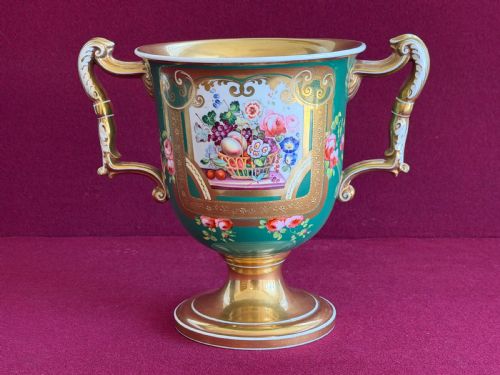

Hand Painted Ceramic Handle
These hand painted ceramic handle items range across periods and forms, offering collectors distinct pieces of porcelain and earthenware.
Hand Painted Ceramic Handle
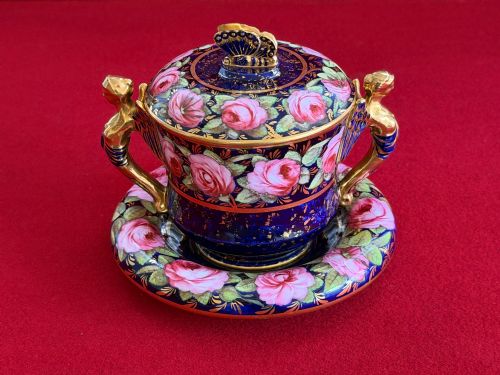
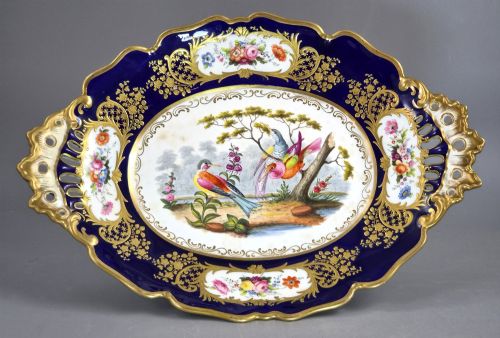
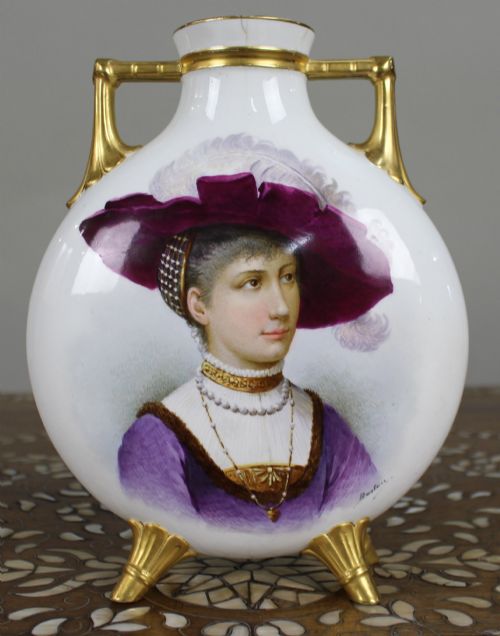
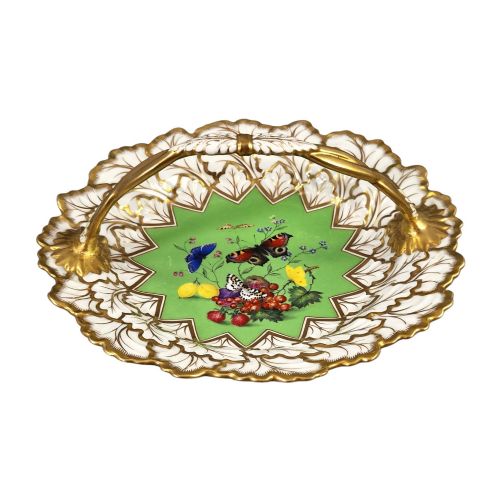
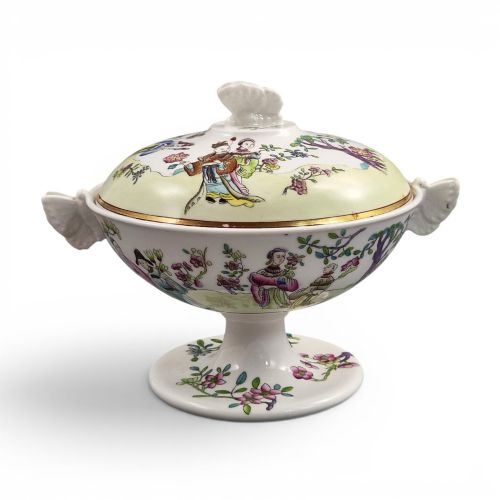
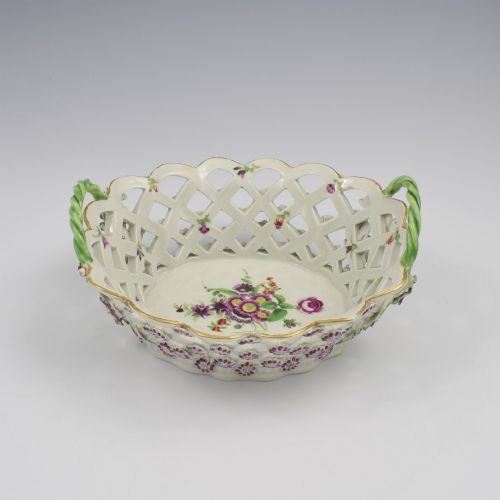
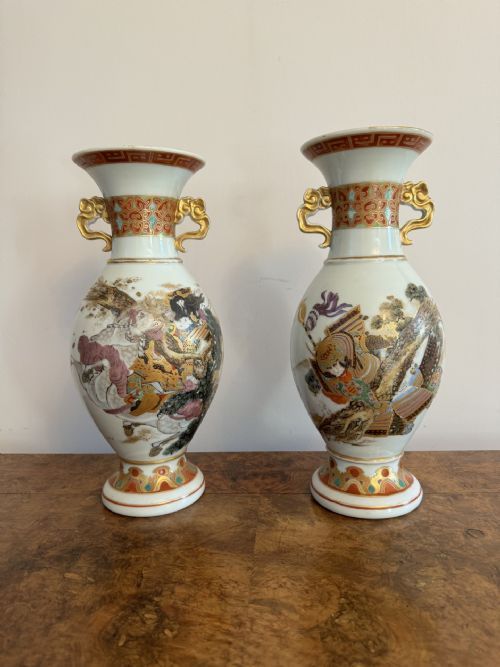
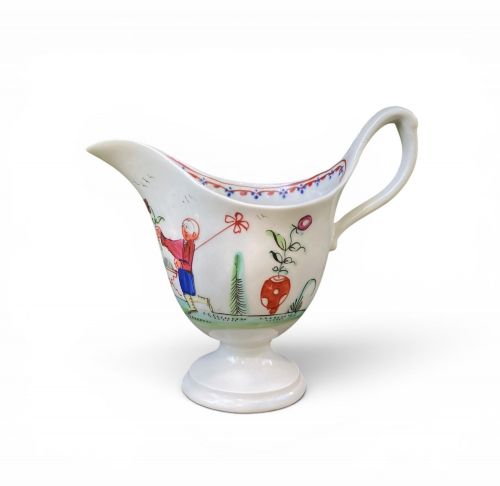
A hand painted ceramic handle search reveals a variety of historic vessels, including vases, jugs, loving cups and baskets originating from English and European potteries. These pieces span the eighteenth, nineteenth and early twentieth centuries, reflecting changing domestic and decorative tastes over generations.
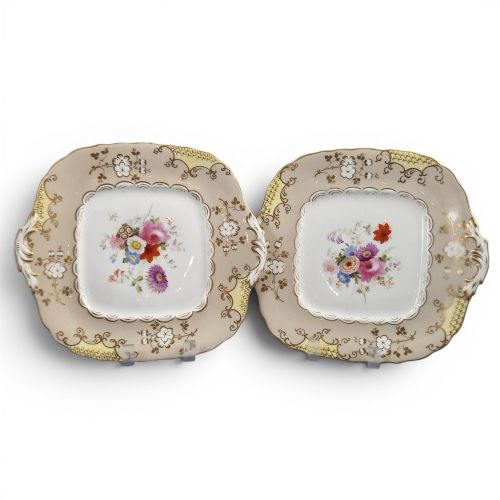
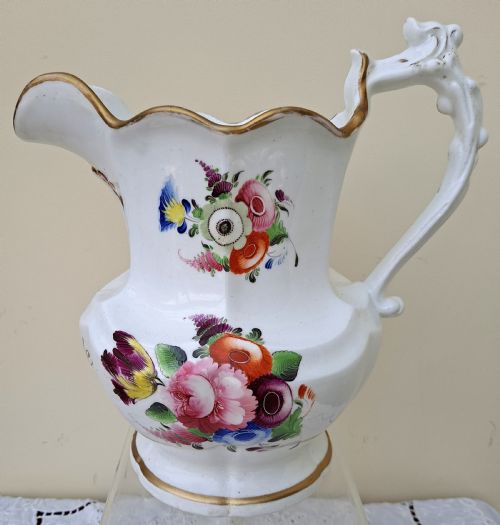
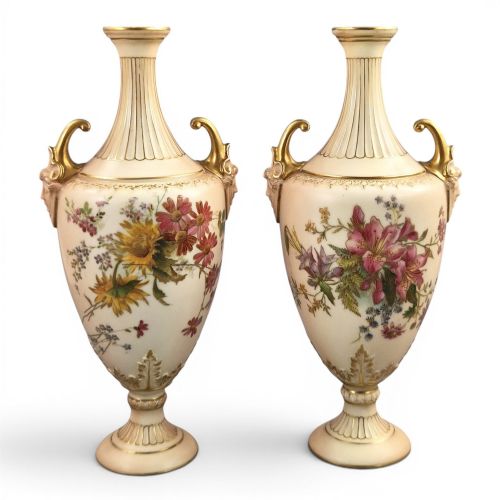
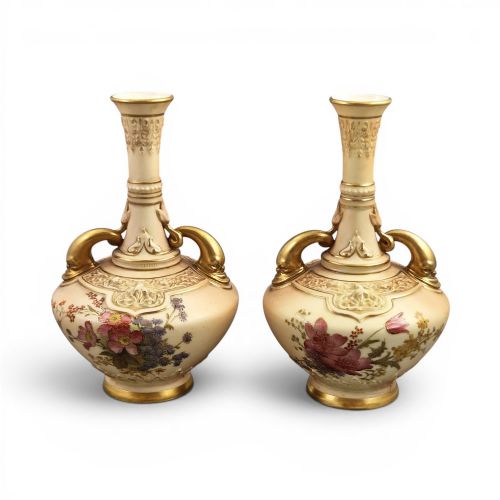
Buyers will most frequently encounter nineteenth century porcelain and earthenware items featuring hand painted decoration, often shaped with distinctive handles such as dolphins, lampreys or butterflies. The selection encompasses notable factory productions alongside domestic wares from Georgian, Regency and Victorian periods.
How They Were Made
Potters utilised ceramic bodies such as porcelain, earthenware and pearlware, shaping vessels by hand or mould before applying intricate hand painted motifs. Glazes provided a smooth protective coating over the clay surface.
Artisans applied enamel colours and gold leaf highlights to enhance the visual detail, frequently fixing the pigments through subsequent kiln firings.
Listings include items manufactured from porcelain, earthenware and pearlware across multiple centuries.
What Varies In Quality
The refinement of the painted brushwork separates ordinary utility wares from master factory productions, with finer pieces displaying meticulous detail in floral or landscape scenes. Precision in the moulding of sculptural handles and the evenness of the glaze further distinguish superior examples.
Attribution to documented painters or renowned potteries elevates the standing of a vessel, as does the preservation of delicate gilding and enamel pigments across the surface.
Spode·Coalport·Flight Barr And Barr·Chamberlain Worcester·New Hall·Royal Worcester·H And R Daniel·Rockingham·Wileman·Derby·Ulisse Cantagalli·Samson Paris·Wemyss·Royal Doulton
The Hand Painted Ceramic Handle Glossary
- Porcelain
- A hard, fine-grained ceramic material fired at high temperatures to achieve translucency and strength. It forms the body of many antique decorative vessels.
- Enamel
- Opaque vitreous glass fused to ceramic surfaces to provide vibrant coloured decoration. It is applied over the glaze and fired again.
- Gilding
- The application of gold leaf or powdered gold onto ceramics to create metallic highlights. This technique enhances the decorative appeal of handles and rims.
- Earthenware
- A porous, opaque ceramic body fired at lower temperatures than porcelain. It requires glazing to become impermeable to liquids.
- Pearlware
- A refined type of earthenware developed in the late eighteenth century featuring a subtle bluish glaze that mimics Chinese porcelain.
Hand Painted Ceramic Handle: Frequently Asked Questions
What periods do these pieces date from?
The items span from the eighteenth century through to the early twentieth century, encompassing Georgian, Regency and Victorian eras.
Production methods and artistic styles evolved during these times, shifting from early factory wares to later aesthetic movements.
How were decorated handles used?
Handles served functional purposes on jugs, loving cups and vases while also providing sculptural embellishment for the vessels.
Potters shaped them into forms such as dolphins, lampreys and foliage to complement the painted themes.
How do I identify a specific pottery?
Makers often marked their porcelain and earthenware with painted or impressed factory signs, numbers or symbols underneath the base.
Comparing pattern numbers, decorative styles and body types helps determine the likely origin.
How should I care for antique ceramics?
Display these items away from direct sunlight and sudden temperature changes to protect the fragile enamels and gold leaf.
Dust them gently with a dry cloth and avoid washing painted surfaces in water.