


Victorian Carved Walking Cane
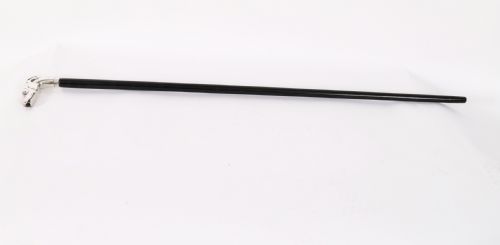
When you search for a victorian carved walking cane, you seek a functional support piece turned into sculpture through carved wood, bone, horn, and metal.
Victorian Carved Walking Cane
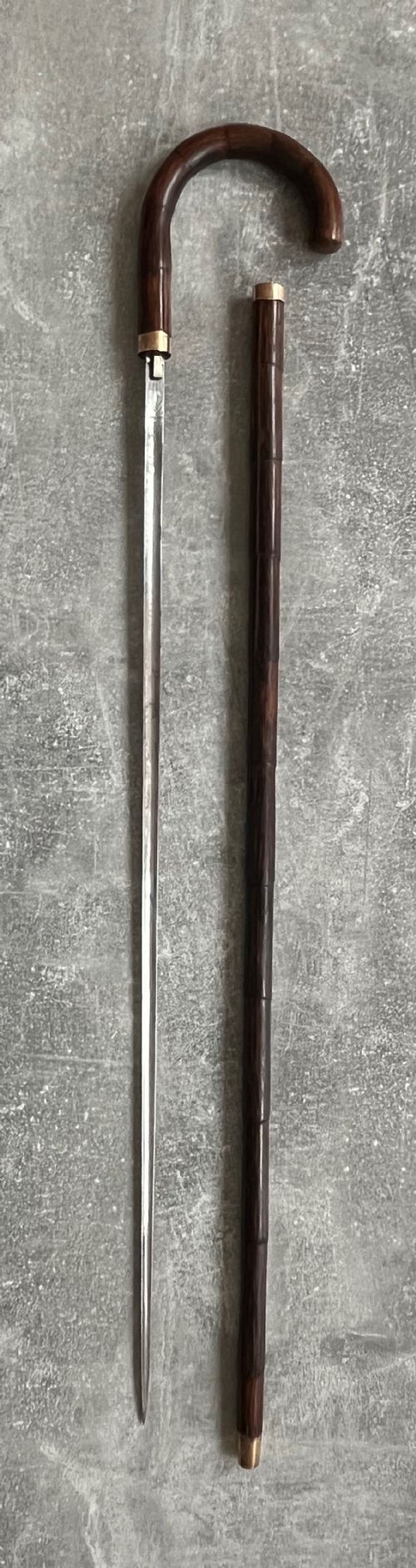
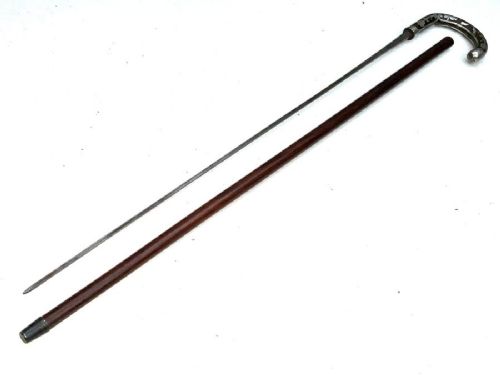
A victorian carved walking cane is a gentleman's or lady's daily accessory originating primarily from the nineteenth century, encompassing standard walking sticks, sword sticks, and novelty items. These pieces combine practical ambulatory support with decorative carving or concealed utility.
The versions most commonly met on this page range from plain hardwood shafts with sculpted handles to complex gadget canes hiding blades, corkscrews, or snuff boxes. Makers utilised natural materials to produce items ranging from military presentation pieces to folk art swagger sticks.
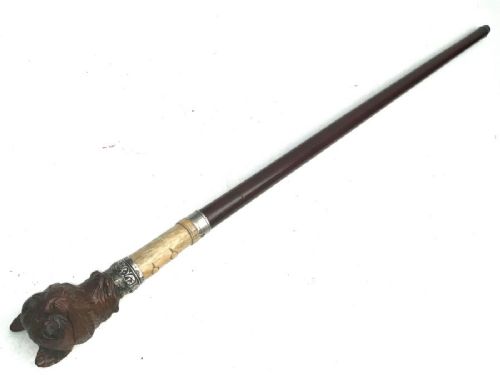
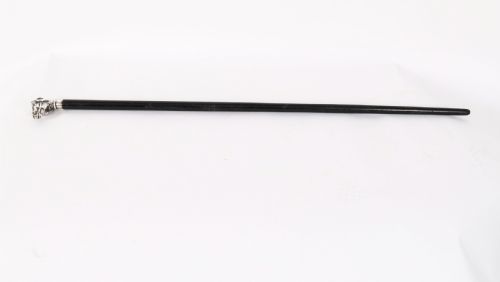
Origins span English, French, German, and Dutch workshops, reflecting the diverse stylistic influences of the period from Gothic Revival to Black Forest animalier carving. Collectors find both sturdy natural-form timber shafts and formal malacca or ebony stems mounted with silver and brass.
Materials and construction
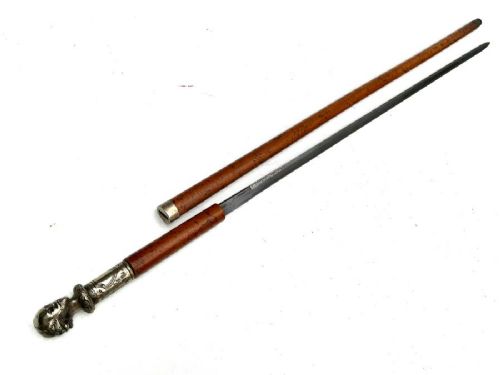
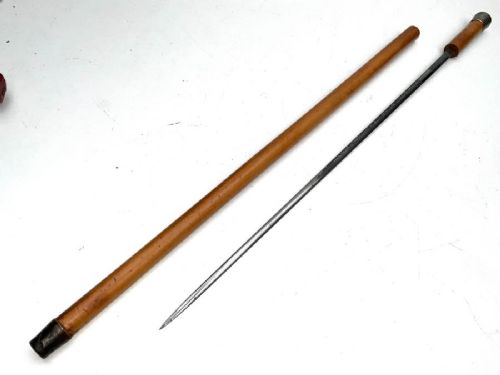
Makers shaped shafts from resilient timbers such as hardwood, fruitwood, malacca, and ebony, alongside organic substances like whalebone, stag horn, and bone. These shafts were frequently fitted with steel blades for sword sticks or reinforced with brass collars and tips.
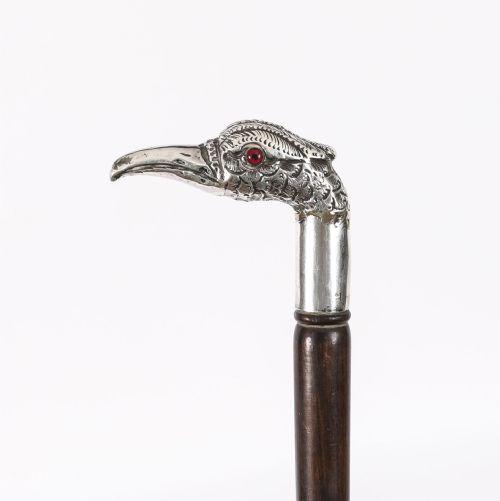
Handles and decorative motifs were carved directly from the wood or fashioned separately from silver, brass, bone, and horn, then secured to the shaft. Artisans applied techniques including embossing, silver-plating, and detailed hand-carving to render animal heads, human fists, and heraldic motifs.
One unfortunate rabbit was immortalised with a corkscrew emerging from its neck.
Judging execution and design
Quality in these pieces rests upon the precision of the carving and the integration of any concealed mechanisms. Superior examples display crisp detail in animalier or figurative handles, whereas lesser pieces rely on simple moulded or cast substitutes.
The choice and preservation of materials also dictate standard, with dense hardwoods, solid silver mounts, and intact articulated elements marking superior workshop production. The balance of the cane and the snugness of fit in sword sticks or gadget compartments separate utility items from fine cabinet pieces.
Henry Borlase Stevens·BRIGG
The Victorian Carved Walking Cane Glossary
- Sword stick
- A walking cane containing a concealed steel blade within the wooden shaft. These items required precise internal channels to protect the blade.
- Gadget cane
- A multi-functional walking stick hiding tools such as corkscrews, snuff boxes, or nutcrackers. Makers engineered these compartments to blend seamlessly into the handle or shaft.
- Malacca
- A slender, durable rattan cane imported from Southeast Asia and prized for its mottled brown surface and flexibility. It served as a premium shaft material throughout the nineteenth century.
- Black Forest
- A regional style of wood carving originating from the mountainous German region, characterised by realistic animal figures like dogs and bears. These pieces often exhibit deep relief and glass eyes.
- Swagger stick
- A short, light cane carried by military officers as a mark of rank rather than for physical support. They frequently featured embossed silver tops and military insignia.
Victorian Carved Walking Cane: Frequently Asked Questions
What is a sword stick?
A sword stick is a walking cane that conceals a steel blade inside its hollow wooden shaft. The blade is typically secured with a locking mechanism or friction fit.
Gentlemen carried these items for personal defence during the nineteenth century. They combine the outward appearance of a standard gentleman's cane with hidden utility.
How were gadget canes used?
Gadget canes served both as walking supports and as secret containers for tools like corkscrews, snuff boxes, or small instruments. Owners used the hidden implements during social occasions or travel.
These pieces were conversation starters in gentlemen's clubs and drawing rooms. The mechanisms required careful manipulation to reveal their secondary purpose without damaging the wood.
What are Black Forest carvings?
Black Forest carvings are highly detailed wooden sculptures depicting animals, foliage, and rustic scenes. Artisans in the German region specialised in rendering lifelike creatures such as dogs and deer.
On walking canes, these carvings usually form the handle or upper grip. They are notable for their expressive faces and deep relief work.
Are these canes meant for daily use?
While these items were originally built for practical ambulatory support, surviving examples are now treated as collector's pieces. Modern use can put historic joins, silver mounts, and fragile carved handles at risk.
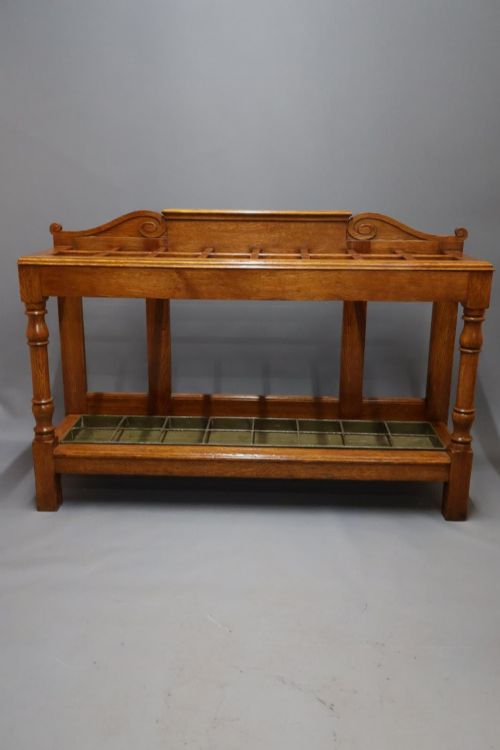
Collectors generally display them in umbrella stands or wall racks rather than relying on them for walking. Careful handling preserves the original patina and delicate mechanisms.
How do you identify military canes?
Military canes often feature specific regimental crests, silver plaques, or officer association details. They may include titles or names engraved into the metal collars.
These pieces reflect the rank and service history of the original owner. Materials tend to be robust, reflecting active service or formal parade requirements.