


Antique Wake Table
When you search for an antique wake table, you are looking for an expansive dining surface designed to seat many guests comfortably.

What an antique wake table is
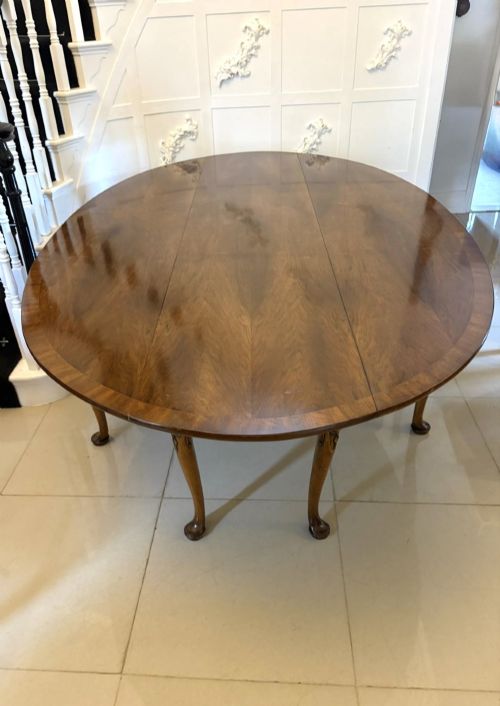
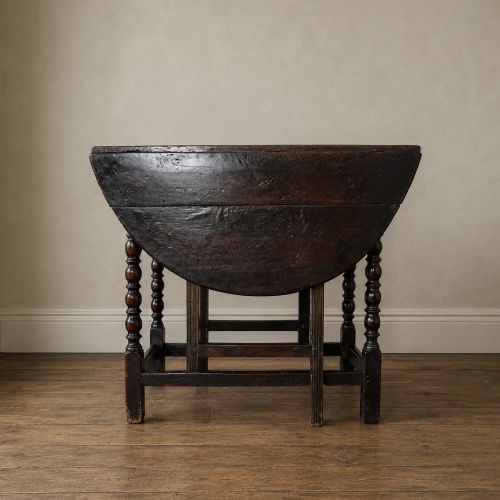
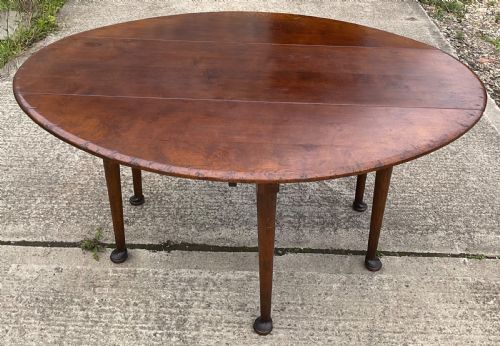
An antique wake table is a large dining table designed with drop leaves on either side, supported by swinging legs to accommodate large gatherings. These tables frequently appear from the eighteenth century, including George III periods and Georgian styles, alongside nineteenth-century examples and items dated around nineteen hundred.
You are most likely to meet mahogany versions on this page, including Cuban mahogany and figured mahogany, though oak and figured walnut also appear in the historical record. Forms include oval drop-leaf configurations, hunt tables, and Irish wake tables designed with generous proportions for communal dining.
The physical form relies on a central fixed section combined with deep hinged leaves that drop down when not in use. This clever design allows a massive surface area to be reduced in width for storage against a wall or room edge.
How they were made
Cabinet makers constructed these pieces primarily from dense timbers such as mahogany, Cuban mahogany, walnut, and oak, often selecting highly figured grain for the top surfaces. Brass fittings occasionally reinforced the structural joints or the operating mechanisms of the drop leaves.
Joinery techniques included sturdy frame construction with hinged leaf supports, sometimes featuring carved cabriole legs ending in pointed pad feet. Workshops shaped the solid timber boards by hand, planing the expansive oval tops to create smooth dining surfaces.
Retail Price Guide 2026
Typical UK retail prices for wake table, calculated from the Sellingantiques database of over a million retail prices indexed since 2003. This retail price guide relies exclusively on Sellingantiques data; no external sources or auction records are used, so the figures do not describe the wider market.
Listings for this phrase include examples from the Georgian and Regency periods, spanning the eighteenth and nineteenth centuries.
What varies in quality
The distinction between standard examples and the finest pieces lies in the choice of timber, particularly the presence of richly figured Cuban mahogany or walnut. Superior pieces display exceptional timber selection and depth of colour that ordinary boards simply lack.
Refinement in the carving of cabriole legs and the execution of pad feet separate utilitarian workshop output from master cabinet work. Proportion and the integration of the drop leaves when fully extended also dictate the overall standing of the piece.
The Antique Wake Table Glossary
- Wake table
- A large drop-leaf dining table traditionally used for communal gatherings and parish wakes. These tables provide expansive seating capacity through the use of wide hinged leaves.
- Drop leaf table
- A table with a fixed centre section and hinged flaps on each side that can be raised and supported or dropped down. This mechanism allows the furniture footprint to change according to dining needs.
- Cabriole leg
- A furniture leg that curves out and then in, mimicking the shape of an animal's leg. This decorative form appears on eighteenth-century seating and tables.
- Pad foot
- A simple foot shape where the base of the leg rests on a flattened, pad-like disc. It is frequently paired with cabriole legs on Georgian furniture.
- Cuban mahogany
- A dense, dark timber harvested in the Caribbean and prized for cabinet making. Furniture makers utilised this material for its exceptional grain patterns and durability.
Frequently Asked Questions
What is an antique wake table?
An antique wake table is a large, extendable dining table featuring drop leaves supported by additional swinging legs. They were historically built to accommodate large gatherings of people for feasts or communal events.
These pieces typically date from the eighteenth and nineteenth centuries, constructed from robust timbers like mahogany and oak. Their defining characteristic is the ability to expand into a very large oval dining surface from a compact drop-leaf footprint.
How were wake tables used?
These tables served as primary dining surfaces for large families, inns, or communal gatherings where many people needed to sit together. The drop leaves allowed the furniture to be folded down and pushed against a wall when not in use.
When fully extended, the surface supported large spreads of food and heavy gatherings. The hinged support legs swung out from the frame to bear the weight of the extended leaves securely.
How do I identify a Georgian wake table?
Georgian wake tables are identified through their period construction methods, timber choices, and specific design details like cabriole legs and pad feet. They often utilise solid mahogany or Cuban mahogany with hand-planed oval drop leaves.
Examining the underside reveals period joinery, hand-cut fixings, and timber ageing that aligns with eighteenth-century workshop practices. The proportions are typically generous to accommodate multiple diners down each side.
How do I fit a large wake table into a modern home?
A wake table functions well in a spacious dining room or kitchen where its length can be appreciated from all sides. Dropping one or both leaves allows the table to sit compactly against a wall during daily use.
The substantial timber and warm wood tones anchor large open-plan spaces effectively. When hosting guests, raising both leaves restores the full oval surface for communal dining.