

Antique Victorian Brooch
When you search for an antique victorian brooch, you find pieces of personal adornment shaped by nineteenth-century sentiment, regional craft and revival design.
Antique Victorian Brooch
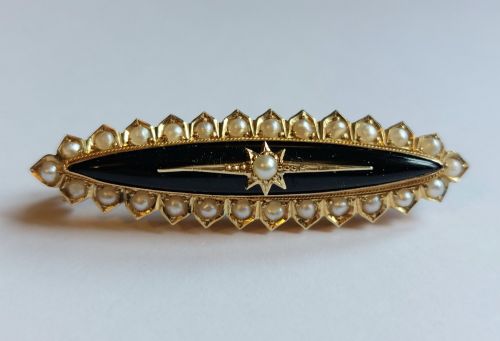
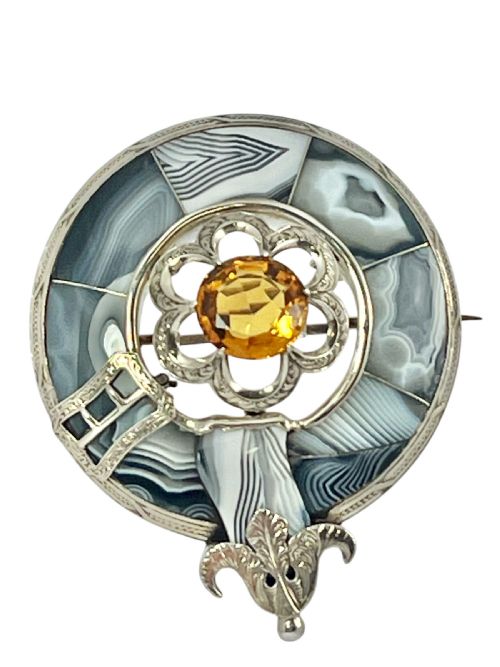
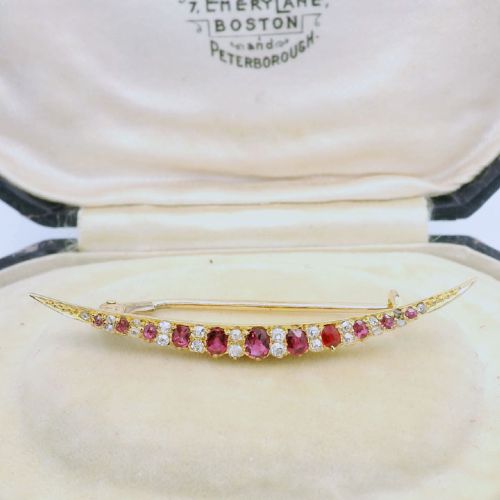
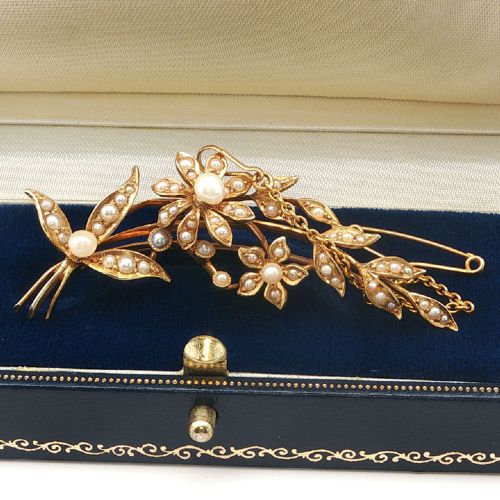
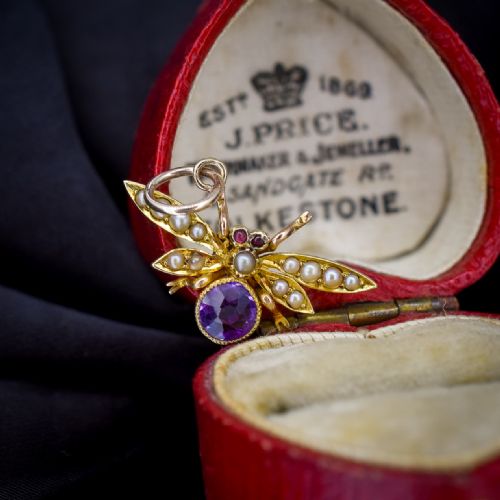
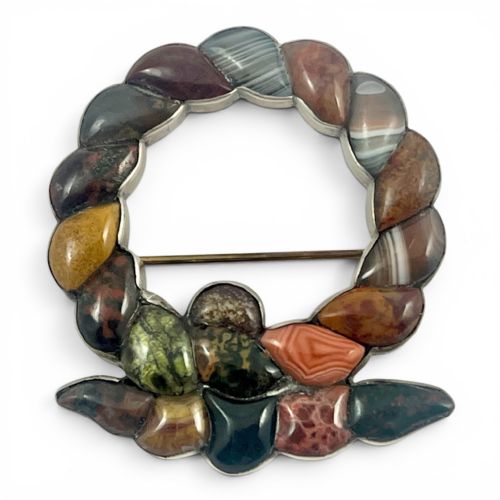
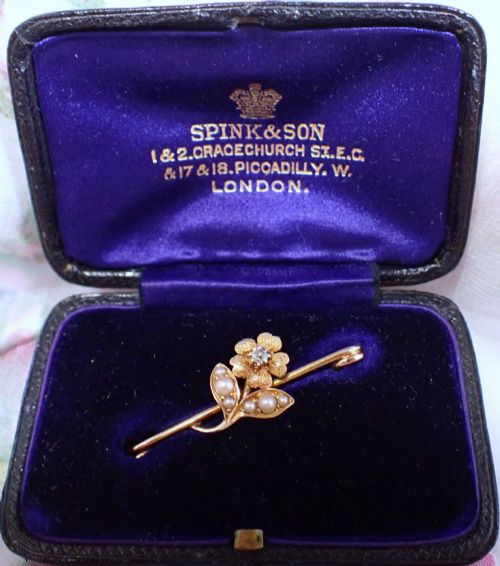
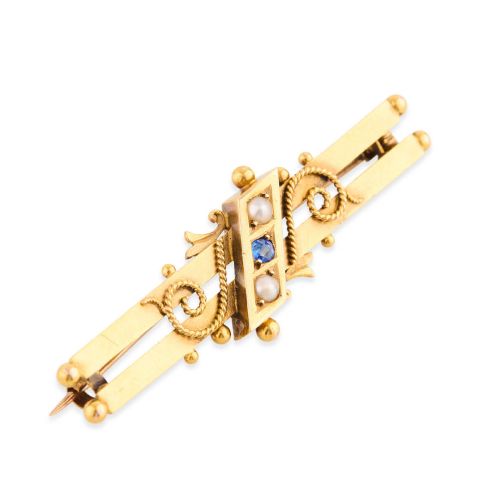
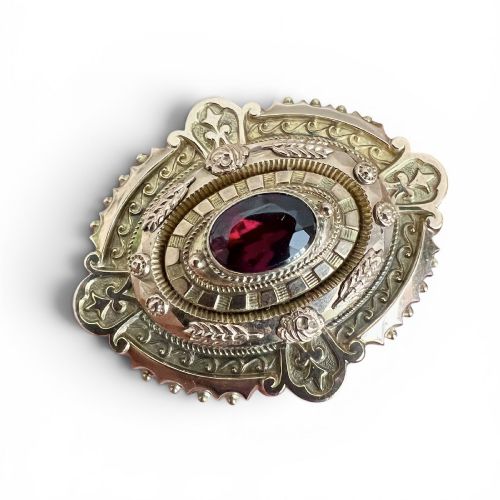
An antique victorian brooch encompasses a wide range of pin-backed jewellery produced during the reign of Queen Victoria, alongside related pieces from the wider nineteenth century. Collectors encounter floral sprays, crescent shapes, insect motifs and commemorative mourning pieces set with dark stones like onyx and jet. Regional forms also feature prominently, particularly Scottish silver pebble and agate designs fashioned into dirks, swords and shields.
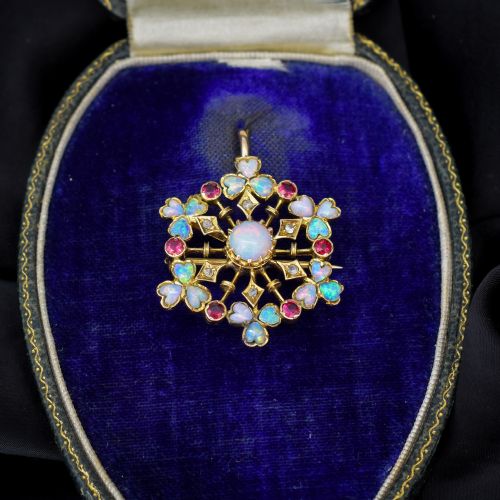
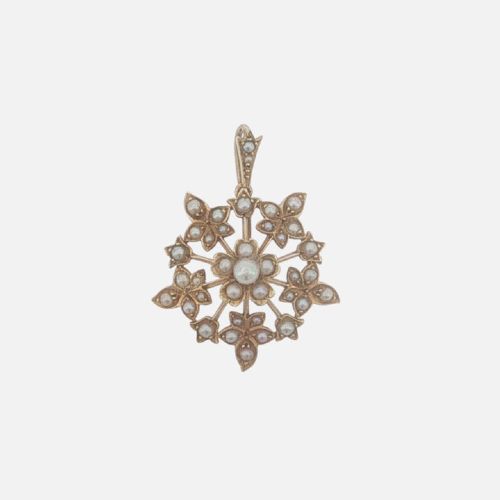
Many items double as pendants, offering dual functionality through integrated loops or fold-down bails. Cluster arrangements, bar pins and heart shapes appear frequently across gold and silver mountings. These jewels served as fashionable accessories, tokens of affection or tangible records of the Grand Tour in Italy.
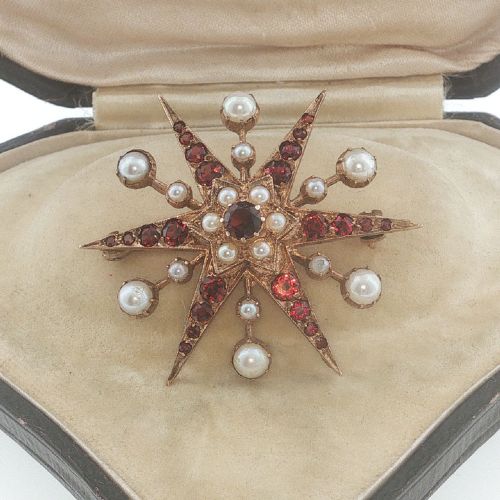
Makers utilised diverse materials to reflect prevailing aesthetic movements, moving from early romantic naturalism through to geometric Etruscan Revival and late-century diamond stars. Pieces often incorporate mixed media, combining hardstones, micromosaics and painted miniatures within structured metal frames.
How They Were Made
Goldsmiths worked primarily in nine, fifteen and eighteen carat yellow and rose gold, frequently employing hollow construction techniques like repoussé and stamping to achieve volume without excessive weight. Silver served as the principal metal for Scottish pebble items and many diamond-set evening pieces, sometimes paired with gold fronts. Metal components were hand-fabricated, cast or wired together before being polished by hand.
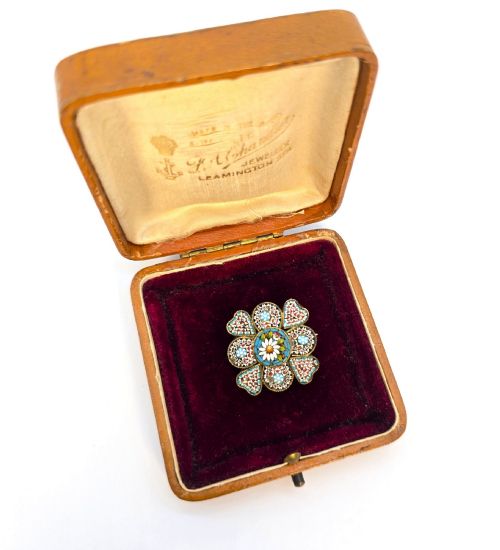
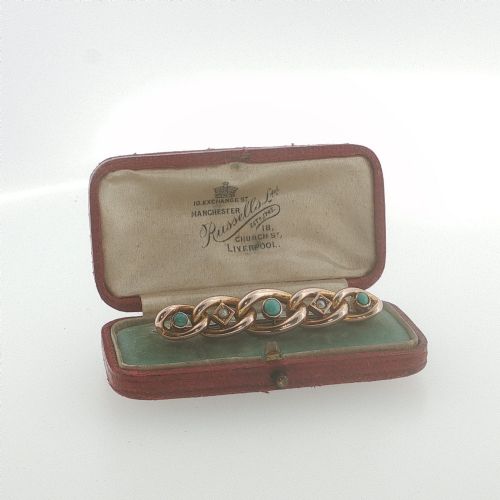
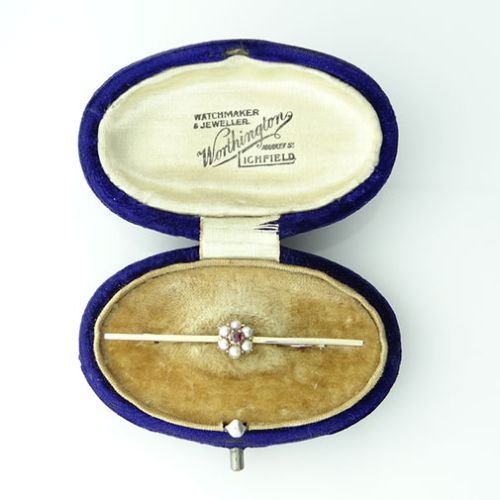
Gemstones including garnets, amethysts, turquoise and seed pearls were secured using traditional claw, collet and gypsy settings. Hardstone cameos, agates and micromosaics required specialist lapidary skills to cut, bevel and fit precisely into tailored bezels. Foil-backing enhanced the colour and reflectivity of certain pastes and coloured stones in earlier nineteenth-century examples.
Item forms span floral sprays, crescent stars, insect fly charms, portrait miniatures, mourning lockets and traditional Scottish pebble dirk brooches.
What Varies In Quality
The standard of execution in miniature carving, micro mosaic tesserae density and stone matching determines the hierarchy of these jewels. Finer items display meticulous detail in hand-engraved gold wirework, precise granulation and secure, flush stone settings without excess solder. Superior Scottish pebble pieces utilise highly polished, naturally figured agates matched symmetrically within substantial silver mounts rather than thin alloy frames.
Original integrity heavily influences worth, distinguishing pieces retaining their fitted pins, safety chains and conversion mechanisms from those altered over time. The depth of historical storytelling, whether through an artist-signed micromosaic or a well-documented portrait miniature, separates standard production items from exceptional works of nineteenth-century lapidary art.
The Antique Victorian Brooch Glossary
- Seed pearl
- A tiny, naturally occurring or early cultured pearl, frequently drilled and threaded onto fine silk or wire to form floral clusters, stars and crescent shapes.
- Micro mosaic
- An intricate decorative technique formed by assembling thousands of microscopic coloured glass tesserae to depict classical ruins, landscapes or animals.
- Etruscan Revival
- A nineteenth-century design movement inspired by archaeological excavations in Italy, characterised by applied wirework, tiny gold granules and classical motifs.
- Pique
- A method of inlaying contrasting materials such as gold or silver points into organic substances like tortoiseshell or ivory.
- Kilt pin
- A large, functional fastener traditionally used in Scottish Highland dress, often adapted into elaborate silver and agate brooches during the Victorian era.
Antique Victorian Brooch: Frequently Asked Questions
How were antique brooches worn?
Nineteenth-century wearers pinned these jewels to the collars, bodices and lapels of day dresses and heavy outerwear. Many included hidden loops that allowed the wearer to suspend the piece from a chain as a pendant.
Heavier items, such as Scottish pebble kilt pins or large locket brooches, were secured to tartan sashes, heavy wool shawls or structured waistbands using sturdy pin stems.
What is a mourning brooch?
A mourning brooch was worn to commemorate a deceased loved one, often incorporating dark materials like black onyx, jet, enamel or woven human hair placed beneath a glass crystal. These pieces frequently featured inscriptions, pearls representing tears, or symbolic motifs such as weeping willows and urns.
They served as a socially accepted expression of grief and remembrance during the strict etiquette of the Victorian period, evolving from solemn memorials into sentimental keepsakes.
How do I date a Victorian brooch?
Dating relies on a combination of stylistic clues, gemstone cuts, metal fineness marks and construction methods. Early examples often feature foiled stones, flat-cut garnets and closed-backs, while later nineteenth-century pieces transition towards open-backed prong settings and machine-stamped components.
Hallmarks stamped on the reverse, where present, provide specific town and year letters. Design revivals, such as Etruscan or Art Nouveau movements, also offer reliable chronological brackets.
Can I wear an antique brooch every day?
Regular wear is possible with sensible care, though fragile elements like seed pearls, micromosaics and shell cameos require gentle handling. Avoiding moisture, perfumes and harsh impacts helps protect delicate organic materials and glued components.
Ensuring the pin mechanism and safety catch function securely prevents accidental loss during daily use.