

Antique Velvet Settee
An antique velvet settee brings a rich tactile depth and a distinct period silhouette to a room.

What an antique velvet settee is
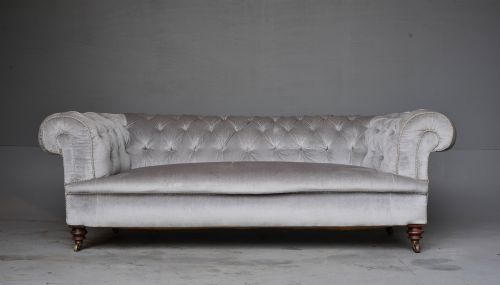
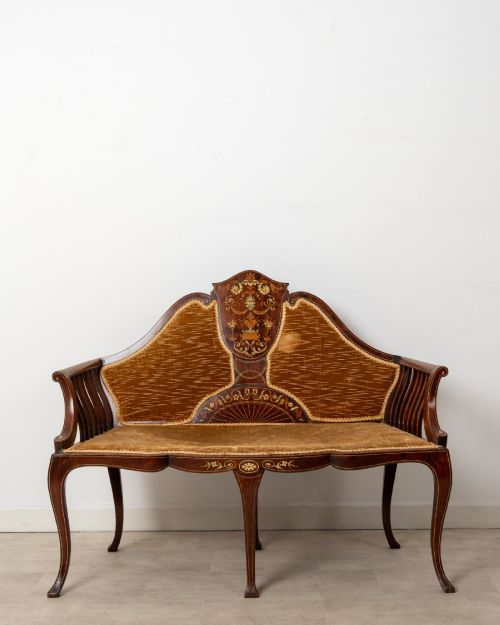
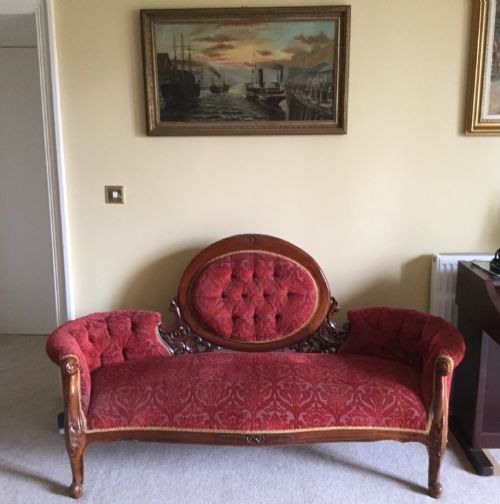
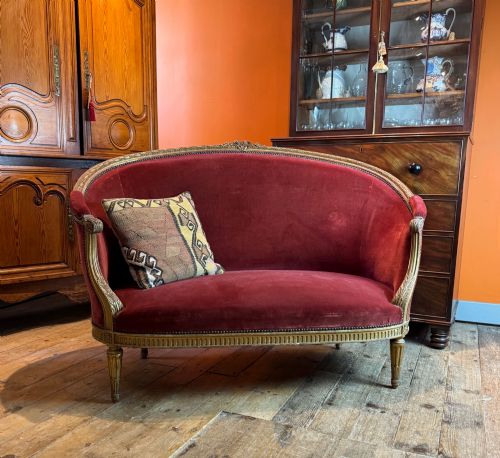
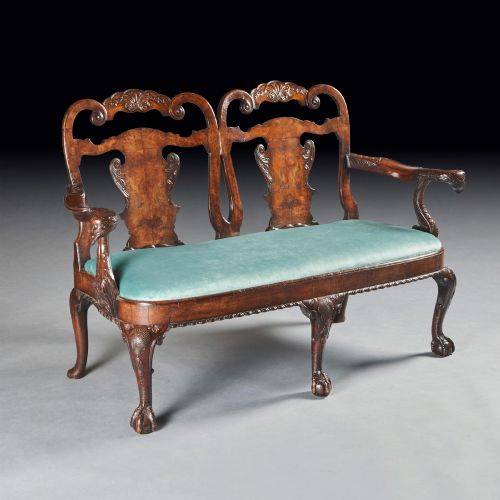
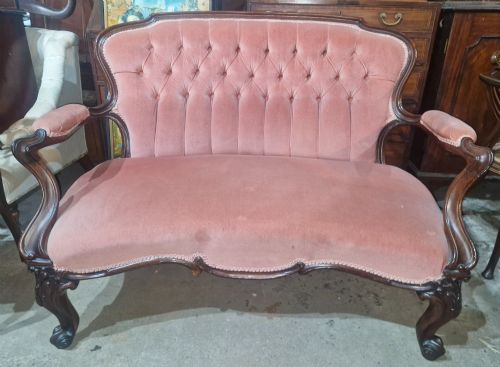
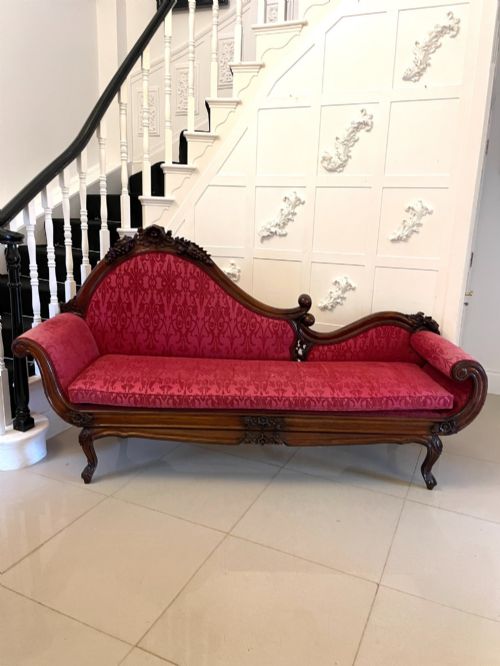
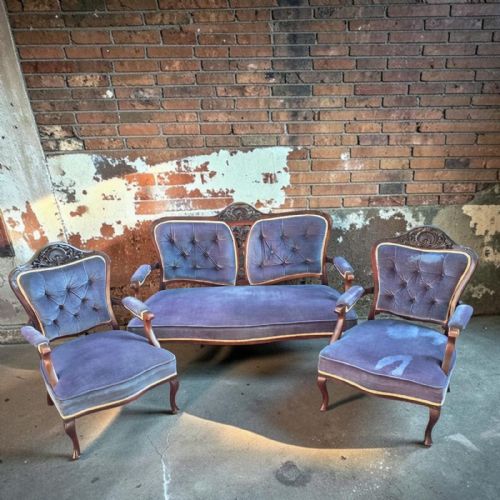
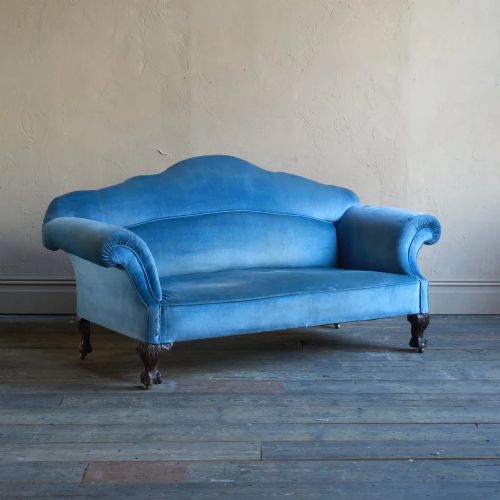
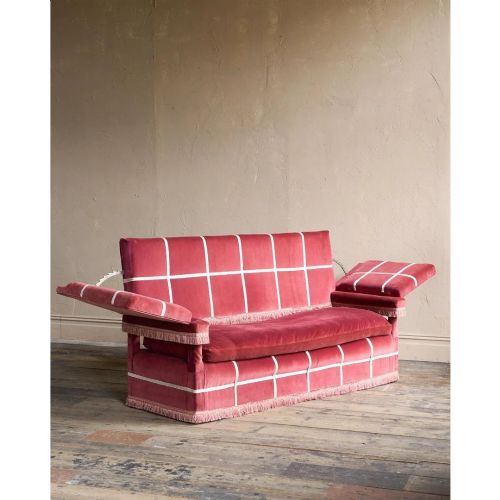
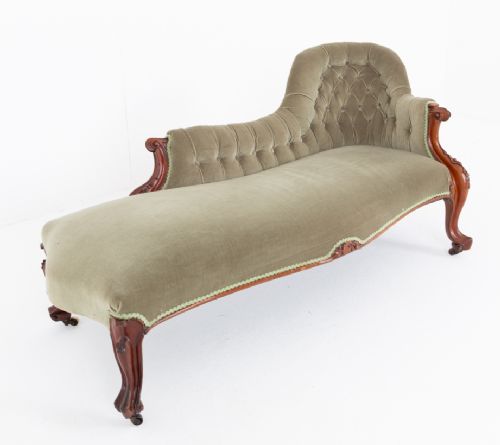
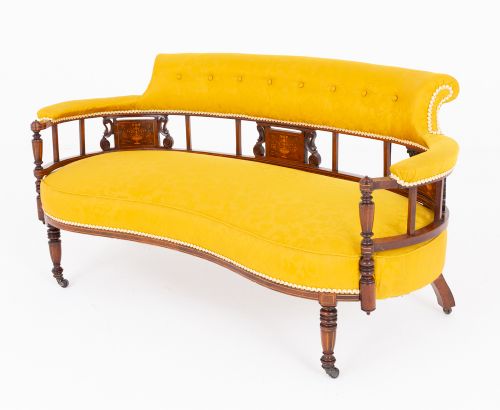
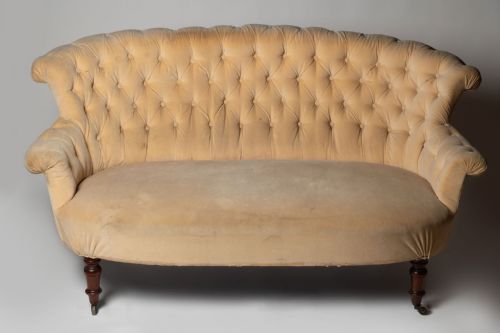
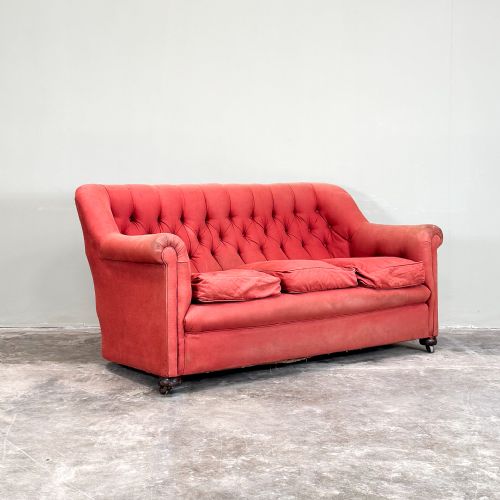
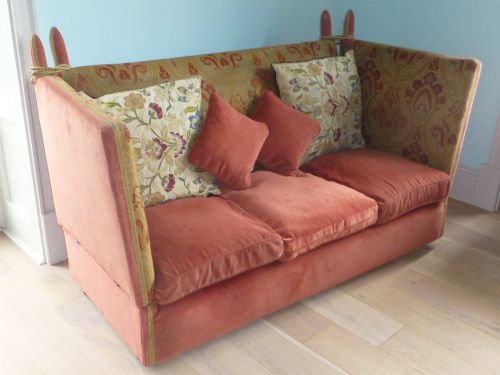
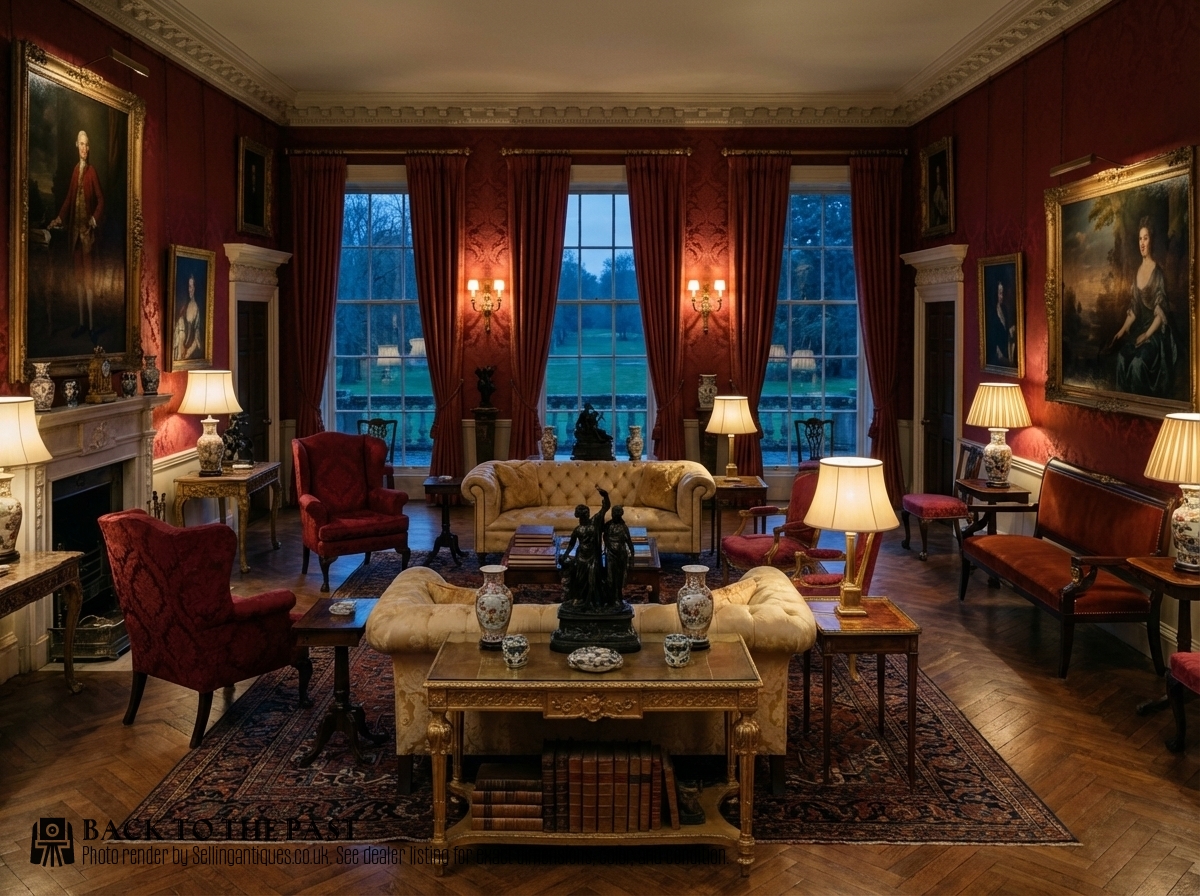
An antique velvet settee is a cushioned seating form designed for more than one person, appearing across nineteenth-century styles including Victorian, French Empire, French Chateau, and Austro-Hungarian designs. These pieces range from country house Chesterfields and Howard style open arm sofas to bedroom settees, small French or Italian sofas, and shell shaped seating.
The pieces on this page are predominantly from the nineteenth century, including specific dates around eighteen-seventy, eighteen-fifty, eighteen-ninety, and nineteen-twenty. They bridge formal reception spaces and private chambers, offering varied seating scales from intimate bedroom sofas to larger reception room settees.
How they were made
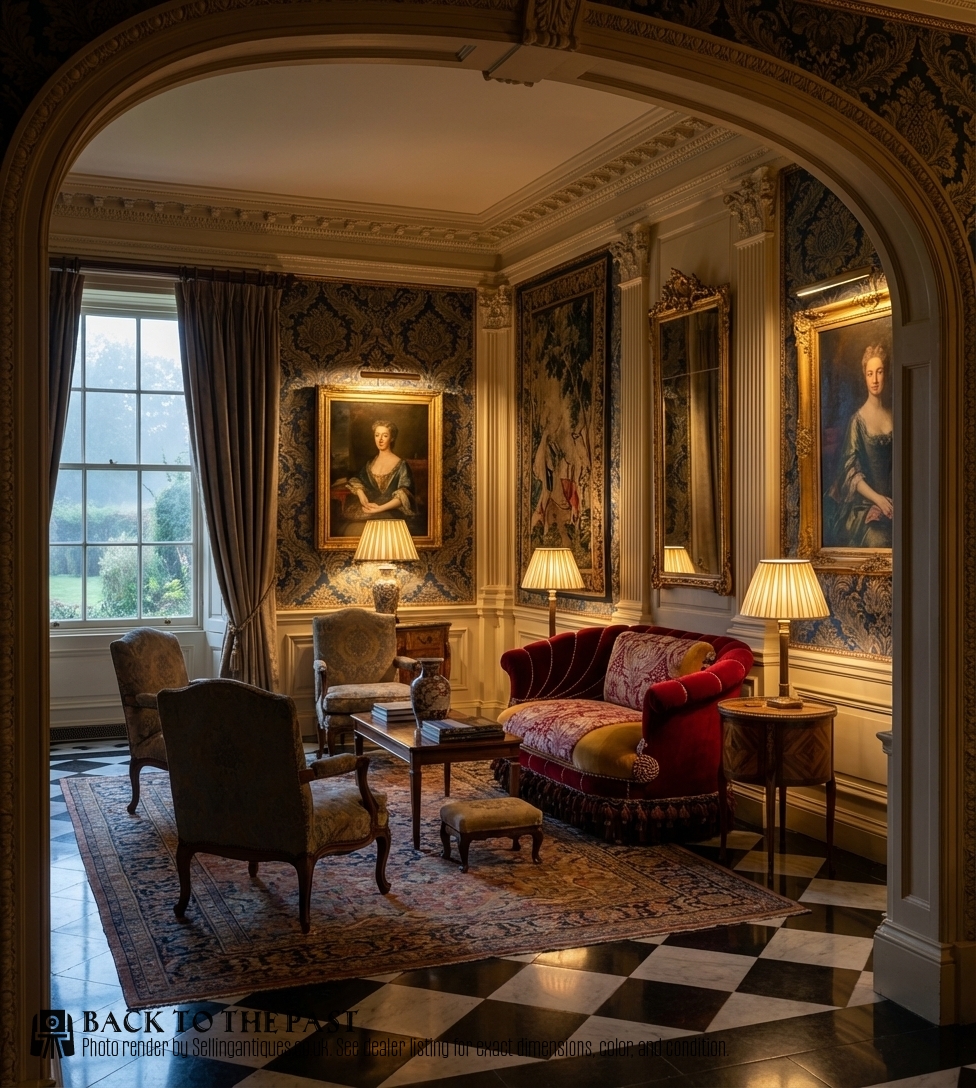
The visible framework relies on timbers such as mahogany and walnut, alongside general wood and timber framing that supports the upholstered body. Carved details and exposed polished frames provide structural definition beneath the soft textile covers.
Upholstery centres on velvet fabrics, frequently paired with decorative elements like passementerie, tassel trim, and brocade. Metal accents such as brass components appear alongside buttoned back upholstery techniques.
Retail Price Guide 2026
Typical UK retail prices for velvet settee, calculated from the Sellingantiques database of over a million retail prices indexed since 2003. This retail price guide relies exclusively on Sellingantiques data; no external sources or auction records are used, so the figures do not describe the wider market.
What varies in quality
Quality rests in the precision of the timber frame carving and the integrity of the structural joinery, distinguishing finely sculpted mahogany or walnut frameworks from simpler utility builds. The sophistication of the silhouette, from a standard country house proportion to an intricate Austro-Hungarian shell shape, dictates the ambition of the piece.
The execution of the upholstery materials creates further distinction, separating standard textile coverings from those finished with elaborate passementerie, tassel trims, and buttoned back detailing. The harmony between the exposed wood frame and the textile finish determines the visual cohesion of the settee.
The Antique Velvet Settee Glossary
- Velvet
- A woven tufted fabric with a dense pile that yields a soft texture and deep colour reflection. This textile defines the tactile surface of these settees.
- Passementerie
- Decorative trimmings such as edgings, fringes, tassels, and gimps used to finish upholstered edges. It adds intricate detail to the textile boundaries.
- Buttoned back
- An upholstery method where buttons are pulled deep into the padding to create a uniform diamond pattern. This technique secures internal stuffing while providing a textured surface.
- Mahogany
- A durable tropical hardwood valued for its reddish-brown tone and fine grain, frequently utilised for nineteenth-century furniture frames. It takes a high polish and supports intricate carving.
- Howard style
- A nineteenth-century seating design known for deep comfort, low rolled arms, and generous proportions. It represents a specific trajectory in domestic upholstery history.
Frequently Asked Questions
Where should I place an antique velvet settee?
These settees suit drawing rooms, studies, and spacious bedrooms where their distinct silhouettes and tactile surfaces can be fully appreciated.
Because they function as focal points, position them away from direct sunlight to protect the pile and colour of the textile.
How do I care for antique velvet?
Gentle brushing with a soft-bristled brush helps maintain the nap and removes surface dust without crushing the pile. Avoid harsh chemical cleaners and professional intervention is recommended for deeper cleaning needs.
Keeping the fabric away from excessive moisture preserves the integrity of both the textile and the underlying timber frame.
What is the difference between a settee and a sofa?
Historically, settees often featured exposed wooden frames and lighter proportions, whereas sofas leaned towards fully upholstered, built-for-comfort designs.
In practice, the terms overlap significantly across nineteenth-century cabinetmaking traditions.
How can I date an antique velvet settee?
Dating relies on examining the timber species, joinery methods, and the style of the carved woodwork or upholstery execution. Nineteenth-century pieces often display specific regional characteristics, from Victorian walnut carving to continental European forms.
Comparing the silhouette against documented period designs provides further chronological context.