
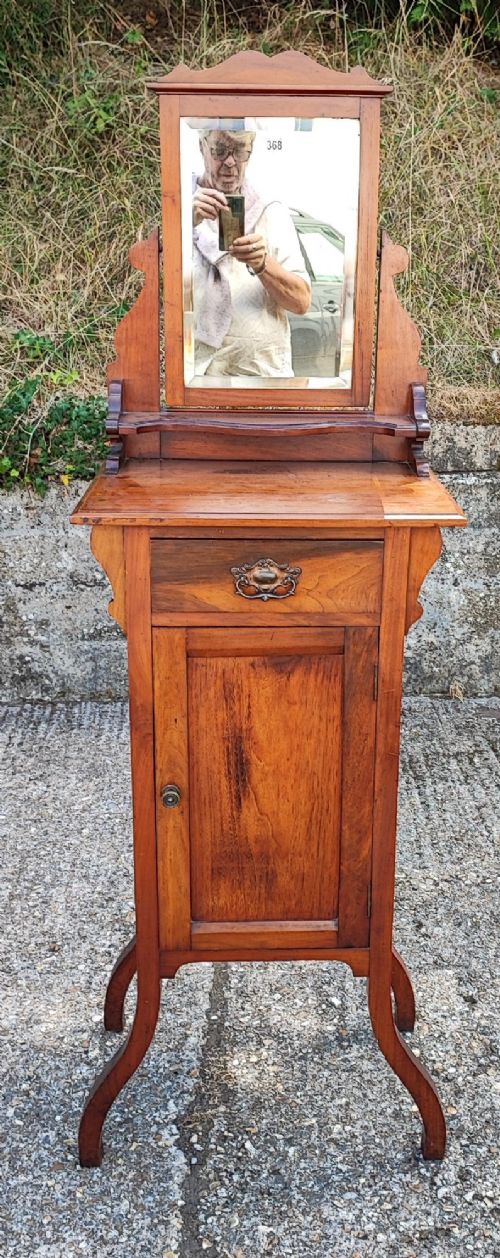
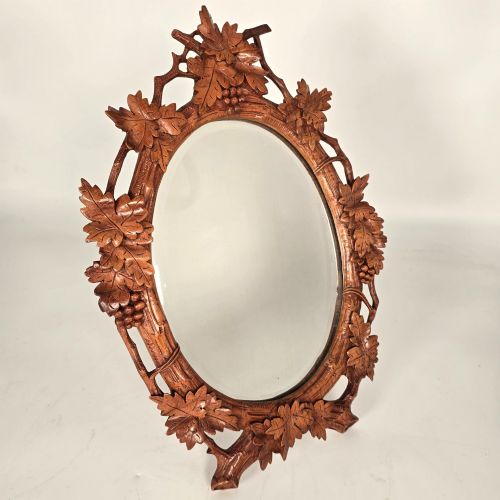
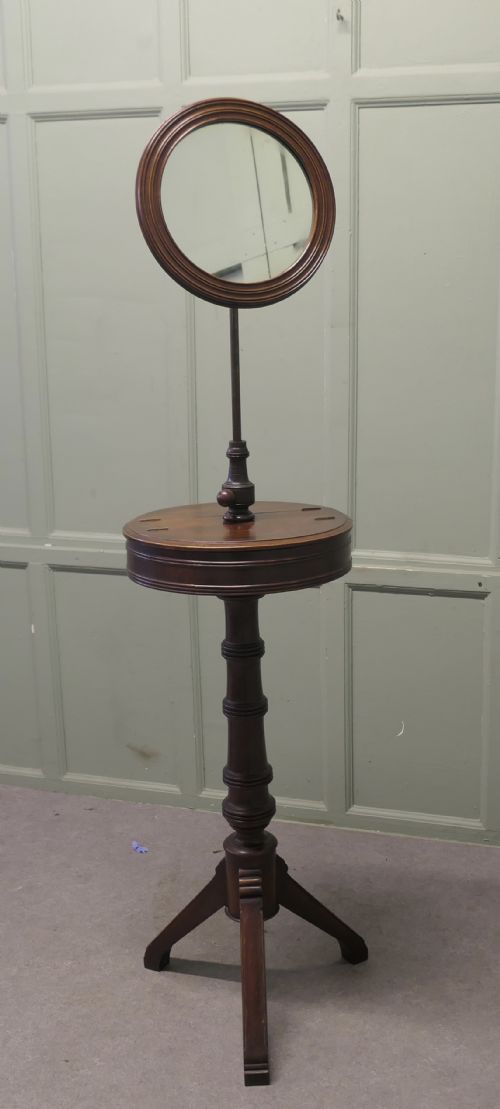
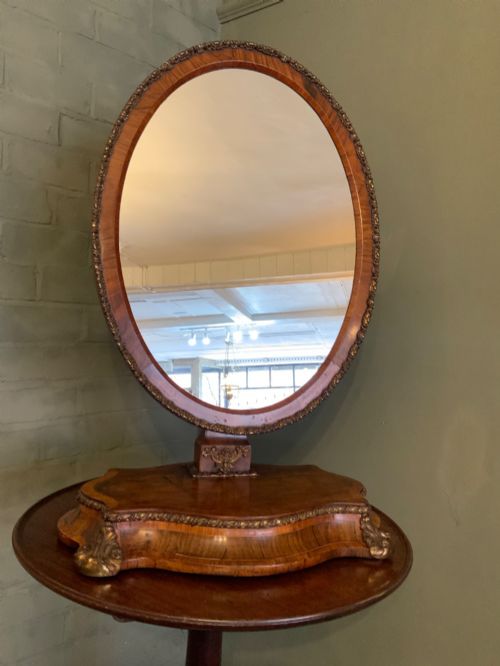
Antique Vanity Mirror Stand
An antique vanity mirror stand brings focus to a dressing space, offering a practical glass surface raised on timber or metal supports.
How they were made
Cabinetmakers constructed the wooden frames primarily in mahogany, walnut, oak, and satinwood, frequently employing fine veneers and boxwood stringing. Timber sections were shaped, turned, and polished to highlight the natural grain of the wood.
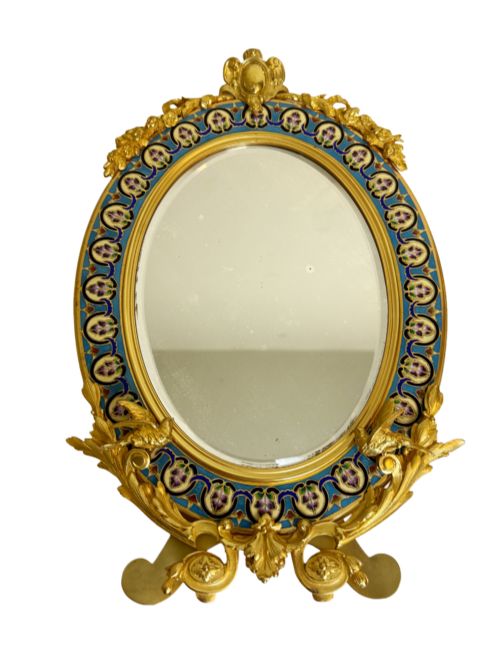
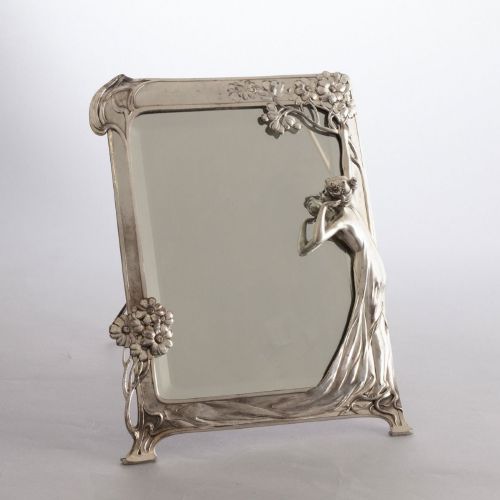
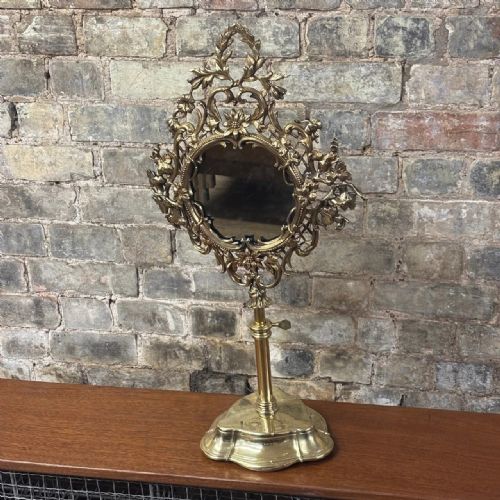
Metal components involved cast brass, gilt bronze, pewter, and sterling silver, sometimes featuring champlevé enamel or intricate piercing work. Glass plates were silvered and fitted securely into rebated frames, occasionally supported by brass brackets and adjustable screw pivots.
What varies in quality
The refinement of the timber carving and the choice of primary woods establish the tier of a piece. Well-figured Cuban mahogany, dense burr walnut, and finely carved lime wood distinguish superior examples from standard utility items.
Mechanical complexity and hardware integration also set pieces apart. Smooth telescopic adjustment mechanisms, heavy cast brass mounts, and original mirror glass indicate higher standards of period craftsmanship.
Metalwork finishes range from unadorned solid brass and pewter to elaborate gilt bronze, champlevé enamel, and silver plate.
Heal & Sons·Thomas Rubergall·WMF
The Antique Vanity Mirror Stand Glossary
- Swing mirror
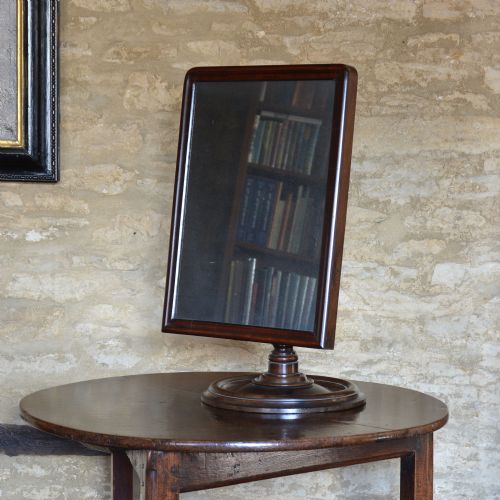
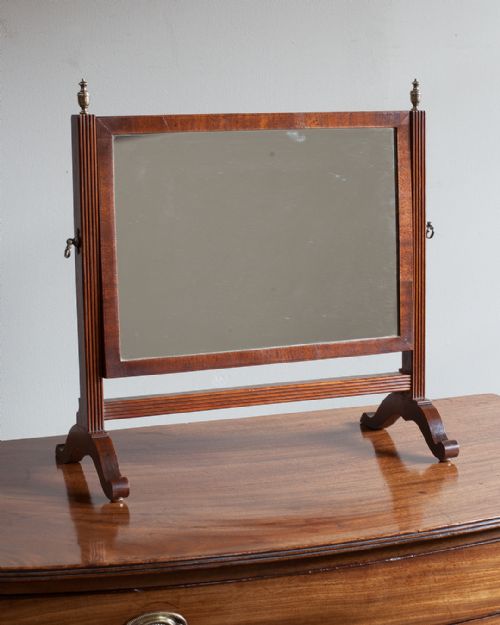
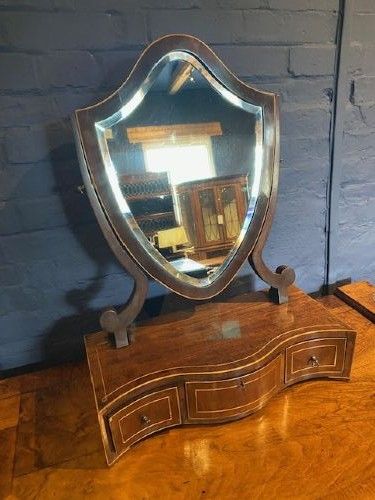
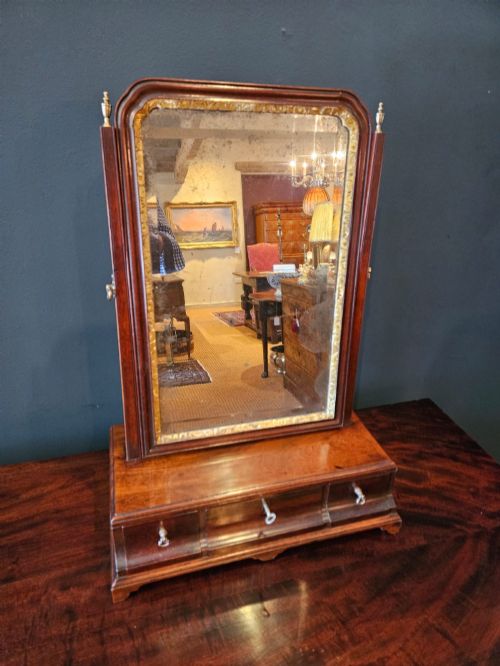
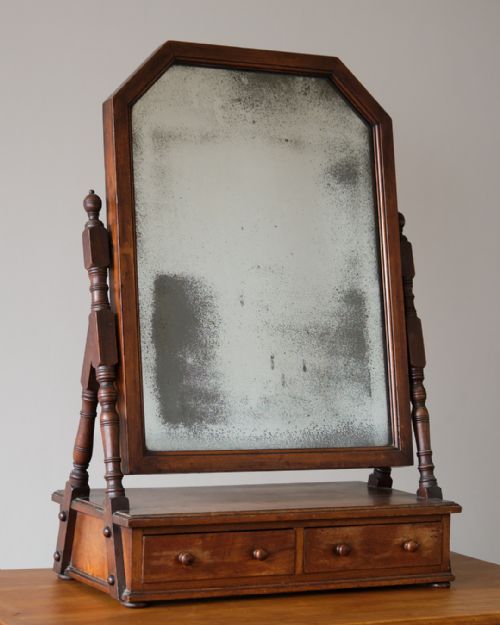
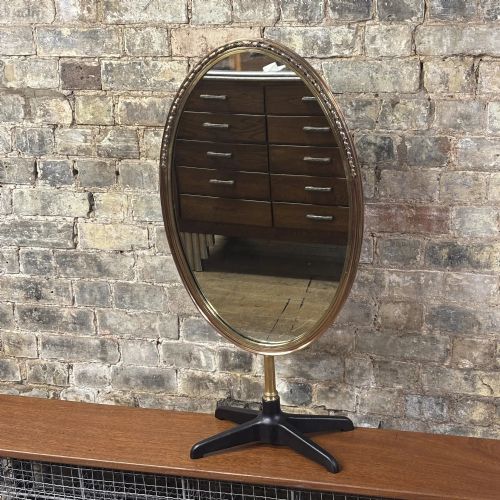
- A glass plate mounted on vertical pivots between two upright posts, allowing the mirror to tilt. This mechanism is central to the design of most toilet and dressing mirrors.
- Toilet mirror
- A smaller dressing mirror designed to stand on top of a chest of drawers or table. These often feature miniature drawers in the base for storage.
- Shaving stand
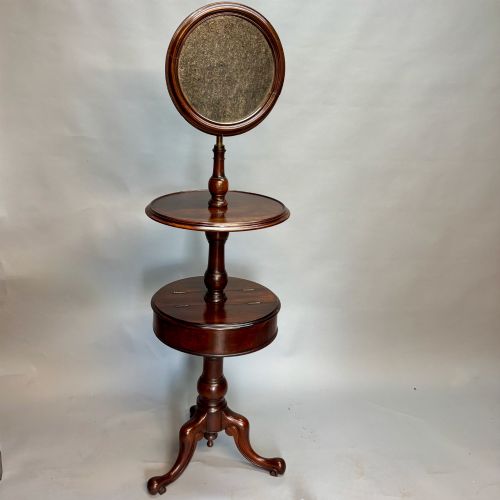
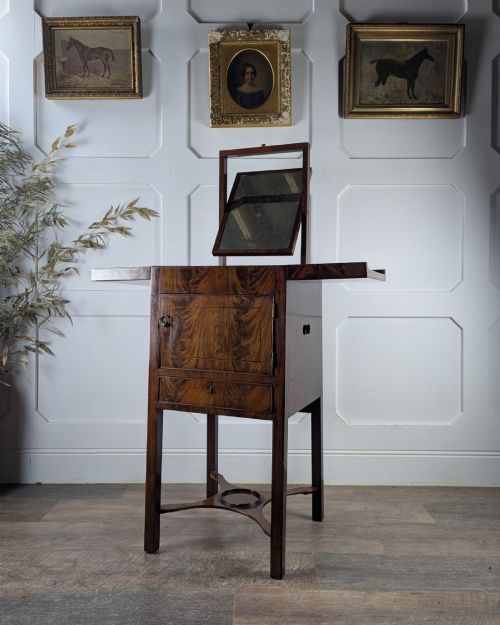
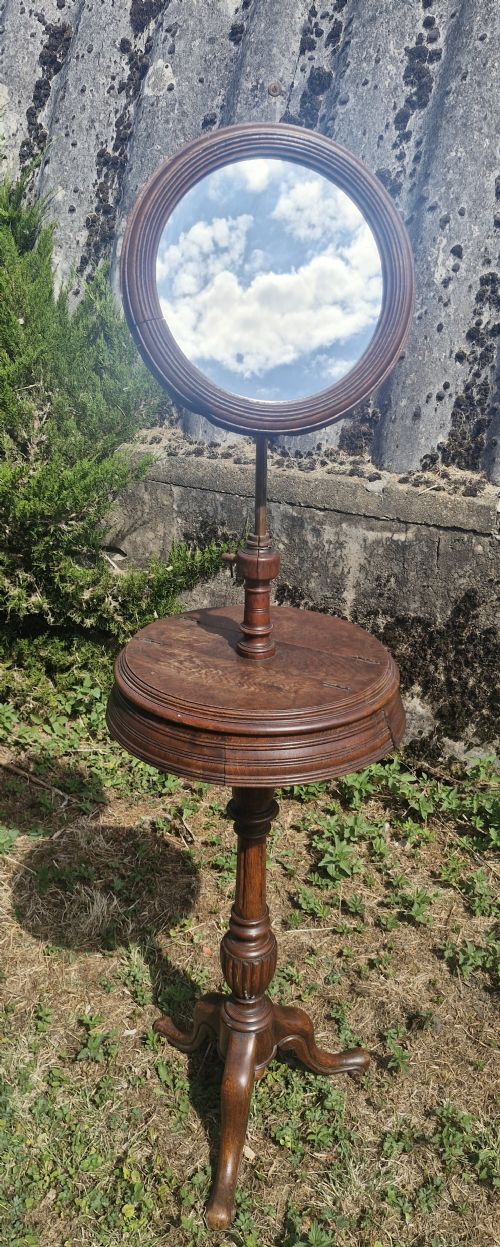
- A specialised taller stand incorporating an adjustable mirror, frequently mounted on a tripod base or fitted with small ledges for shaving gear. They were common in gentlemen's dressing rooms.
- Champlevé
- An enamelling technique where recessed areas are gouged into a metal surface and filled with vitreous enamel before firing. It appears on decorative brass and bronze frames from the late 19th century.
- Cheval mirror
- A full-length plate glass mirror supported in a free-standing frame. The frame allows the entire mirror to swing vertically between two pillars.
Antique Vanity Mirror Stand: Frequently Asked Questions
What is the difference between a toilet mirror and a dressing mirror?
A toilet mirror typically refers to a smaller tabletop glass set into a base containing small drawers. A dressing mirror covers a broader category that can include larger table-standing versions as well as full-length cheval designs.
Historically, the term toilet derived from the French toilette, referring to the morning routine of dressing and grooming, rather than any sanitary function.
How do adjustable shaving stands work?
Adjustable shaving stands generally utilise a sliding brass rod secured with a thumbscrew, allowing the mirror height to be raised or lowered. Some Victorian examples also feature a swivel joint at the top of the stem for tilting the glass angle.
These mechanical elements were engineered to accommodate users of different heights during morning shaving routines.
Are the mirror glasses original?
Many surviving pieces retain their original mercury or early silvered glass, which often displays soft foxing, speckling, or light oxidation around the edges. Replacement glass is sometimes fitted later in the lifespan of the object when the original silvering degrades beyond utility.
Examining the depth of the glass and the backboards helps determine whether the mirror plate dates to the manufacture of the frame.
Where were these stands placed in a period home?
These mirrors were positioned in bedrooms, dressing rooms, and wash spaces, usually resting on top of chests of drawers, washstands, or dedicated dressing tables. Taller shaving stands stood directly on the floor near a washbasin or window to maximise natural light.
Because they were portable, they could be moved around the room to catch the best morning light.