


Vintage Shaving Stand
A vintage shaving stand brings period function to the modern bathroom or bedroom, offering adjustable mirrors and clever storage for daily grooming.
Vintage Shaving Stand
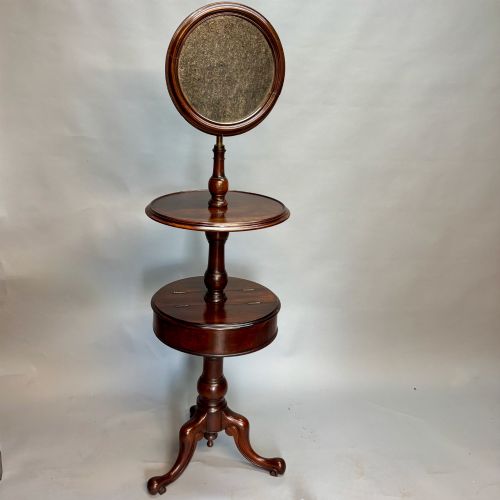
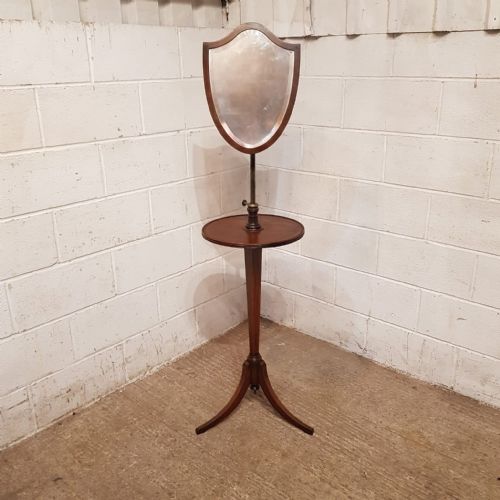
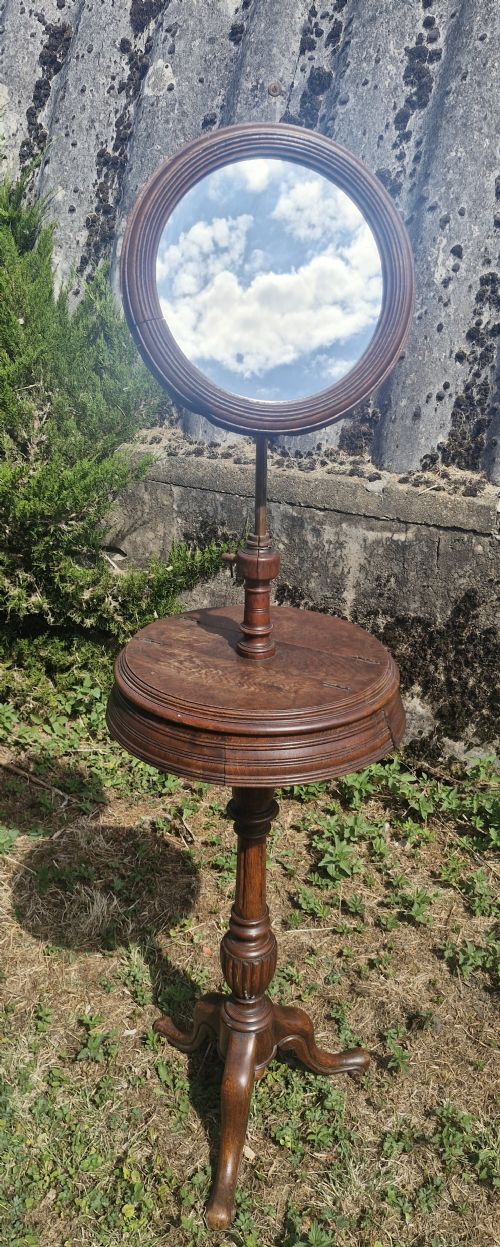
A vintage shaving stand serves as a dedicated piece of furniture designed for morning routines, combining mirrors, surfaces, and sometimes basins or cupboards. When searching for a vintage shaving stand, buyers encounter pieces spanning from the Georgian era through to the Art Deco period, with Victorian and Edwardian examples appearing most frequently.
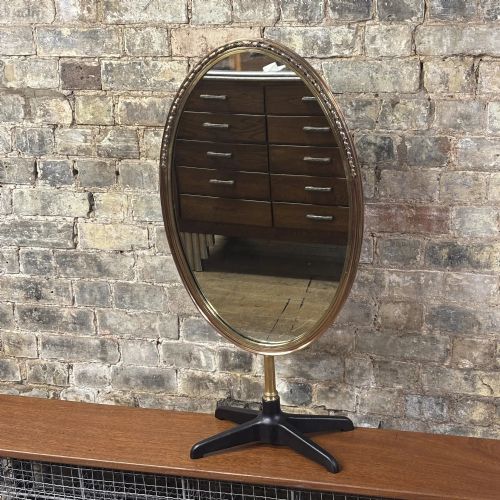
The selection ranges from compact table-top dressing mirrors and adjustable gentleman's stands to larger floor-standing models equipped with ceramic basins or storage cupboards. Mahogany and oak dominate the wooden constructions, alongside brass, chrome, and painted metal in later twentieth-century iterations.
Origins and styles shift across the decades, moving from serpentine Georgian mahogany toilet mirrors to late Victorian adjustable stands and early twentieth-century Viennese inlaid vanity tables. Each period brings distinct proportions and mechanical adjustments tailored to the grooming habits of its time.
Materials and construction methods
Cabinet makers utilised dense hardwoods such as mahogany, walnut, and oak to build sturdy frames capable of supporting pivoting mirrors and small toiletries. Timber surfaces were frequently finished with polished veneers, subtle inlay work, or turned wooden supports.
Metal components, including brass brackets, cast iron bases, and later chrome plating, provided the necessary pivoting and height-adjustment mechanisms for the mirrors. Glass mirrors were silvered and set into adjustable frames, sometimes accompanied by specialised scientific optical lenses or pivoting arms.
Listings feature shaving stands spanning from Georgian skeleton mirrors to Art Deco chrome designs, constructed in mahogany, oak, walnut, brass, and cast iron.
Assessing quality and craftsmanship
The distinction between standard and superior examples lies in the precision of the joinery and the smoothness of the mechanical adjustments. High-quality pieces feature robust pivoting hardware that holds position securely without slipping, alongside finely turned wooden framing and well-fitted cupboard doors.
Material selection and decorative restraint separate finer workshop production from mass-market output. Subtle inlay, choice timber grains, and heavy brass or cast iron fittings indicate superior manufacture compared to plain secondary woods and basic metal stampings.
Thomas Rubergall·James Shoolbred·Mirror Brot
The Vintage Shaving Stand Glossary
- Cheval mirror
- A full-length or large mirror hung in a frame that allows it to tilt. These freestanding glasses often feature floor-standing or table-top supports.
- Toilet mirror
- A smaller mirror mounted on a miniature frame or chest of drawers, historically placed on a dressing table. Georgian and Victorian examples frequently incorporate small storage drawers beneath the glass.
- Gentleman's vanity table
- A specialised dressing table adapted for male grooming routines. They often include compartments for shaving gear, brushes, and razors alongside the primary mirror.
- Skeleton toilet mirror
- A minimalist mirror frame supported by slender upright pillars without a solid box base beneath. This design offers a lighter visual presence on a dressing surface.
- Vienna Secession
- An artistic movement originating in Austria that influenced early twentieth-century furniture design. Pieces from this tradition favour clean geometric lines and understated inlay.
Vintage Shaving Stand: Frequently Asked Questions
How do I use a vintage shaving stand today?
These pieces function well on modern dressing tables or bathroom countertops where an adjustable mirror is useful. The integrated ledges and small compartments provide convenient storage for modern toiletries and accessories.
Floor-standing models also serve as striking standalone decorative items in a bedroom or hallway, offering practical height and mirror positioning without requiring permanent wall fixings.
Are the mirrors on these stands original?
Many surviving pieces retain their original glass, which may show light foxing or age spots that confirm its period authenticity. Original silvering often develops a soft, mottled appearance over decades of exposure to light and air.
When original glass becomes too degraded for practical use, historical mirrors can sometimes be carefully reglazed, though collectors generally prefer surviving old glass where the reflection remains clear enough for daily tasks.
How do I date a wooden shaving stand?
Dating relies on examining the timber species, construction joints, and hardware styles characteristic of different eras. Georgian pieces tend to feature fine mahogany framing and serpentine drawer fronts, while Victorian stands often display heavier proportions, turned pillars, and darker finishes.
Edwardian and early twentieth-century examples introduce lighter woods, subtle inlay work, and alternative metals like chrome or polished brass, reflecting shifts in interior design tastes.
What is the difference between a toilet mirror and a shaving stand?
A toilet mirror is designed primarily as a tabletop glass, often sitting atop a small base with drawers for cosmetics or jewellery. It served general dressing purposes in bedrooms.
A shaving stand is typically taller and specifically engineered for male grooming, occasionally incorporating washbowls, jugs, or specialised ledges for razors and shaving mugs alongside the adjustable glass.