


Edwardian Adjustable Mirror
An edwardian adjustable mirror offers practical tilt and height control, bringing period charm and everyday function to dressing spaces.
Edwardian Adjustable Mirror
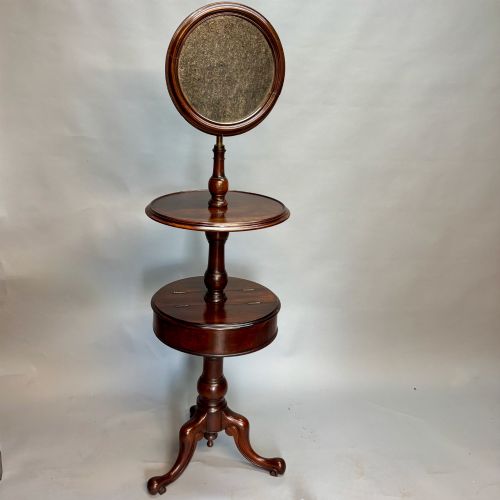
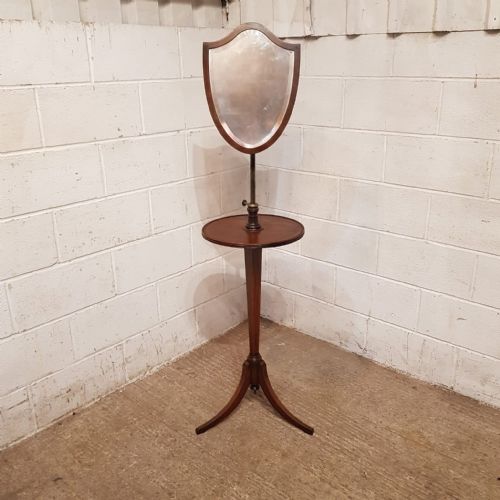
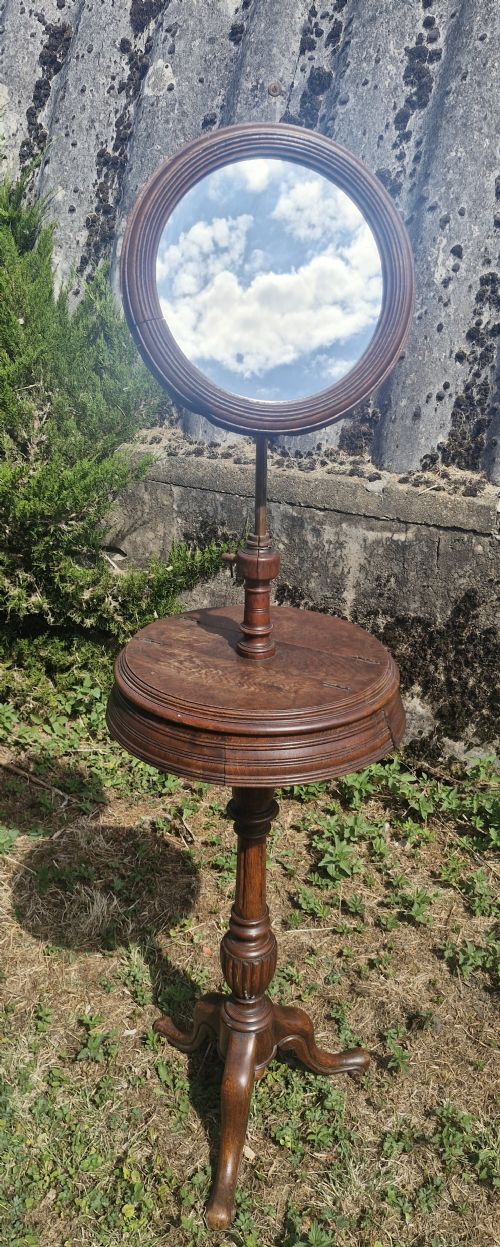
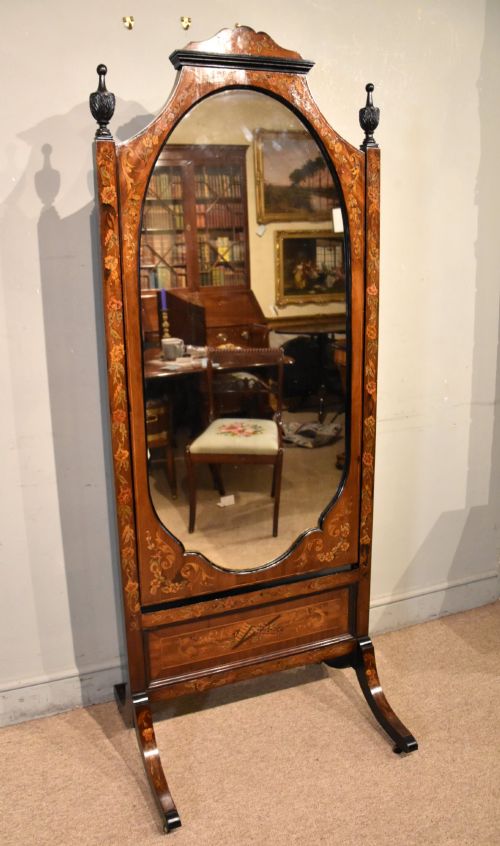
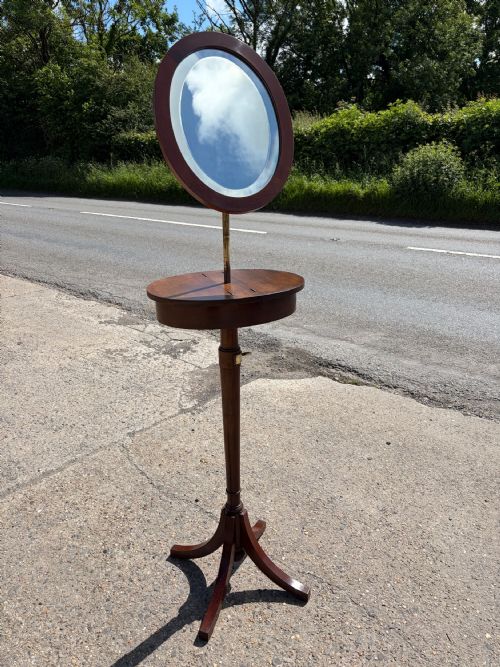
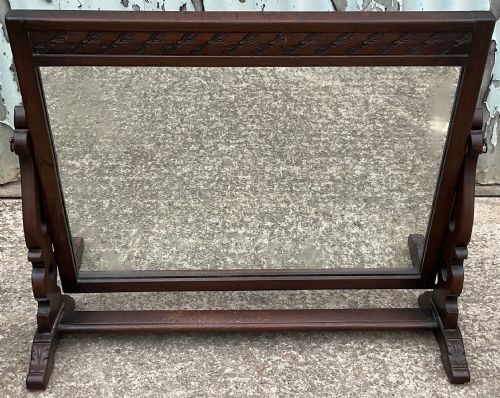
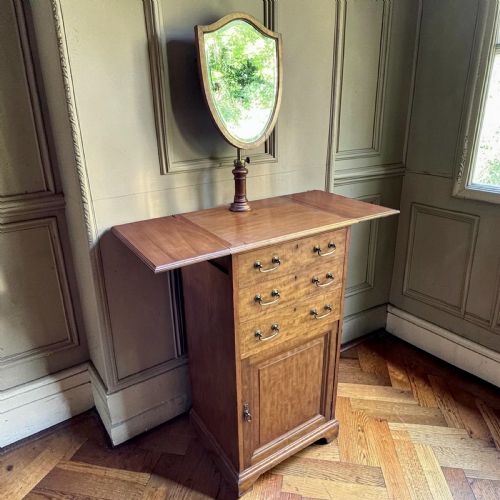
When searching for an edwardian adjustable mirror, buyers encounter a variety of forms designed for personal grooming and dressing. The selection spans shaving stands, cheval mirrors, dressing chests, and tabletop toilet mirrors dating across Victorian, Edwardian, and early twentieth-century periods.
Mahogany and oak dominate the construction, often featuring marquetry inlay, brass fittings, and swing or pivoting frames. Many pieces incorporate telescopic mechanisms or tripod bases to alter the height and angle of the glass.
The objects serve both functional and decorative purposes within bedrooms and dressing rooms. Originating from distinct periods including the late nineteenth century and the 1930s, these mirrors demonstrate period craftsmanship tailored to daily use.
How they were made
Cabinetmakers utilised timber such as mahogany, oak, and walnut to build the frames and stands, frequently embellishing surfaces with marquetry inlay. Metal elements in brass, copper, and painted iron provided the necessary hinges, brackets, and telescopic columns for movement.
Glass mirrors were housed within swing frames or mounted on pivoting axes, allowing users to adjust the reflection angle. Tripod bases and sturdy chest superstructures supported the weight of the glass while maintaining stability during adjustment.
Many a gentleman found his morning shave vastly improved by a telescopic tripod mirror that steadfastly refused to stay at the chosen height.
What varies in quality
The standard of timber selection and inlay work sets finer examples apart from simpler utilitarian pieces. Richly grained mahogany paired with precise marquetry indicates higher workshop execution.
Mechanical robustness in the adjustable fittings defines the upper tiers of production. Solid brass mechanisms that hold their position securely without slipping demonstrate superior craftsmanship compared to basic hinges.
The Edwardian Adjustable Mirror Glossary
- Cheval mirror
- A full-length plate glass mirror hung in a frame that tilts on vertical pivots. This allows the entire frame to swing freely.
- Shaving stand
- A specialised piece of furniture incorporating an adjustable mirror alongside storage or support for grooming equipment. These often feature tripod bases or compact cabinets.
- Marquetry inlay
- Decorative patterns formed by inserting thin pieces of wood into a veneered surface. This technique adds pictorial or geometric ornamentation to the timber frame.
- Telescopic
- A mechanism allowing parts to slide within one another to alter height. This design enables the mirror position to be raised or lowered.
Edwardian Adjustable Mirror: Frequently Asked Questions
How do I adjust the mirror?
Most pieces utilise side pivots, brass thumbscrews, or telescopic columns that allow the frame to tilt or alter in height. Users simply loosen the fitting, position the glass to the desired angle, and tighten the mechanism.
Heavier cheval mirrors rely on balanced side pivots, while tabletop toilet mirrors use swing frames held by tension nuts on the upright posts.
What rooms suit these mirrors?
These pieces fit naturally in bedrooms, dressing rooms, and bathrooms where personal grooming takes place. Tabletop versions sit comfortably upon dressing chests or sideboards.
Freestanding cheval mirrors and shaving stands occupy floor space effectively, serving as both functional accessories and decorative period furniture.
How do I date the wood?
Dating relies on observing timber choices, construction methods, and hardware styles associated with Victorian, Edwardian, and later periods. Mahogany and oak appear across multiple decades, but distinct inlay patterns and brass fittings help narrow the era.
Earlier nineteenth-century pieces often display heavier proportions and hand-turned components, whereas Edwardian examples frequently show lighter marquetry and refined framing.
Are the glass plates original?
Mirror glass can sometimes show signs of replacement over long periods of use, though many retain their original silvered plates. Faint foxing, minor speckling, or slight distortion in the reflection often indicate age.
Examining the edge bevels and the way the glass sits within the wooden rabbet helps determine whether the plate belongs to the original construction.