

Antique Urn with Cover
An antique urn with cover brings classical presence to a room, offering sculptural form alongside decorative function.
Antique Urn with Cover
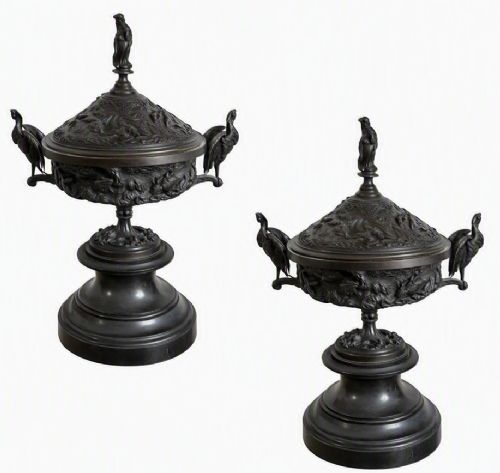
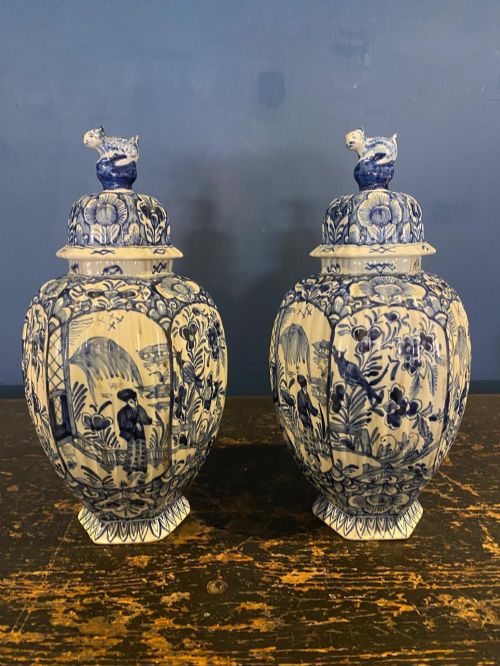
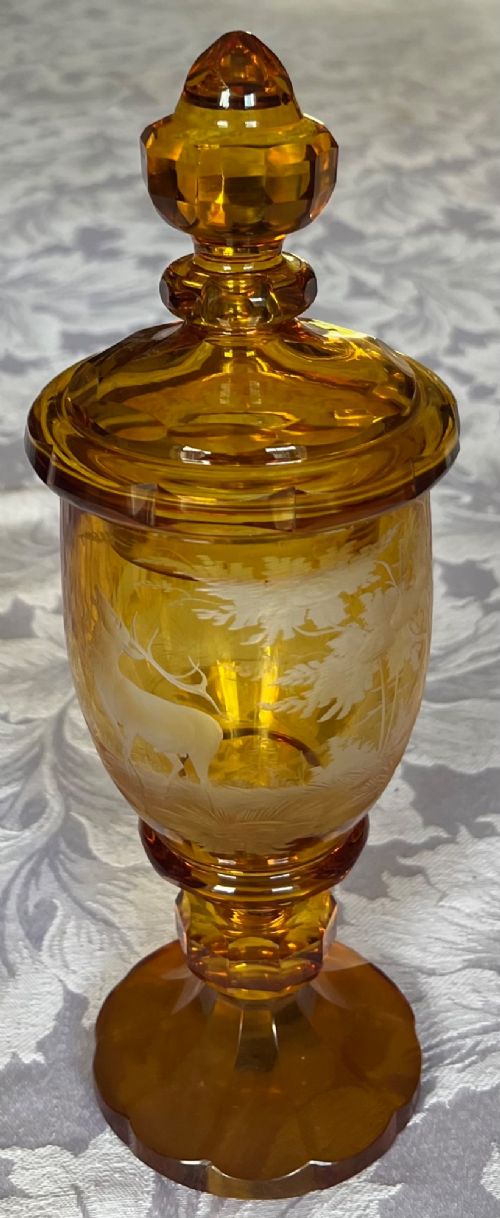
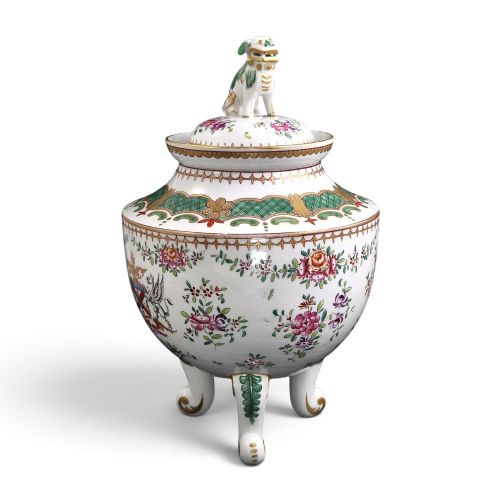
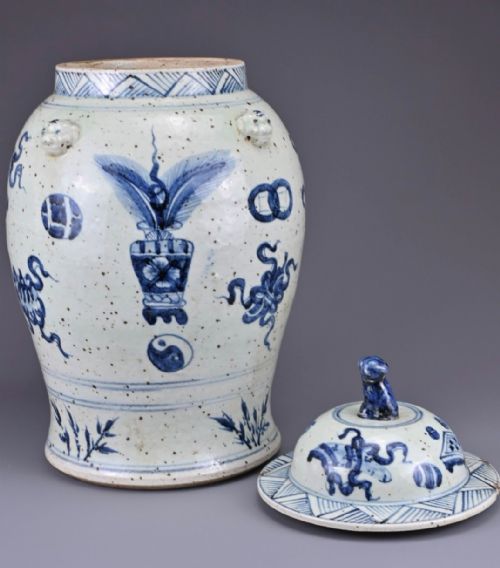
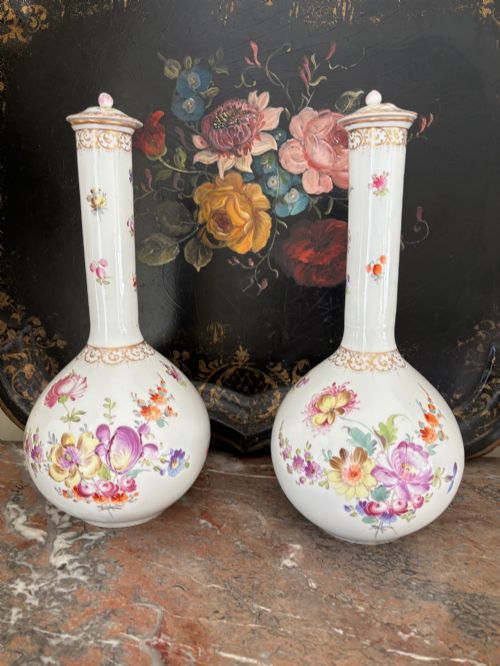
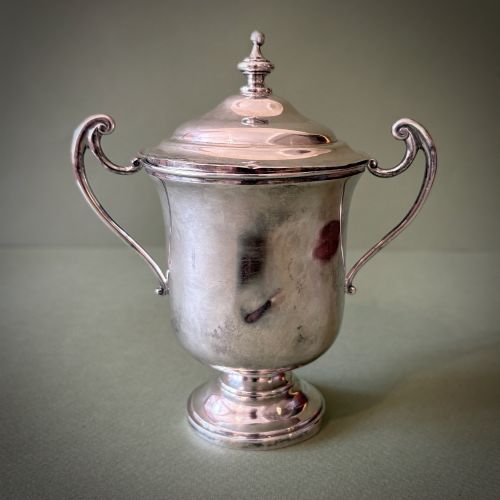
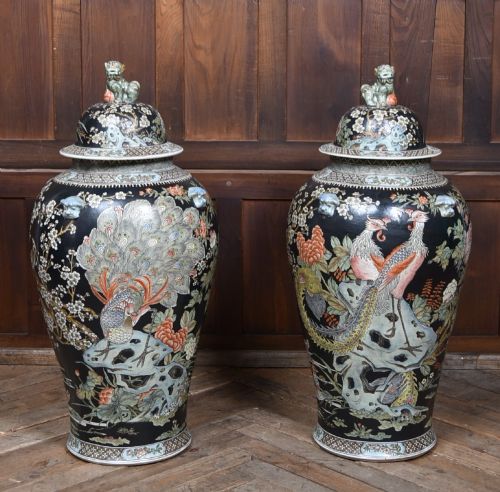
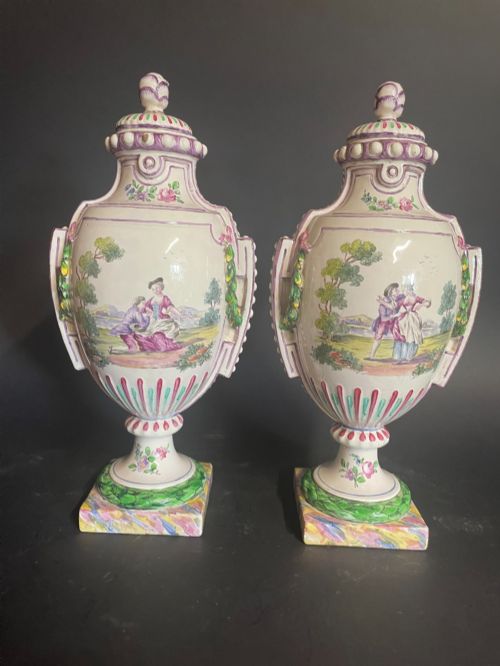
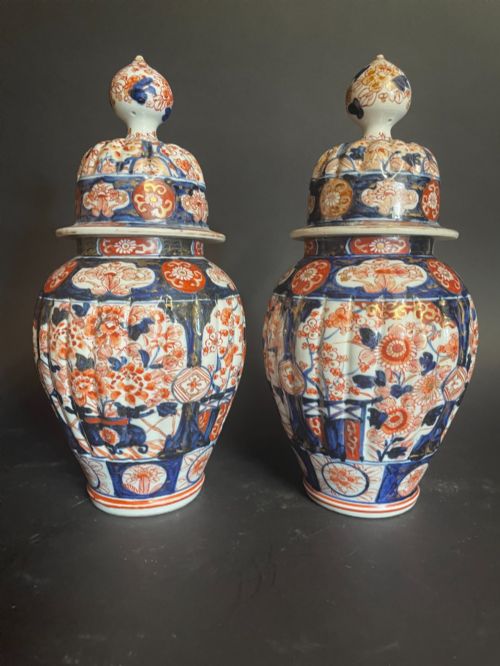
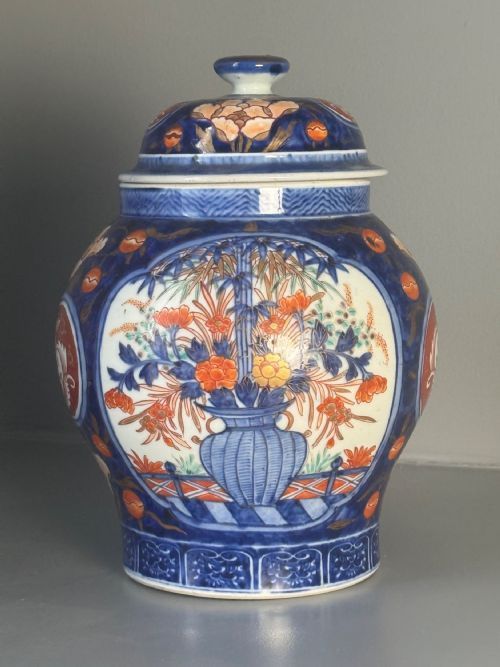
An antique urn with cover combines a substantial vessel body with a matching lid, appearing in forms such as amphorae, pedestal vases, and ginger jars. These pieces emerge primarily from the nineteenth century, alongside examples from the eighteenth and early twentieth centuries.
The materials span porcelain, earthenware, tin-glazed pottery, and terracotta, often accompanied by metal, glass, or wood. Makers across Britain, continental Europe, and Japan produced these covered vessels for display on mantelpieces, pedestals, and sideboards.
Domestic and continental factories utilised traditional potting methods to create vessels designed to hold dry goods, display painted scenes, or simply command visual attention in a formal interior scheme.
How They Were Made
Ceramic bodies were formed on the wheel or cast in moulds, then fired before receiving glazes, tin-enamels, or applied metal mounts. Artisans painted floral motifs, landscapes, and figures by hand directly onto the dry or glazed surface.
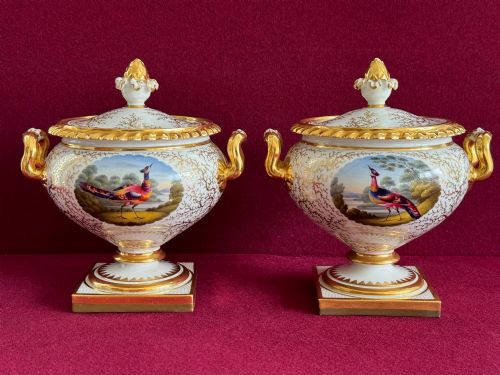
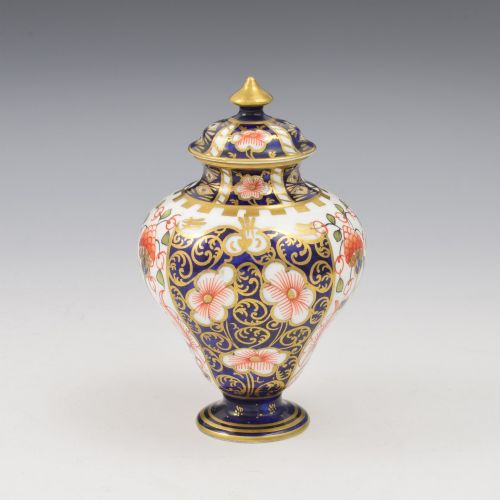
Gilding with gold leaf or liquid gold was applied to rims, handles, and panels, requiring a secondary firing to fix the metal to the porcelain or earthenware base.
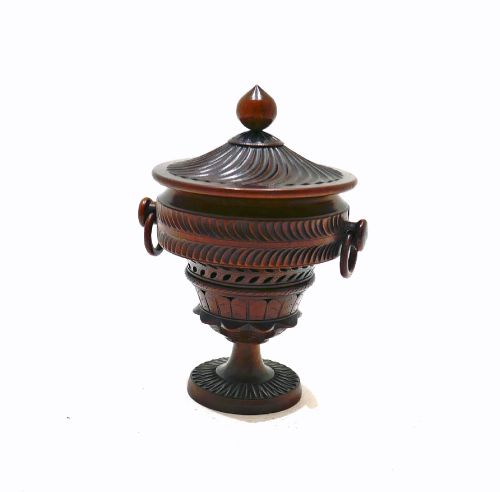
Even fruitwood treen cups disguised themselves as miniature covered urns to hold pomanders on dressing tables.
What Varies in Quality
The standard of hand painting dictates the visual success of a piece, separating mechanical repetition from fluid, detailed brushwork executed by named artists. Crisply modelled handles, clean casting lines on metal mounts, and precise registration of lids indicate superior workshop output.
The depth and richness of the glaze, whether scale blue, blush ivory, or tin-glaze, reflect the technical control achieved during the high-temperature firing process.
Chamberlain Worcester·Sitzendorf·Vienna Porcelain·Booths Silicon China·Spode·Faience·Helena Wolfsohn Dresden·Royal Winton·Coalport·Flight Barr And Barr·Royal Crown Derby·Royal Worcester·Auguste Cain
The Antique Urn with Cover Glossary
- Amphora
- A two-handled jar with a narrow neck, used in classical antiquity and imitated during the nineteenth century. These vessels typically feature a tapering body resting on a foot or pedestal.
- Blush Ivory
- A cream-coloured ceramic ground developed by Royal Worcester, resembling unglazed ivory. This surface serves as a soft background for hand-painted floral and animal decoration.
- Cloisonne
- A metalwork technique where thin wire partitions create compartments on a vessel surface. These cells are filled with coloured enamel paste and fired.
- Maiolica
- Tin-glazed earthenware produced in Italy and other European centres, known for opaque white surfaces painted with bright colours. Tin-glazed pieces require careful firing to achieve an even finish.
Antique Urn with Cover: Frequently Asked Questions
How do I date an antique urn?
Dating relies on factory marks stamped or painted on the base, combined with stylistic cues from periods like the Regency or Victorian eras. Examining the body material and glaze type provides further chronological context.
Factory archives often record specific pattern numbers and artist ciphers, allowing collectors to narrow production down to a specific decade.
Were these covers made for daily use?
Most covered urns served as decorative garnitures or display pieces rather than practical containers for food or liquids. The lids protected delicate interior wells or simply completed the sculptural silhouette.
Some forms, such as ginger jars or tea caddies, originally stored dry commodities before transitioning into pure ornament.
How should I clean porcelain and ceramic urns?
Dusting with a soft, dry brush removes everyday particles without risking abrasion to painted surfaces or delicate gilding. Water and harsh detergents should be avoided on antique enamels and overglaze decoration.
If washing is necessary, consult a professional conservator to prevent moisture from penetrating unglazed potting areas or old hairline cracks.