

Antique Urn Lamps
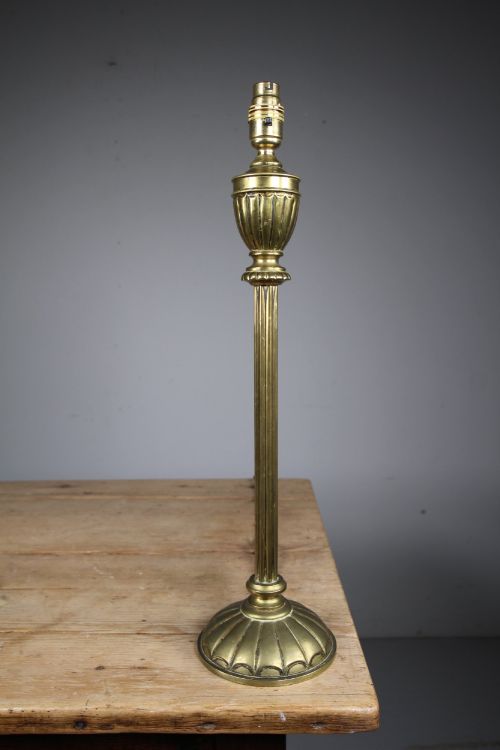
Antique urn lamps combine classical vessel forms with domestic lighting, offering a sculptural silhouette rooted in centuries of decorative arts.
Antique Urn Lamps
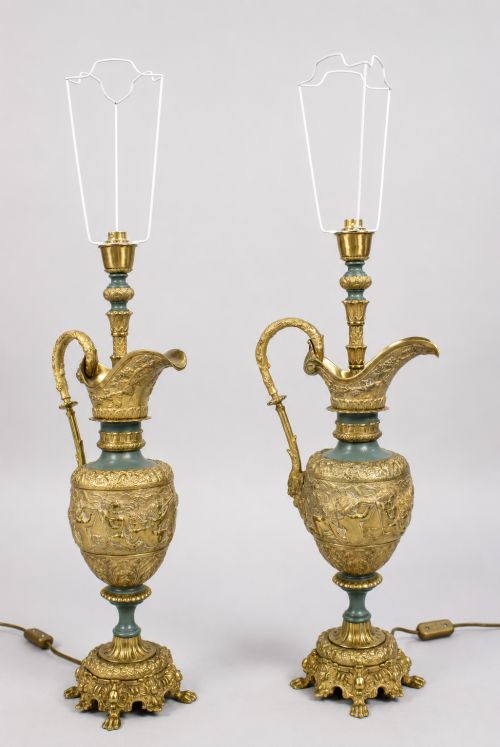
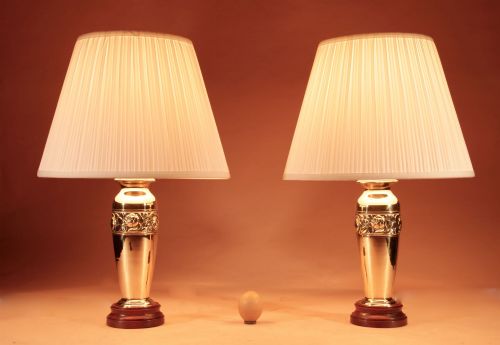
Antique urn lamps take the classic vessel shape of historical vases, ewers, and classical urns and adapt them into functional table lighting. Buyers seeking these pieces encounter designs that draw upon nineteenth-century French and English decorative traditions alongside Asian ceramic and bronze bodies.
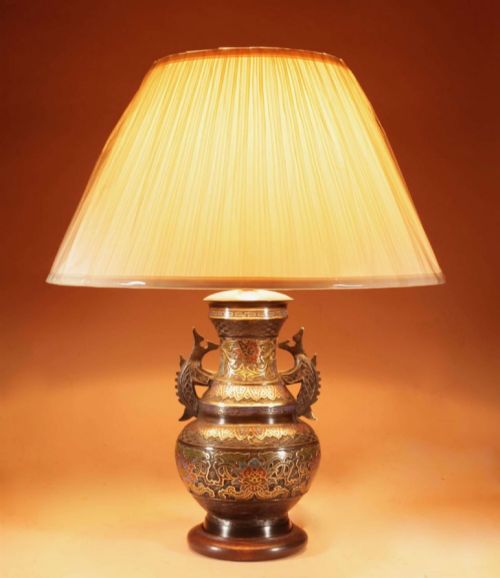
Stylistically, these pieces range from French Neoclassical and Rococo Revival models mounted with gilt bronze to Japanese bronze and Champlevé enamel examples from the Meiji period. The common thread is the use of an amphora or urn body as the central pillar of the lamp.
Materials and Construction
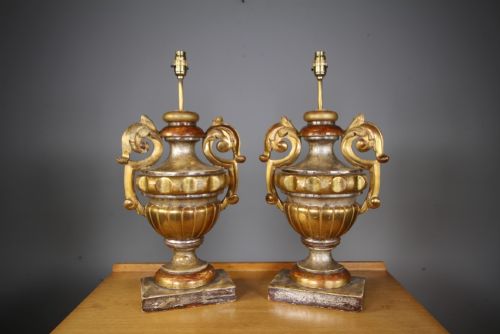
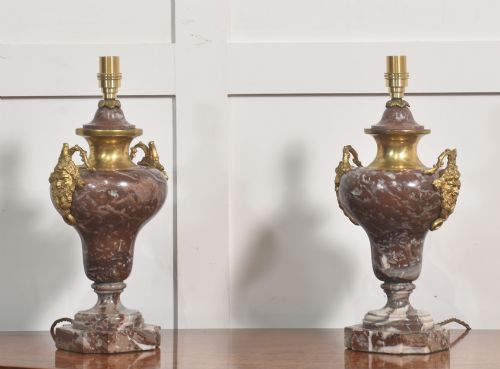
The body of an antique urn lamp typically utilises heavy materials such as rouge marble, alabaster, carved pine, or glazed porcelain to provide a stable foundation. These materials are frequently paired with metal mounts, handles, and bases cast in brass, bronze, or ormolu.
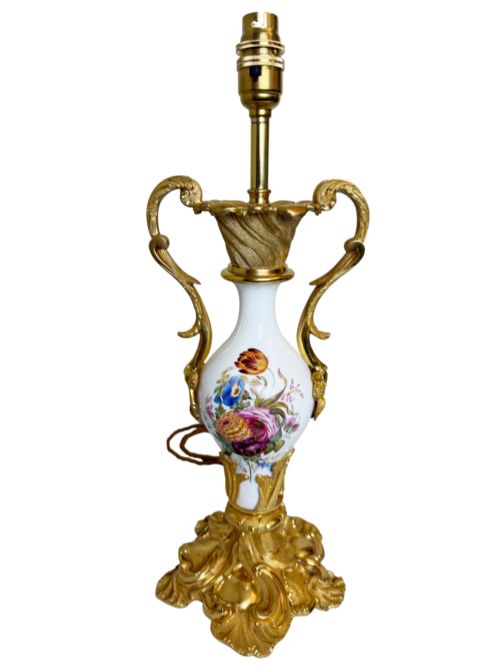
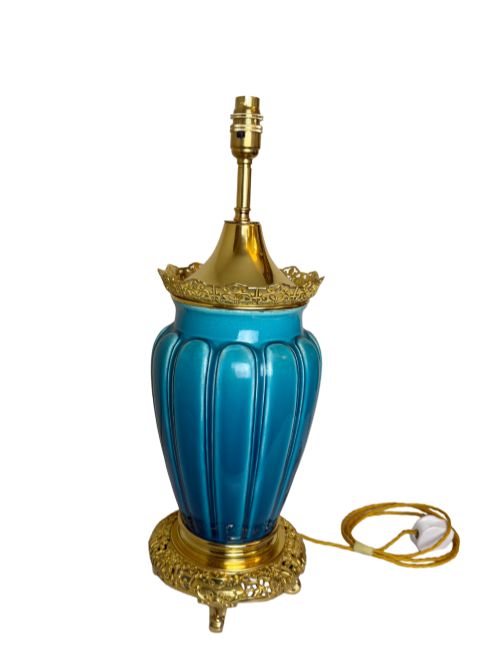
Many examples incorporate mixed media, setting porcelain or ceramic vases into gilt metal bases and adding decorative handles or floral mounts. Turned wood and cast metals form the structural core for lamps derived from earlier candlesticks and oil lamps.
Several pieces feature historic ceramic vessels from French Sevres style workshops and Royal Worcester.
Evaluating Quality and Execution
Quality in these lamps rests upon the weight and finish of the primary materials and the crispness of any metal mounts. High-grade pieces display finely chased ormolu, hand-painted porcelain details, and genuine stone bodies rather than moulded substitutes.
The integrity of the conversion also defines the standard of the piece, distinguishing between sensitive adaptations that preserve the original vessel and heavier alterations. Matching pairs demonstrate greater uniformity in casting and decoration, reflecting a higher workshop standard.
Royal Worcester·Druce & Co London
The Antique Urn Lamps Glossary
- Ormolu
- Gilded bronze applied as a decorative mount or foot on furniture and lighting. This technique was widely utilised in nineteenth-century French workshops.
- Champlevé
- An enamelling technique where troughs are carved into a metal surface and filled with vitreous enamel before firing. It appears frequently on Japanese bronze pieces from the Meiji period.
- Pate Sur Pate
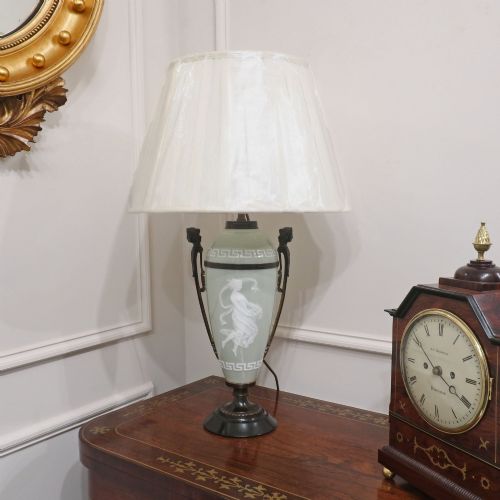
- A ceramic decoration method where wet porcelain slip is built up in layers on a contrasting body to create a low relief cameo effect. It is associated with fine nineteenth-century porcelain lamps.
- Grand Tour
- A cultural journey undertaken by wealthy Europeans in the eighteenth and nineteenth centuries, inspiring the acquisition of classical antiquities and bronzes.
- Ewer
- A large jug with a wide spout and handle, commonly adapted into urn lamps due to its classical vessel proportions.
Antique Urn Lamps: Frequently Asked Questions
What are antique urn lamps?
Antique urn lamps are lighting fixtures built using historical vessel forms, including classical urns, vases, and ewers, as the main body. They are typically sourced from the nineteenth and early twentieth centuries.
Many of these pieces began as decorative vases or oil lamps before being converted for electrical use. Their designs draw upon French Neoclassical, Japanese Meiji, and English revival styles.
How do you date an urn lamp?
Dating relies on examining the materials, mounting techniques, and stylistic markers of the base vessel. Nineteenth-century examples often feature hand-chased bronze mounts and hand-painted porcelain.
The wiring and electrical fittings are usually modern replacements, so dating focuses entirely on the underlying antique body and its decorative hardware.
Where were these lamps placed?
In historic interiors, urn lamps sat upon side tables, pedestals, or occasional tables in formal reception rooms. Their sculptural presence made them focal points in hallways and drawing rooms.
Today, they function well on sturdy side tables or chests where their height and weight can be safely accommodated.
Are these lamps original conversions?
Many urn lamps began life as decorative vases, ewers, or oil lamps before receiving electrical fittings at a later date. This conversion practice has a long history among decorators and collectors.
The adaptation preserves the decorative value of the original vessel while updating its function for domestic lighting.