




Gilded Table Lamps
Gilded table lamps bring warmth and metallic richness to a room, spanning periods from the nineteenth century through the 1930s.
Gilded Table Lamps
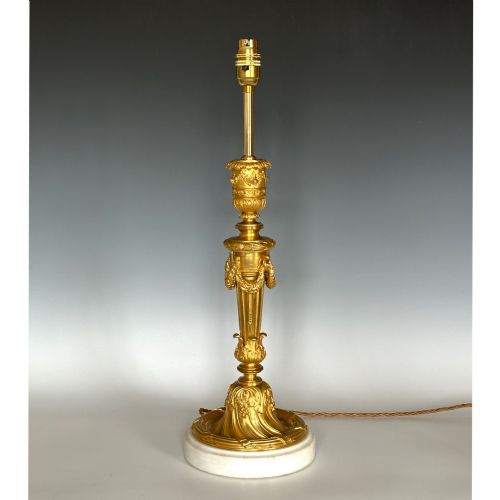
Gilded table lamps encompass a variety of forms designed to illuminate interiors through reflected light and ornate metallic surfaces. When you search for gilded table lamps, you encounter items ranging from converted oil lamps and candelabra to dedicated lamp bases made in nineteenth-century workshops.
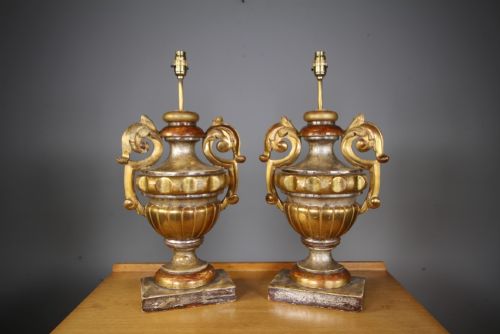
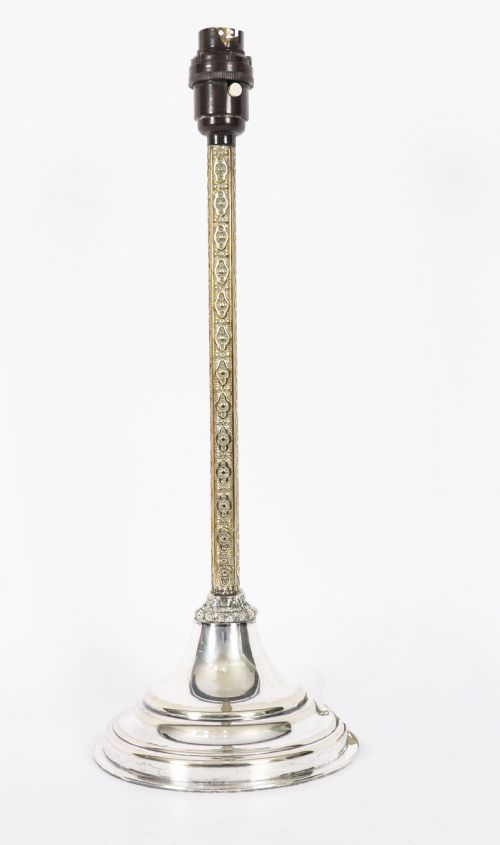
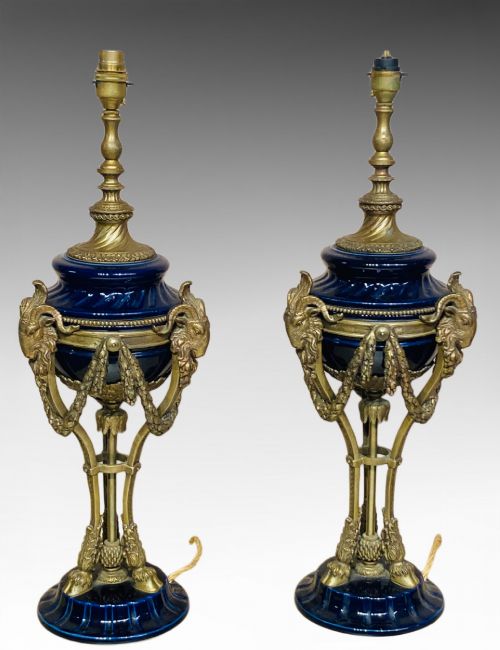
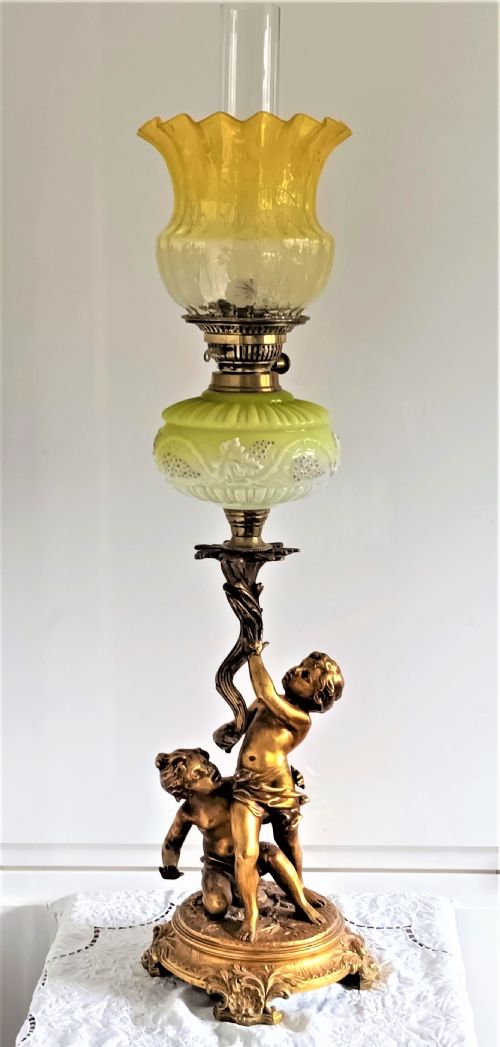
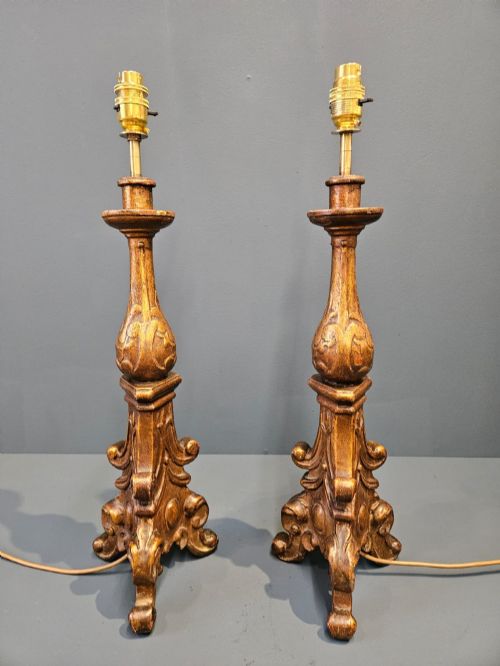
The selection includes pieces shaped as classical urns, slender columns, and decorative figures, drawing on French Rococo, Neoclassical, and Louis XVI styles. Materials vary from carved wood covered in gold leaf to cast ormolu and gilded brass.
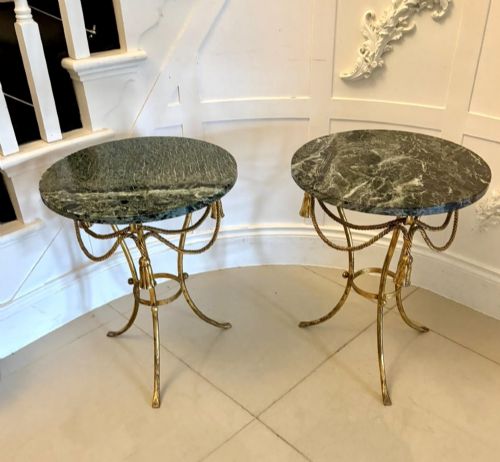
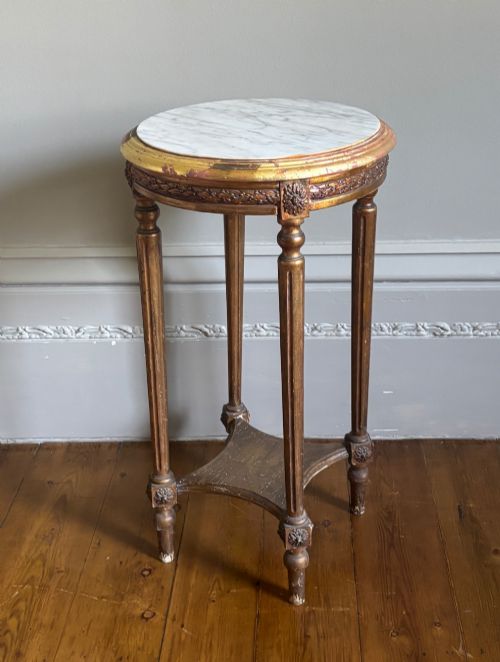
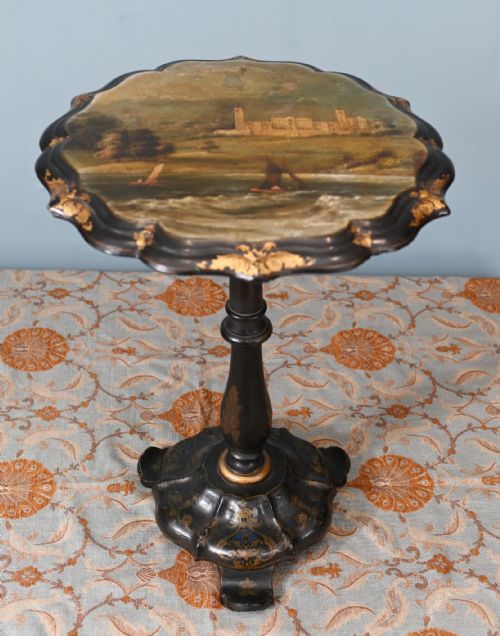
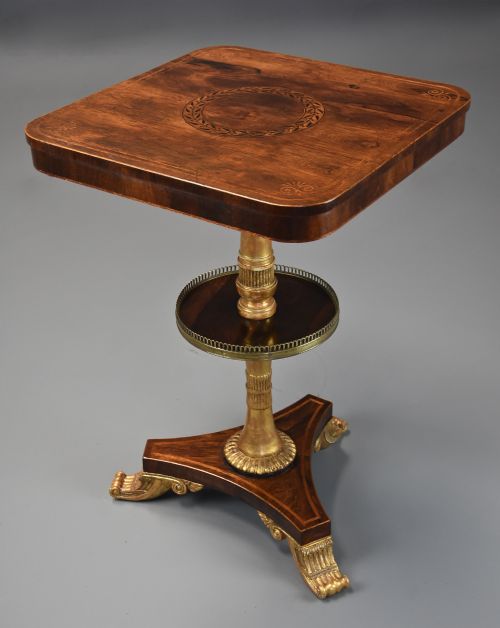
Many examples originate from French and English makers, alongside Japanese Satsuma ceramics adapted with metal mounts. These fixtures appear alongside occasional tables and side tables that share similar gilt and marble finishes.
How They Were Made
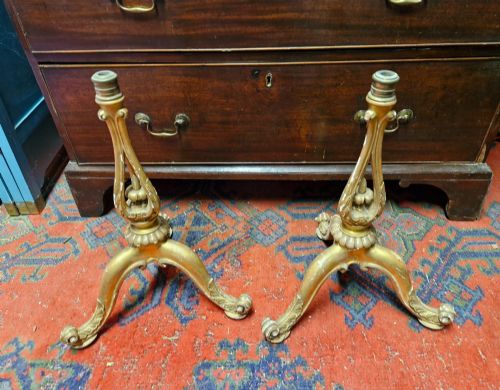
Craftsmen built these lamp bases using carved timber, pine, and gesso before applying layers of gold leaf or giltwood finishes. Metal components relied on brass, bronze, and ormolu, often cast with floral mouldings, rams' heads, or cherub motifs.
Makers combined stone elements such as rouge marble, onyx, and verde marble with metallic mounts, securing them with threaded fasteners. Porcelain and ceramic bodies, including Royal Worcester and Satsuma ware, received gilt decoration or metal mountings during assembly.
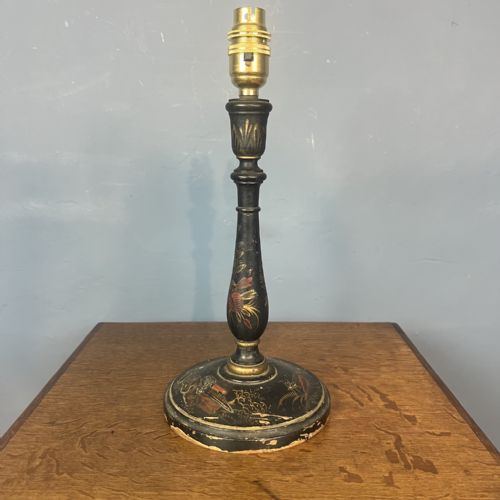
Listings feature items from the Regency and Victorian eras alongside 1920s Satsuma ceramics and Edwardian lacquered pieces.
What Varies in Quality
The distinction between ordinary and superior pieces rests on the crispness of the casting in ormolu and bronze elements, alongside the depth of hand-carved detail in giltwood items. Superior examples display refined chasing on metal surfaces and retain original gilding rather than later paint applications.
The integration of materials determines the success of the piece, as seen in the precise fitting of marble bases, onyx columns, and crystal glass components. Well-balanced proportions and authentic period styling, such as Louis XVI or French Rococo revival details, elevate the status of individual lamps.
Mappin and Webb·George Bullock·Royal Worcester
The Gilded Table Lamps Glossary
- Ormolu
- Gilt bronze, typically produced by applying a mixture of gold and mercury to a bronze base and heating it. This technique was widely utilised in French lighting and furniture during the eighteenth and nineteenth centuries.
- Giltwood
- Timber, such as pine or carved wood, coated with a thin layer of gold leaf over a prepared gesso ground. It provides a bright reflective surface for decorative lamps and mirrors.
- Chinoiserie
- European decorative style reflecting Chinese artistic traditions, popular in furniture and lamp design during the Edwardian period. It incorporates lacquerwork and painted motifs.
- Volute Krater
- Ancient classical vase form featuring scroll-shaped handles, which inspired nineteenth-century Grand Tour metal lamp bases. These vessels often appear in patinated and gilded brass.
- Girandole
- A branched wall sconce or candelabra adapted for table use, featuring mirrored glass backplates or crystal drops to multiply candlelight. They frequently incorporate silver or gold gilt finishes.
Gilded Table Lamps: Frequently Asked Questions
How do I identify a nineteenth-century gilded lamp?
Nineteenth-century lamps typically display heavy cast ormolu, hand-carved giltwood, or patinated brass rather than modern lightweight alloys. Examine the construction joints and the wear on the gold leaf to understand the age of the piece.
Makers from this era frequently drew on French Neoclassical or Rococo revival styles, incorporating materials like marble and onyx into the base structures.
What is the difference between ormolu and gilt brass?
Ormolu refers specifically to finely chased and gilded bronze, which yields a deeper, more uniform metallic lustre through mercury amalgamation or fire gilding. Gilt brass uses a different base metal and often relies on gold leaf or modern electroplating techniques.
Bronze items generally exhibit sharper detail in cast ornaments such as floral mouldings and classical figures.
Were these lamps originally made for electricity?
Most nineteenth-century and early twentieth-century pieces began as oil lamps, candelabra, or candlesticks before conversion to electrical wiring at a later date. Converted oil lamps often retain their original burners or glass reservoirs alongside added fittings.
Altering these items for modern use was a common practice throughout the twentieth century to preserve decorative fixtures in domestic settings.
How should I clean a antique giltwood lamp?
Antique giltwood requires gentle dusting with a soft, dry brush to prevent damage to the delicate gold leaf layers. Avoid using water, liquid cleaners, or chemical solvents, which strip the gesso and underlying preparation.
Preserving the original surface maintains the character and historical integrity of carved wooden lamp bases.