






Antique Mantel Lamps
Antique mantel lamps bring decorative illumination and period character to a room, spanning styles from Regency bronze to Art Deco glass.
Antique Mantel Lamps
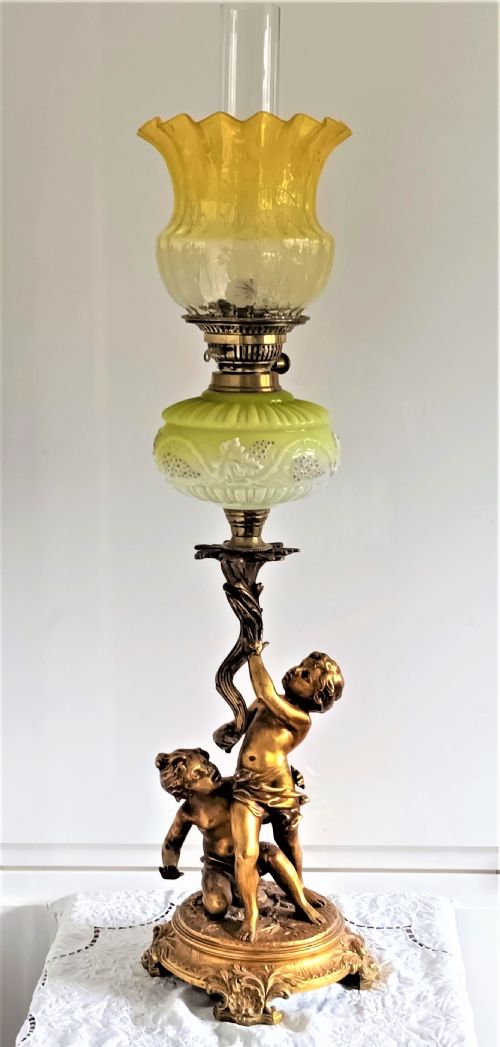
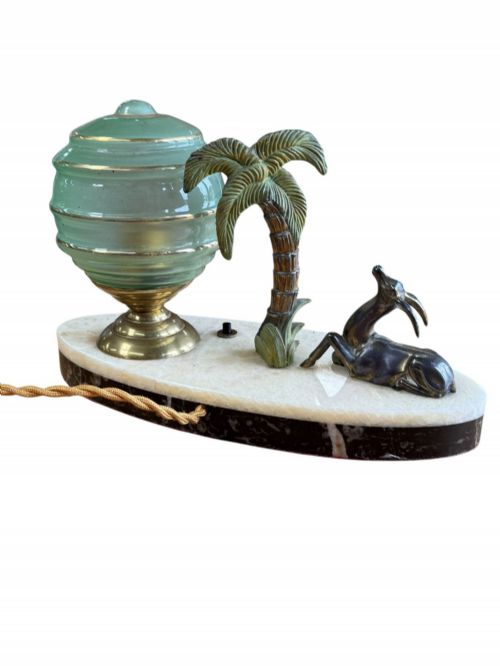
When you search for antique mantel lamps, you encounter a varied selection of lighting and decorative objects adapted from earlier periods, including the nineteenth century and the Art Deco era. The items gathered here encompass oil lamps, table lamps, vases, candlesticks, and desk clocks converted or created for domestic illumination.
How they were made
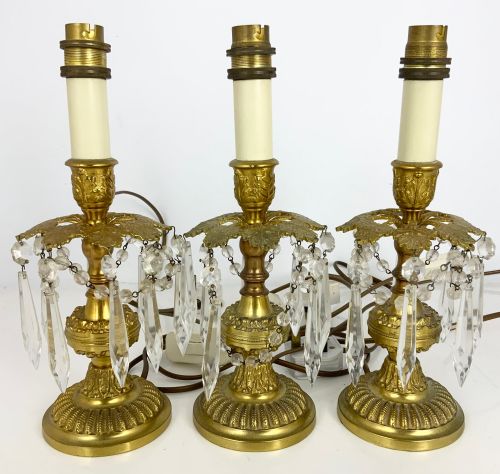
Makers utilised metals like brass, ormolu, and gilt metal, often combining them with solid marble bases to give stability and weight to the lamps. Spelter also appears as a base material, frequently paired with moulded glass or lustres.
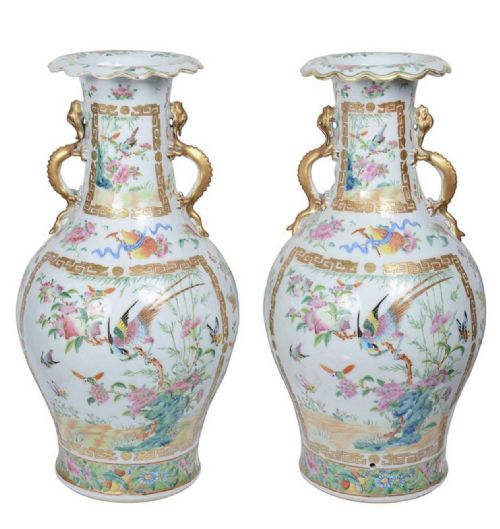
Decorative elements include hand-painted ceramic bodies, such as Rose Medallion porcelain, alongside cast bronze figures and cherubs reflecting classical or Art Deco motifs.
What varies in quality
The integrity of the conversion from oil or candle to electrical illumination also plays a part, alongside the preservation of original gilding and surface patination.
The Antique Mantel Lamps Glossary
- Ormolu
- Gilt bronze, where a finely ground high-carat gold-mercury amalgam is applied to a bronze base. This technique creates a rich, durable golden surface seen on finer decorative pieces.
- Spelter
- A zinc alloy frequently used as a cheaper alternative to bronze for decorative figures and lamp bases. It takes patination well to simulate heavier metals.
- Lustres
- Pendant glass prisms hung from the upper portion of a lamp or candelabrum to refract light. They catch the ambient illumination and enhance the decorative effect.
- Rose Medallion
- A distinct style of Chinese porcelain decoration featuring panels of figures and birds surrounded by green and pink floral motifs. These vases are occasionally converted into lamps.
Antique Mantel Lamps: Frequently Asked Questions
What are antique mantel lamps?
Antique mantel lamps are decorative lighting fixtures and converted objects designed to sit on a mantelpiece, sideboard, or table.
They originate from periods spanning the Regency era through to the mid-twentieth century, utilising materials like marble, brass, and glass.
How were antique mantel lamps used?
These pieces provided illumination in principal rooms before the widespread adoption of electricity, utilising oil, candles, or early electrical wiring.
Over time, many traditional oil lamps and decorative urns were adapted with electrical fittings for modern domestic use.
How do I date a mantel lamp?
Dating relies on identifying the prevailing style, such as Art Deco, Louis XVI, or Victorian, combined with the materials and manufacturing techniques employed.
Examining the metalwork, base construction, and any associated clock movements or ceramic types provides further chronological context.
Are mantel lamps safe for daily use?
Many antique lamps have been rewired for contemporary electrical standards, making them suitable for everyday placement in a home.
It remains sensible to have any vintage wiring inspected by a qualified professional before regular operation.