
Vintage Side Lamps
These vintage side lamps and companion tables bring period character and functional lighting to any room.
Vintage Side Lamps
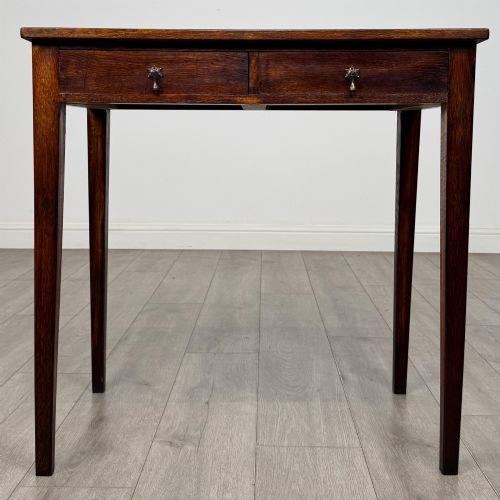
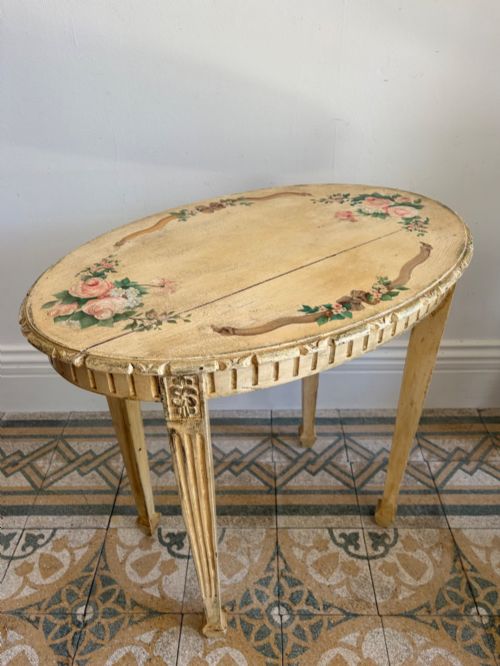
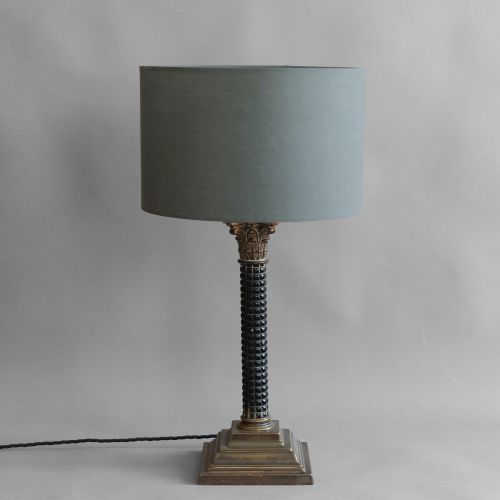
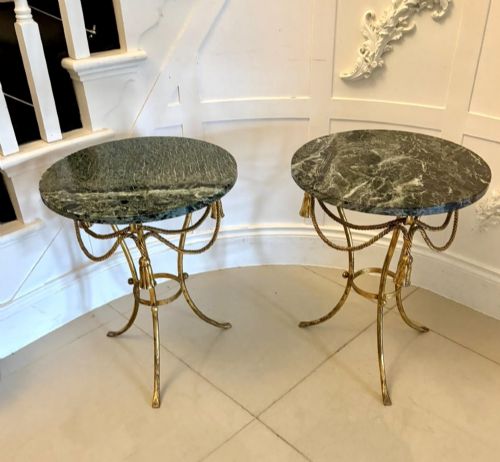
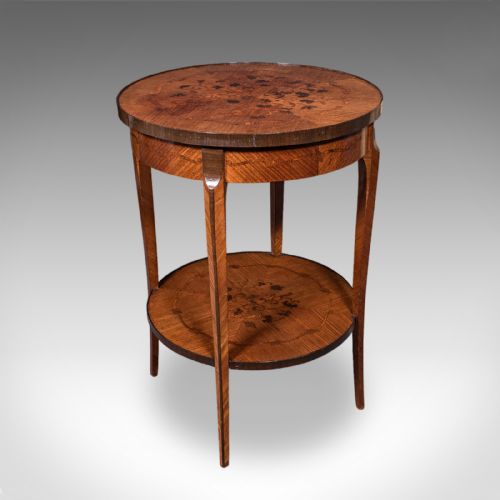
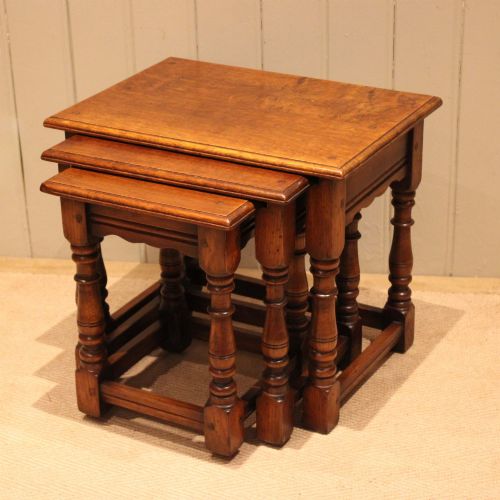
When buyers search for vintage side lamps, they find a diverse selection of lighting and small support tables spanning the Victorian, Edwardian, and Art Deco periods. These pieces include table lamps in brass, silver plate, and bronze alongside dedicated lamp tables and occasional tables designed to hold illumination.
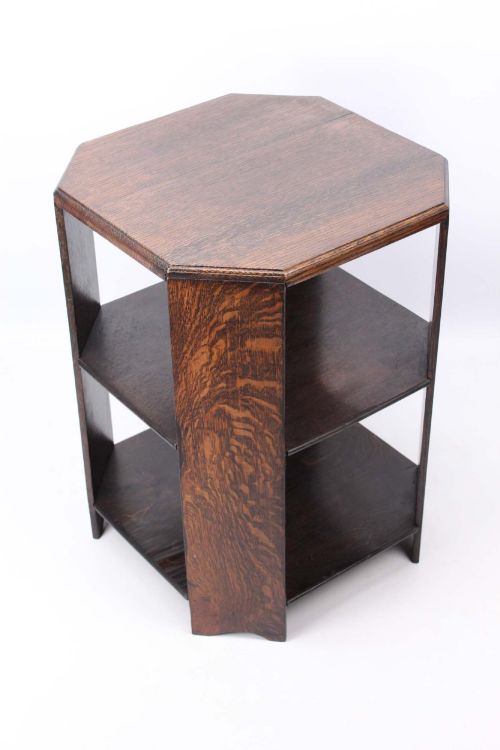
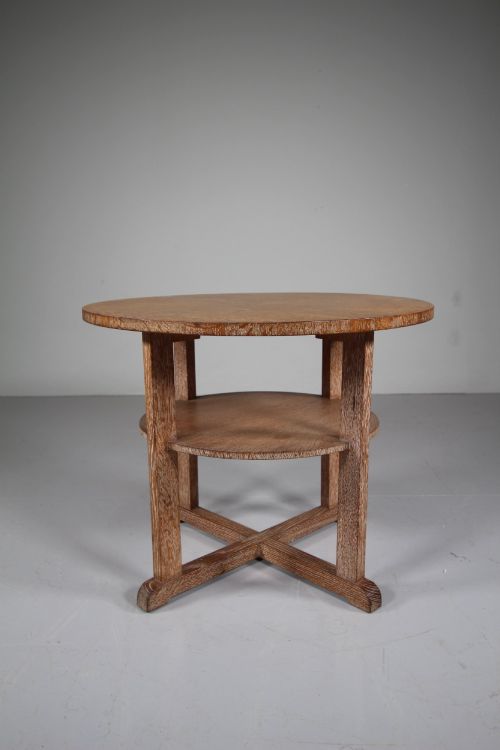
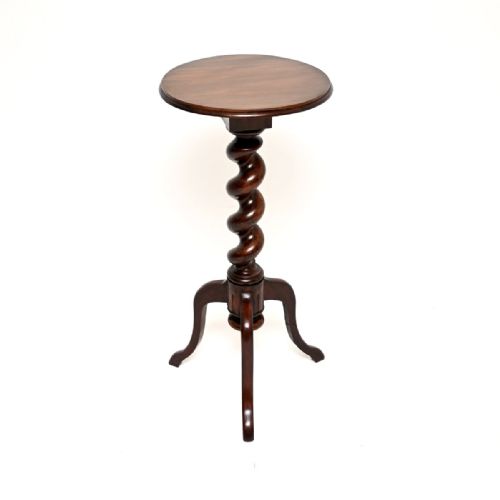
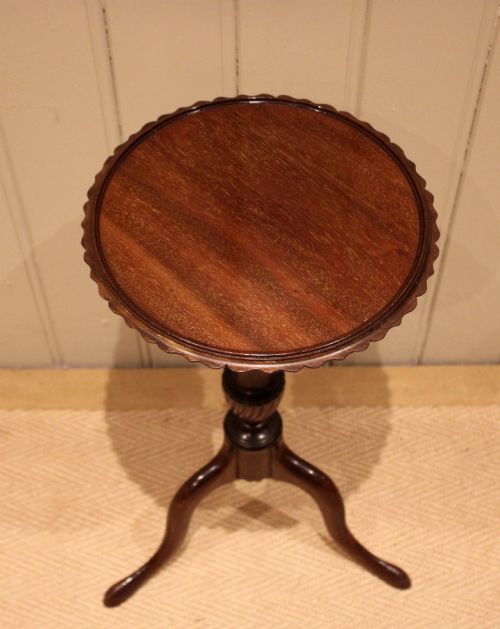
The assortment on this page draws heavily from the Edwardian era and the 1920s and 1930s, reflecting domestic lighting needs of the late nineteenth and early twentieth centuries. Forms range from column table lamps to small occasional tables, wine tables, and plant stands that double as lamp supports.
Materials and Craftsmanship
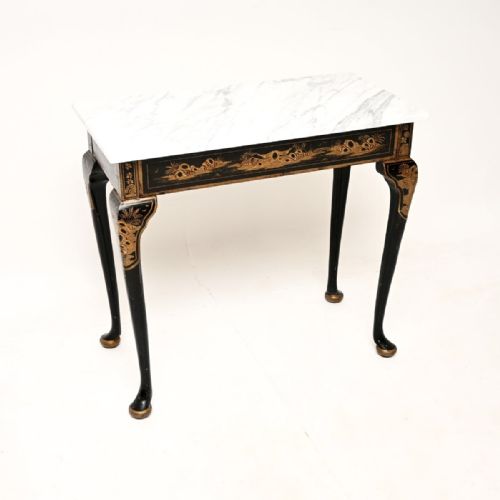
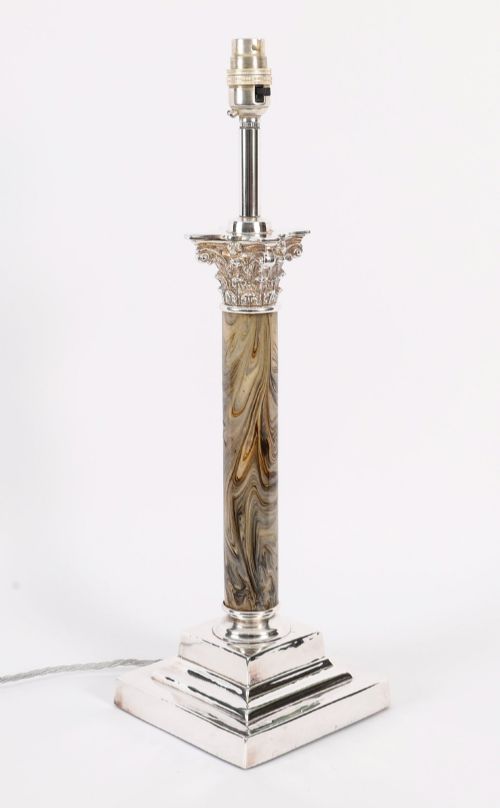
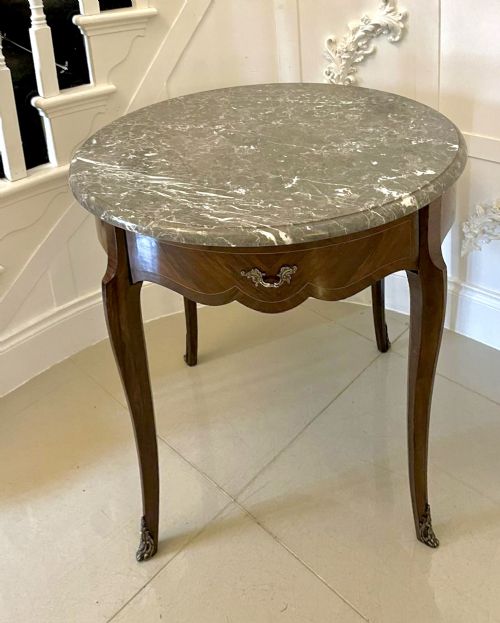
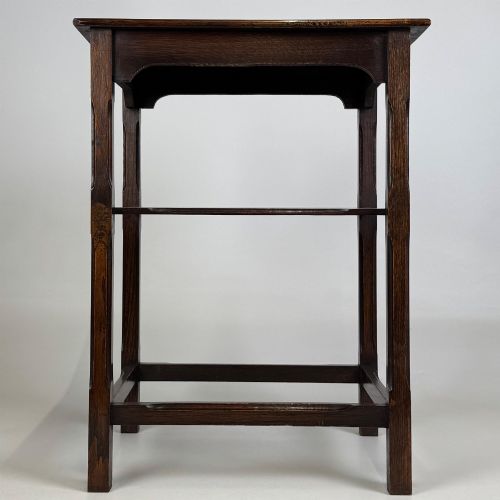
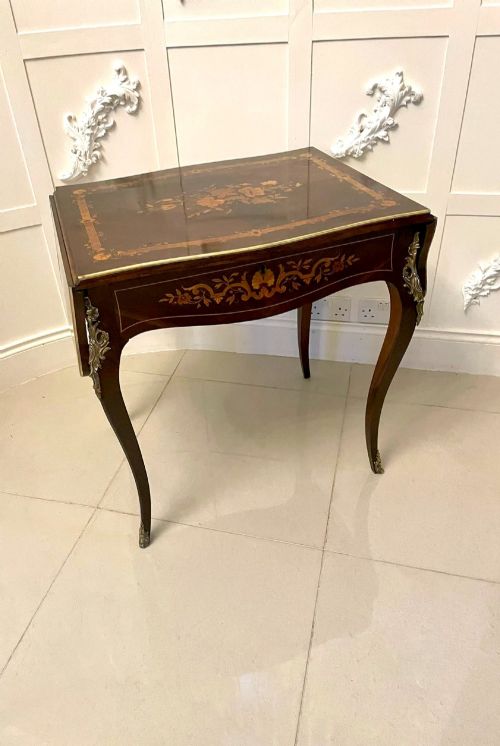
Cabinetmakers utilised sturdy hardwoods such as oak, mahogany, walnut, and yew, frequently incorporating marquetry inlay, carved details, or marble tops for formal reception spaces. Metalwork pieces rely on cast brass, bronze, and silver plate, often featuring classical Corinthian columns or figural cherub motifs.
Surface finishes include traditional waxing, lacquering, and French polishing, which highlight the natural grain of the timber and protect the brass and bronze components from tarnishing over decades of daily domestic use.
Listings feature oak, mahogany, walnut, brass, and marble across Victorian, Edwardian, and Art Deco periods.
Assessing Quality and Distinction
Quality in these items rests upon the crispness of timber carving, the choice of figured veneers such as walnut and kingwood, and the solidity of brass or bronze castings. Superior examples display refined proportions, precise marquetry inlay, and high-grade marble inserts fitted flush to the wooden frames.
The presence of matched pairs elevates a piece, as do signed elements or detailed metalwork. Simpler utilitarian items in plain oak or standard mahogany occupy the lower end of the range, constructed for everyday utility rather than formal display.
The Vintage Side Lamps Glossary
- Occasional table
- A small, movable table designed for a specific, transient use in a principal room. These versatile items frequently serve as supports for portable lighting.
- Marquetry
- Decorative veneer work using various woods to create pictorial or geometric patterns on tabletops. This technique requires considerable skill from the cabinetmaker.
- Ormolu
- Gilded bronze mounts applied to furniture, popular in French-influenced nineteenth-century pieces. It adds metallic lustre and architectural definition to timber surfaces.
- Corinthian column
- An ornate architectural column style featuring acanthus leaves, often adapted for the stems of heavy metal table lamps. This classical form remains a staple of Edwardian lighting.
Vintage Side Lamps: Frequently Asked Questions
How do I identify an Edwardian side lamp or table?
Edwardian pieces typically display lighter timbers like satinwood or lighter oak, alongside simpler lines compared to heavy Victorian furniture. They often reflect Arts and Crafts influences or simplified revival styles.
Look for functional design and modest proportions suited to smaller twentieth-century rooms rather than grand Victorian reception halls.
Were these metal lamps originally electrified?
Many nineteenth and early twentieth-century metal standards and column lamps were originally fitted for oil or gas before conversion to electricity. Rewiring is standard practice for safe modern use.
Original brass and bronze components are retained while modern internal wiring ensures compliance with current electrical safety standards.
Can I use an occasional table as a lamp table?
Occasional tables and wine tables were frequently utilised to hold small portable light sources beside seating areas. Their surface area accommodates small lamp bases easily.
Ensure the table height matches the arm height of adjacent seating to achieve correct reading illumination and visual balance.
What is the difference between Victorian and Art Deco pieces?
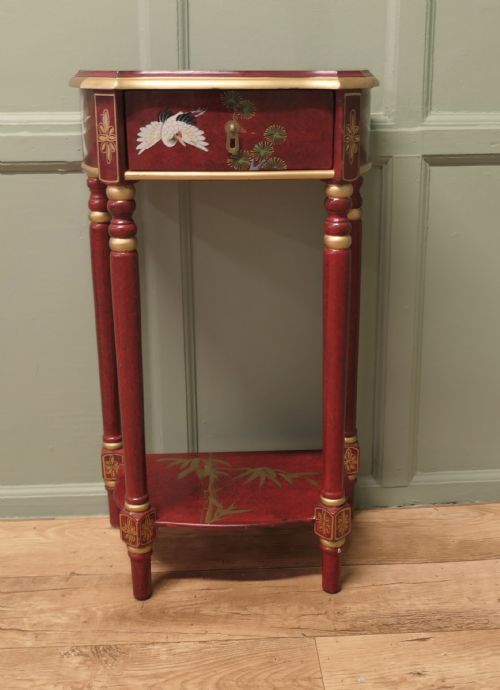
Victorian designs lean towards heavier dark woods, ornate carving, and classical revival motifs like Corinthian columns and chinoiserie lacquer. They project substantial presence and formal weight.
Art Deco items from the 1930s favour streamlined geometry, figured walnut veneers, and modernistic silhouettes that reflect industrial design shifts.