

Ormolu Table Lights
These ormolu table lights combine gilt metal and classical forms to bring warm, decorative illumination to a room.
Ormolu Table Lights
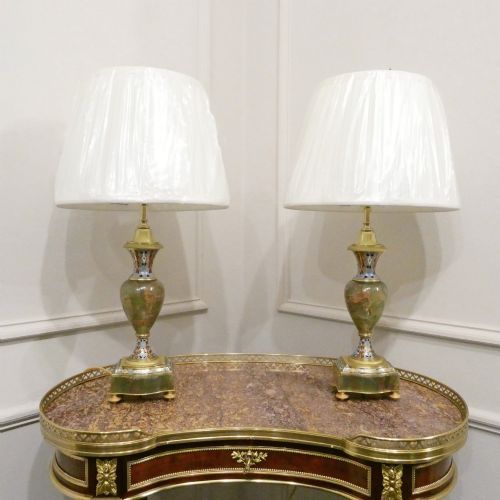
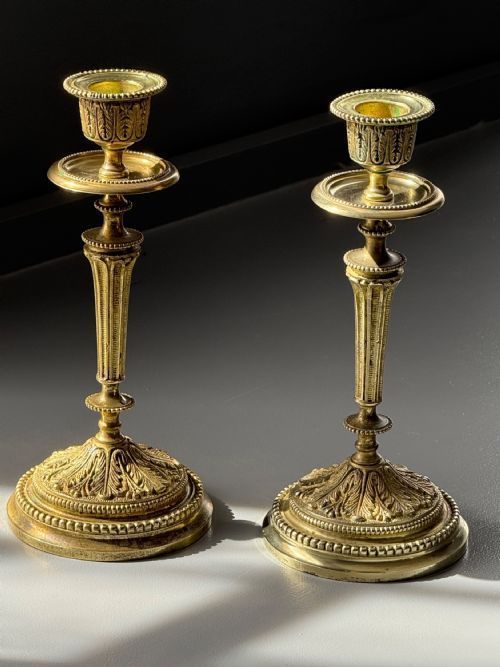
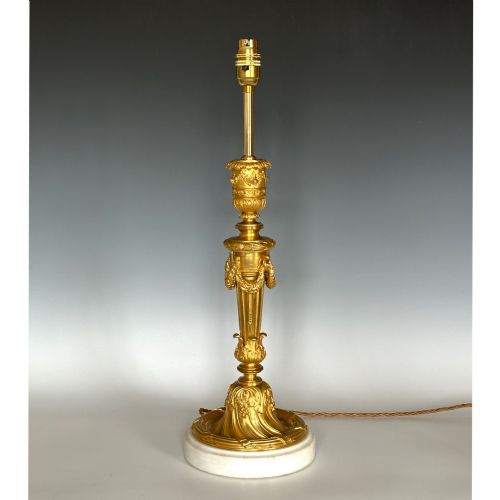
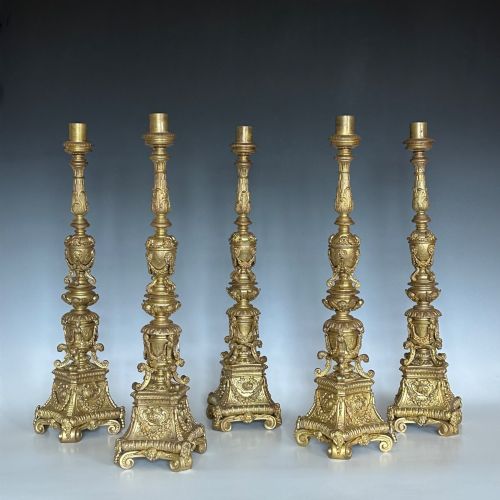
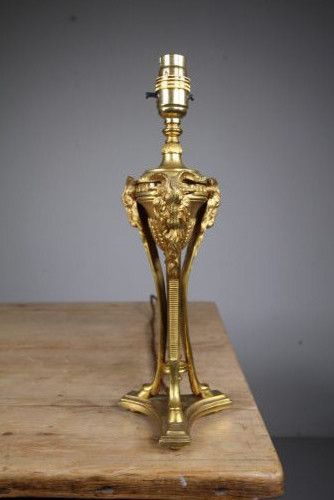
When you search for ormolu table lights, you encounter a varied selection of antique lighting and candlesticks adapted for electric bulbs, spanning periods from the eighteenth century through to the early twentieth century. The selection on this page consists predominantly of nineteenth-century French pieces, alongside eighteenth-century works and later revivals.
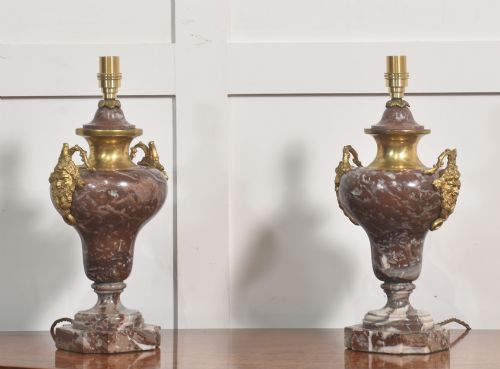
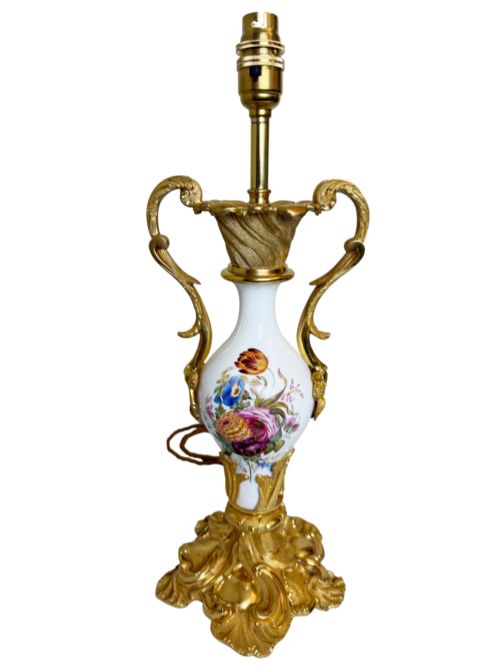
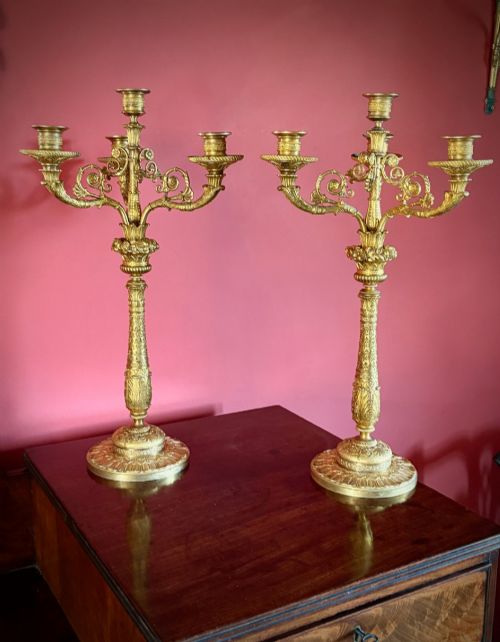
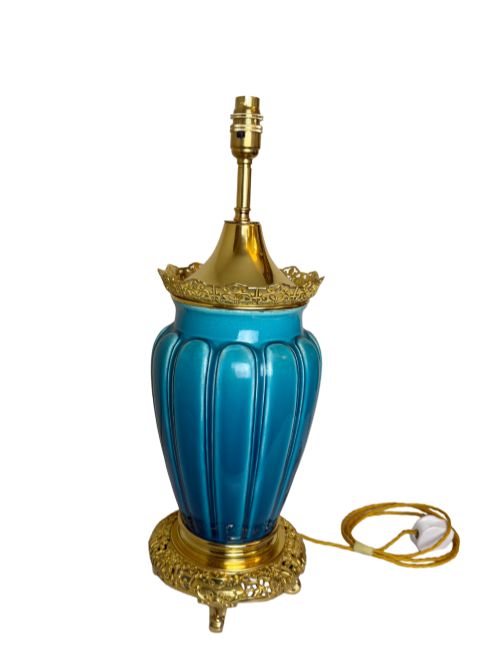
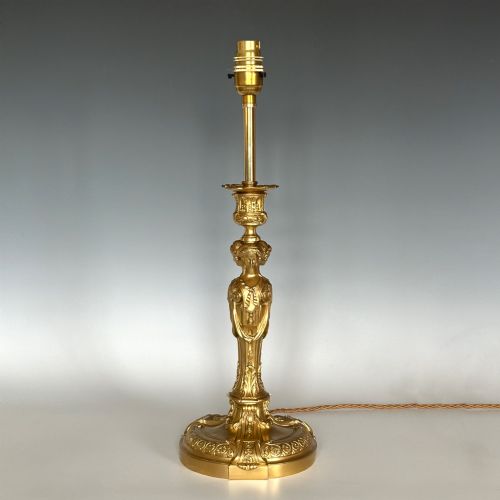
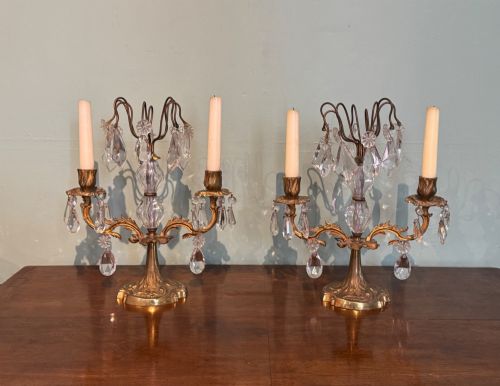
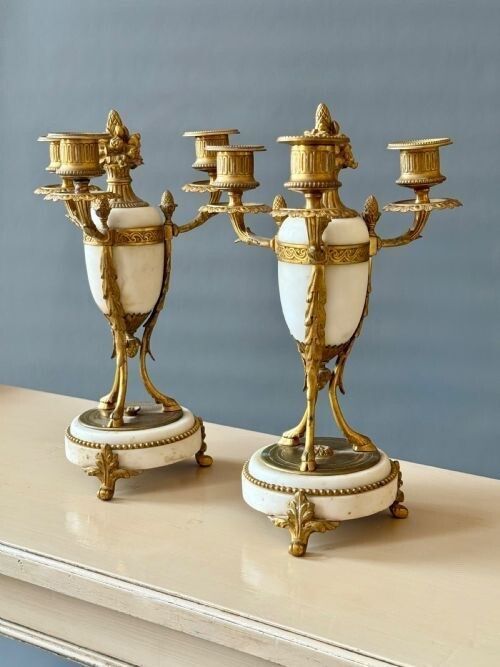
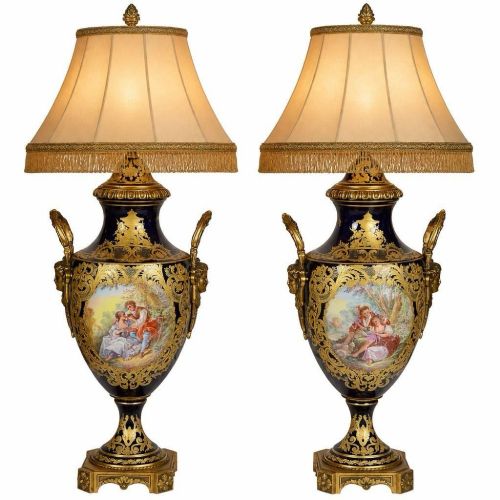
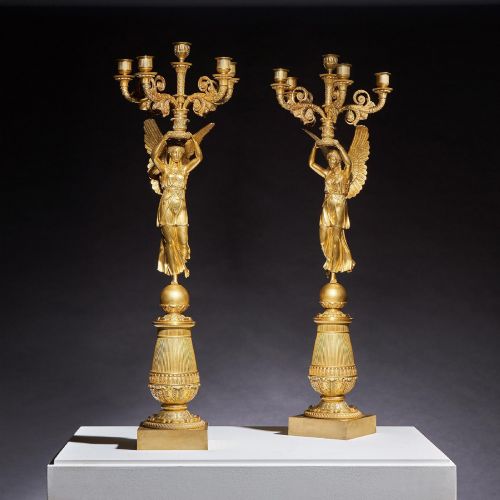
The forms range from single candlesticks and cassolettes converted into lamps to multi-armed candelabra and elaborate porcelain vases mounted with gilt bronze. You will find styles drawing heavily on French Empire, Louis XVI, and Rococo aesthetics, often paired with marble, onyx, crystal, or ceramic bodies.
Materials and construction
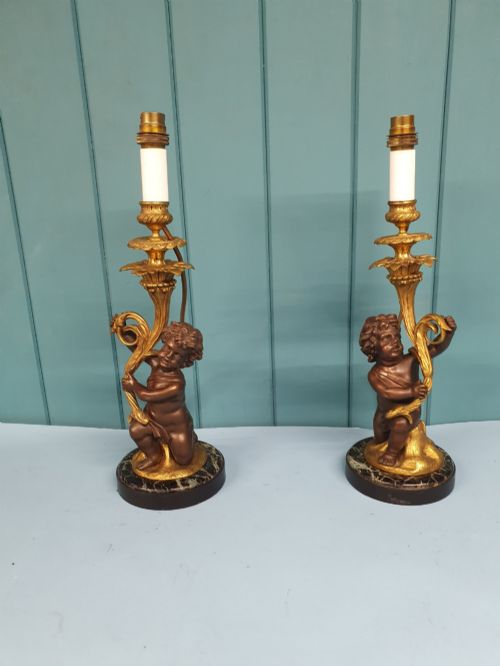
The primary material is bronze or brass, mercury-gilded or electrogilded to create the distinct golden finish known as ormolu, which is frequently combined with patinated bronze elements. Metal mounts and bases are cast, chased, and fitted together with threaded rods or screws.
Makers integrated natural stones such as white and rouge marble, onyx, and hand-painted porcelain bodies, securing them with precision-turned brass fittings and heavy cast mounts.
Several items feature cast bronze cherubs and pineapple motifs, reminding us that past lighting designers enjoyed a touch of playful botany.
Assessing quality and execution
Quality rests in the crispness of the chasing and the weight of the casting, where sharper details in the acanthus leaves, floral motifs, or figural bronzes separate finer workshop output from simpler commercial production. Better examples retain crisp tool marks and deeply articulated surface textures rather than smooth, softened contours.
The choice of secondary materials also dictates the grade of the piece, with solid marbles, finely glazed porcelain, and substantial crystal elements marking out superior standard items from lighter brass and plated alternatives.
Pierre Philippe Thomire·Rabiat
The Ormolu Table Lights Glossary
- Ormolu
- Gilt bronze, produced by applying an amalgam of gold and mercury to a bronze base and heating it to drive off the mercury. This technique creates a durable, golden surface seen on high-end decorative objects.
- Candelabra
- A branched candlestick designed to hold multiple candles or light fittings. They often feature removable arms or central finials.
- Cassolette
- A decorative vessel shaped like an urn or vase, often with a reversible lid that functions as a burner or candle holder. Many examples are mounted in gilt bronze on marble bases.
- Champleve
- An enamelling technique where troughs or cells are sunk into the surface of a metal object and filled with vitreous enamel before firing. It frequently appears on nineteenth-century brass and bronze mounts.
- Patinated bronze
- Bronze that has been chemically treated to produce a dark brown, green, or black surface colour. This dark finish provides contrast against the bright gilt ormolu mounts.
Ormolu Table Lights: Frequently Asked Questions
How do I wire an antique ormolu lamp?
Wiring typically requires running a discreet cord through the central channel or past the original mounts without altering the structure. A qualified professional should handle the rewiring to ensure electrical safety.
Most pieces accommodate modern brass lamp holders and shades through existing apertures or threaded stems designed during earlier adaptations.
Are these lights converted from old candlesticks?
Many items began life as oil lamps, candlesticks, or candelabra before being fitted for electricity in the twentieth century. This conversion process often used existing structural channels to preserve the original metalwork.
Conversion details vary, with some retaining weighted bases and original turning screws hidden beneath the felt.
How do I distinguish Louis XVI style from Empire style?
Louis XVI style pieces display straight tapered legs, neoclassical urns, swags, and restrained symmetry drawn from classical antiquity. They feel lighter and more geometric than earlier Rococo forms.
Empire style items draw on ancient Roman and Egyptian motifs, featuring heavier proportions, winged figures, paw feet, and bolder gilt surfaces.
How should I clean ormolu and gilt bronze?
Dust the surface gently with a soft, dry brush to prevent the accumulation of grit in the chased recesses. Avoid abrasive metal polishes, which strip away the thin layer of gold leaf or mercury gilding.
If the metal requires deeper cleaning, use a damp cloth with mild soap, drying the piece immediately with a soft lint-free towel.