
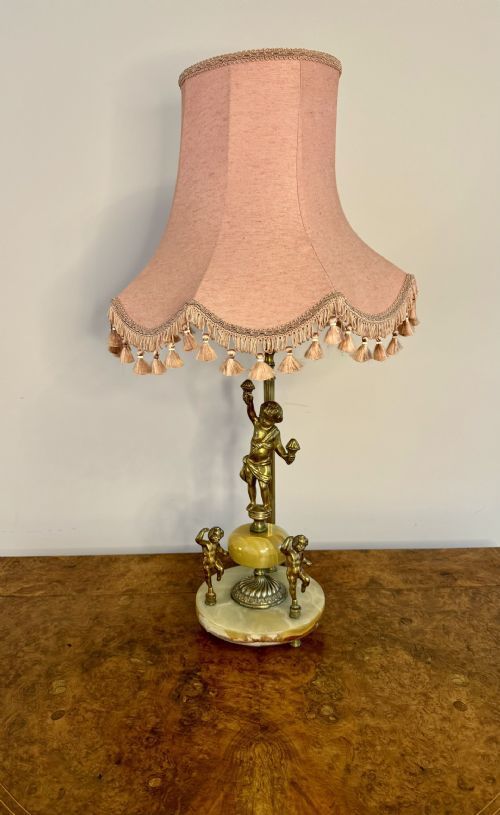


French Brass Side Lights
These French brass side lights bring warm, decorative illumination and classical French style to interior spaces.
French Brass Side Lights
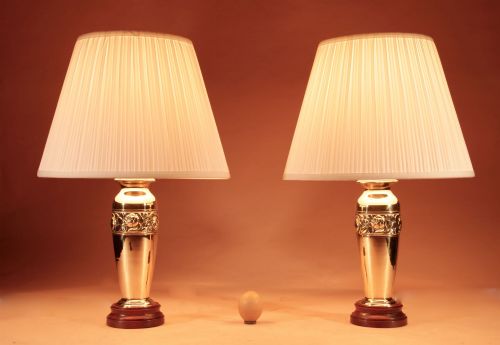
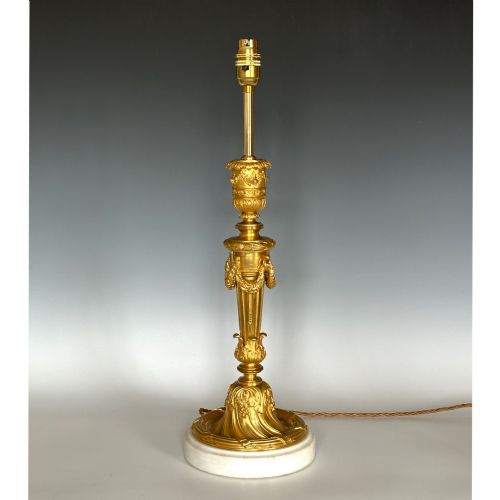
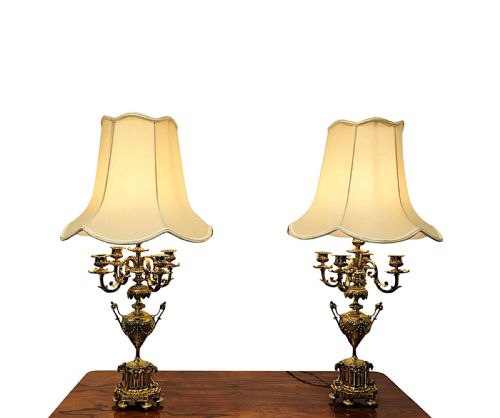
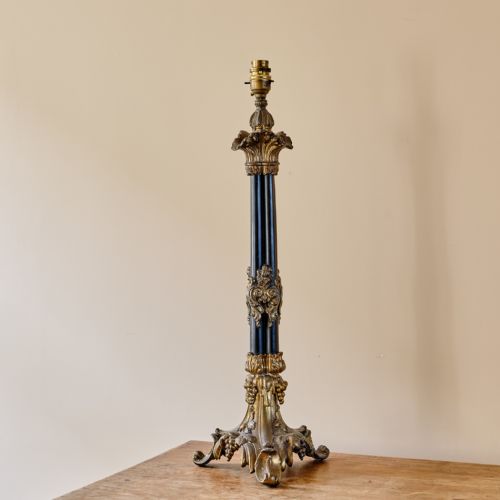
French brass side lights encompass a diverse range of decorative lighting fixtures, including table lamps, candelabra lamps, and converted candelabra. These pieces typically originate from the nineteenth and early twentieth centuries, spanning periods such as the Victorian, Edwardian, and Art Deco eras.
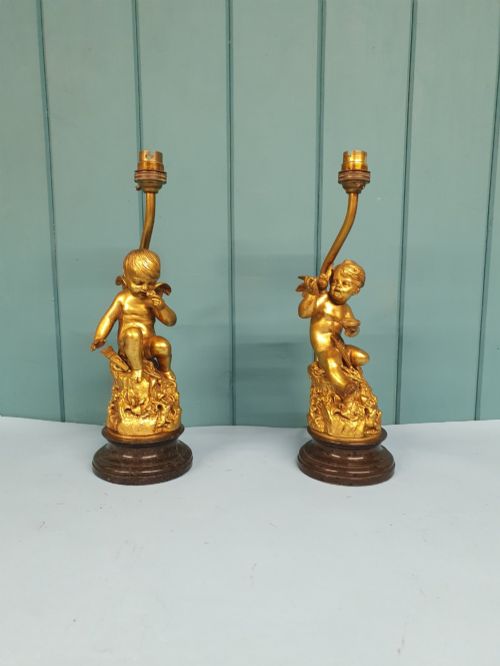
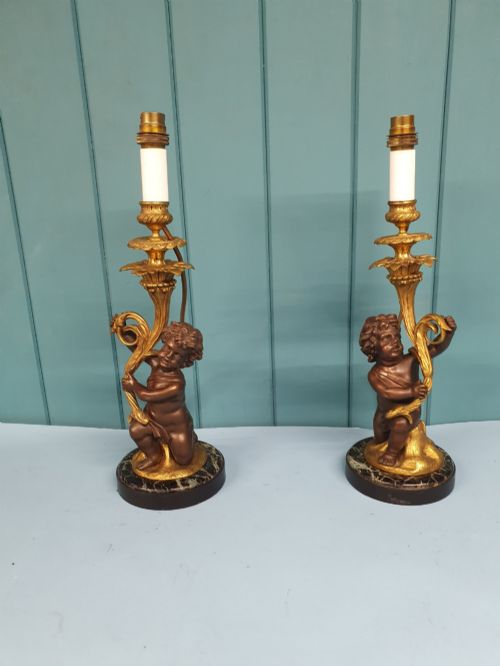
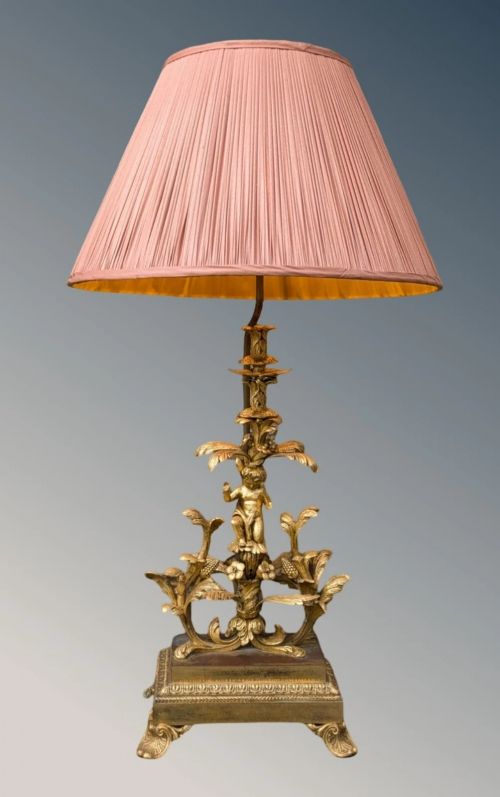
Buyers encounter various stylistic influences within this selection, predominantly featuring French Neoclassical, Rococo Revival, Louis XV, Louis XVI, and French Empire designs. Many items are presented as pairs, incorporating figural elements like cherubs and putti alongside architectural marble bases.
How they were made
Maker workshops utilised traditional metalworking techniques, casting brass, bronze, spelter, and gilt metal into intricate ornamental forms. Many metal components received heavy applications of ormolu or gilding to achieve a rich, polished appearance.
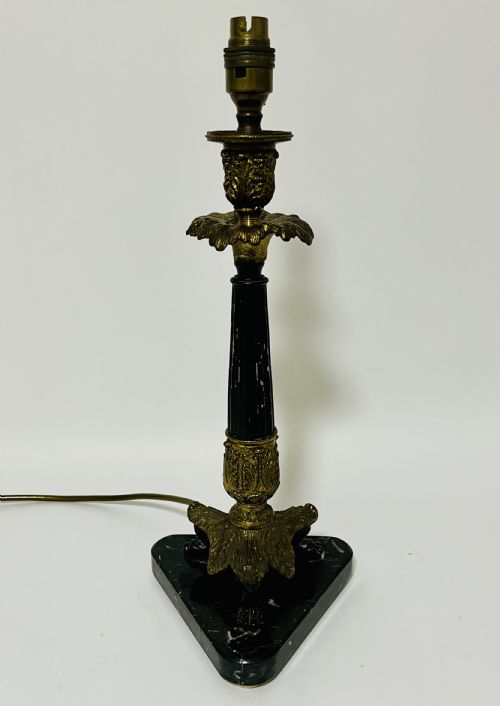
Makers frequently combined metalwork with contrasting materials such as white onyx, Siena marble, blue glass, crystal, and fabric. Several examples incorporate porcelain elements or function as converted candelabra and girandoles.
The listings show materials spanning brass, gilt bronze, marble, ormolu, bronze, gilt metal, glass, and fabric across nineteenth and early twentieth-century periods.
What varies in quality
The refinement of the casting and chasing work dictates the definition and crispness of decorative details on figures and mounts. Pieces featuring hand-finished bronze, detailed ormolu, and substantial natural stone bases demonstrate superior craftsmanship.
The architectural cohesion of the design, such as the proportional balance between the metal body and the marble or onyx plinth, distinguishes finer examples. The complexity of the lighting configuration, ranging from single stems to multi-branch candelabra layouts, also influences the character of each piece.
The French Brass Side Lights Glossary
- Ormolu
- A technique of applying finely ground high-carat gold to a bronze base using mercury. This process creates a rich, durable golden finish characteristic of French decorative metalwork.
- Candelabra
- A multi-branched lighting fixture designed to hold several candles, frequently adapted into electrical table lamps in later periods.
- Spelter
- An alloy of zinc and lead used as a cost-effective alternative to bronze in the manufacture of decorative figures and lamp bases.
- Girandole
- An ornamental branched wall bracket or candelabrum equipped with mirrors or crystal pendants to reflect light.
French Brass Side Lights: Frequently Asked Questions
How do I date a French brass side light?
Dating relies on stylistic markers, material combinations, and manufacturing techniques recorded across the periods represented. Pieces referencing Louis XV or Rococo Revival often date to the nineteenth century, while cleaner lines point towards the 1920s and Art Deco.
Examining the construction methods of the metal mounts and the type of marble or onyx used provides further context for chronological placement.
Were these lights originally electrified?
Many nineteenth-century examples began as oil lamps, candlesticks, or candelabra before undergoing conversion to electricity in the twentieth century. This adaptation process often utilised existing apertures to run wiring without damaging the main metal body.
Items produced into the 1920s and 1930s frequently emerged from workshops with electrical fittings integrated into their initial design.
Where should I place a side light in a room?
These lamps suit placement on sideboards, console tables, or mantelpieces where their decorative bases and figural details remain visible. Pairs function effectively on matching bedside tables or flanking a fireplace.
Their substantial construction and reflective ormolu or gilt surfaces provide accent illumination within traditional or eclectic interior schemes.
What is the difference between ormolu and gilt bronze?
Ormolu specifically denotes the historical French mercury gilding process applied to bronze objects during the eighteenth and nineteenth centuries. Gilt bronze serves as a broader descriptor for bronze surfaces covered in gold leaf or other gilding methods.
Both finishes yield a similar golden lustre designed to catch and reflect ambient room light.