



French Ormolu Urn Lamps
French ormolu urn lamps combine neoclassical metalwork with decorative bodies, bringing striking light and continental presence to a room.
French Ormolu Urn Lamps
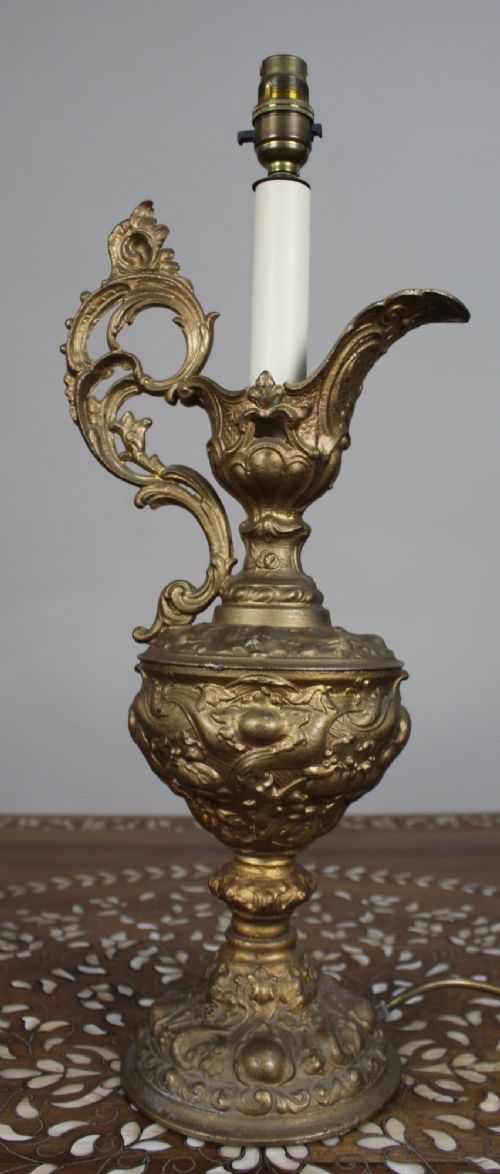
French ormolu urn lamps bring together classical forms and elaborate metal mounts, serving as both functional illumination and sculptural objects. When searching for french ormolu urn lamps, buyers encounter pieces that take the shape of classical vases, cassolettes, and ewers adapted from earlier centuries.
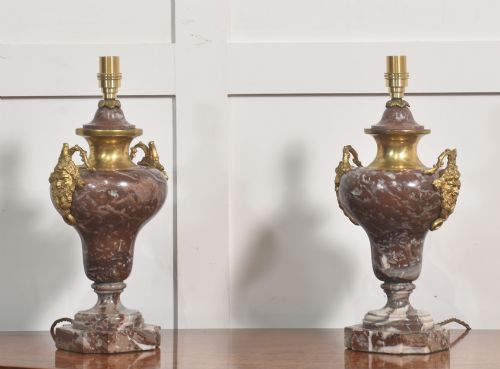
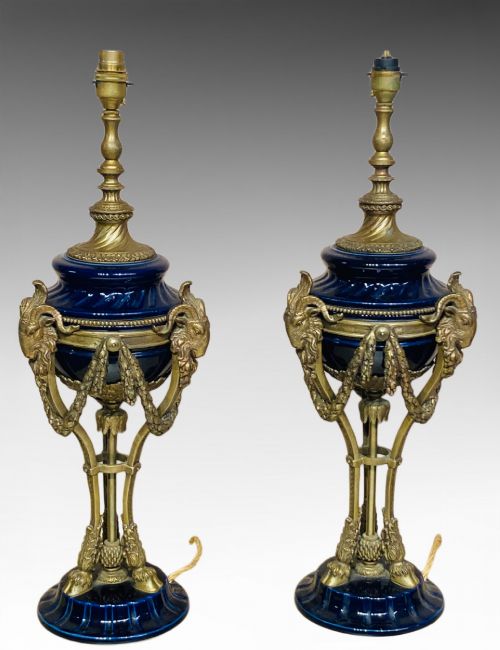
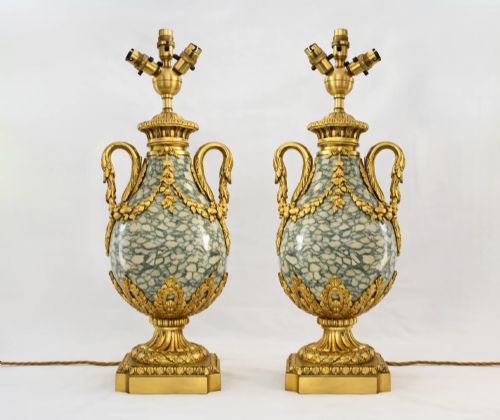
The objects frequently pair gilt bronze or ormolu mounts with bodies formed from marble, porcelain, or glass. Many examples survive as matched pairs dating from the nineteenth century, reflecting periods such as the Louis XVI style and the wider revival movements of that era.
How They Were Made
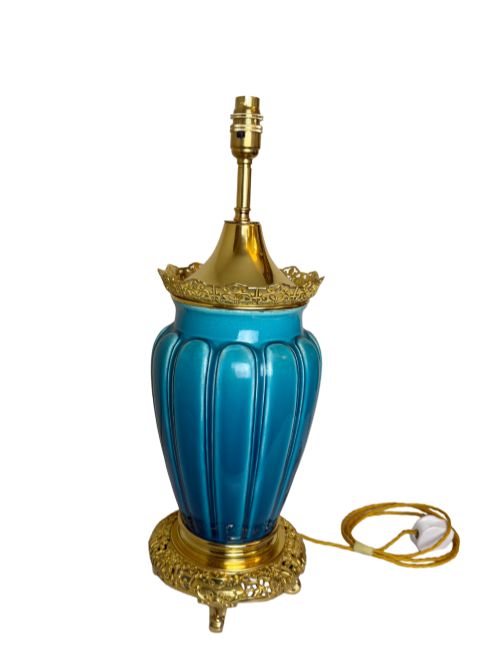
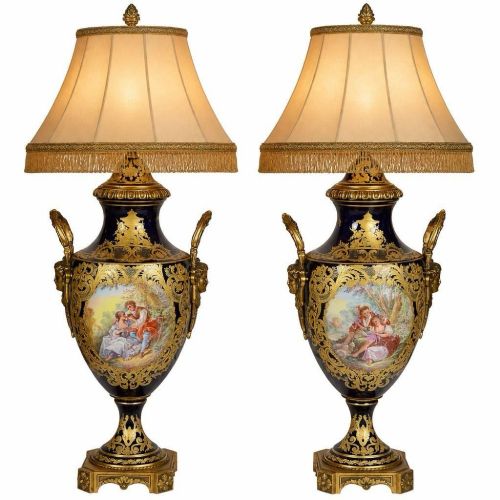
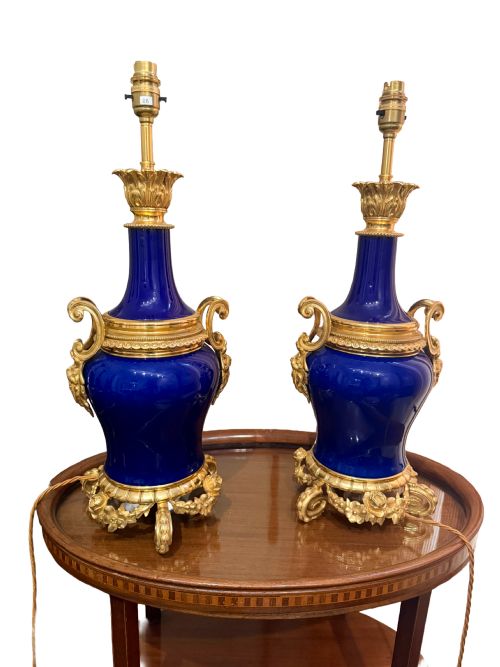
Maker workshops cast mounts in bronze, chasing the surface by hand before applying a gold amalgamation layer known as ormolu. This metalwork is combined with turned marble, glazed ceramic bodies, or porcelain painted with floral and cobalt designs.
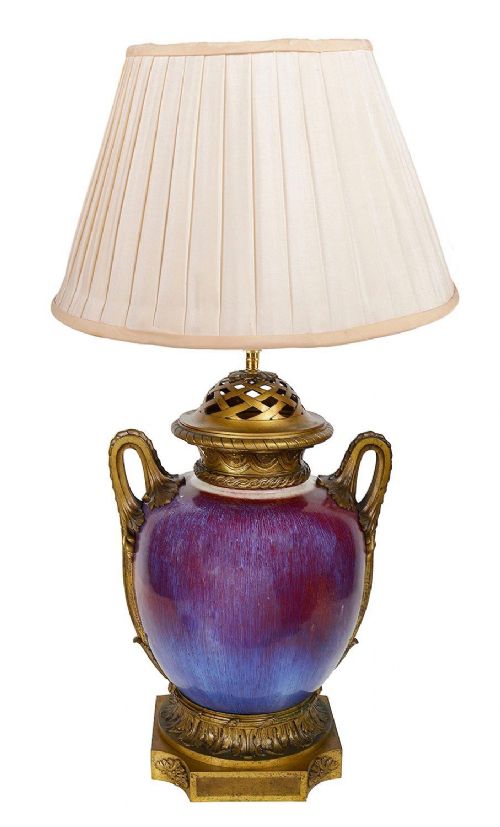
Vessels and vases originating from Chinese dynasties or European kilns were adapted into lamps, fitted with secure bronze collars, handles, and bases. Fabric and silk shades complete the conversion from oil vessels or decorative vases into electric table lighting.
Listings feature materials including marble, ormolu, porcelain, onyx, and silk across Neoclassical, Rococo Revival, and Louis XVI styles.
What Varies in Quality
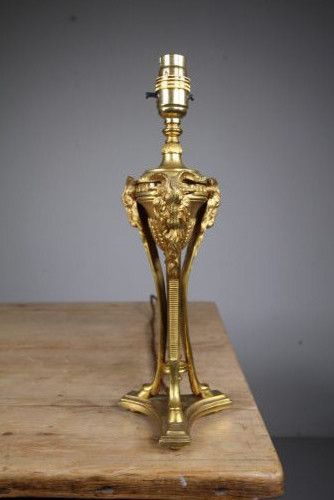
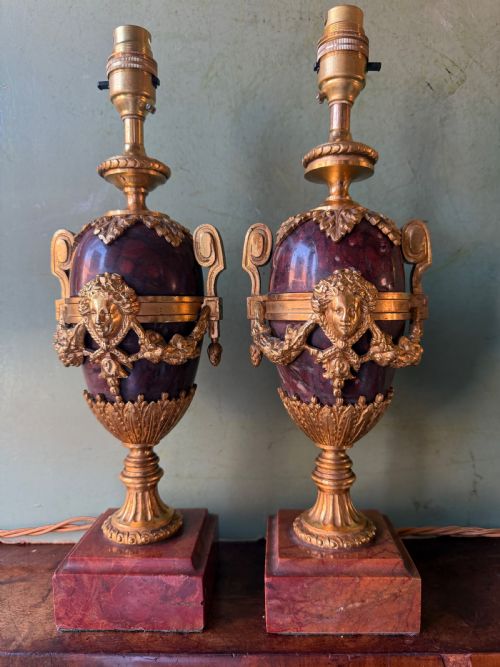
The refinement of the cast bronze work separates standard production from exceptional pieces, visible in the sharpness of acanthus leaves, rams heads, and cherub figures. Heavier chasing and deep, warm gilding indicate skilled workshop output rather than later mechanical mass production.
The choice of body material also defines the tier of the piece, with dense rouge, white, or siena marble and hand-painted Sevres style porcelain commanding greater presence. Proportion between the stone or ceramic body and the surrounding ormolu mounts dictates the visual balance.
The French Ormolu Urn Lamps Glossary
- Ormolu
- Gilded bronze produced by applying a mercury and gold paste to cast metal and heating it until the mercury vaporises, leaving a rich gold coating. This technique creates the distinctive bright surface seen on nineteenth century mounts.
- Cassolette
- A dual purpose decorative vase featuring a reversible lid that transforms from a closed urn into an incense burner. In lamp form, these vessels retain their characteristic pierced or solid metal covers.
- Louis XVI Style
- A neoclassical design vocabulary characterised by straight lines, symmetry, and classical motifs such as ribbons, swags, and fluted columns. Nineteenth century makers frequently revived this aesthetic.
- Ewer
- A large jug with a wide spout and looped handle, originally designed for pouring water. These shapes were frequently utilised by nineteenth century makers as the body for ornamental lamps.
- Sang de Boeuf
- A deep red copper-based ceramic glaze developed in China and later imitated by European potteries. Pieces with this glaze provide a rich contrasting background for gilt bronze mounts.
French Ormolu Urn Lamps: Frequently Asked Questions
Are these lamps converted from old vases?
Many examples began life as decorative porcelain vases, cassolettes, or oil lamps before receiving electrical wiring and mounts.
Craftsmen adapted these vessels during the nineteenth century or later, turning decorative items into functional domestic light sources.
What materials make up the bodies?
Bodies commonly feature rouge, white, or siena marble alongside porcelain painted in cobalt blue or Sevres styles.
Some examples incorporate glass, onyx, or Chinese ceramic vases paired with cast gilt bronze.
Do these lamps usually come in pairs?
A significant number of these decorative pieces survive as matched pairs, particularly those utilising marble or porcelain urn forms.
Individual lamps also appear, though balanced pairs remain sought after for mantelpieces and side tables.