
Antique Urn Floral Painting
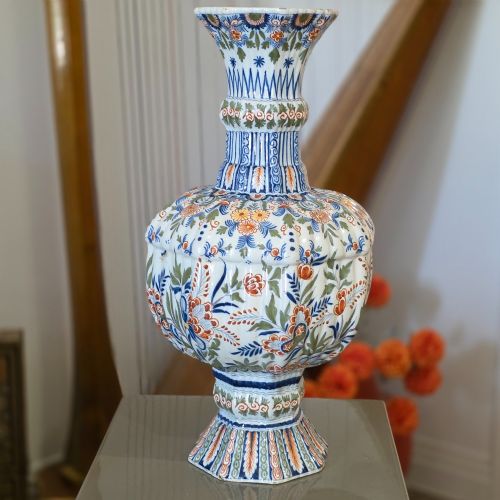
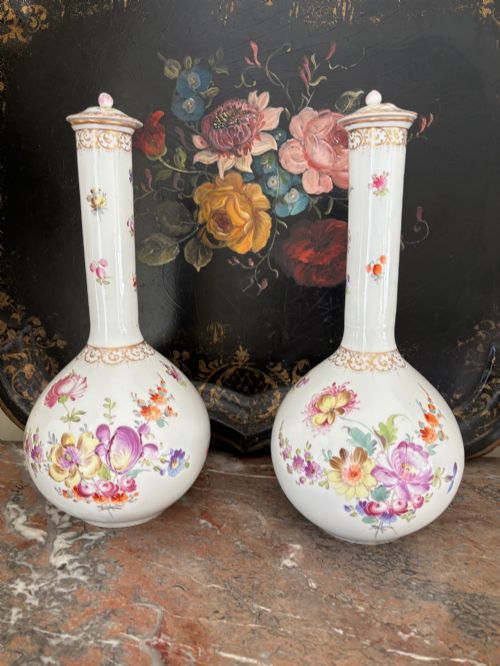
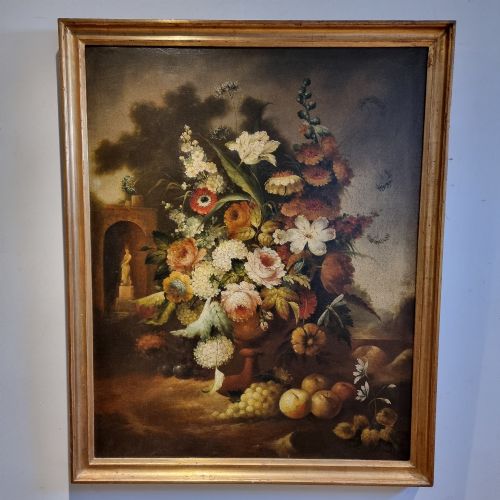
These pieces gather antique urn floral painting examples in porcelain, ceramic, and earthenware, offering decorative hand-painted botanical motifs suited for period interiors.
Antique Urn Floral Painting
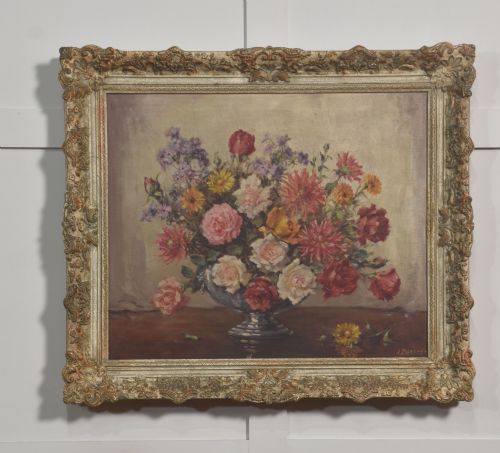
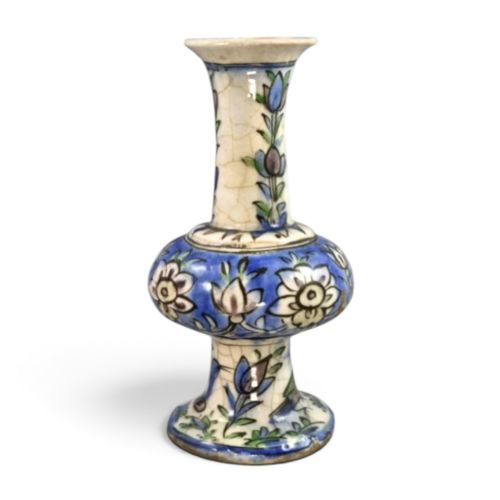
When you search for an antique urn floral painting, you encounter decorative vessels and canvas works originating from the eighteenth, nineteenth, and early twentieth centuries. These pieces encompass porcelain vases, earthenware jars, and oil paintings depicting floral arrangements set within urn motifs.
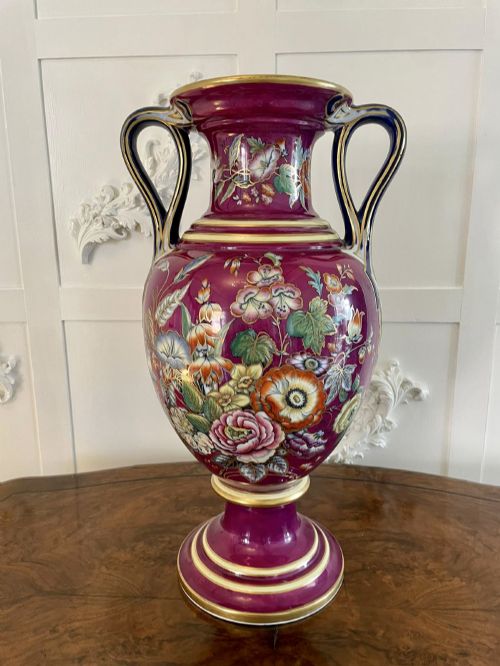
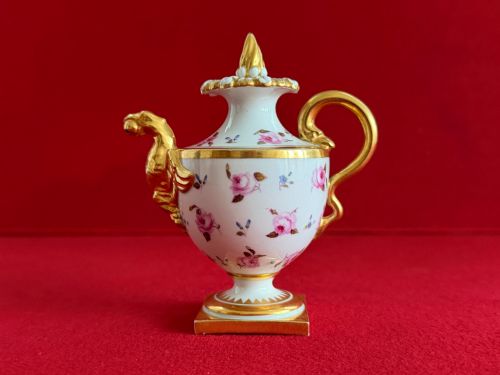
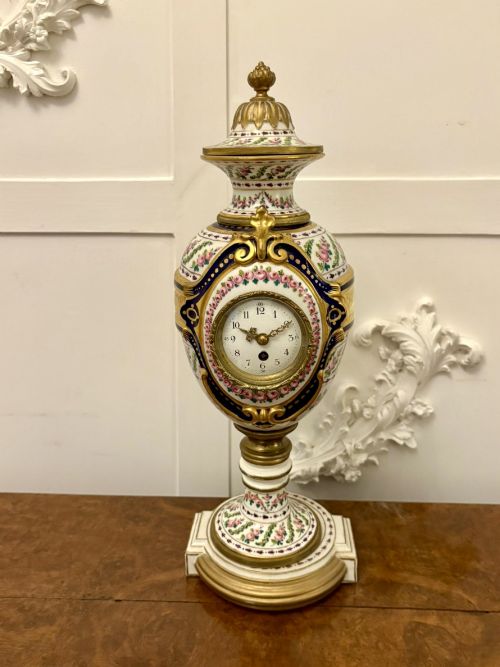
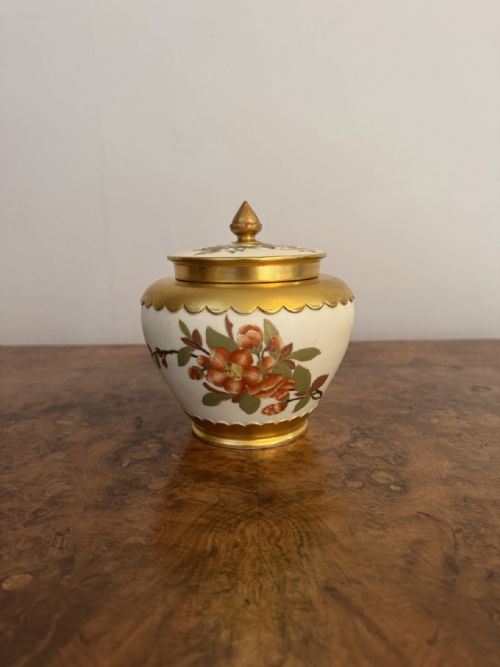
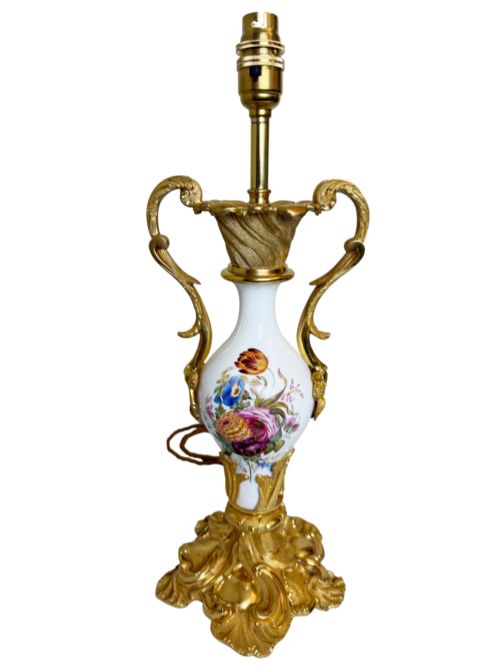
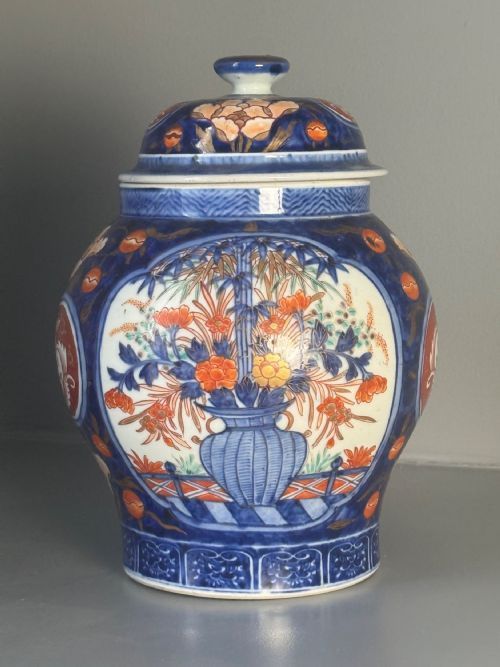
The most common version met on this page is the nineteenth-century porcelain vase or lidded potpourri jar featuring hand-painted floral decoration, alongside ceramic table lamps and canvas still life paintings from English, French, and Japanese makers.
How they were made
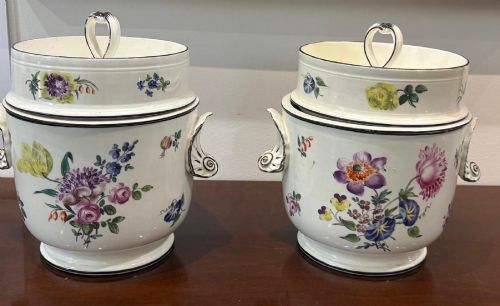
Pottery items utilise porcelain, earthenware, and faience shaped into bulbous urn forms, lidded vases, and centerpieces, often finished with glaze and hand-painted polychrome decoration.
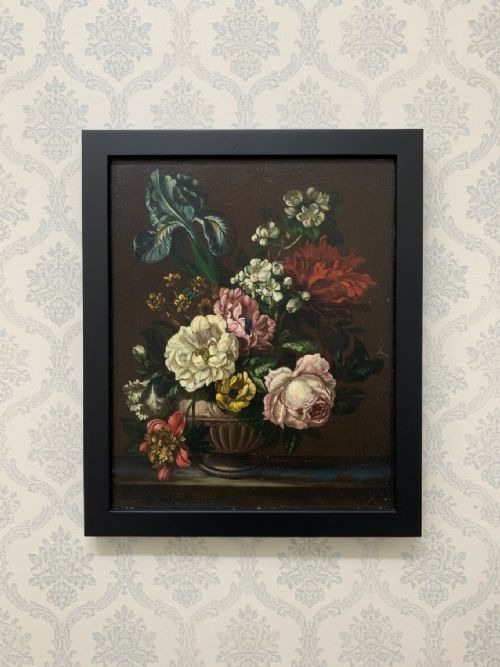
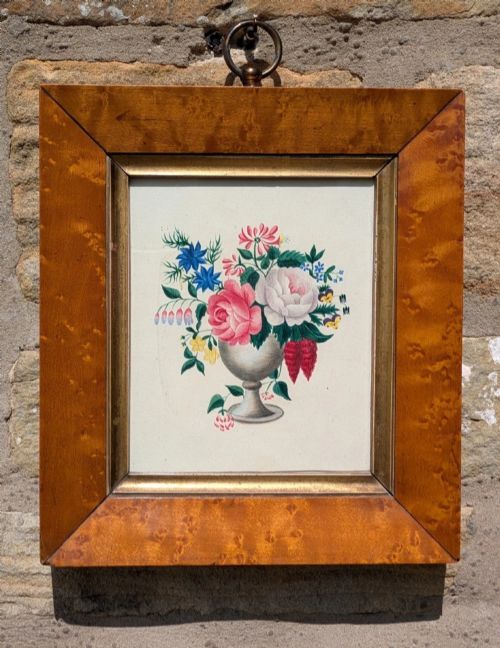
Painted works employ oil on panel or canvas, utilising pigments to render botanical studies and still life scenes, sometimes complemented by gilding, gold leaf, and bronze mounts.
Listings feature porcelain, earthenware, and oil on panel spanning the eighteenth, nineteenth, and early twentieth centuries.
What varies in quality
The standard of painting on porcelain and canvas dictates the tier of the piece, where fine brushwork and detailed botanical accuracy elevate the object above simpler stencilled or mass-produced decoration.
The complexity of the ceramic form, the presence of matched pairs or covers, and the execution of gilding or bronze mounts separate standard production items from exceptional factory pieces.
Maruni Kobe·Flight Barr And Barr·Sitzendorf·Royal Worcester·Doulton Lambeth·Royal Vienna·Spode·Samson Of Paris·Manpei Kobe
The Antique Urn Floral Painting Glossary
- Porcelain
- A hard, fine-grained ceramic material fired at high temperatures, commonly used for decorative vases and urns.
- Potpourri
- A mixture of dried petals and spices kept in a pierced jar or urn to scent a room.
- Gilding
- The application of gold leaf or gold powder to surfaces such as porcelain, wood, or bronze mounts.
- Imari
- A style of Japanese export porcelain characterised by underglaze blue and iron red decoration with added gold.
- Earthenware
- Porous pottery fired at lower temperatures, requiring a glaze to hold liquids and form a smooth surface.
Antique Urn Floral Painting: Frequently Asked Questions
How are antique floral urns cleaned safely?
Dust ceramic and porcelain surfaces gently with a dry, soft brush to protect hand-painted decoration and gilding from abrasion.
Avoid liquid cleaners entirely, as moisture can damage aged glazes and delicate enamel work on nineteenth-century pieces.
Can antique porcelain vases hold water?
Many nineteenth-century and earlier decorative urns are porous or contain historical hairline fractures that prevent them from holding water safely.
Utilise a discreet inner glass insert if you intend to display fresh botanical stems inside a valuable ceramic vase.
How do I identify a Victorian urn?
Examine the base for factory marks, pattern numbers, and registration dates typical of English and continental potteries from the nineteenth century.
Consider the heavy use of polychrome hand-painted flowers, gilt accents, and ornate rococo revival or blush ivory styling.
Where were Japanese Satsuma urns made?
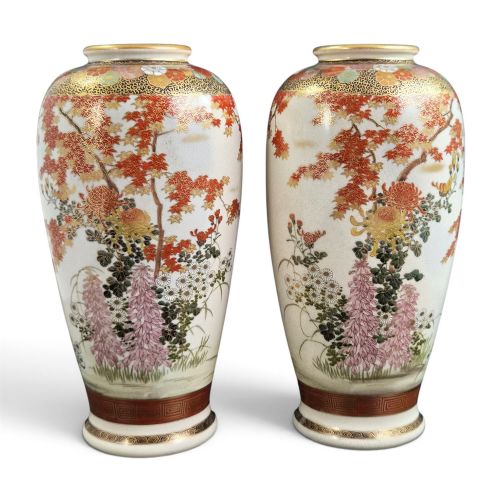
These decorative ceramic pieces originated in the Satsuma province of Japan, later expanding production to urban workshops in Kobe during the Meiji period.
Look for finely crackled cream glazes combined with dense polychrome enamel painting and raised gold leaf floral motifs.