




Signed Oil Still Life
Signed oil still life paintings capture domestic arrangements of fruit and flowers, offering enduring detail across centuries of canvas and board.
Signed Oil Still Life
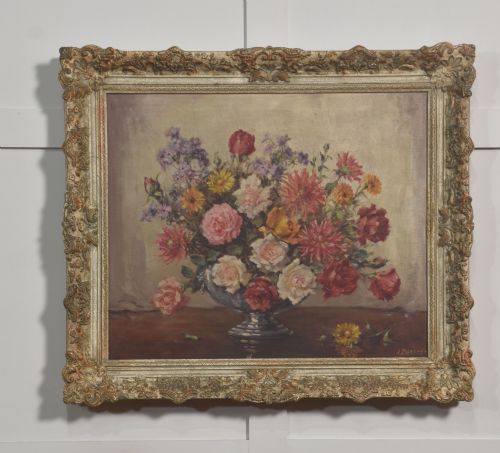
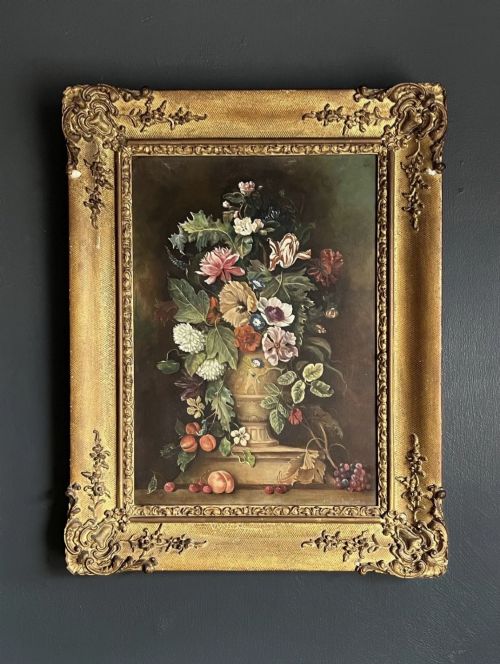
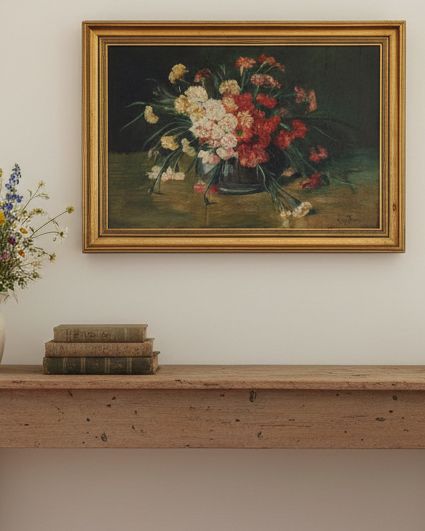
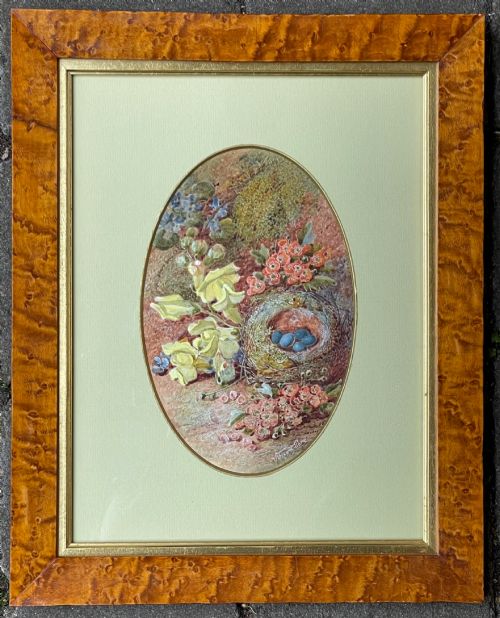
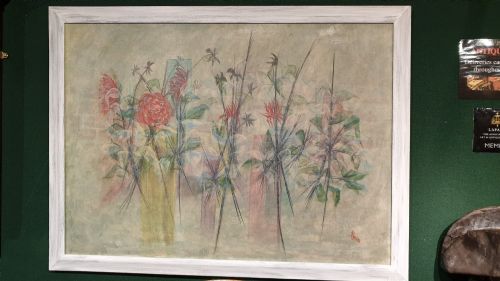
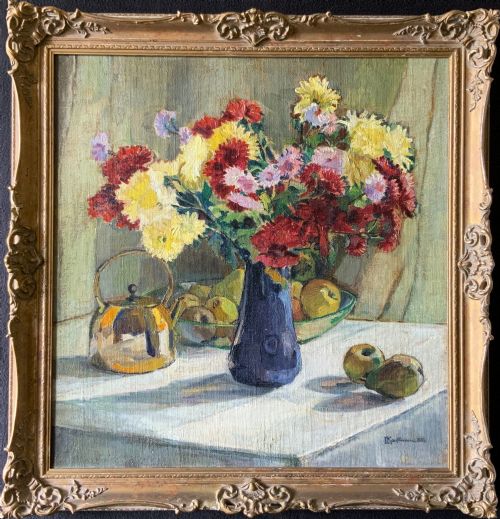
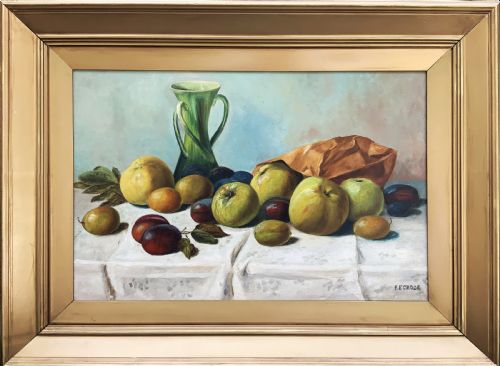
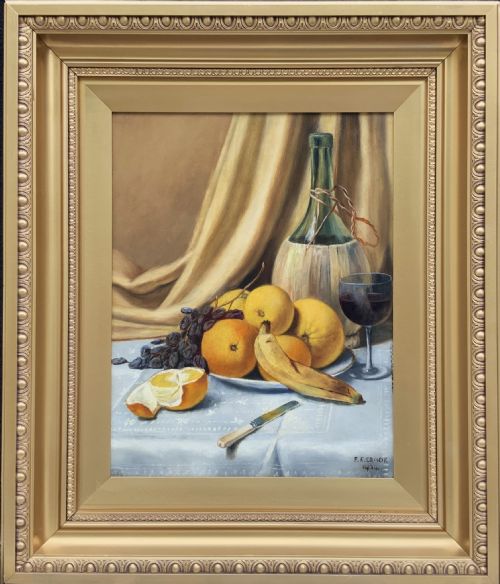
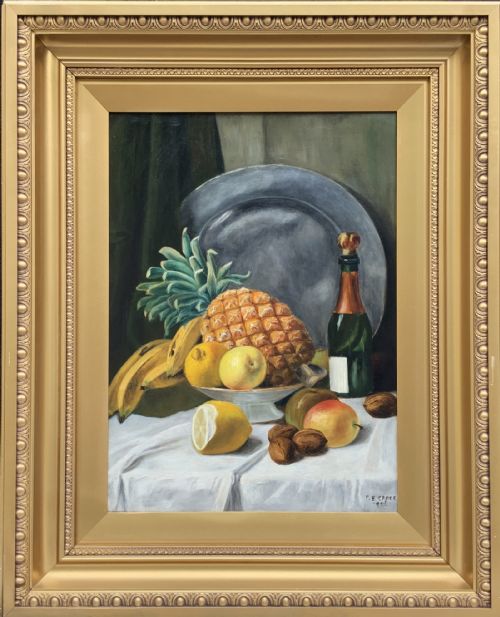
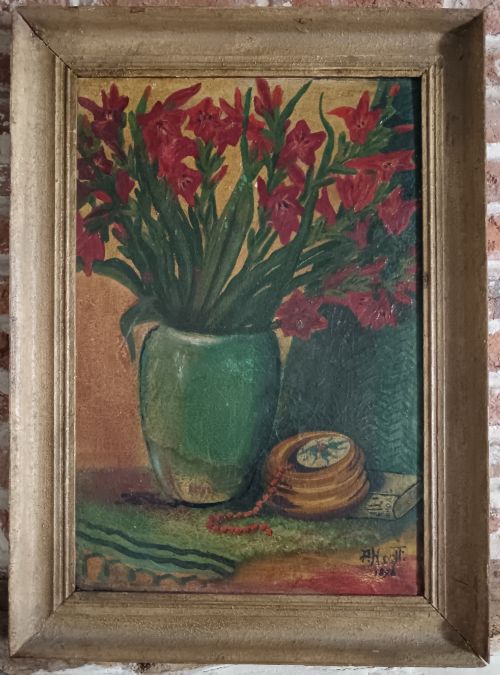
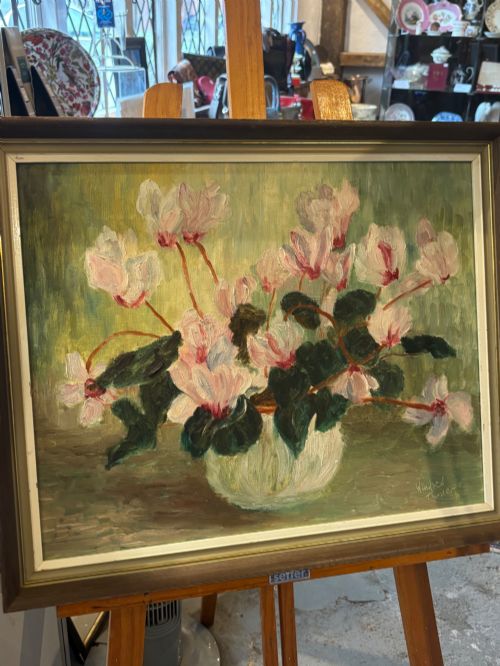
A signed oil still life brings historic floral arrangements, fruit baskets and household objects into a room through authentic artist signatures. Buyers examine compositions spanning from Victorian naturalism to mid-century impressionism, capturing objects on canvas, board and metal panels.
The selections range from detailed Edwardian floral studies to post-war Dutch Golden Age revivals. Works appear framed in ornate gilt gesso or simpler wooden surrounds, offering varied scales from miniature studies to large gallery canvases.
How They Were Made
Artists applied oil paint to stretched canvas, wooden panels, card or metal supports, building rich textures with brushes and palette knives. Many works rely on impasto techniques to give physical depth to petals, fruit rinds and ceramic vessels.
Frames play a crucial structural and aesthetic role, utilising moulded gesso over timber cores, often finished with gold leaf or gilt paint to complement the painted light within the composition.
Listings span from Victorian naturalism through Edwardian impressionism to mid-century modern interpretations on canvas and board.
What Varies in Quality
The strength of the composition and the confidence of the brushwork separate casual student exercises from master works by named painters. Finer examples display subtle control of light bouncing off polished tables, glass vessels and fruit skins.
Frame originality and condition significantly influence the overall integrity of a piece. Period frames that retain their original gilt gesso surfaces enhance the artwork, whereas poorly matched modern replacements alter the historical context.
Vincent Clare·Owen Bowen·Sir Matthew Smith·Sir George Reid·Alfred Arthur Brunel de Neuville·Albert E Jackson·Isabelle Cohen·Edwin Steele·Oliver Clare·Evelyn Chester
The Signed Oil Still Life Glossary
- Impasto
- Paint applied thickly to a canvas or board, leaving visible brush or palette knife marks that stand proud of the surface. This technique adds tactile three-dimensional qualities to highlights on flowers or fruit.
- Gesso
- A paint mixture consisting of a neutral binder mixed with chalk, gypsum, or pigment used to prepare wood or canvas surfaces. In period frames, it is heavily moulded and gilded.
- Gilt
- A thin layer of gold leaf or gold paint applied to wood, metal, or gesso surfaces. It provides a reflective border that isolates the painted subject from the surrounding wall.
- Post-Impressionism
- An art movement developing from the rejection of impressionist limitations, focusing on symbolic motifs and heavier outlines. Works in this style use expressive colour and form rather than strict optical realism.
- Dutch Golden Age Style
- A compositional approach inspired by seventeenth-century northern European painting, focusing on dramatic lighting and botanical precision. These arrangements often combine flowers, fruit, and hunting elements on dark backgrounds.
Signed Oil Still Life: Frequently Asked Questions
How do I identify the artist's signature?
Signatures typically appear in the lower corners of the canvas or board, executed in matching oil paint or occasionally inscribed into wet pigment. Comparing the script against known records helps confirm the attribution.
Faint or obscured signatures sometimes require raking light to read clearly. Collector databases and gallery archives provide helpful reference points for verifying obscure or monogrammed initials.
What surfaces were used for these paintings?
Artists painted on stretched canvas, wooden panels, prepared card, metal sheets and heavy artist boards. The choice of support often reflects the period and the artist's preferred working method.
Canvas allows for larger scale compositions, while boards and metal panels offer rigid surfaces favoured for smaller, highly detailed studies of fruit and flowers.
How should I frame and display a signed oil still life?
Display the artwork away from direct sunlight and fluctuating heat sources to protect the oil paint and canvas tension. Adequate wall space allows heavy gilt frames to project their decorative detail.
Retaining or sourcing period-appropriate frames maintains the visual balance of the piece. Professional framing ensures the canvas breathes correctly without being compressed against glass unless specifically required.
How do I tell Victorian pieces from mid-century works?
Victorian and Edwardian pieces generally lean towards naturalism, heavier gilding, and tightly rendered botanical or culinary details. The palettes often use deeper, varnished tones characteristic of nineteenth-century academic training.
Mid-century works embrace looser brushwork, brighter post-war colour palettes, and simplified modernist backgrounds. Examining the reverse of the canvas or board often reveals period stretchers, stamps, and labels.