





Antique Undertier Side Table
An antique undertier side table gives you a secondary surface below the main top, bringing compact utility and refined display space to a room.
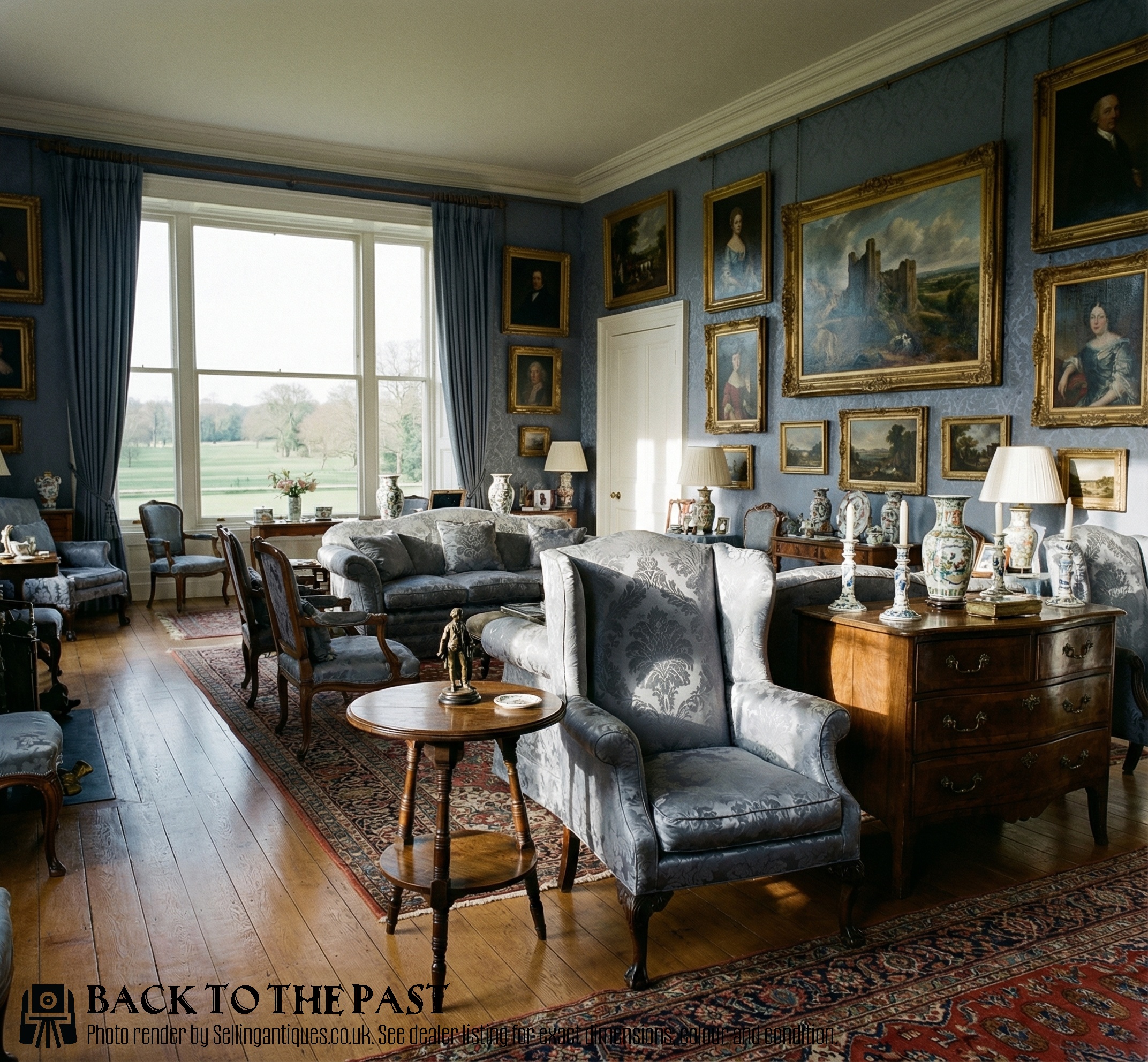
Antique Undertier Side Table
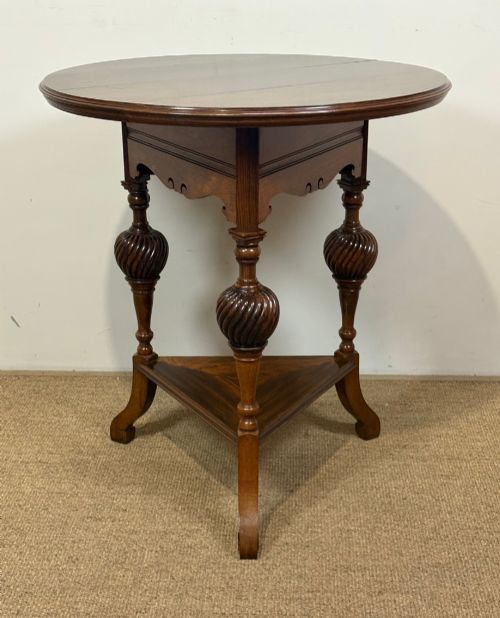
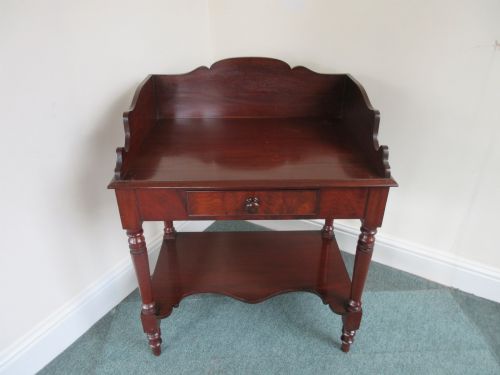
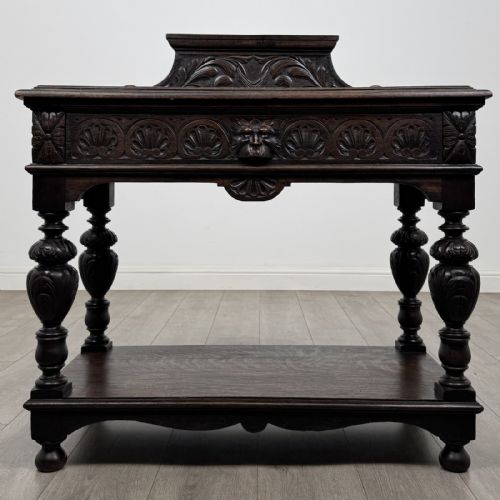
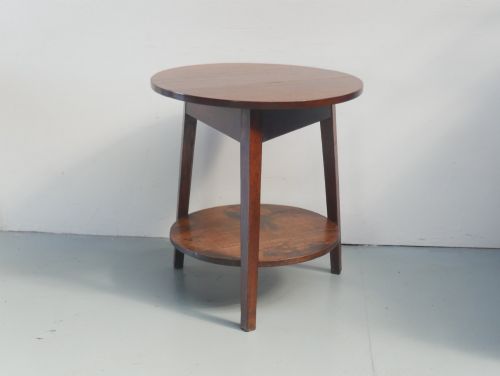
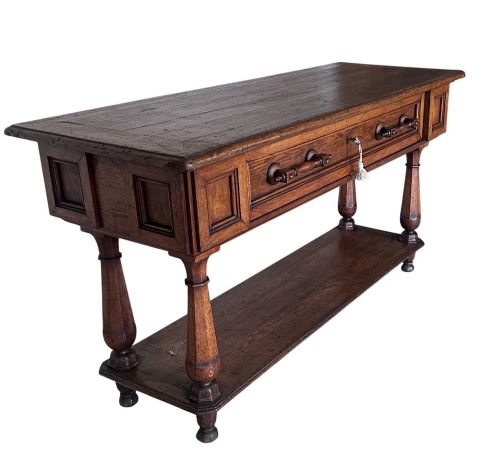
When you search for an antique undertier side table, you encounter versatile occasional and lamp tables featuring a lower shelf or undertier beneath the primary surface. These pieces emerge predominantly from the Edwardian era and the Victorian period, though earlier examples appear in oak and mahogany.
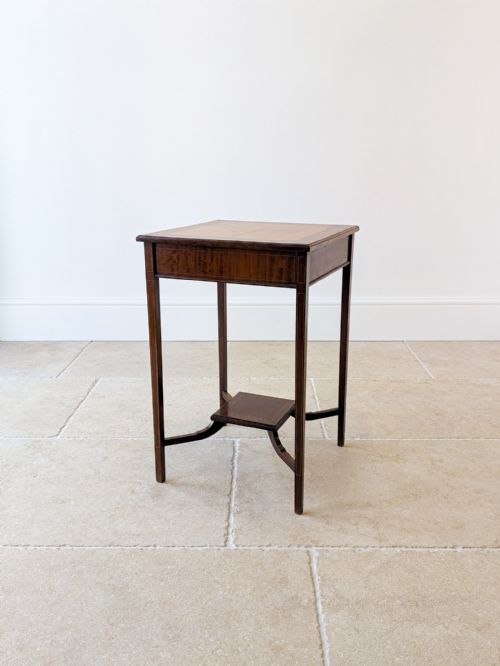
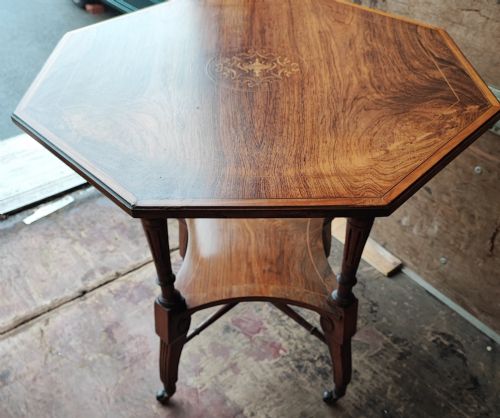
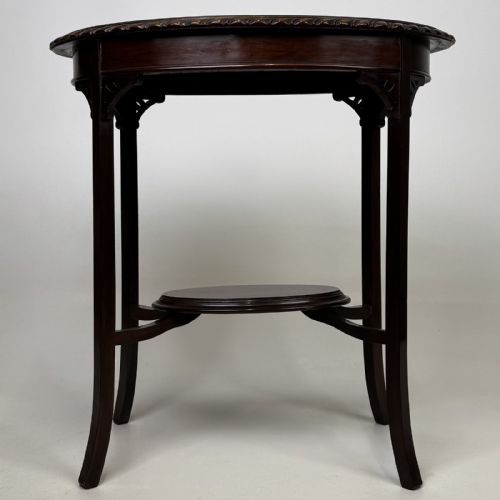
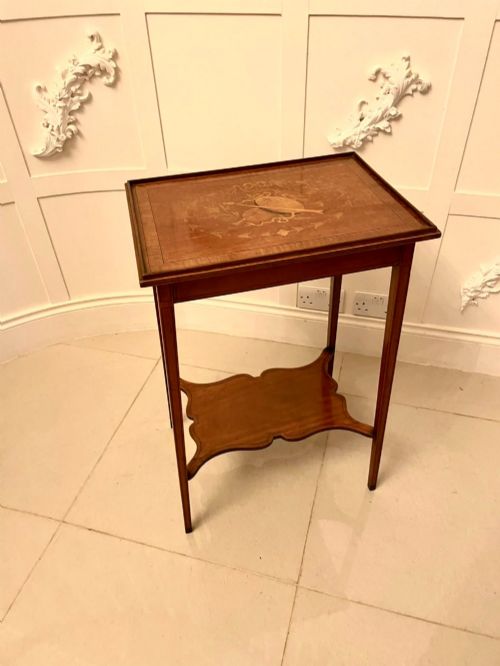
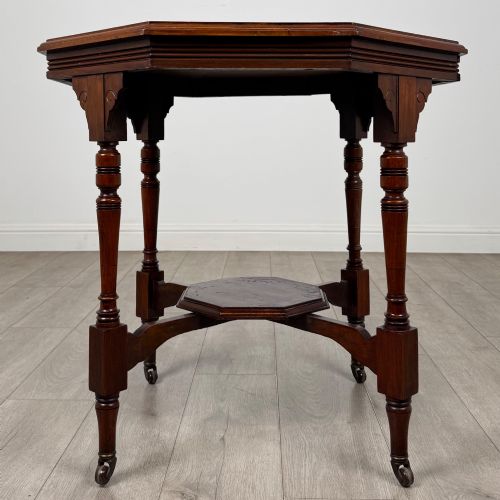
The forms vary from simple circular occasional tables to inlaid lamp tables and occasional tables with six-sided tops. Makers of the Edwardian period frequently utilised mahogany, satinwood, and rosewood, often enhanced with boxwood or ebony stringing and delicate marquetry.
Earlier iterations lean towards robust oak construction, including cricket tables and serving tables from the eighteenth and nineteenth centuries. You also find console tables and centre tables that incorporate the practical lower tier for storing books or displaying decorative objects.
Materials and construction methods
Cabinetmakers constructed these tables using a foundation of solid hardwoods such as mahogany, oak, walnut, and rosewood. Finer Edwardian and Sheraton Revival pieces employ satinwood veneers and intricate marquetry inlays, often combining contrasting timbers for decorative effect.
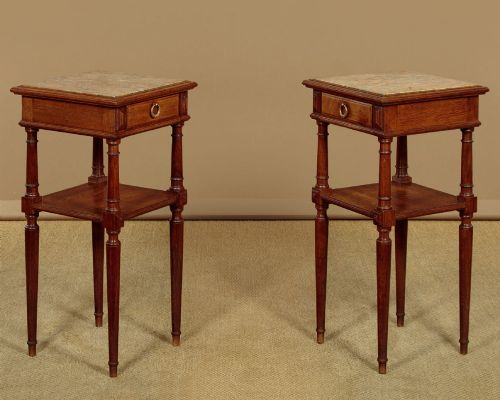
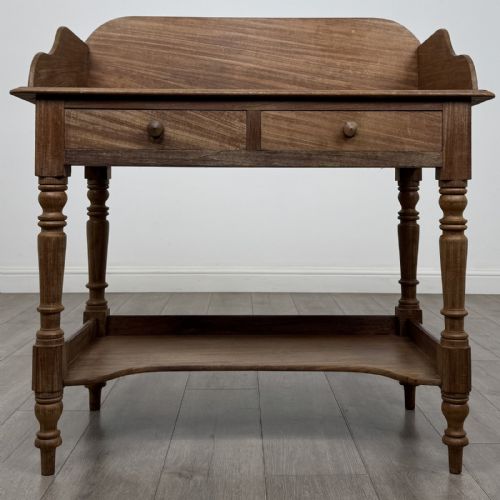
Structural integrity relies on traditional joinery, with turned or tapered legs supporting both the main tabletop and the lower undertier shelf. Metal elements like brass appear selectively, while specialist examples incorporate marble tops with iron or timber frames.
Antique Undertier Side Table Retail Price Guide 2026
Typical asking prices for undertier side table among the pieces listed under this phrase on Sellingantiques today, from the lower quarter to the upper quarter. They describe what is for sale here now, not the wider market.
The listings span from the eighteenth century through the Victorian and Edwardian eras, showcasing woods like mahogany, satinwood, rosewood, oak, and walnut.
Distinguishing quality across pieces
Quality reveals itself in the selection of timber veneers and the precision of the inlay work, such as delicate ebony and boxwood stringing. Superior examples display crisp carving, balanced proportions, and robust joinery where the lower undertier meets the legs.
The refinement of the secondary details, including the turning of the legs and the quality of any painted decoration or marquetry, separates standard production from exceptional craftsmanship.
Liberty and Co·Howard and Son·Haentgos Freres
The Antique Undertier Side Table Glossary
- Undertier
- A secondary lower shelf or tier positioned beneath the main tabletop, designed for storage or display. This feature adds structural stability while providing extra surface area in a compact footprint.
- Marquetry
- Decorative patterns formed by fitting together small pieces of wood veneer, shell, or ivory into a wooden background. Craftsmen applied this technique extensively on satinwood and mahogany tabletops.
- Cricket table
- A small, lightweight wooden table typically featuring three splayed legs and a round top. These early pieces originate from country houses and primitive vernacular traditions.
- Stringing
- Thin inlaid lines of contrasting wood, such as boxwood or ebony, used to outline the edges of tabletops and drawers. This linear detail defines the geometry of Edwardian and Sheraton Revival pieces.
- Occasional table
- A small, portable table designed for specific, intermittent use around a room. They take many forms, including lamp tables, spider tables, and tea tables.
Antique Undertier Side Table: Frequently Asked Questions
What is an undertier side table?
An undertier side table is a small accent table that includes a secondary shelf positioned lower down between the legs. This lower tier provides additional space for books or small decorative items without increasing the overall footprint of the furniture.
Such tables became particularly popular during the late Victorian and Edwardian periods, when homes featured numerous specialised small tables for lamps and ornaments.
How were these tables used originally?
In period homes, these tables served multiple transient functions as lamp stands, tea tables, or general display surfaces in drawing rooms and parlours. The lower shelf allowed residents to keep reading material or small accessories close at hand while maintaining a tidy main surface.
Their mobility meant they could easily be shifted around the room depending on the daily social activities of the household.
How do I date an Edwardian table?
Dating an Edwardian table involves examining the timber species, the style of inlay, and the construction methods typical of the years around nineteen hundred. Lighter woods like satinwood and mahogany paired with delicate boxwood stringing point strongly to this era of revival styles.
Makers marks, retailer labels, or characteristic turning on the legs also help narrow down the period of manufacture.
Where should I place an occasional table?
An occasional table works well beside a sofa or armchair where the lower undertier can hold everyday items like notebooks or coasters. Their compact size also makes them suitable for hallways, landings, or as dedicated lamp stands in corners of a room.
The variety of shapes, from octagonal to oval and circular, allows you to fit them into awkward spaces where larger furniture will not go.