
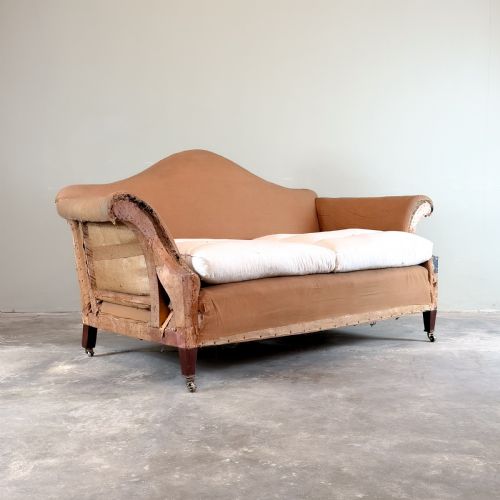
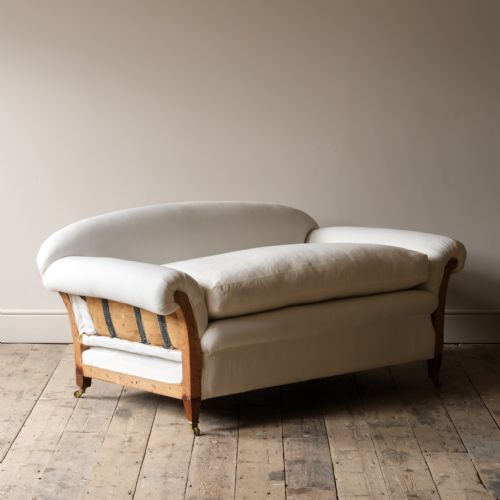
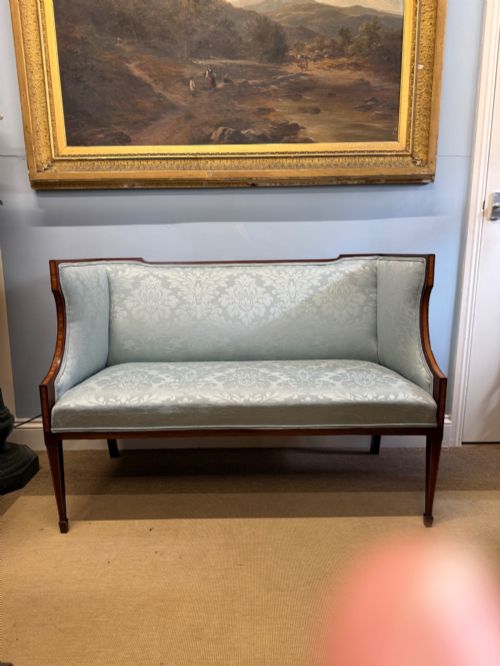
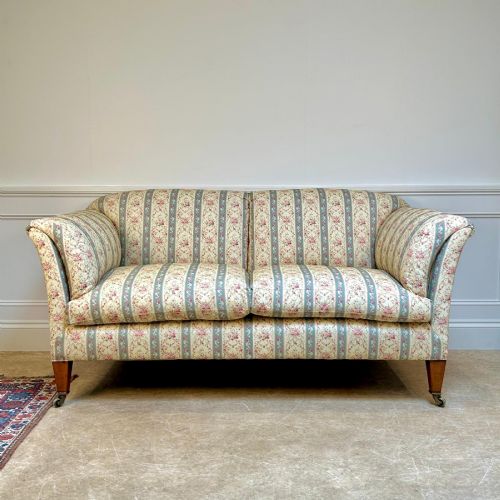

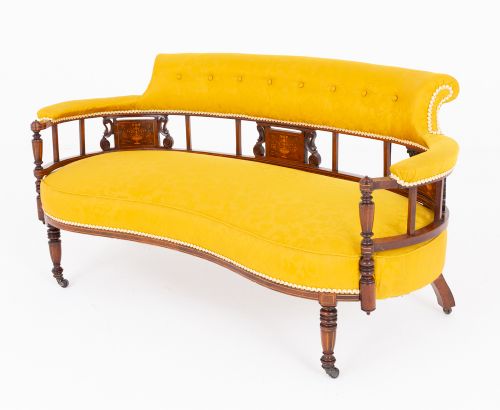
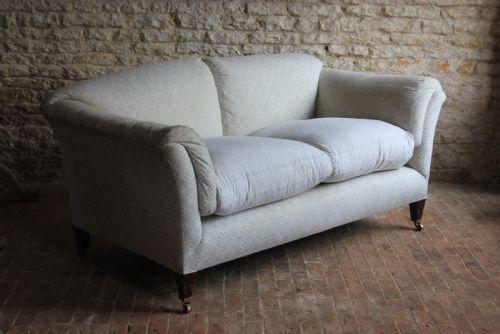
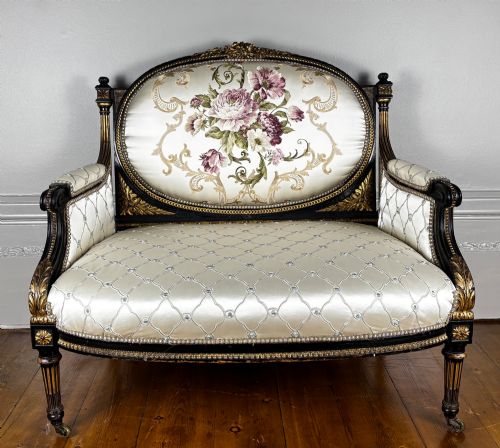
Antique Two Seat Settee
When you search for an antique two seat settee, you look for compact seating that brings period character and refined proportion into a room.
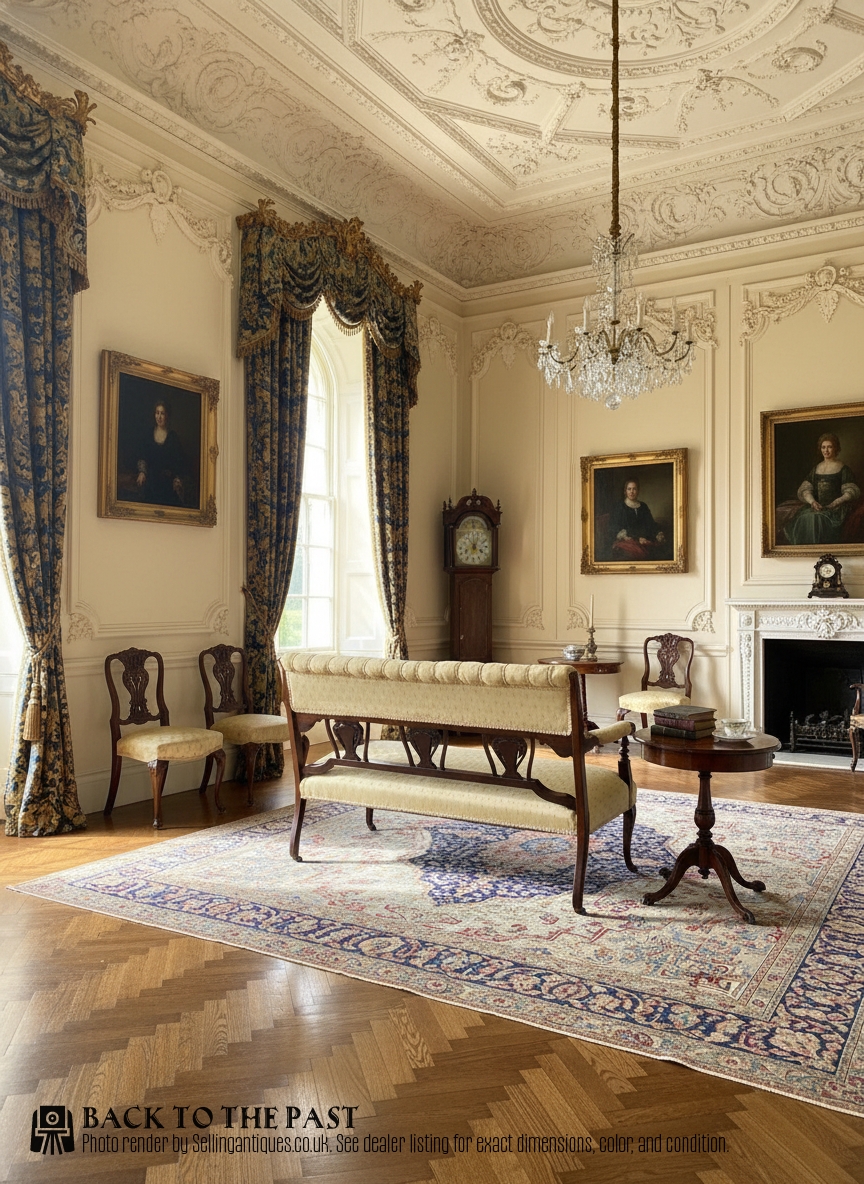
Antique Two Seat Settee
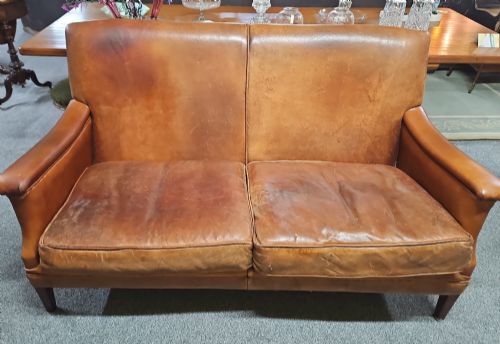
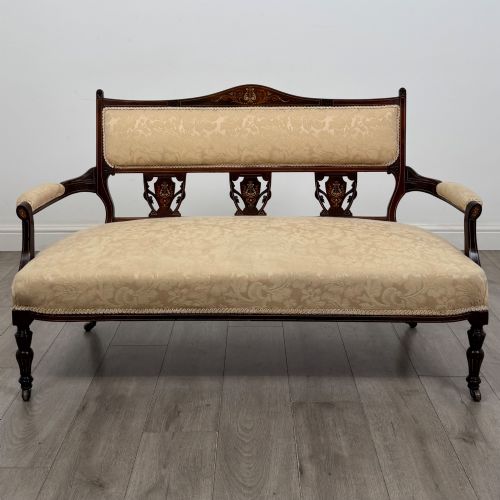
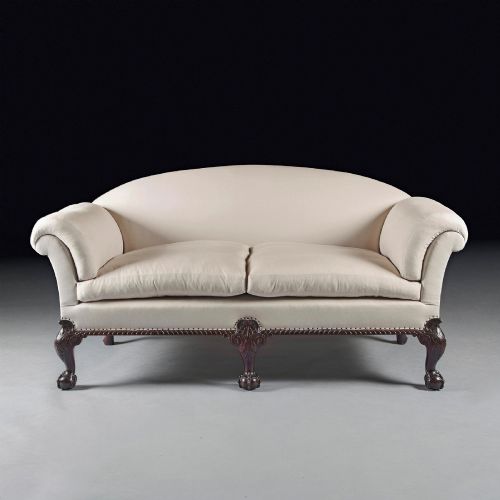
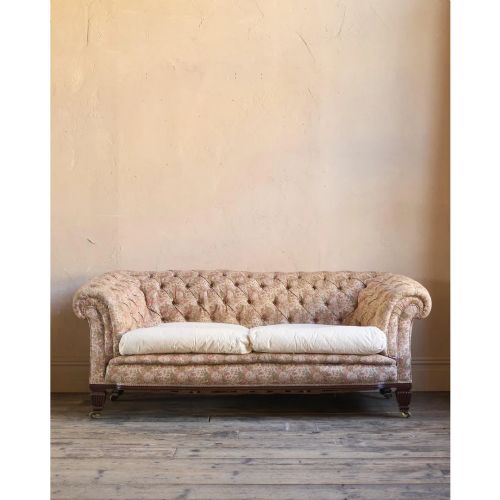
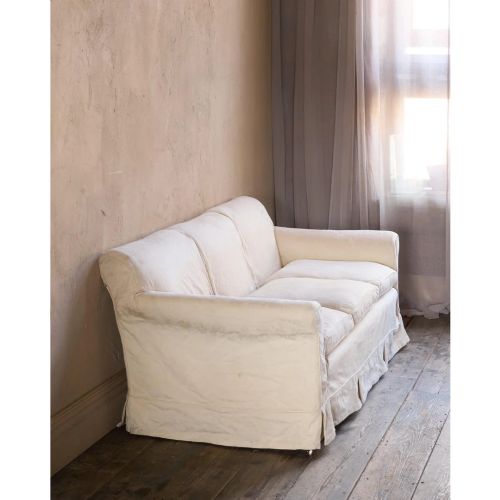
An antique two seat settee offers intimate proportions suited to smaller rooms and drawing rooms, distinct from larger multi-seater couches. The examples appearing most frequently span the Victorian and Edwardian eras, alongside Continental designs shaped by French stylistic revivals.
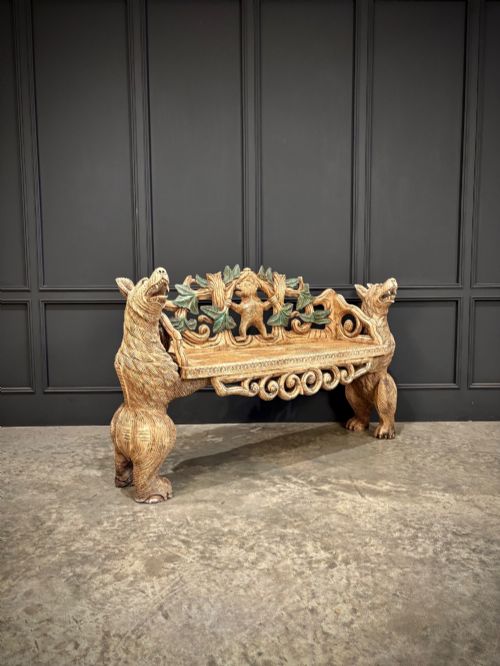
Makers often drew upon classic forms like the Chesterfield, camel back, and corbeille, or turned to specific regional aesthetics including country house and Black Forest styles. Buyers encounter both robust mahogany frames and giltwood salon pieces upholstered in fabric, velvet, or silk.
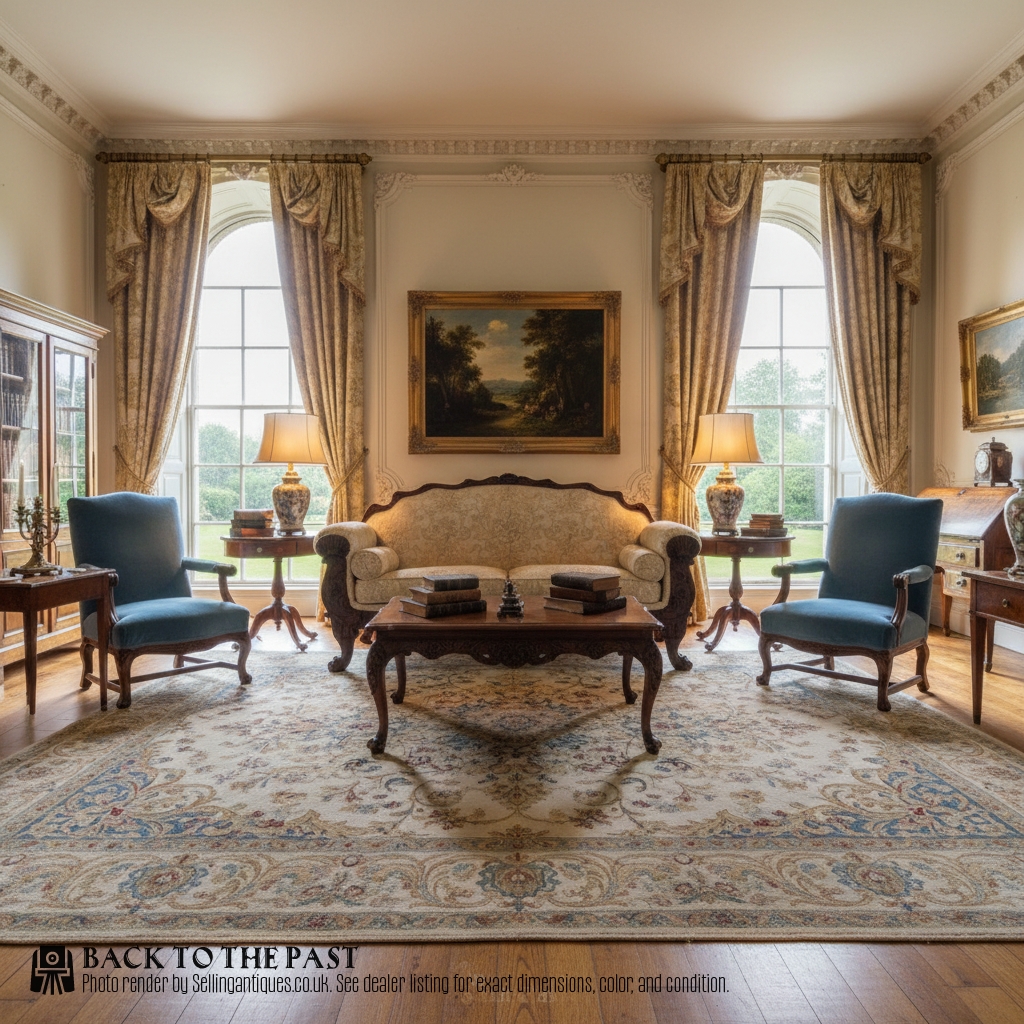
How they were made
Cabinetmakers constructed the structural frames primarily from hardwoods such as mahogany, walnut, and satinwood, frequently employing inlay, marquetry, or parcel gilt embellishments. Ormolu mounts, brass details, and hand-canework further defined the decorative execution of salon and boudoir pieces.
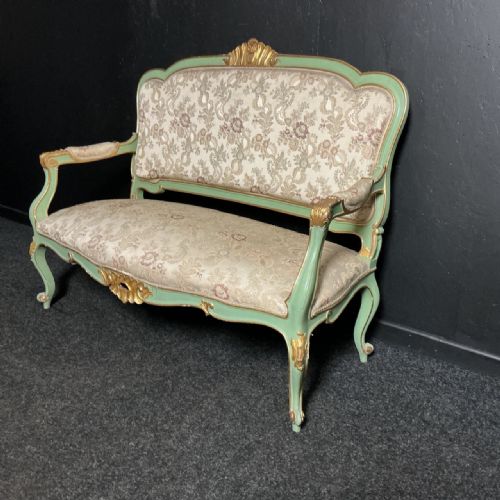
Upholstered versions relied on traditional stuffing methods finished with various fabrics, whilst French models often integrated carved giltwood or ebonised surfaces with exposed timber frames and fluted legs.
Antique Two Seat Settee Retail Price Guide 2026
Typical asking prices for two seat settee among the pieces listed under this phrase on Sellingantiques today, from the lower quarter to the upper quarter. They describe what is for sale here now, not the wider market.
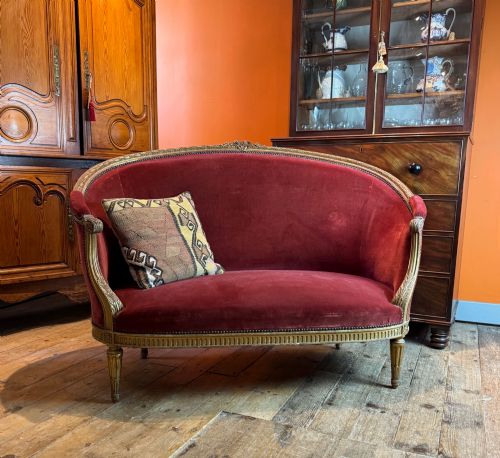
French design revivals appear frequently across the selection, featuring giltwood frames, silk upholstery, and detailed ormolu mounts.
What varies in quality
Quality rests in the crispness of timber carving, the precision of marquetry inlay, and the structural integrity of the frame joints. Workshop attribution, such as pieces associated with makers like Howard and Sons, elevates an item through superior internal construction and branded components.
The choice of secondary woods, the execution of hand-caning, and the original retention of delicate decorative elements like ormolu mounts differentiate standard production pieces from finer salon furniture.
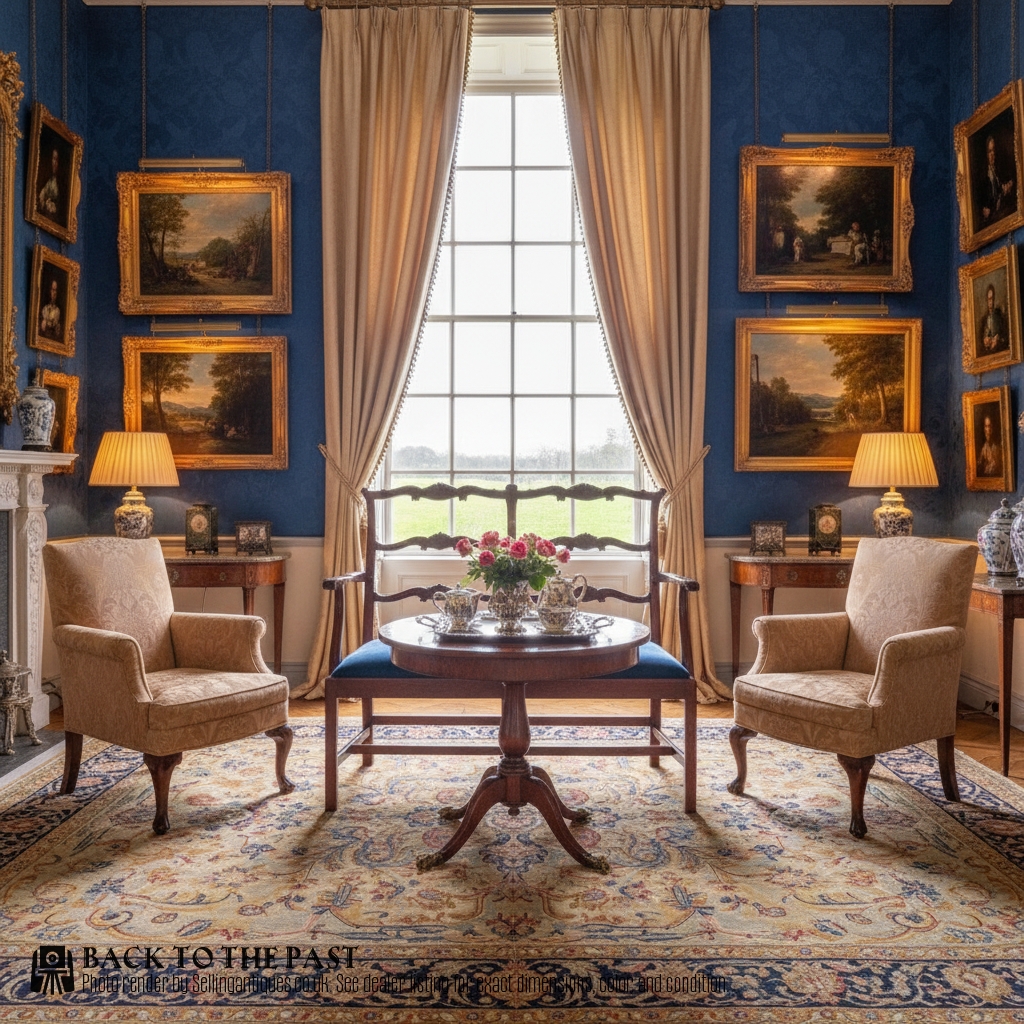
Howard and Sons·Thonet·Butlers of Dublin
The Antique Two Seat Settee Glossary
- Corbeille
- A French style of sofa featuring a rounded, basket-like back that curves continuously into the arms. This shape provides an enclosed and supportive seat.
- Marquetry
- The art of applying decorative veneer pieces to a structure to form intricate patterns or pictures. It appears frequently on Edwardian mahogany and satinwood furniture.
- Ormolu
- Gilded bronze mounts applied to furniture for decorative accent, common in French Empire and neoclassical revival pieces. It adds a metallic contrast to dark wood surfaces.
- Canework
- Woven rattan or cane used for seats and panel backs, offering a lightweight and breathable texture. It is typical of Edwardian and French provincial seating.
Antique Two Seat Settee: Frequently Asked Questions
What defines a two seat settee?
A two seat settee provides compact upholstered seating designed for two occupants, differing from expansive family sofas through its more modest proportions.
These pieces typically function as accent seating in bedrooms, hallways, or smaller reception spaces.
How do I identify an Edwardian settee?
Edwardian settees often feature lighter woods like mahogany and satinwood, frequently decorated with delicate marquetry inlay and subtle tapering legs.
They lean towards refined comfort and draw inspiration from earlier Georgian and neoclassical design vocabularies.
Where were French style settees used?
French style settees, including Louis XV and Louis XVI revivals, served primarily in formal salons, boudoirs, and drawing rooms.
Their giltwood finishes, exposed carved frames, and silk or velvet upholstery suited spaces dedicated to entertaining guests.
Can I use an antique settee daily?
Many antique settees suit regular daily use, provided the internal webbing and upholstery support remain stable and well-maintained.
Delicate giltwood or heavily caned salon pieces require more careful placement to preserve their decorative surfaces.