


Antique Open Arm Settee
An antique open arm settee brings character and generous seating to a room, combining period woodwork with comfortable upholstered cushions.
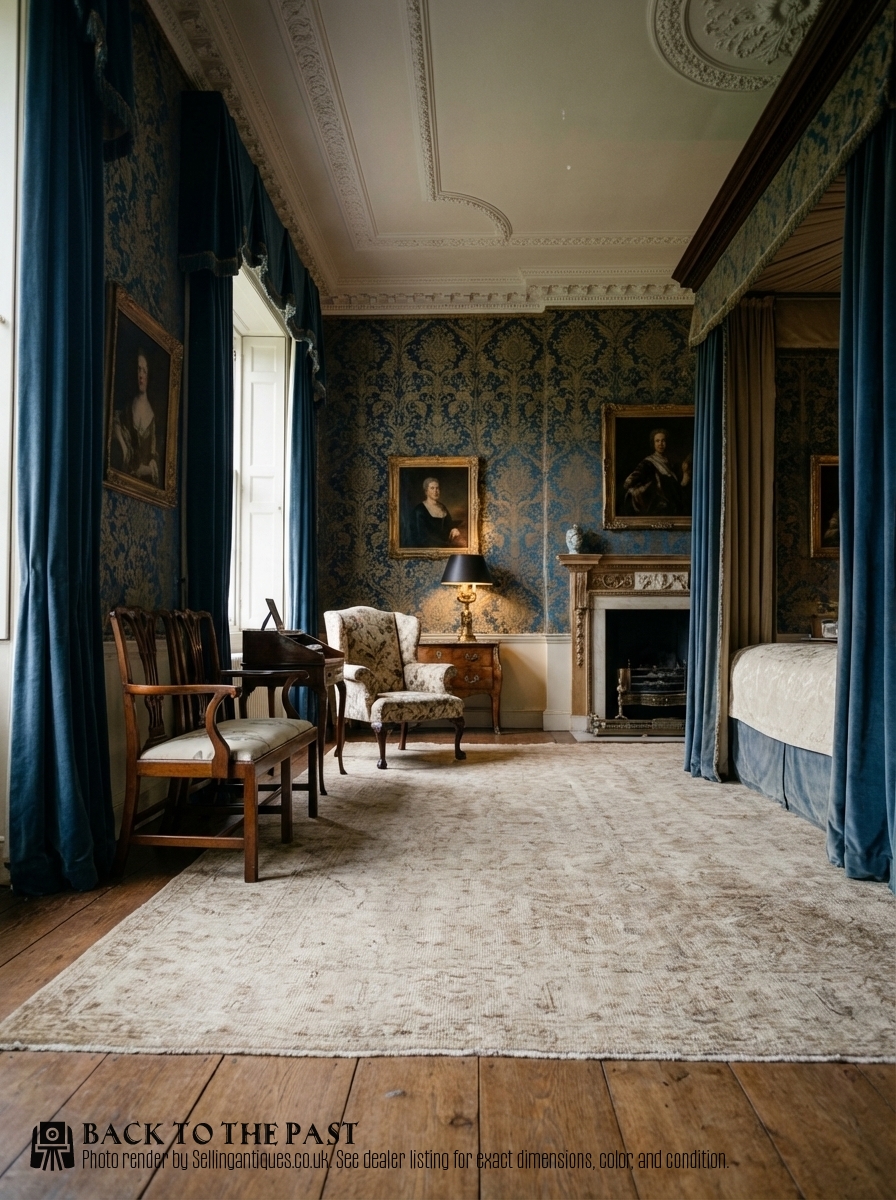
Antique Open Arm Settee
An antique open arm settee is a long seated piece of furniture featuring wooden arms left un-upholstered to display the timber framework. Buyers searching for this phrase seek seating that bridges the gap between a single armchair and a full sofa.
The versions most frequently met on this page date from the nineteenth century, including distinct Victorian pieces and revival designs that mirror earlier Georgian and Regency aesthetics. These settees often showcase multiple chair-back designs joined together in a single extended frame.
Makers produced these forms in variations such as shield backs, chair backs, and Howard styles, using woods like mahogany, walnut, and maple. They serve as practical centrepieces in drawing rooms and halls, offering both aesthetic presence and functional seating.
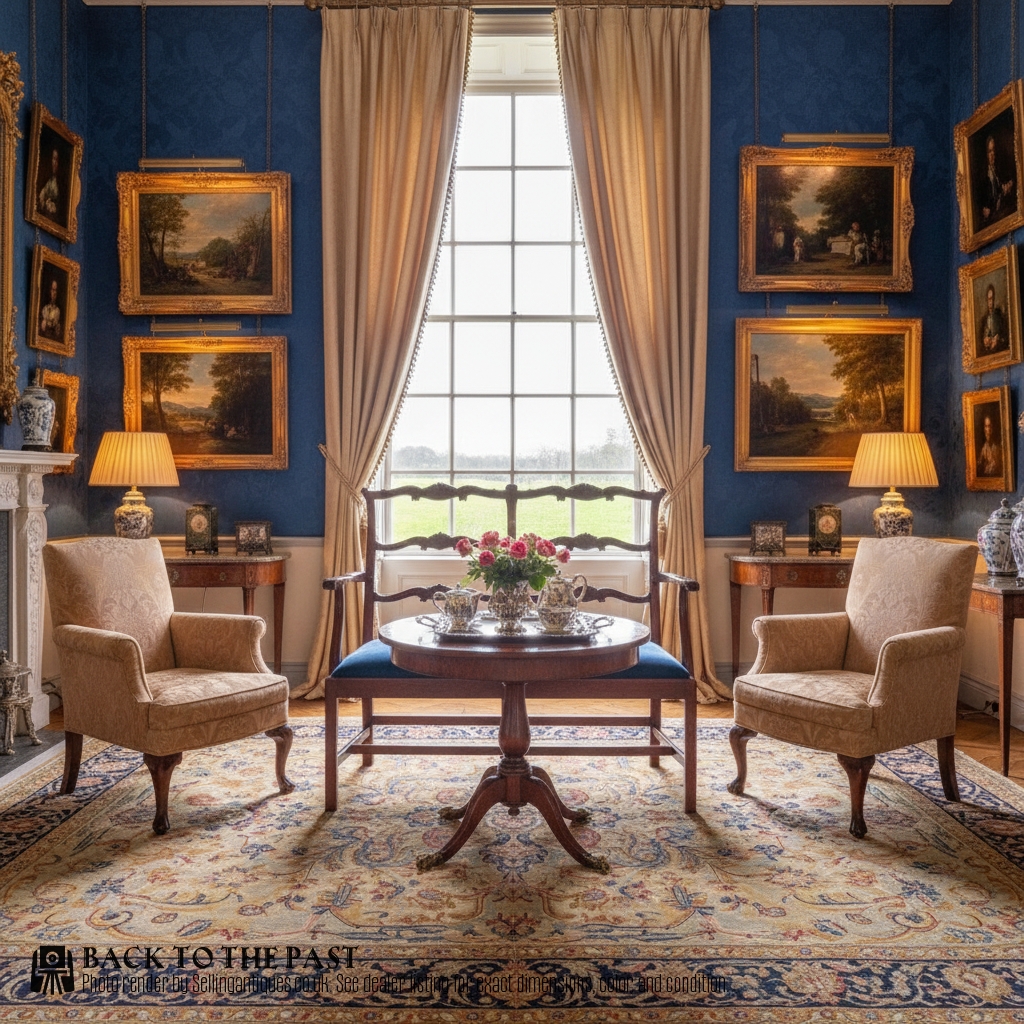
How they were made
Cabinet makers constructed the frames of these settees using solid timbers such as mahogany, walnut, and oak, frequently shaping the wood through carving and turning. Selected examples incorporate painted finishes, gold leaf accents, or delicate inlay work using satinwood.
Upholstery techniques involved securing fabric, velvet, or leather over supportive foundations within the open wooden framework. Brass elements occasionally appeared in structural or decorative capacities on specific nineteenth-century pieces.
Listings on this page span the nineteenth century and early twentieth century, featuring materials such as mahogany, walnut, maple, fabric, velvet, and leather.
What varies in quality
The standard of a settee depends heavily on the crispness and depth of the timber carving along the arms, legs, and back rails. Finer examples display meticulous attention to detail in the joinery and the selection of figured wood grains.
Proportion and balance dictate the visual success of the piece, particularly in multi-chair-back designs where the alignment of each section must remain harmonious. The integration of high-grade upholstery fabrics and original decorative treatments further elevates the standing of individual pieces.
The Antique Open Arm Settee Glossary
- Open arm
- A furniture construction style where the armrests are left un-upholstered to expose the structural woodwork beneath. This design highlights the carved details of the timber frame.
- Chair back
- A settee design where the upper structure mimics the joined backs of several individual chairs set in a row. It is a common feature in Hepplewhite and Georgian revival pieces.
- Regency style
- A British design period spanning the early nineteenth century characterised by classical influences and refined decorative motifs. Pieces from this era often feature painted wood and gilt highlights.
- Biedermeier
- A Central European style from the nineteenth century focusing on clean lines and domestic comfort over excessive ornamentation. Maple was frequently utilised in these furniture pieces.
- Shield back
- A chair or settee back shaped in the outline of a heraldic shield. This form is strongly associated with eighteenth-century and revival Hepplewhite designs.
Antique Open Arm Settee: Frequently Asked Questions
Where should I place an open arm settee?
These settees suit reception rooms, large hallways, or spacious bedrooms where their decorative backs and open frames remain visible from multiple angles.
Because the arms lack thick padding, placing them away from heavy drafts allows guests to enjoy the seating comfortably with added cushions if desired.
How do I care for the wooden frame?
Maintaining the timber requires regular dusting with a dry cloth and occasional application of appropriate furniture wax to preserve the polish.
Avoiding direct sunlight prevents the mahogany, walnut, or painted finishes from fading over time.
How do I distinguish nineteenth-century styles?
Distinguishing the styles involves examining the timber choices, carving motifs, and overall silhouette against documented period characteristics.
Victorian pieces often lean towards heavier proportions, while Regency and Hepplewhite designs display lighter classical lines.