
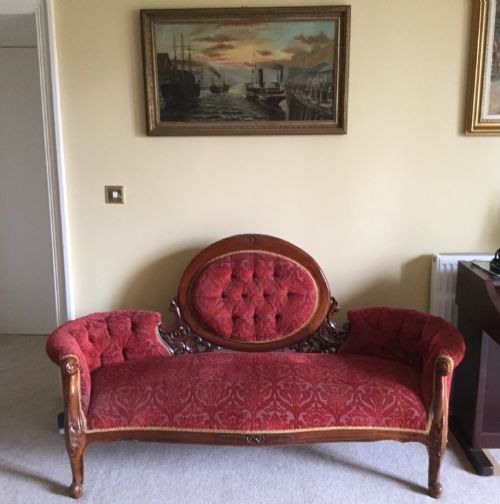
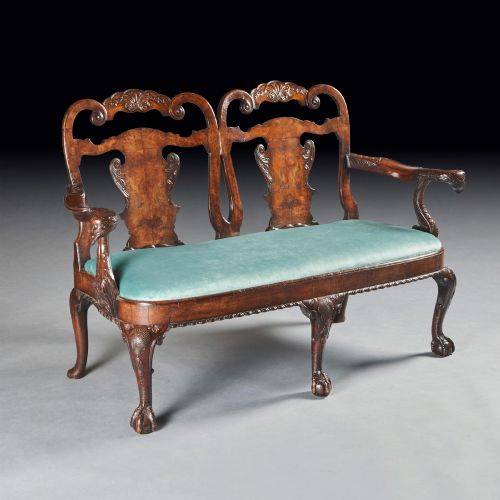
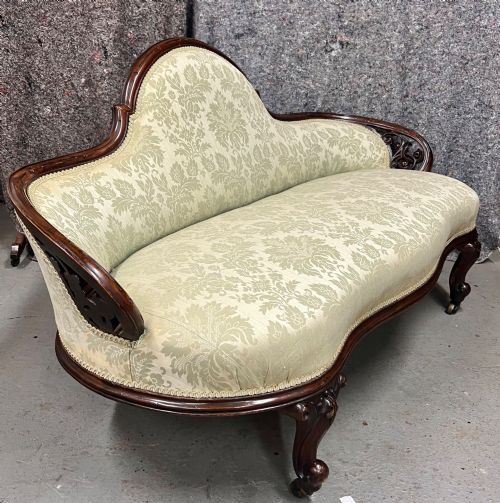
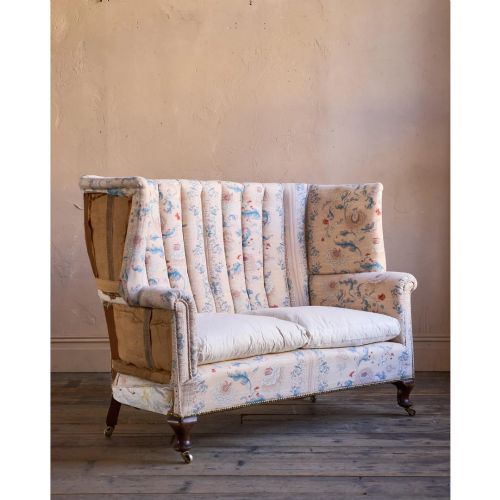
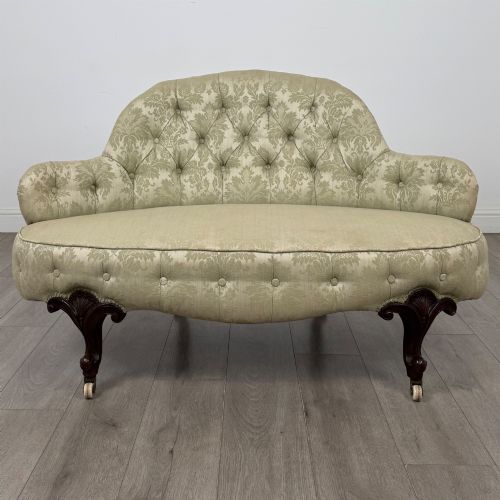


Double Chair Back Settee
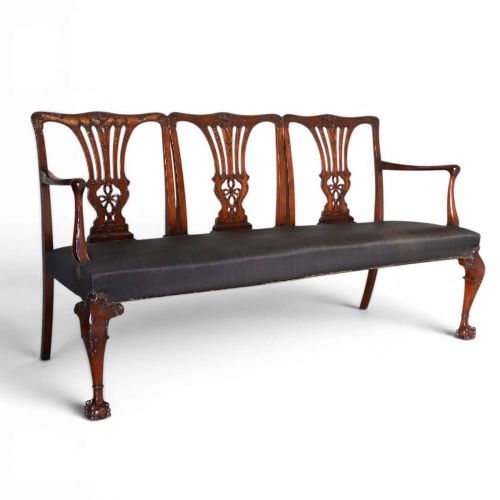
A double chair back settee brings the formal symmetry of 18th-century seating into a room with twin splats and unified framing.
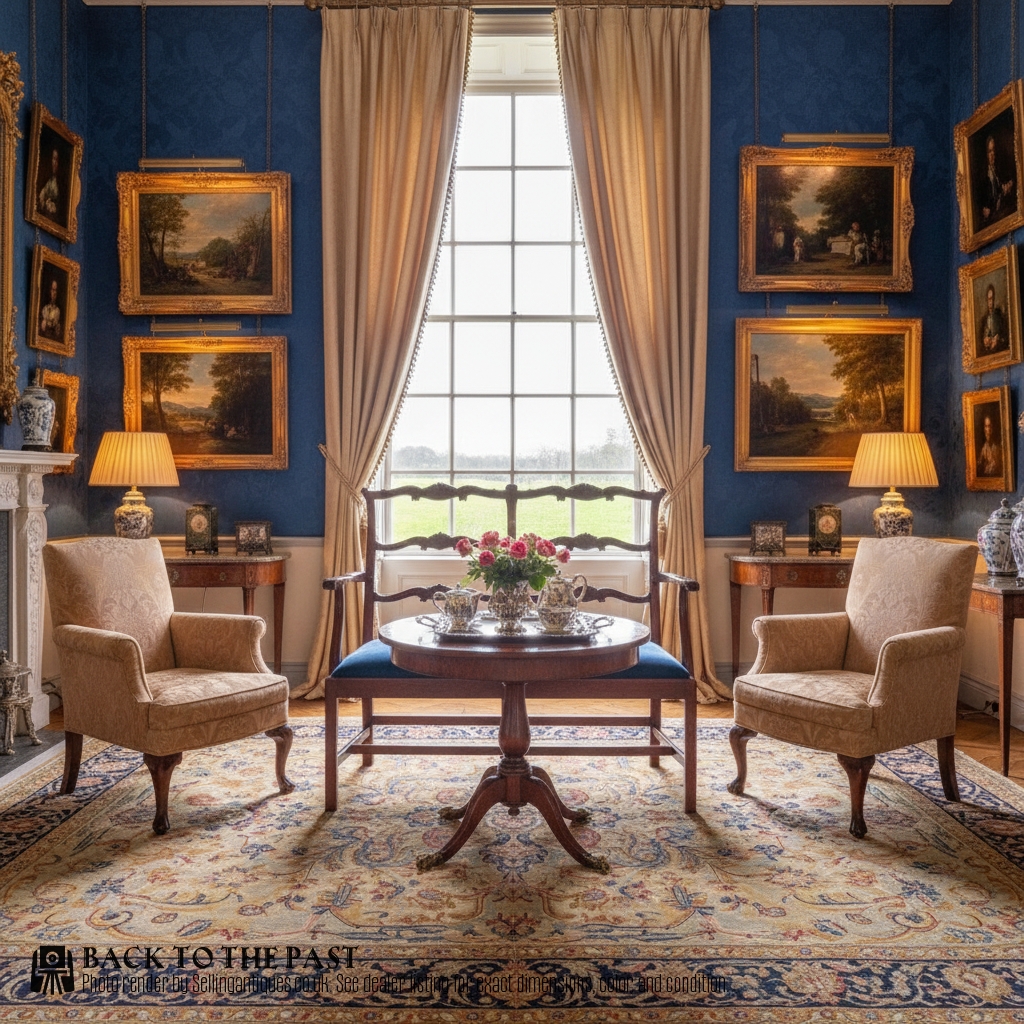
Understanding the double chair back settee
A double chair back settee is a long seat designed to look like two or three joined chairs sharing a single continuous frame and base. When you search for a double chair back settee, you are looking at pieces that adapt traditional dining chair backs into sophisticated living room seating.
The versions most commonly met on this page date from the Victorian and Edwardian eras, particularly the latter when revival styles gained immense popularity. These later pieces frequently adopt George II, Chippendale, or Hepplewhite designs, combining historical silhouettes with comfortable proportions.
Makers adapted these forms into various seating arrangements, ranging from compact two-seater sofas to wider three-seater settees. They appear in configurations featuring ladderbacks, pierced splats, and carved top rails reminiscent of great cabinet-making traditions.
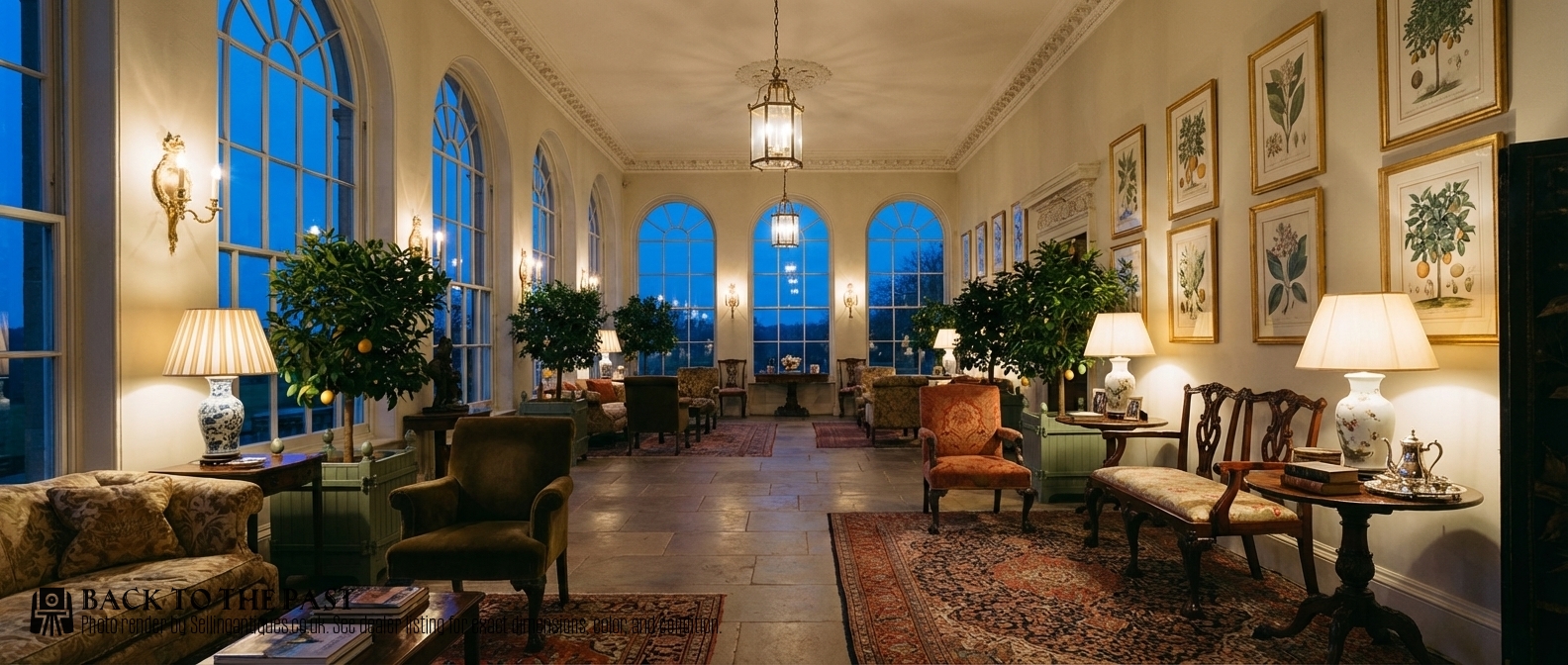
Materials and construction
The primary structural timber across these pieces is mahogany, chosen for its strength and rich grain, alongside occasional examples rendered in oak or highlighted with satinwood inlay. Craftsmen shaped these hard woods to form the intricate pierced splats and curved arm supports essential to the chair-back aesthetic.
Upholstery forms an integral part of the construction, utilising fabrics and velvet over sprung or padded seats to provide comfort. Joinery techniques from the nineteenth and early twentieth centuries ensure the double-backed frames withstand the lateral stresses inherent in wide seating.
Retail Price Guide 2026
Typical UK retail prices for double chair back settee, calculated from the Sellingantiques database of over a million retail prices indexed since 2003. This retail price guide relies exclusively on Sellingantiques data; no external sources or auction records are used, so the figures do not describe the wider market.
Some Edwardian makers essentially glued two distinct chair patterns together and called it a sofa, inventing the ultimate architectural compromise.
Distinguishing quality
The division between standard and superior pieces rests on the crispness of the carving and the fidelity of the historical revival style. Fine examples exhibit deeply undercut pierced splats and carefully figured timber grains that enhance the visual rhythm of the double back.
Attention to secondary woods and the refinement of the leg joinery further separate ordinary production from high-grade cabinet work. Subtle details such as finely inlaid satinwood accents elevate the decorative ambition of the piece.
The Double Chair Back Settee Glossary
- Chippendale
- A style originating from the mid-eighteenth-century designs of Thomas Chippendale, characterised by ribbon-backed or pierced splats and cabriole legs. Revival versions borrow these motifs for decorative impact.
- Splat
- The vertical central strip of wood within a chair back connecting the crest rail to the seat. In these settees, twin splats define the double chair back form.
- Satinwood
- A pale, dense timber used extensively for banding and inlay work on late-period furniture. It provides a striking contrast against darker woods like mahogany.
- Ladderback
- A chair back style featuring a series of horizontal arched slats resembling the rungs of a ladder. This vernacular form translates effectively into rustic or simpler antique settees.
Frequently Asked Questions
What is a double chair back settee?
A double chair back settee is a piece of seating furniture where the backrest is designed to resemble two distinct chair backs joined together side by side. It offers the visual appearance of multiple dining chairs combined into a single sofa frame.
These pieces typically date from the nineteenth and early twentieth centuries, drawing heavily on eighteenth-century revival styles. They serve as decorative and functional seating for drawing rooms and halls.
How were these settees used historically?
Historically, double chair back settees were placed in formal reception rooms, parlours, or hallways where guests were received. They provided seating that maintained the upright, dignified posture associated with dining or parlour chairs.
While less deep and plush than modern upholstered sofas, their open wooden backs allowed light to pass through rooms, keeping spaces feeling airy.
How do I distinguish Edwardian revival from earlier pieces?
Edwardian revival settees, typically dating around nineteen-ten, often display lighter framing, machine-assisted precision in their carving, and occasionally brighter mahogany finishes. Earlier nineteenth-century examples tend to show heavier timber scantries and more hand-wrought joinery.
Examining the secondary woods underneath and the wear patterns on the finish helps clarify the chronological origin of the piece.
How do I live with a antique settee?
Living with an antique settee involves placing it away from direct sunlight and strong heat sources to protect the polished mahogany and delicate wood inlays. Regular dusting and occasional conditioning of the wood keep the surface stable.
For upholstered sections, gentle vacuuming and professional cleaning when necessary preserve the fabric or velvet without stressing the antique frame.