


19th Century Chesterfield Couch
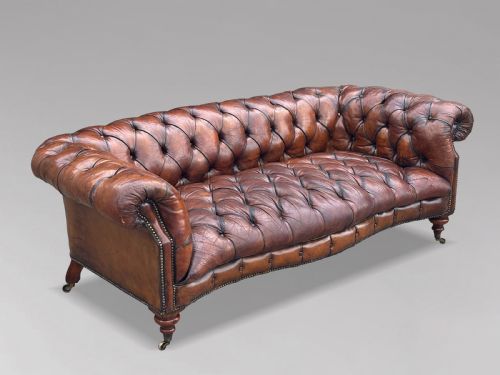
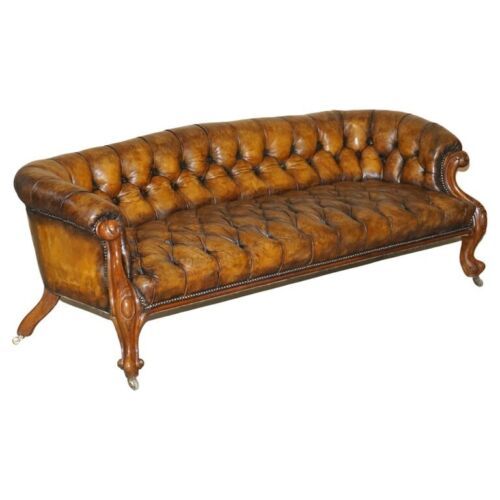
A 19th century chesterfield couch anchors a room with deep buttoning and rolled arms, offering enduring comfort and presence.
19th Century Chesterfield Couch
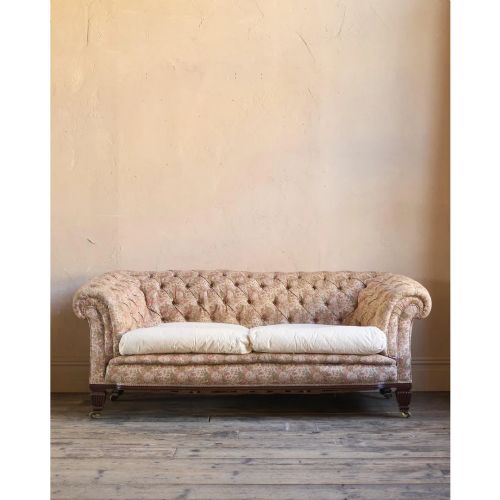
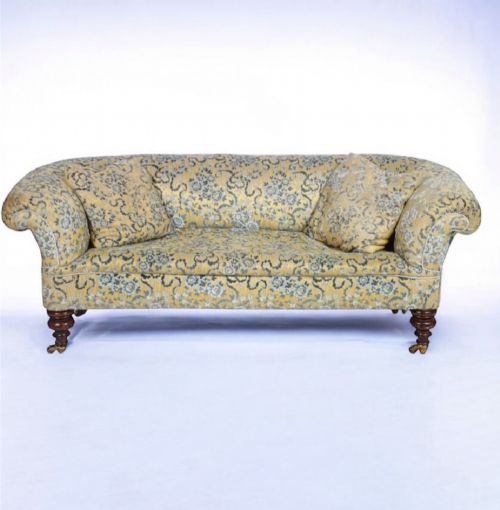
A 19th century chesterfield couch is a foundational piece of seating furniture, appearing across the Victorian era in forms such as three-seater sofas, settees, and chaise longues. These pieces emerge from the nineteenth century carrying the hallmarks of country house comfort, often shaped with characteristic low backs and scrolled arms.
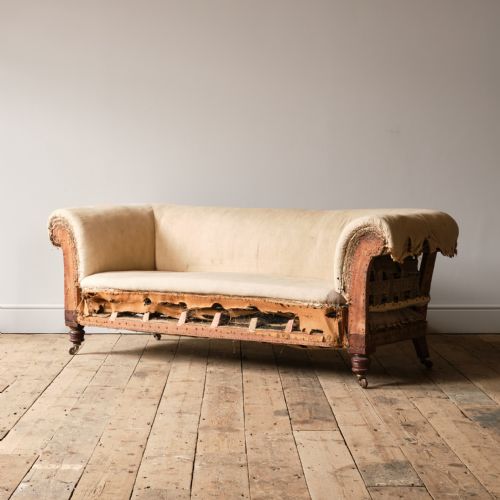
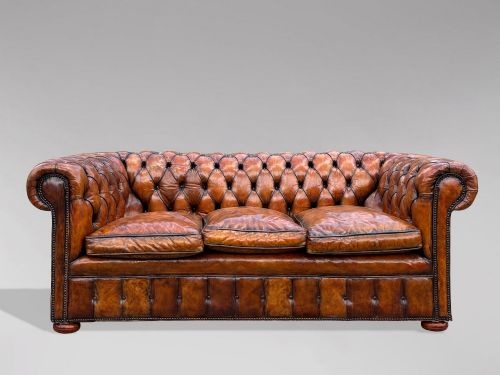
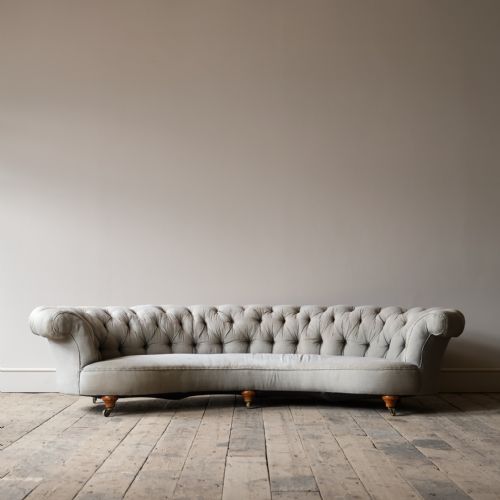
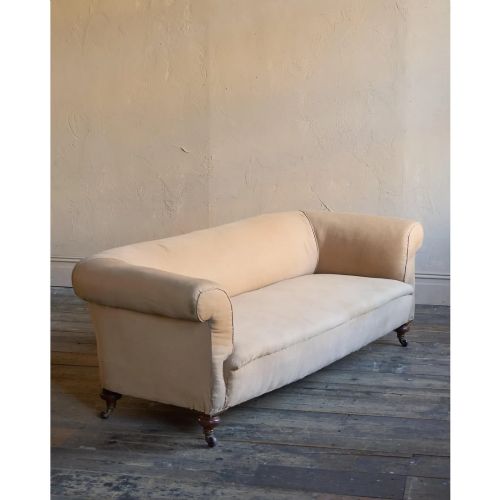
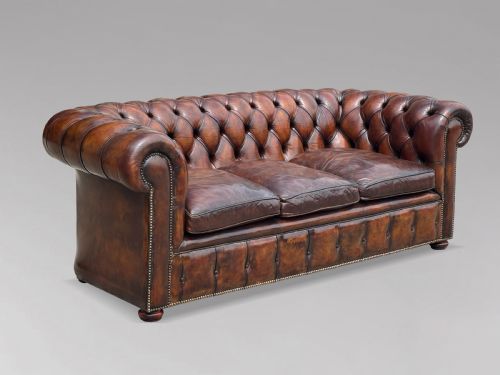
Buyers encountering this furniture on the page will find examples spanning from the mid nineteenth century to the eighteen-eighties. The selection ranges from substantial brown leather sofas to show-frame carved walnut variants and upholstered versions finished in fabric or calico.
How they were made
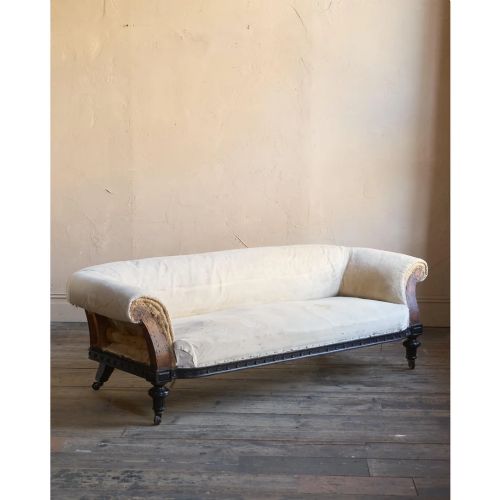
The construction relies on solid timber frames fashioned from woods such as mahogany and walnut, providing a sturdy architectural skeleton. Brass details frequently accent the framework and upholstery work.
Upholstery defines the character of these couches, utilising traditional materials including leather, fabric, and calico. Skilled hands executed the deep buttoning and hand-dyed finishes that give the hides their distinct depth of colour.
Some nineteenth-century couches arrive with stories of previous life in British country houses, complete with decades of comfortable creaks.
What varies in quality
The distinction between tiers rests upon the integrity of the original timber frame and the sophistication of the upholstery work. Maker attribution plays a significant role, as pieces from established London workshops demonstrate superior joinery and proportional balance.
The treatment of the leather also separates examples, with hand-dyed hides and retained original surfaces holding greater distinction than later replacements. Structural refinement in the show-frames, particularly carved walnut or mahogany details, elevates the standing of individual couches.
Howard And Sons·Hampton And Sons·Jas Shoolbred
The 19th Century Chesterfield Couch Glossary
- Chesterfield
- A deep-buttoned upholstered sofa featuring arms of the same height as the back. This form became a staple of Victorian interiors and country houses.
- Show-frame
- A wooden structural frame left partially exposed around the upholstery. Walnut and mahogany were frequently utilised for this decorative purpose.
- Chaise Longue
- An upholstered long chair designed for reclining, combining the qualities of a chair and a sofa. These often feature a single raised end for the head.
- Calico
- A plain-woven cotton fabric used historically as the foundational inner lining for upholstered furniture before final top covers were applied.
- Aesthetic Movement
- A late nineteenth-century design style emphasising visual beauty over narrative subject matter. Furniture from this movement prioritises artistic form and refined decoration.
19th Century Chesterfield Couch: Frequently Asked Questions
How do I identify a Victorian chesterfield?
A Victorian chesterfield typically displays deep buttoning, scrolled arms, and heavy timber framing beneath traditional leather or fabric upholstery. Dating relies on the specific turn of the nineteenth century and stylistic cues from periods like the Aesthetic Movement.
Makers' marks on the castors or webbing often help confirm the origin and period of manufacture.
Were these couches always finished in leather?
Leather was common for country house interiors, but these couches also appeared in fabric and calico during the nineteenth century. Hand-dyed leathers in brown, green, and aubergine are widely seen today.
Original surfaces coexist with pieces that have undergone historical restoration in fresh hides.
How do I place one in a modern room?
These couches suit both traditional and contemporary interiors through their strong silhouette and deep seating proportions. Pairing them with minimalist surroundings lets the scrolled arms and buttoned leather stand out.
Allow sufficient floor space around the piece to showcase its length and depth properly.