


Carved Wooden Love Seat
These carved wooden love seats are intimate double seats spanning the eighteenth century to the twentieth, offering period charm and seating for two.
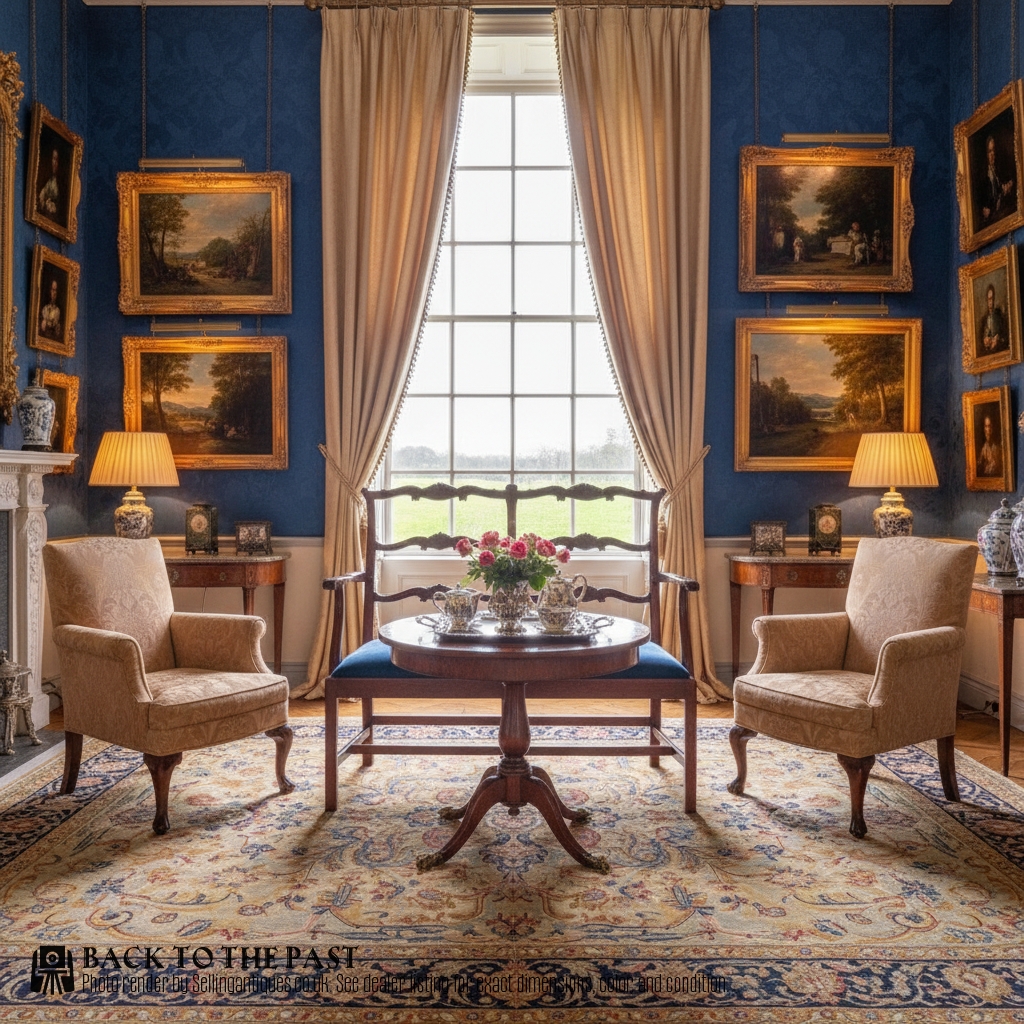
Carved Wooden Love Seat
A carved wooden love seat is a double-seating form designed for two people, appearing across various historical periods including the eighteenth century, the nineteenth century, and the Edwardian era. These pieces manifest as settees, chair-back sofas, and small end-of-bed two-seater sofas.
The most likely version to meet on this page is the mahogany or walnut settee, often bearing the stylistic influences of Chippendale, Georgian design, or French Louis styles. These items combine exposed wooden frames with upholstered seats covered in fabric, velvet, or damask.
Makers and designers drew upon historical vocabularies, resulting in pieces ranging from simple conversation seats to intricately inlaid Edwardian and Victorian models. Each object serves as a compact seating solution reflecting the prevailing aesthetic preferences of its decade of origin.
Materials and construction methods
Construction relies upon durable timbers such as mahogany, walnut, and painted wood, which form the structural frames and decorative carved elements of the settees. Artisans utilised satinwood inlay to add surface detail to Edwardian and later examples.
Upholstery techniques complete the pieces, incorporating traditional materials like fabric, velvet, fabric upholstery, and damask fabric to pad the seats and backs. The combination of carved woodwork and textile upholstery defines the physical makeup of these double seats.
Some nineteenth-century conversation seats are shaped so two people can sit closely while facing opposite directions.
Judging quality in double seats
Quality reveals itself in the crispness of the wood carving along the frame, where depth and precision distinguish refined cabinet work from simpler output. The integration of decorative elements like satinwood inlay further separates standard production from finer examples.
The choice of primary timber and the condition of the structural joinery govern the integrity of each settee. Pieces demonstrating thoughtful proportion and harmonious revival styling stand apart from more utilitarian seating forms.
The Carved Wooden Love Seat Glossary
- Settee
- An upholstered bench or sofa with a back and arms, designed to seat multiple people. This form serves as the primary category for these double seats.
- Chippendale Style
- A furniture design style originating in the eighteenth century, characterised by carved mahogany woodwork and intricate back designs. Pieces in this style often feature chair-back configurations.
- Satinwood Inlay
- A decorative technique where contrasting light-coloured satinwood is inserted into recesses of a darker primary wood. This detail appears frequently on Edwardian examples.
- Damask Fabric
- A reversible figured fabric traditionally used for upholstery on period seating. It provides texture and pattern to the seat pads and backs.
Carved Wooden Love Seat: Frequently Asked Questions
What is a carved wooden love seat?
A carved wooden love seat is a small sofa or settee designed for two occupants, featuring an exposed wooden frame with carved details.
These pieces encompass various historical styles, ranging from eighteenth-century Chippendale models to Edwardian inlaid settees.
Where were these settees placed historically?
These double seats were historically utilised in domestic reception rooms, parlours, and bed chambers for intimate conversation or resting.
Smaller variants also functioned as end-of-bed seating within larger sleeping quarters.
How do I identify an Edwardian love seat?
Edwardian examples often feature lighter mahogany frames ornamented with satinwood inlay, reflecting the tastes of the early twentieth century.
They tend to present brighter timber tones compared to heavier Victorian or eighteenth-century pieces.
What upholstery materials are common?
Common upholstery fabrics found on these seats include velvet, damask, and general fabric coverings suited to the period.
These textiles are paired with padded bases to ensure comfort alongside the decorative wooden structure.
How do I distinguish Chippendale style love seats?
Chippendale style love seats are characterised by distinctive chair-back configurations and solid mahogany construction.
Their frames exhibit traditional carved motifs influenced by mid-eighteenth-century English design principles.