
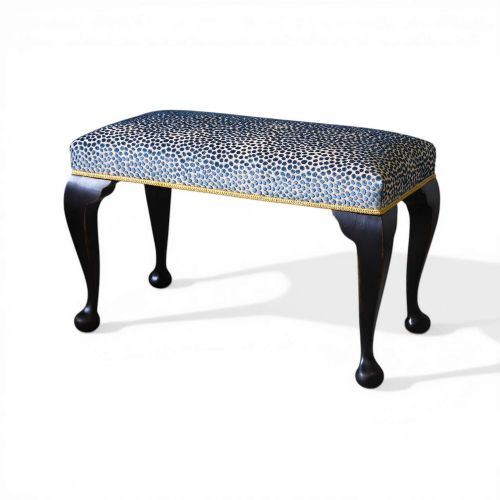


Blue Velvet Upholstered Bench
A blue velvet upholstered bench brings rich tactile depth to an interior, pairing robust timber frames with plush textile seating.
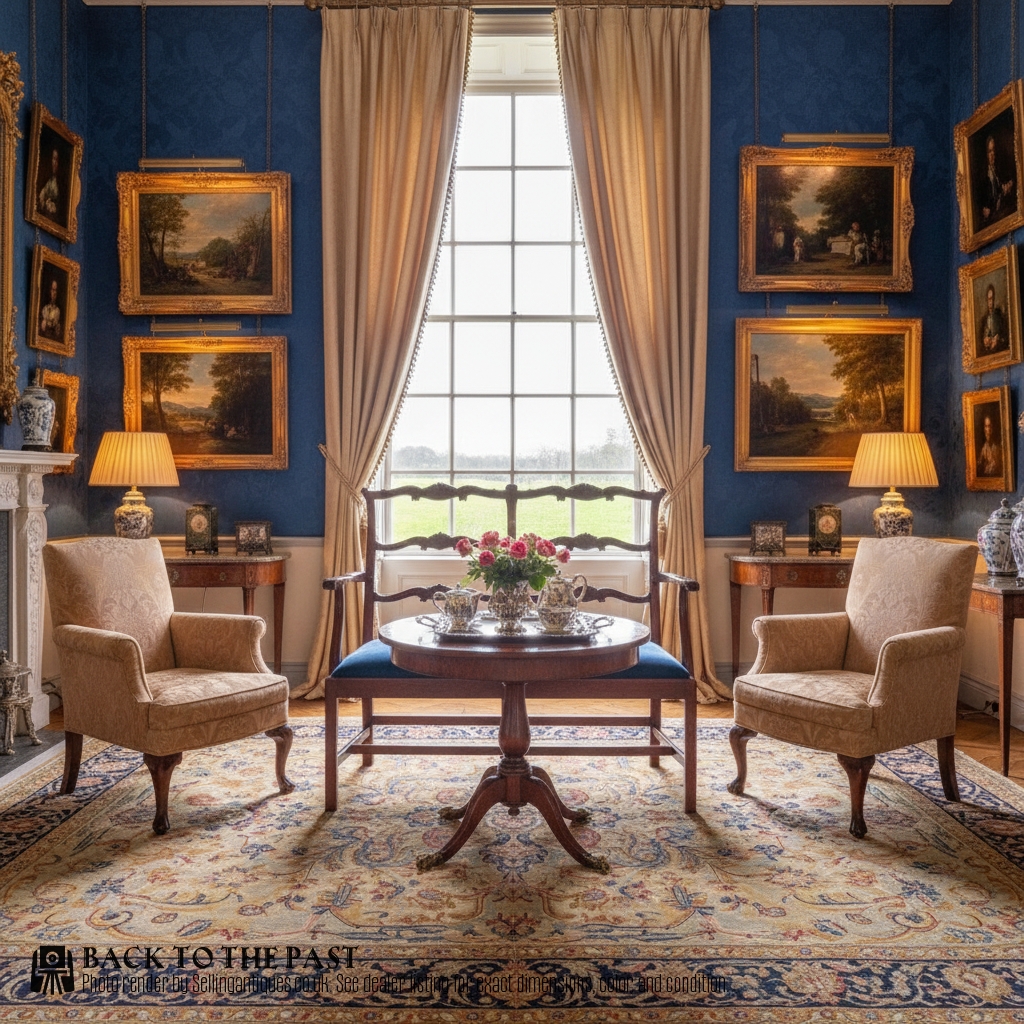
Blue Velvet Upholstered Bench
A blue velvet upholstered bench unites seating utility with striking textile warmth, appearing across historical periods from the nineteenth century to the Edwardian era. These pieces manifest in various forms including window seats, ottomans, stools, and compact settees designed for functional placement throughout the home.
The materials recorded in these listings combine rich fabric coverings with sturdy timber foundations, creating a distinct visual contrast between soft pile and polished wood. Common formats range from long rosewood ottoman stools to carved walnut window seats and ebonised frames.
Buyers encountering this selection will find examples reflecting diverse decorative movements such as Regency, Rococo Revival, French Empire, and Georgian Style. Each piece offers a specific architectural silhouette suited to entryways, bedrooms, or reception spaces.
How they were made
Makers constructed the structural frames of these seats using dense hardwoods such as mahogany, walnut, rosewood, and ebonised timber. These foundations frequently incorporate carved details, turned legs, or gilded surfaces that demonstrate traditional carpentry techniques.
The upholstery process combines plush velvet textile with supportive padding, occasionally finished with decorative braid or tassel trim. Metal elements such as brass components appear alongside timber frames to provide structural support and ornamental accent.
Design influences span eight distinct stylistic traditions, including Regency, French Empire, and Rococo Revival.
What varies in quality
The distinction between standard examples and superior pieces rests upon the crispness of timber carving and the architectural proportion of the frame. Skilled craftsmanship shows in the seamless integration of turned legs and the structural integrity of complex forms like X-framed supports.
Material selection dictates the overarching presence of the item, where dense rosewood or intricately carved walnut elevate the baseline of the object. The refinement of secondary details, including applied braid or tassel trim, further distinguishes high-tier examples.
The Blue Velvet Upholstered Bench Glossary
- Ebonised Wood
- Timber treated to resemble ebony through a staining or painting process. This dark finish creates a dramatic contrast against colourful textile upholstery.
- X-Framed
- A structural furniture design featuring intersecting diagonal supports forming an X shape. This configuration provides both high load-bearing strength and classical aesthetic balance.
- Window Seat
- A long, narrow seating form specifically proportioned to sit within the recess of a window. These pieces frequently double as low benches or decorative hallway furnishings.
- Giltwood
- Timber coated with a thin layer of gold leaf or metallic gilt. This technique highlights carved ornamentation on formal seating frames.
Blue Velvet Upholstered Bench: Frequently Asked Questions
Where should I place a bench?
These pieces fit naturally at the foot of a bed, beneath a hallway window, or alongside a reception room wall. Their compact footprint allows them to function as supplementary seating without dominating a room.
Taller window seats and ottomans also serve as practical surfaces for resting everyday items while maintaining their decorative presence in an interior.
How do I identify the period?
Dating relies on observing structural timber types, carving motifs, and silhouette characteristics associated with specific eras. Pieces from the nineteenth century often display heavier rosewood or walnut construction, whereas Edwardian items frequently utilise lighter ebonised finishes.
Stylistic cues such as French Empire curves or Georgian Revival proportions help narrow down the historical context of each individual frame.
How do I care for the velvet?
Maintenance involves gentle brushing with the grain to keep the pile lifted and free from dust accumulation. Protective placement away from direct sunlight preserves the depth of the textile colour over time.
Professional cleaning methods should be consulted for velvet to ensure the delicate pile structure remains undisturbed.
What woods were commonly used?
Cabinet makers predominantly selected dense, durable hardwoods capable of supporting intricate joinery and weight. Walnut, mahogany, and rosewood feature heavily across these listings for their rich grain patterns and structural resilience.
Ebonised wood and giltwood also appear, providing contrasting dark or metallic surface finishes tailored to specific stylistic movements.