




Antique Twist Stem Glass
An antique twist stem glass brings eighteenth-century drinking vessels with intricate internal optical threads into a modern setting for the collector of historic tableware.
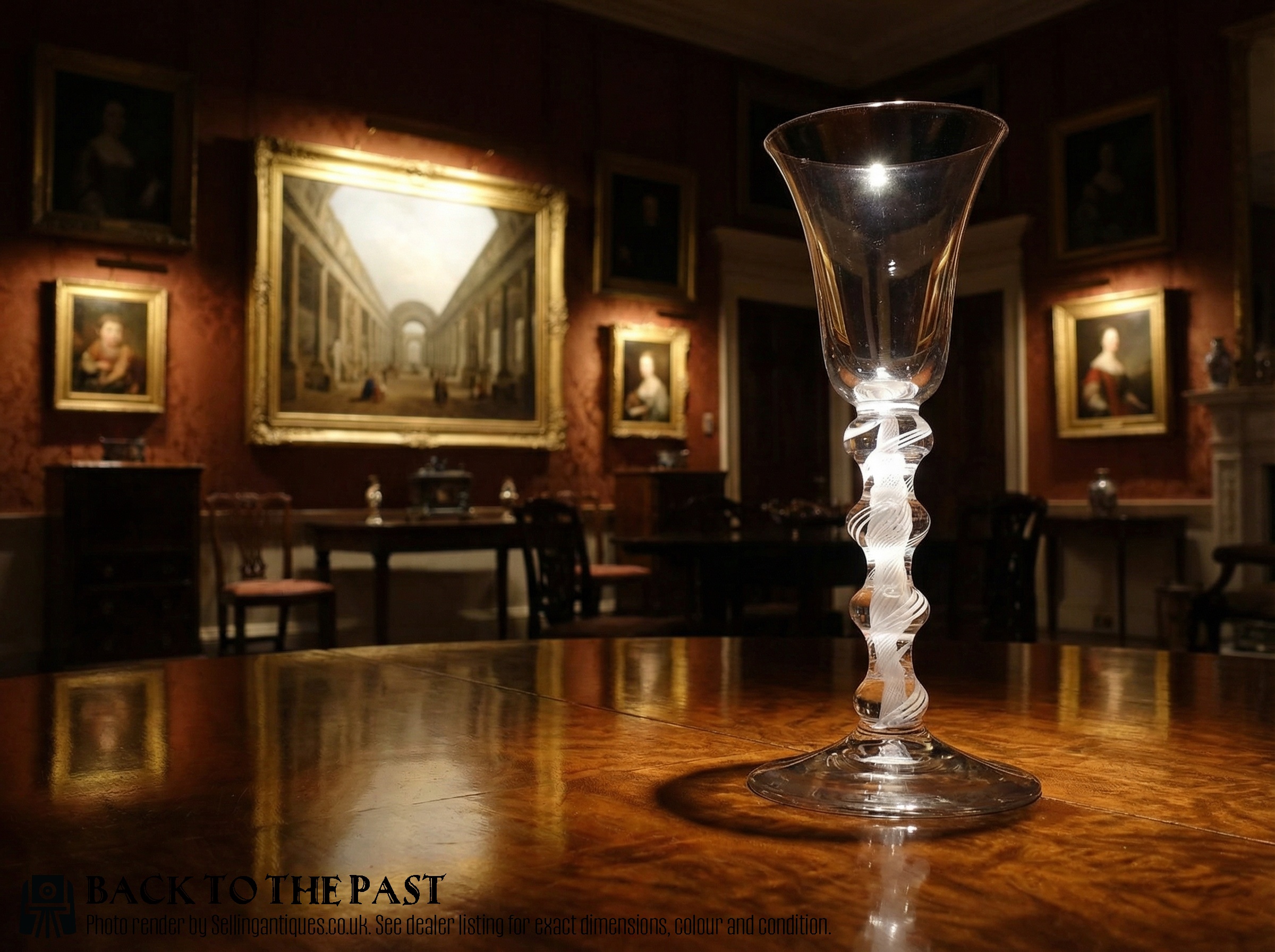
Antique Twist Stem Glass
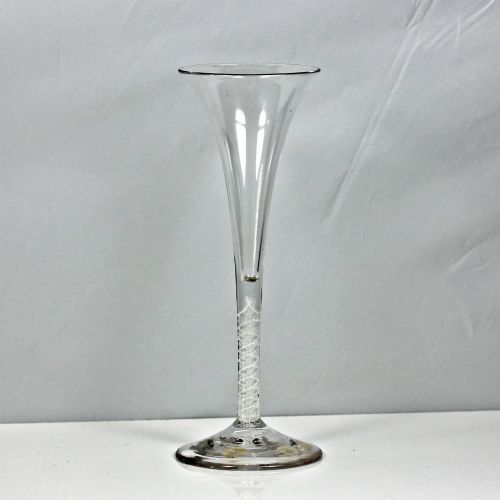
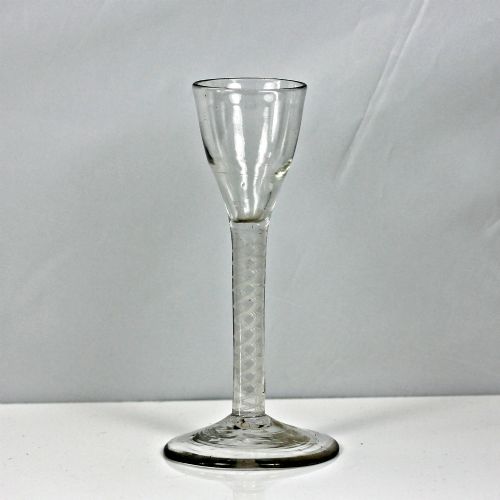
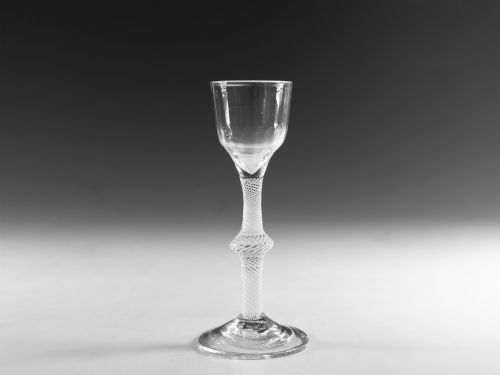
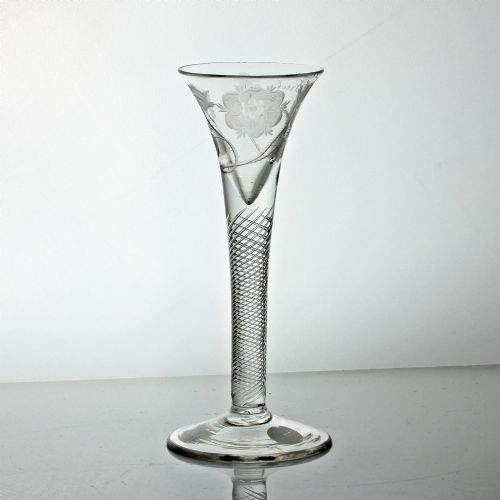
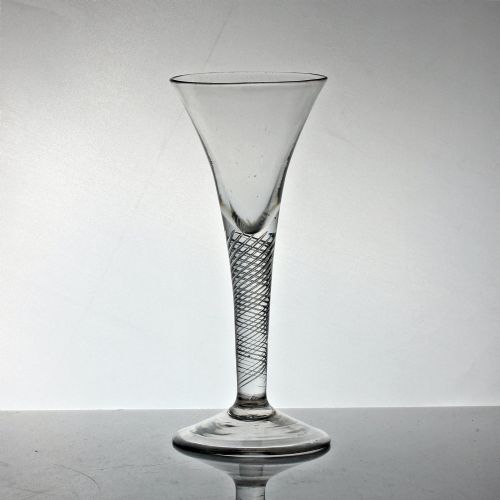
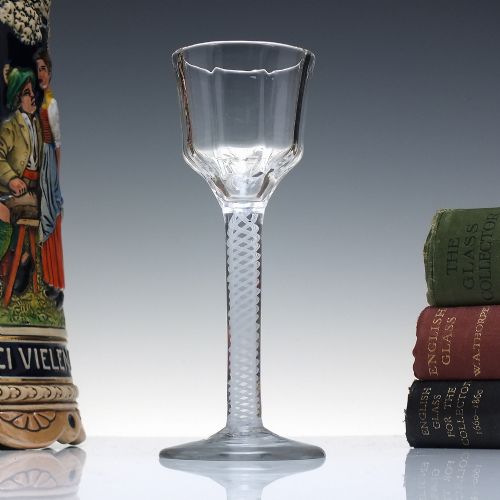
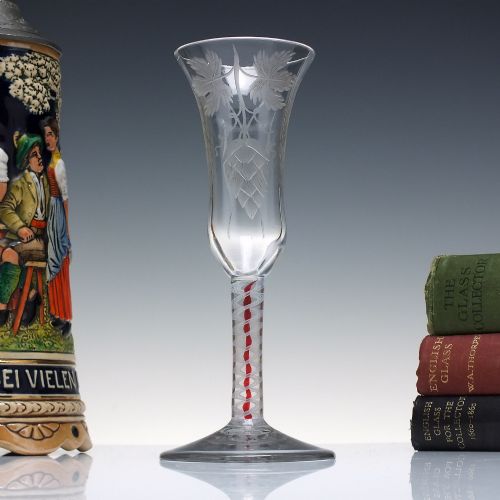
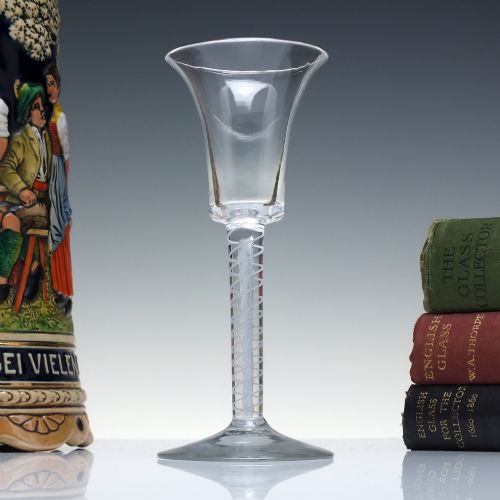
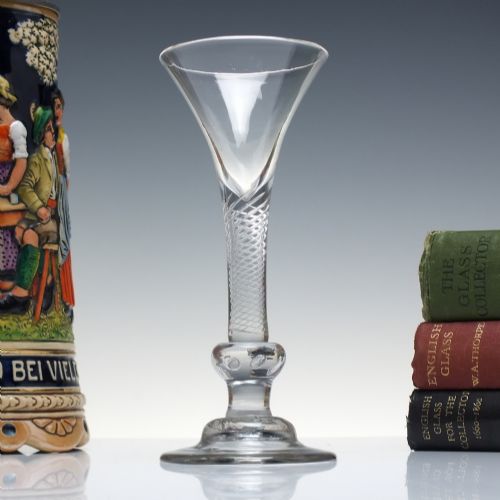
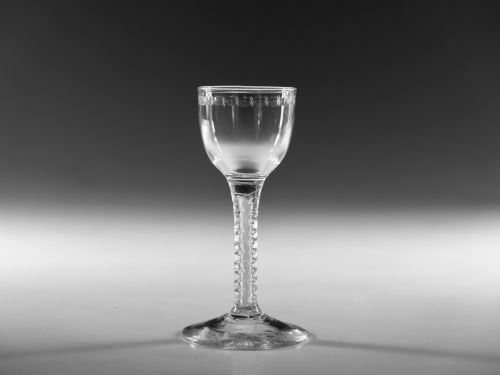
When you search for an antique twist stem glass, you encounter drinking vessels predominantly formed during the Georgian and eighteenth-century periods, with wine glasses and ale glasses appearing most frequently on this page. These pieces feature slender stems enclosing optical formations created by trapped air or opaque white glass threads.
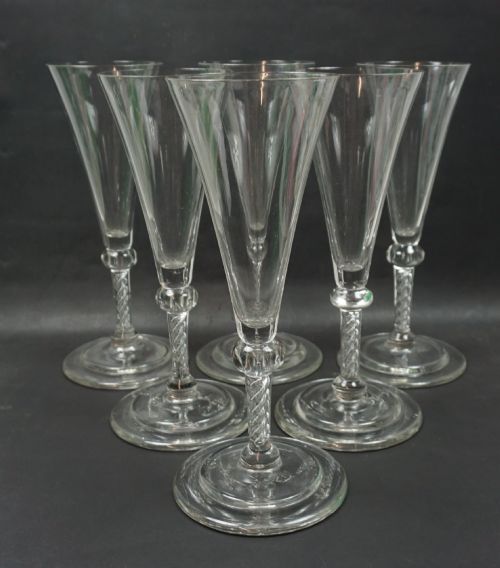
The selection extends beyond standard wine glasses to encompass champagne flutes, sweetmeat glasses, cordials, and occasional table lamps or vases from later periods such as 1930, Edwardian, and Art Nouveau. Georgian examples form the core of the items listed here, showcasing specific bowl forms like trumpet, ogee, and bucket shapes atop domed or folded feet.
How they were made
Glassmakers utilised lead glass and flint glass, manipulated while molten to form bowls, stems, and feet through hand-blowing and tool-shaping techniques. Air twists were produced by drawing out bubbles trapped within the glass rod, whereas opaque twists incorporated white enamel or coloured glass rods twisted together before being drawn.
Makers combined different twist types into single, double, or mixed series stems, sometimes incorporating knops for structural variation. Hand-blown manufacturing methods left subtle irregularities in the metal, including striations and small surface inclusions that distinguish eighteenth-century production.
Listings span periods from the 18th Century and Georgian era through Edwardian times to 1930, utilising lead glass, clear glass, enamel, and brass.
What varies in quality
Quality rests upon the clarity of the metal and the precision of the internal twist formation. Clear glass with high brilliance and minimal inclusions elevates a piece, whereas dull metal or heavy cloudiness diminishes the visual impact of the stem optics.
Proportion and form dictate the upper tier of examples, particularly where bowls align harmoniously with complex multi-spiral or double-series stems and original domed feet. Engraved decoration upon the bowl, whether Jacobite iconography or floral motifs, further distinguishes superior pieces from plain utilitarian glassware.
Harry Powell for James Powell
The Antique Twist Stem Glass Glossary
- Air twist
- A stem containing elongated internal air bubbles drawn into spiral threads. This technique creates a delicate shimmering effect within clear glass.
- Opaque twist
- A stem incorporating white enamel glass threads twisted into linear or mesh patterns inside the clear metal.
- Ogee bowl
- A bell-shaped drinking vessel curving inward at the rim and outward near the base. It provides an elegant silhouette found on many eighteenth-century glasses.
- Knop
- A decorative swelling or bulbous protrusion on the stem of a glass. Multiple knops offer structural and visual division along the stem.
- Sweetmeat glass
- A wide, shallow bowl used for serving small confections or sweet preserves. These pieces often feature substantial twist stems and folded feet.
Antique Twist Stem Glass: Frequently Asked Questions
What is an air twist stem?
An air twist stem contains elongated bubbles trapped inside the molten glass and pulled into a spiral thread. This optical trick catches the light without using coloured materials.
Glassmakers mastered this technique during the eighteenth century to add decorative movement to drinking vessels.
How can I tell an air twist from an opaque twist?
Air twists rely on transparent air channels that catch the light invisibly within clear glass. Opaque twists use solid white enamel or coloured glass rods running through the stem.
Examining the stem under magnification reveals whether the internal thread is filled with air or white enamel.
What is a double series twist?
A double series twist combines two distinct optical formations within a single stem, such as an outer mesh of opaque white threads surrounding an inner core of air twists.
This complex technique required advanced glassmaking skill and appears frequently on finer eighteenth-century wine glasses.