


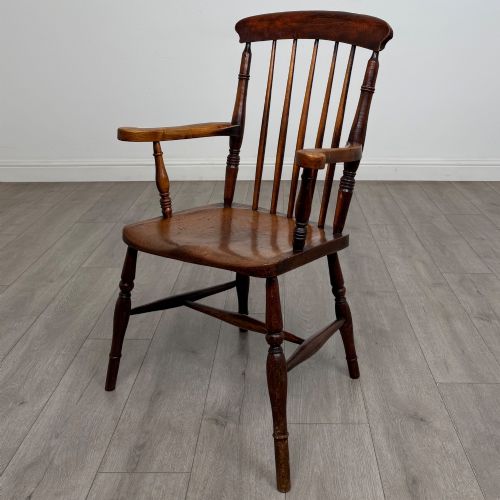
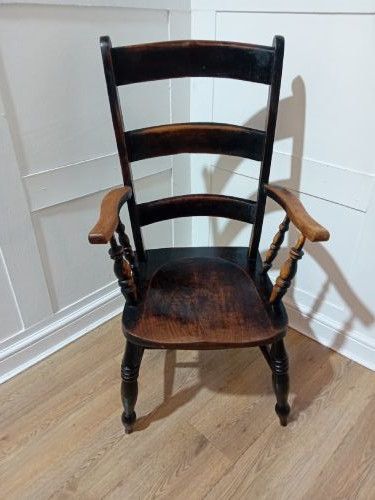
Antique Turned Armchair
An antique turned armchair brings robust character to a room through spindle-work framing and solid timber construction.
Antique Turned Armchair
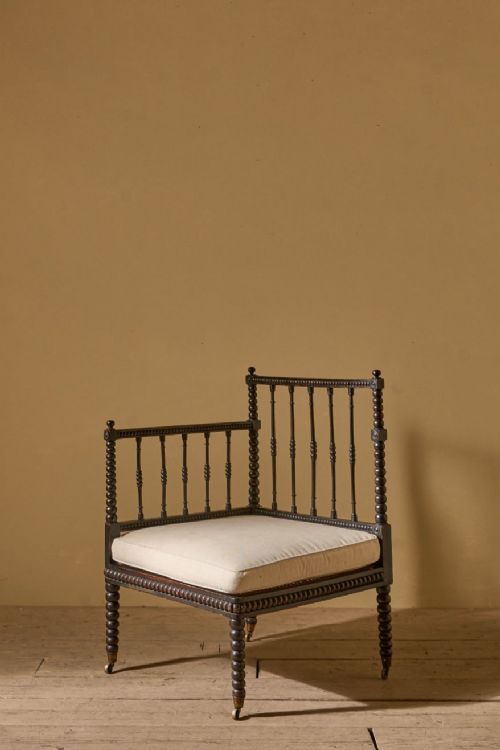
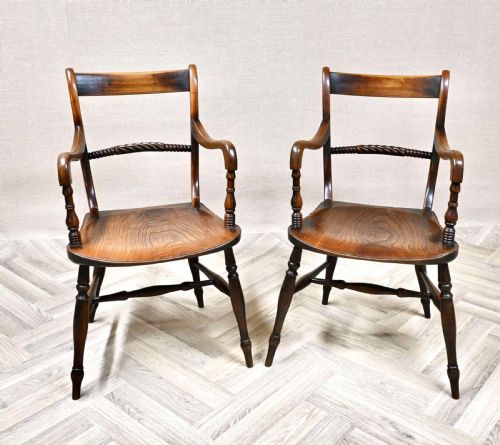
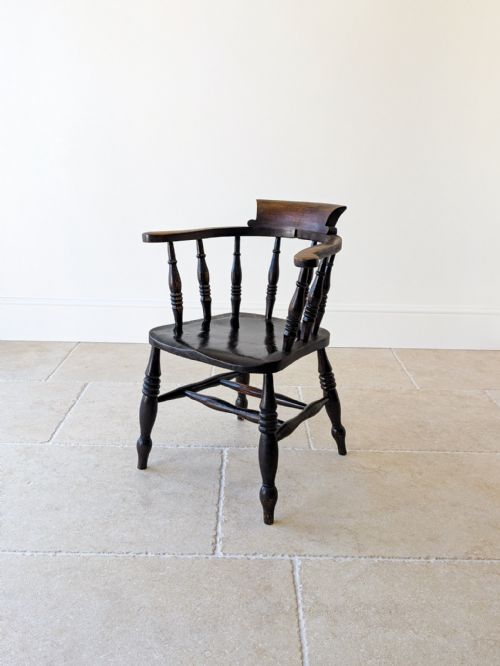
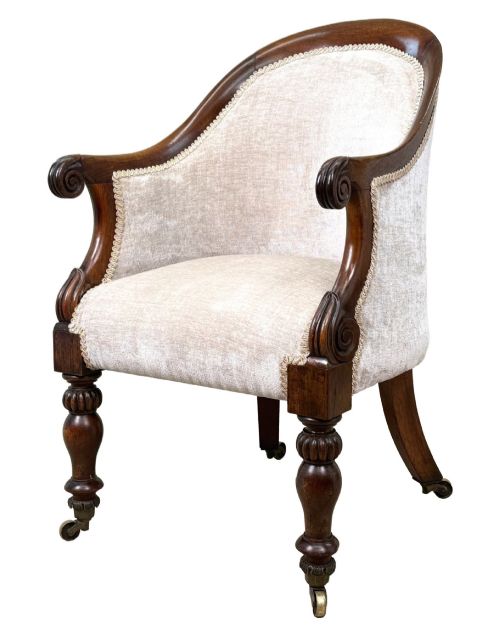
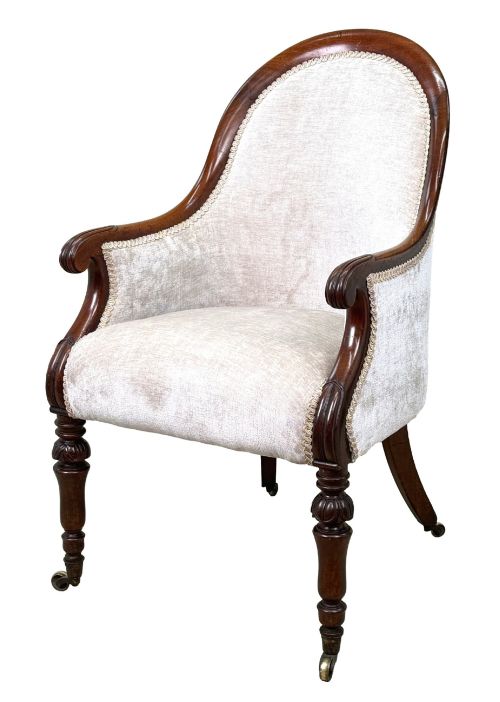
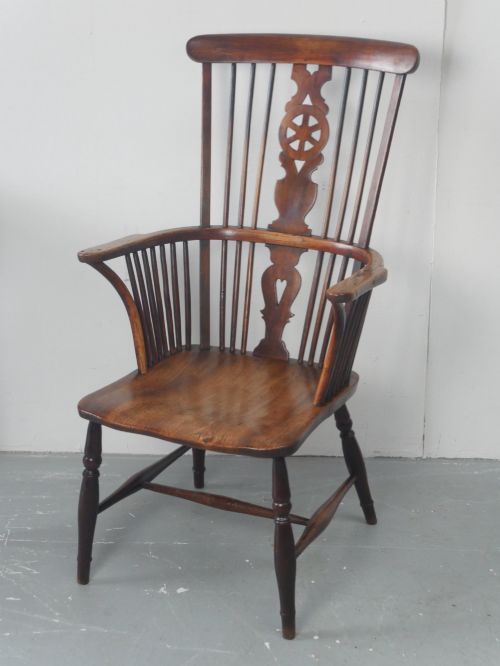
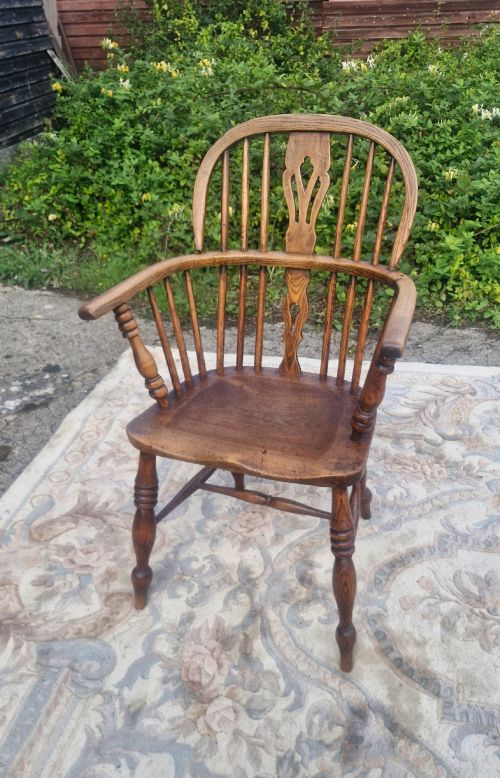
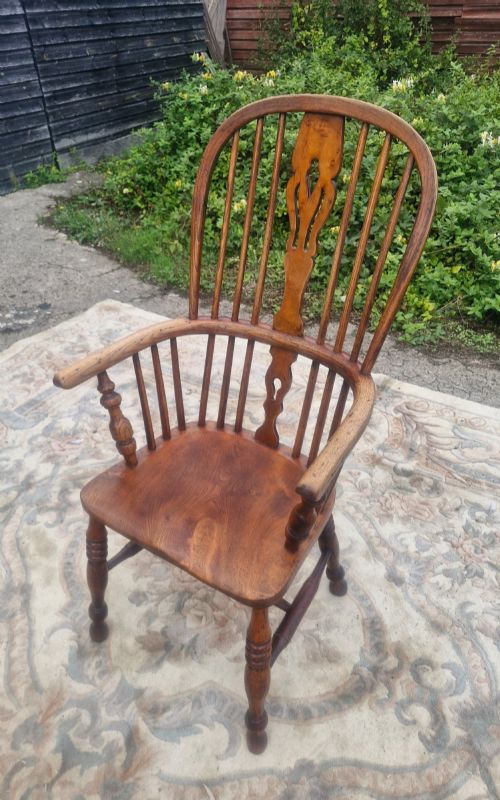
An antique turned armchair centres on structural framing shaped by lathe work, creating rhythmic rows of spindles, bobbins or pillars. You will encounter various forms here, ranging from sturdy country Windsor and captain's chairs to formal library models.
The materials span native and imported timbers, with elm, ash, oak and mahogany appearing frequently across regional English workshops. These seating pieces serve functionally as desk chairs, library seats or fireside comforts.
Dating ranges from the Regency era through the Victorian period and into the early twentieth century, reflecting shifting domestic tastes. The simpler vernacular styles stand alongside polished mahogany and upholstered library variants.
Materials and construction methods
Turned components rely on a lathe to shape cylindrical timber posts, legs and stretchers into decorative profiles like bobbin work or ring turnings. Cabinetmakers and bodgers paired these turned elements with steam-bent bows and solid plank seats.
Joints typically employ traditional pegging and mortise-and-tenon construction to lock the spindle framing together under daily weight. Hardwoods such as oak, beech, ash and elm provide the necessary tensile strength for slender turned members.
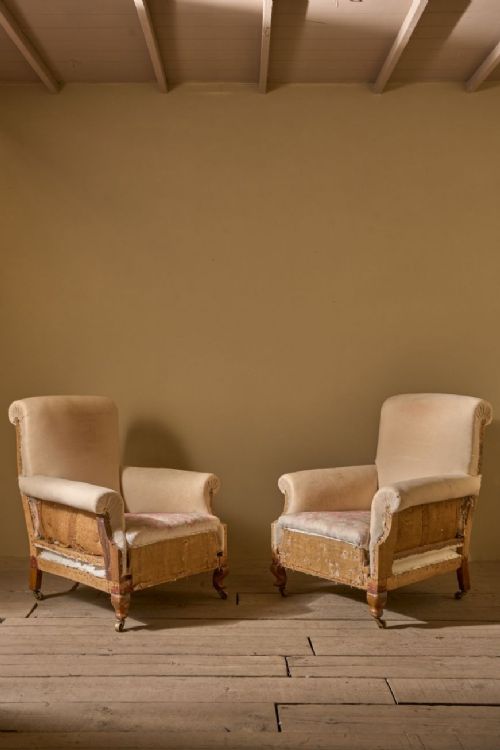
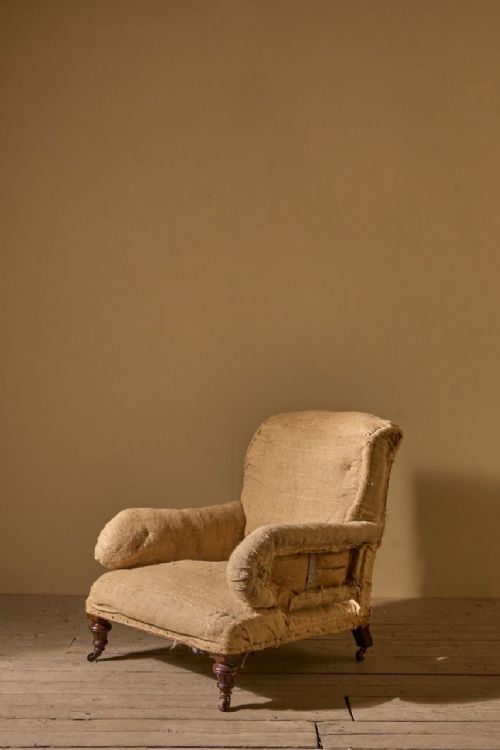
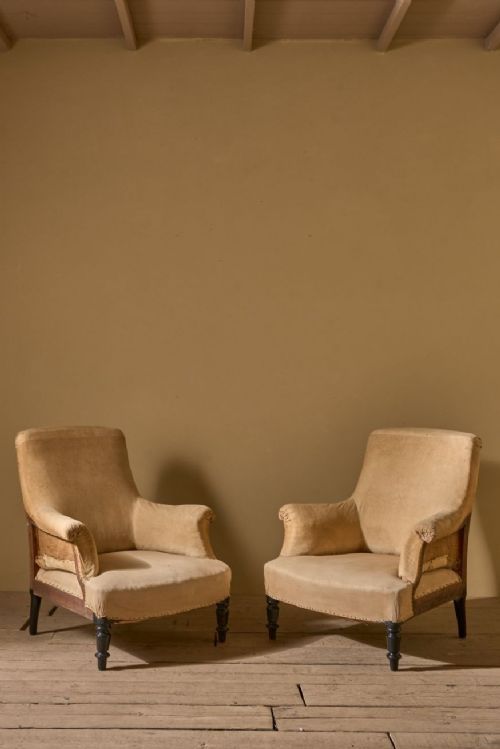
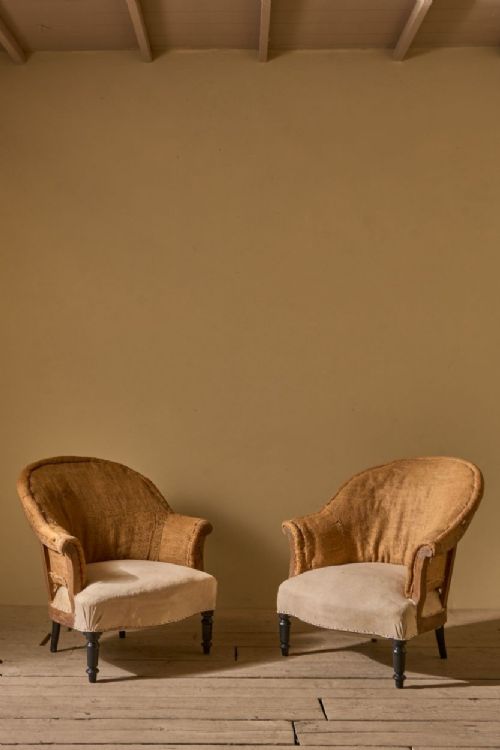
Upholstered versions integrate webbed foundations and horsehair stuffing beneath leather, velvet or fabric coverings. Unupholstered country models showcase the natural grain of the timber through waxed or polished finishes.
Early turners utilised simple water-powered lathes, leaving subtle tool marks that whisper secrets of the workshop floor.
Distinctions in craftsmanship
Quality rests upon the crispness of the lathe turning and the harmonious proportion of spindles to the main frame. Tighter, more complex bobbin or pillar work demands greater skill from the turner than plain cylindrical shafts.
Structural integrity depends on timber selection, where dense woods resist splitting at stress points around the arm supports and legs. Original surface finishes and minimal replacement timbers preserve the historical value of the piece.
Philip Webb·J Spencer
The Antique Turned Armchair Glossary
- Bobbin turning
- A form of lathe work producing a series of rounded wooden beads resembling bobbins threaded onto a string. This decorative profile defines many Regency and nineteenth-century frames.
- Spindle
- A slender, turned wooden rod used vertically in chair backs and arm supports. Spindles distribute weight while lightening the visual mass of the timber frame.
- Windsor chair
- A seating form featuring a solid wooden saddle-seat into which the legs, back spindles and bow are wedged independently. Country examples often combine elm seats with ash or beech framing.
- Stretcher
- A horizontal wooden brace connecting the legs of a chair to provide rigidity. Turned stretchers frequently form an H or X pattern beneath the seat.
- Captain's chair
- A low-backed armchair designed for compact spaces, typically featuring a continuous curved armrail supported by numerous spindles. These chairs appear in both office and domestic settings.
Antique Turned Armchair: Frequently Asked Questions
How do I care for an antique turned armchair?
Maintain the timber by applying a microcrystalline wax polish occasionally to nourish the dry wood grain without building up heavy residue. Keep the chair away from direct heat sources and strong sunlight to prevent the timber from splitting.
Check the turned stretchers and joints periodically for looseness caused by fluctuating indoor humidity. Gentle dusting with a dry, soft cloth preserves both the antique finish and the delicate lathe-turned details.
What is the difference between a Windsor and a library chair?
A Windsor chair relies on stick-construction, where individual spindles and legs are fitted directly into holes bored through a thick wooden seat. These pieces originated in vernacular country workshops for practical utility.
Library chairs are more formal seating options built with upholstered pads, mahogany frames and turned legs or arms. They were designed for reading rooms and domestic studies, prioritising padded comfort over exposed wooden framework.
Can I use an antique armchair at a modern desk?
Many nineteenth-century desk and captain's chairs fit standard workspace layouts, provided the seat height matches your desk clearance. Rotating models and low-backed variants offer practical lumbar support for daily computer work.
Verify the seat dimensions and arm clearance before purchase, as older chair proportions often sit lower than modern office seating. Pairing the chair with a supportive wool or leather cushion can adjust the height comfortably.
How can I distinguish Regency turned chairs from Victorian ones?
Regency seating from the early nineteenth century frequently exhibits delicate mahogany frames, classical restraint and precise bobbin or reeded turning. The proportions remain slender, often drawing inspiration from archaeological discoveries.
Victorian pieces from the mid to late nineteenth century tend towards heavier construction in oak, ash, elm and walnut. They encompass robust country vernacular forms alongside exuberant revival styles with deeper button-tufted upholstery.