
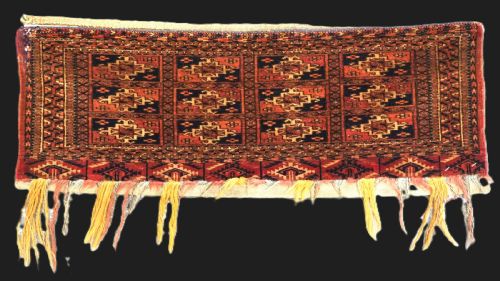


Antique Turkmen Trapping
An antique turkmen trapping brings Central Asian nomadic heritage into a modern interior through rich tribal weaving and ceremonial horse blankets.
Antique Turkmen Trapping
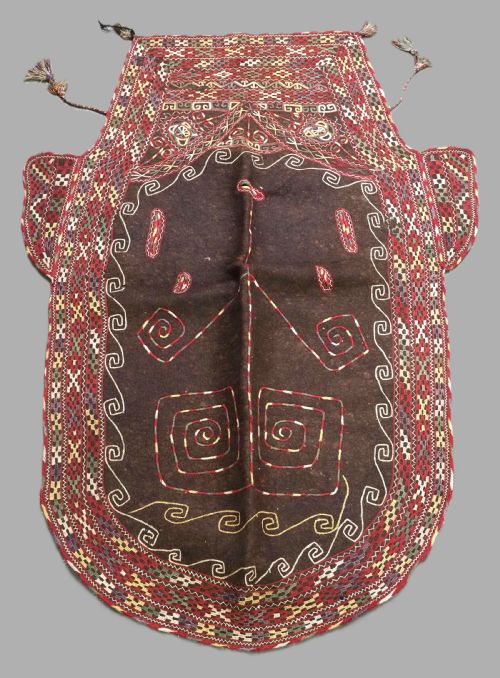
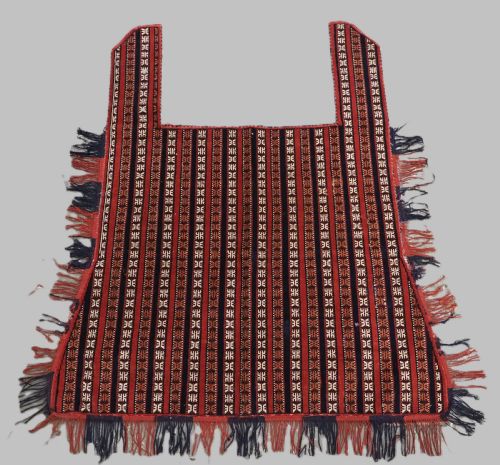
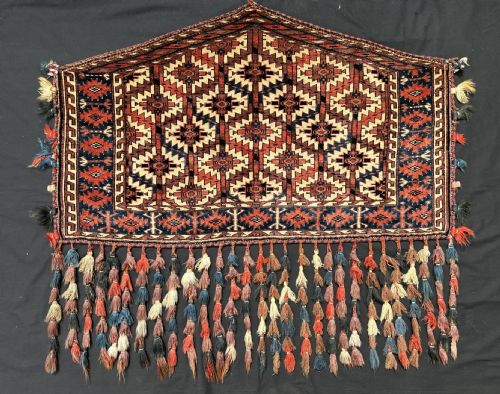
An antique turkmen trapping encompasses utilitarian and ceremonial weavings created by nomadic tribes across Central Asia, including the Yomut, Tekke, Ersari, and Saryk groups. These items served specific functions within tribal life, ranging from wedding camel and horse headdresses to saddle covers and storage bags.
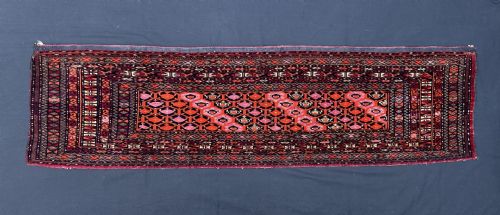
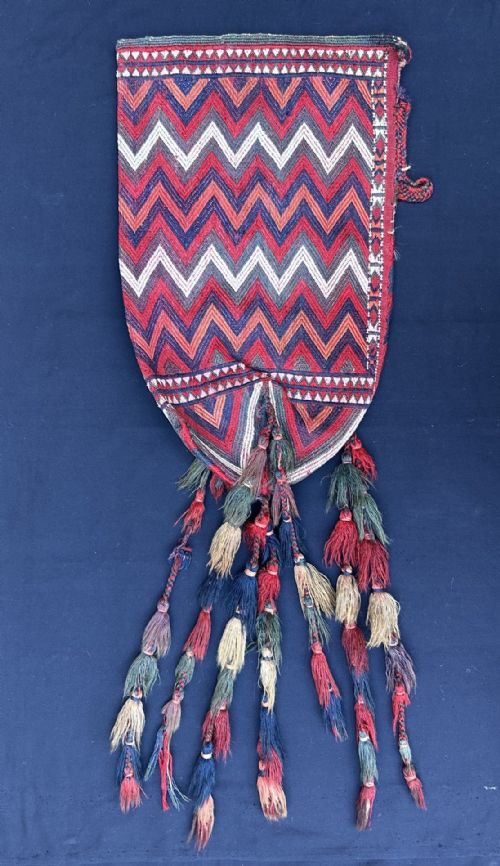
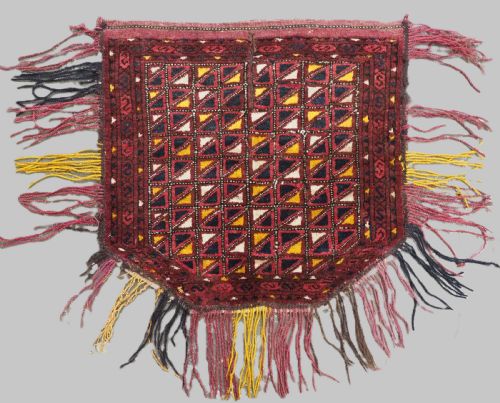
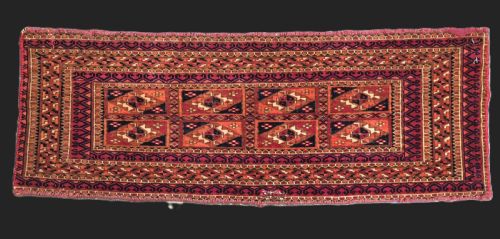
The inventory on this page is dominated by torba faces and complete storage bags, alongside larger horse covers, asmalyks, and ceremonial felt blankets. Pieces originate from regions such as the Trans-Caspian steppes, the Akhal oasis, and the Middle Amu Darya region, dating from the mid-nineteenth century into the early twentieth century.
Buyers encounter diverse tribal designs reflecting specific clan lineages, such as the 'aina gul', 'kedjebe', and 'chuval' patterns. These textile formats demonstrate the traditional mobile lifestyle of Turkmen tribes who decorated their animals and tents with intricate hand-knotted and embroidered woolwork.
Materials and construction
Weavers relied principally on hand-spun wool for the pile and foundation structure, supplemented by cotton thread and occasionally felted wool for specialised backing or blankets. Natural dyes provided the deep reds, ivory grounds, and contrasting tones characteristic of nineteenth-century Central Asian tribal work.
Detailing frequently involved silk thread highlights and embroidery, particularly on ceremonial pieces like horse blankets and torba faces. The construction ranges from dense pile knots to flatweave surfaces, with structural survival often aided by original wool tassels and woven backs.
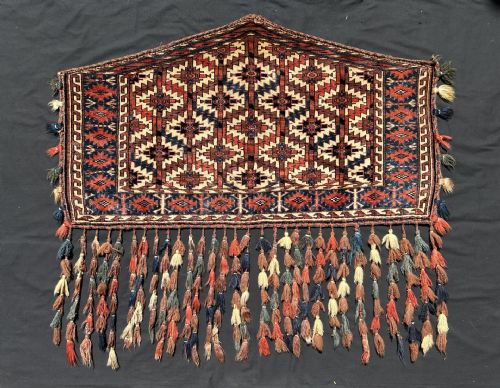
Several pieces retain their original wool tassels, swaying slightly as they have done since nineteenth-century wedding processions across the steppes.
Evaluating weave and design
Quality rests significantly upon the density of the weave and the precision of the tribal motifs, with finer knots allowing complex gul designs to appear crisper. Examples featuring scarce pattern variants, such as specific Salor guls or unusual curled leaf layouts, command greater interest among collectors.
The survival of original elements like tassels, complete backs, and early natural dye saturation elevates a piece above standard examples. Condition and scale also play a role, as smaller torbas with intact structural integrity represent exceptional dowry weaving traditions.
The Antique Turkmen Trapping Glossary
- Torba
- A small storage bag produced by Turkmen tribes for domestic use inside a yurt. These pieces typically feature a patterned face with characteristic guls and were used to store household possessions.
- Asmalyk
- A large, pentagonal trapping traditionally hung on the flanks of a camel during wedding processions. They represent some of the most elaborate and decorative tribal textile formats.
- Gul
- A repeated primary medallion motif used in Turkmen rug and trapping design. Each tribe utilised distinct stylistic variations of these octagonal or geometric emblems to signify lineage.
- Chuval
- A large tent bag used for storage by nomadic families. These wider formats display multiple rows of primary guls and dense pile weaving.
- Mafrash
- A rectangular storage bag or container face utilised within nomadic households. These items formed part of a bride's dowry assembly.
Antique Turkmen Trapping: Frequently Asked Questions
How were antique turkmen trappings used originally?
Nomadic tribes utilised these textiles primarily for practical storage inside yurts and as ceremonial decorations for horses and camels during weddings. Trappings such as torbas held household goods, while asmalyks and horse blankets adorned animals during tribal celebrations.
These functional objects doubled as displays of clan identity and status, woven as part of a bride's dowry using traditional designs passed down through generations.
How should I display a trapping at home?
Smaller torba faces and saddle covers lend themselves well to wall mounting as textile art, using conservation-grade mounting methods that distribute weight evenly. Larger pieces like horse covers or blankets can be displayed on empty wall spaces to showcase their tribal patterns.
Avoid hanging textiles in direct sunlight to protect the natural dyes and wool fibres from fading over time. Rotating the pieces periodically also helps prevent uneven environmental exposure.
How do I identify different tribal groups?
Tribal attribution relies heavily on the specific structure of the guls, the colour palette, and the secondary ornament details. Yomut, Tekke, Ersari, and Saryk weavers each employed distinct design vocabularies and structural weaves that separate their work.
Examining the border patterns and auxiliary motifs provides further clues to whether a piece originated in the Akhal oasis, the Trans-Caspian steppes, or the Amu Darya region.
What does dowry weaving mean?
Dowry weaving refers to textiles produced by young women and their female relatives as part of the preparations for marriage. These items, including torbas, asmalyks, and tent bags, demonstrated the skill, patience, and artistic heritage of the maker.
Because these textiles were created for significant family ceremonies rather than commercial trade, they often exhibit higher knot density and more careful design execution.