
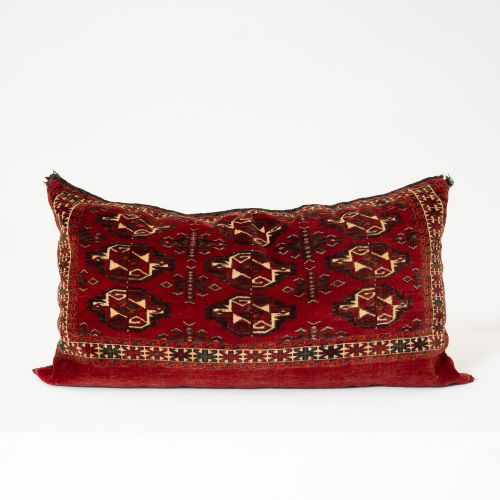
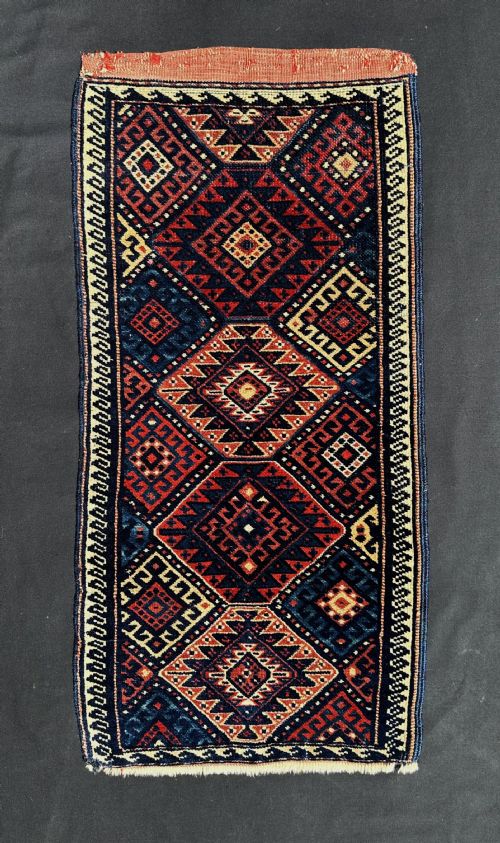


Antique Tribal Pillow
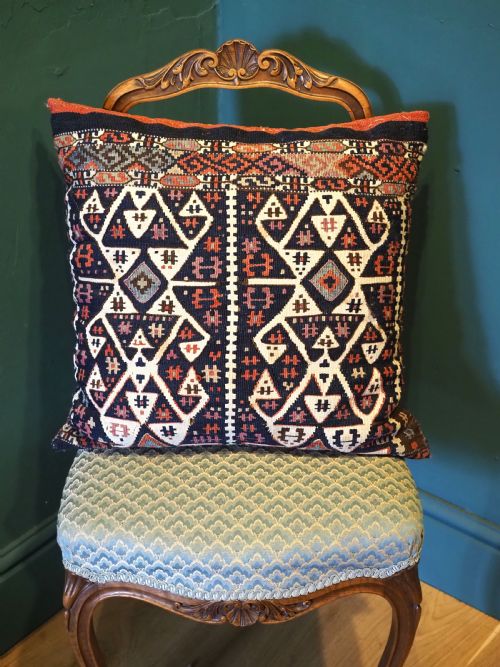
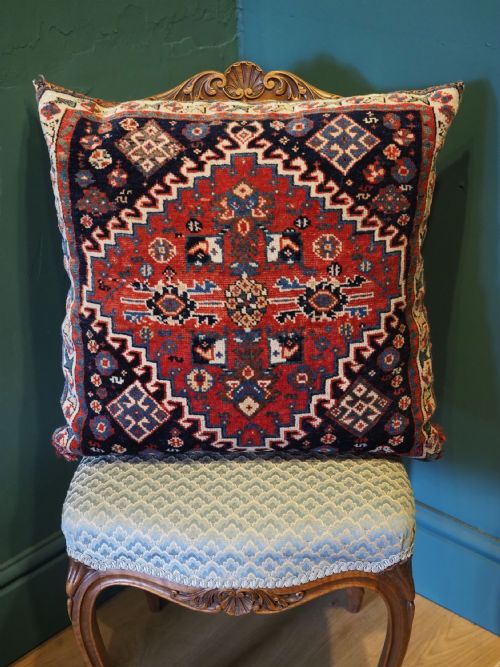
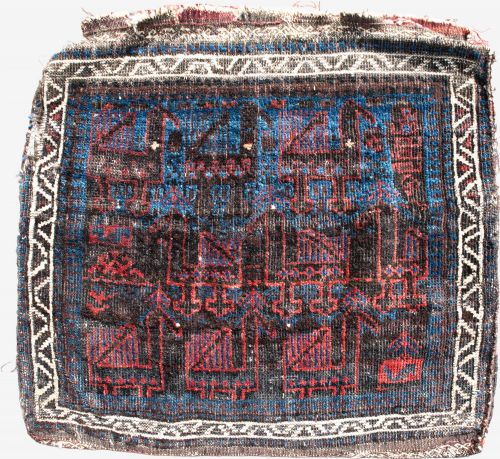
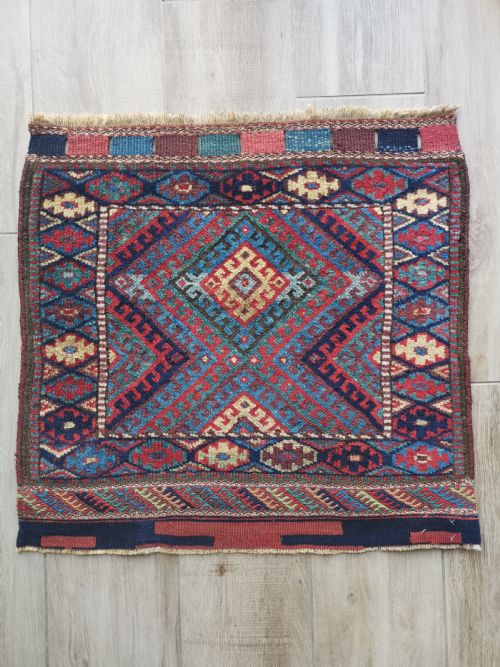
These antique tribal pillow pieces are woven bag faces and saddlebags transformed into comfortable furnishings, bringing rich nomadic history and texture to a room.
Antique Tribal Pillow
When you search for an antique tribal pillow, you encounter transformed nomadic containers such as saddlebags, torbas, and chuvals that function as cushions. These textiles originate from nineteenth and early twentieth-century tribal groups including the Baluch, Yomut, Tekke, and Qashqai.
The pieces on this page are predominantly constructed from historical bag faces or flatweave kilims adapted into cushions and pillows. They preserve the original geometric patterns and tribal motifs created for domestic utility by nomadic weavers.
How they were made
Weavers utilised hand-spun wool combined with cotton on sturdy foundations, incorporating natural dyes derived from plants and minerals to achieve lasting colour depth. These materials were worked into pile carpets or flatweaves using traditional nomadic looms.
The structure relies on durable wool yarns and occasionally hardwood components or tassels, designed originally for the rigours of nomadic migration before being repurposed into cushions.
Many of these cushions still bear the sturdy hand-spun wool tassels originally designed to ward off the evil eye during nomadic travels.
What varies in quality
Quality rests upon the fineness of the knotting or weave density and the clarity of the traditional design motifs, such as guls or Herati patterns. Superior examples display precise symmetry, well-balanced natural dye palettes, and minimal structural intervention during conversion.
The preservation of original wool backs, borders, and tassels elevates a piece above those with modern replacement backings. Artisanal skill in the original tribal weaving dictates the ultimate character and visual strength of the cushion.
The Antique Tribal Pillow Glossary
- Torba
- A small storage bag produced by Turkmen nomads. These rectangular pieces were traditionally used inside tents for storing household goods before being converted into cushions.
- Chuval
- A large Turkmen tent bag used for bedding and blankets. Their wide format translates effectively into substantial floor cushions.
- Gul
- A medallion motif repeated across Turkmen carpets and bag faces. Each design identifies specific tribal clans and lineages.
- Kilim
- A flatweave textile made by tightly interweaving warp and weft strands. This technique produces a smooth surface without pile.
- Balisht
- A traditional Persian pillow or small sleeping bag. These pieces form the direct functional ancestors of many decorative tribal cushions.
Antique Tribal Pillow: Frequently Asked Questions
How were tribal bags originally used?
Nomadic tribes utilised these woven bags for transporting and storing grain, clothing, and bedding during seasonal migrations. They hung inside tents or strapped across pack animals as practical containers.
Over time, as nomadic lifestyles shifted, the decorative faces of these bags were salvaged and sewn into cushions to preserve the intricate tribal artistry.
How do I clean an antique cushion?
Gentle surface vacuuming with a low suction setting helps remove dust without damaging the delicate hand-spun wool fibres. Professional textile cleaners specialising in antique rugs should handle any deeper cleaning.
Avoid immersing these historical pieces in water or using harsh commercial detergents, which can destabilise the natural dyes.
Are the backs original?
Some pieces retain their original plain weave wool or cotton backs, while others feature vintage or modern fabric added during the conversion process into pillows. Examining the listing details clarifies whether the backing material dates from the same period as the face.
Pieces retaining complete original backs and tassels are particularly valued by collectors of nomadic textiles.
How do I identify different tribal patterns?
Tribal designs often feature distinct geometric markers, such as the octagonal guls associated with Turkmen groups or the intricate field patterns of Baluch and Qashqai weavers. Regional colour preferences and weaving structures further help assign pieces to specific provinces and nomadic confederations.
Comparing motif arrangements against documented regional examples reveals the origin of each textile.