




Antique Tribal Floor Carpet
An antique tribal floor carpet brings centuries of nomadic weaving traditions into a modern room through bold geometric motifs and rich wool.
Antique Tribal Floor Carpet
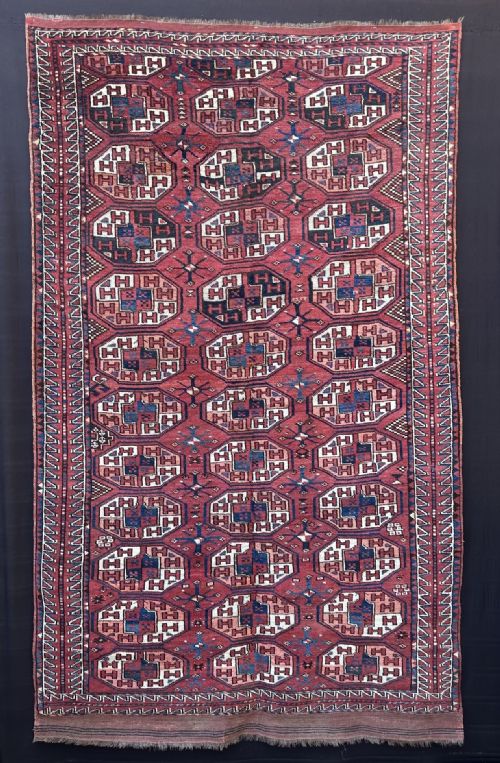
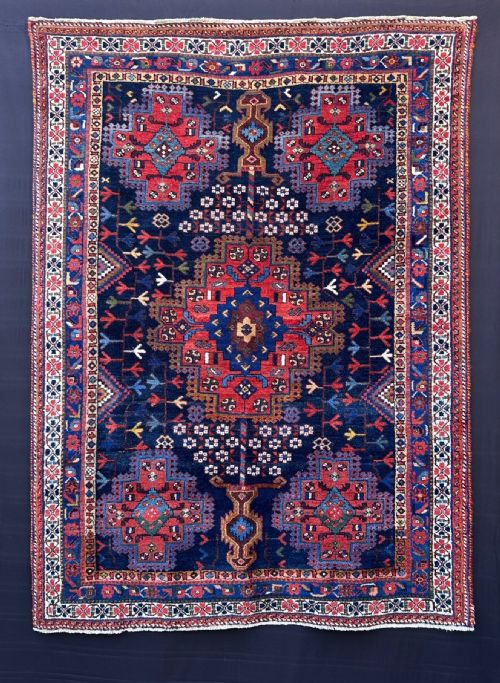
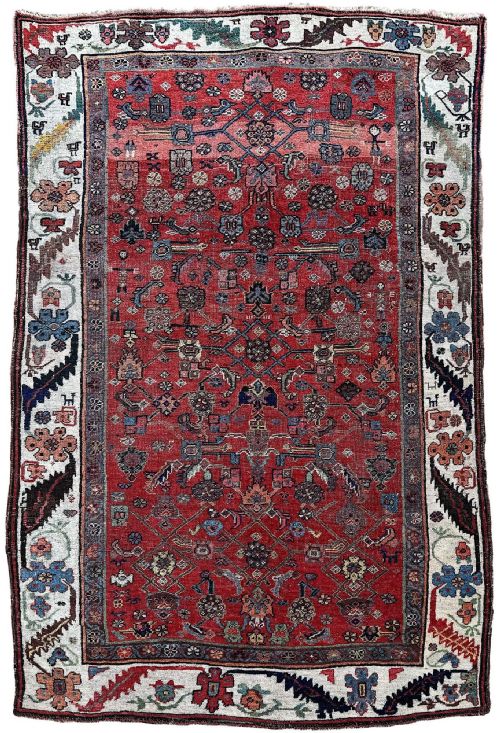
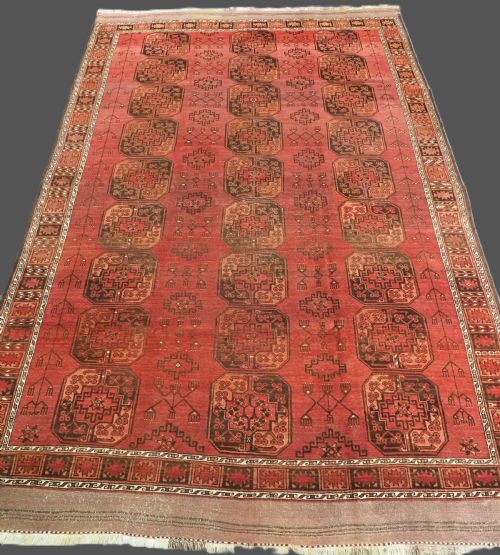
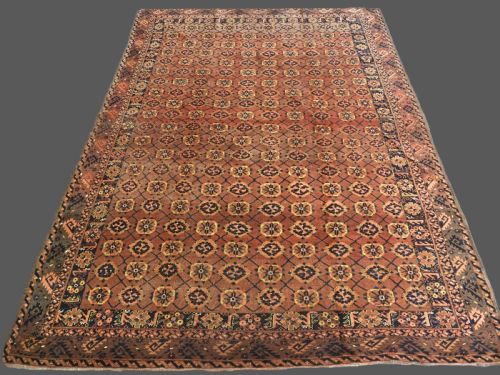
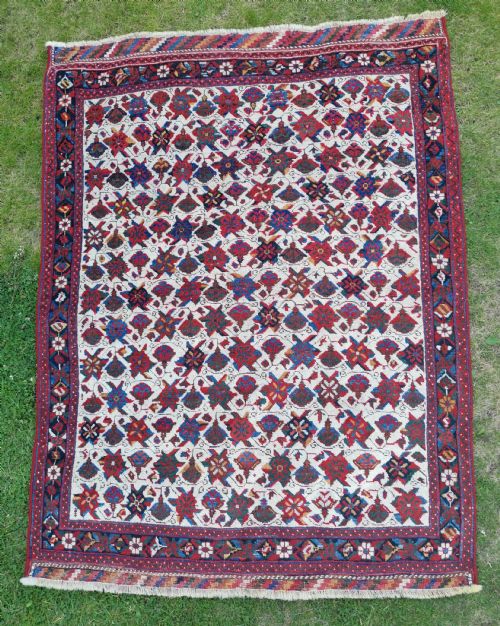
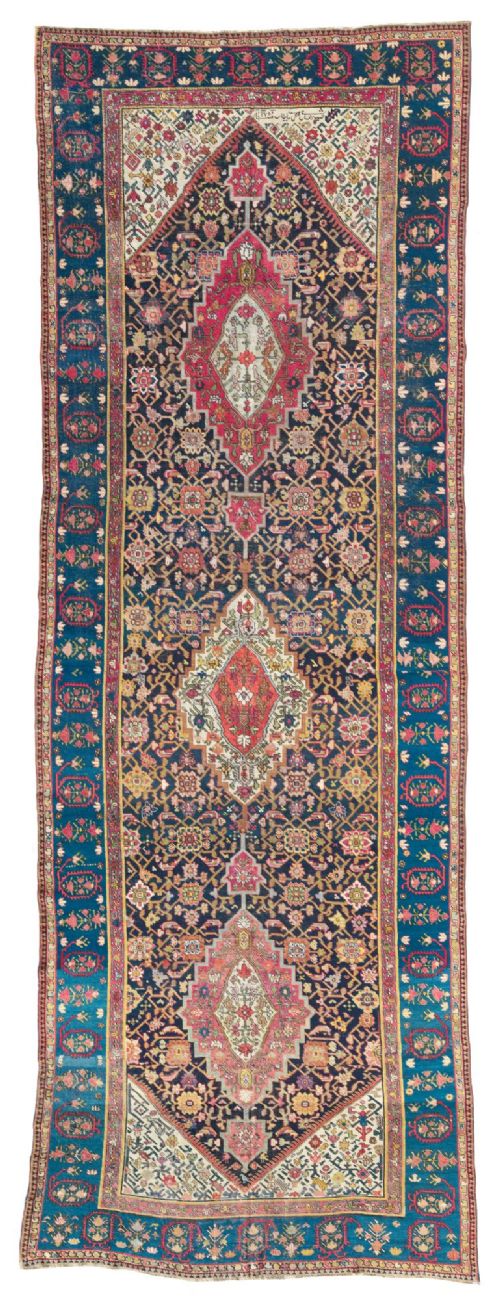
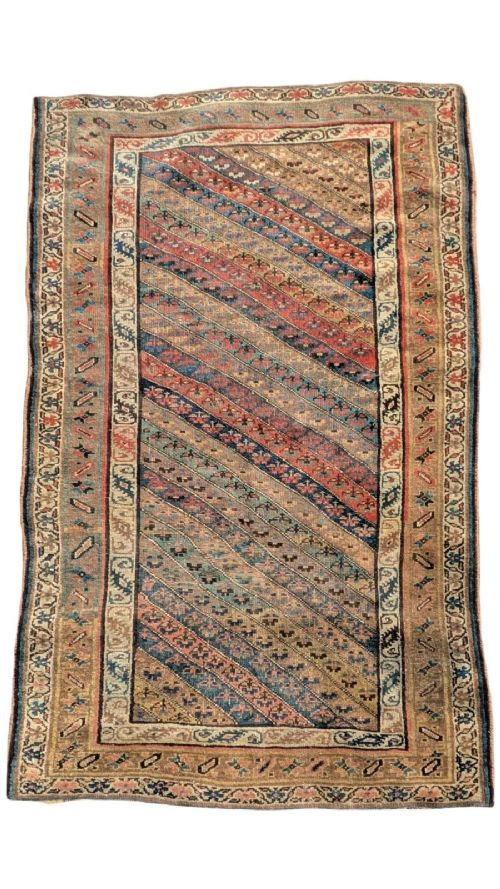
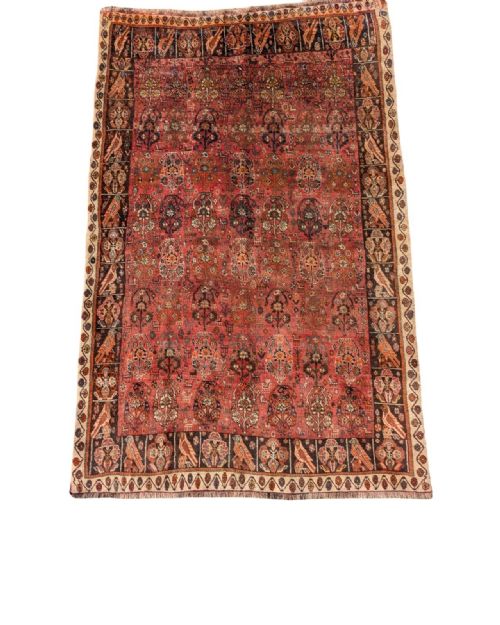
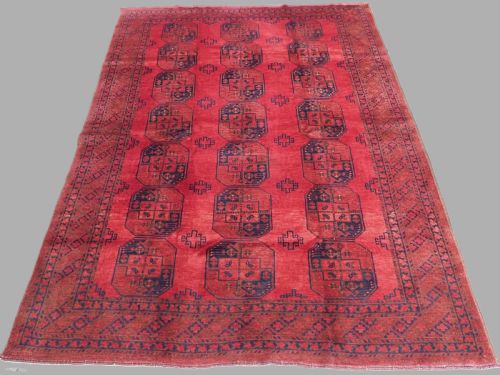
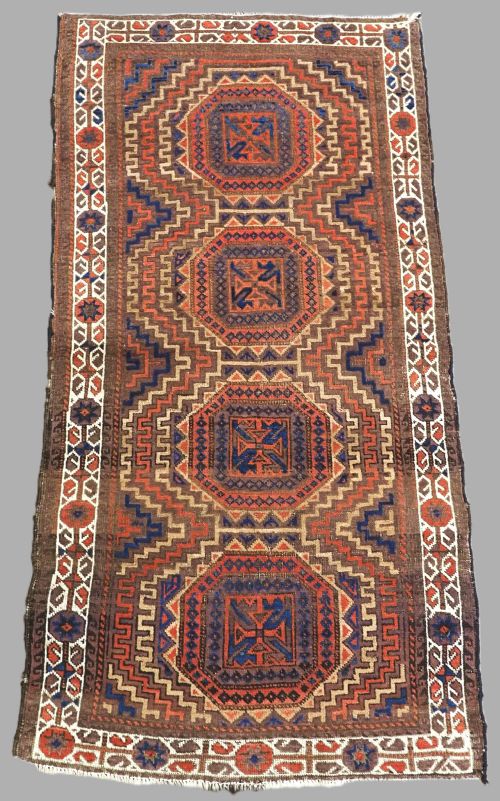
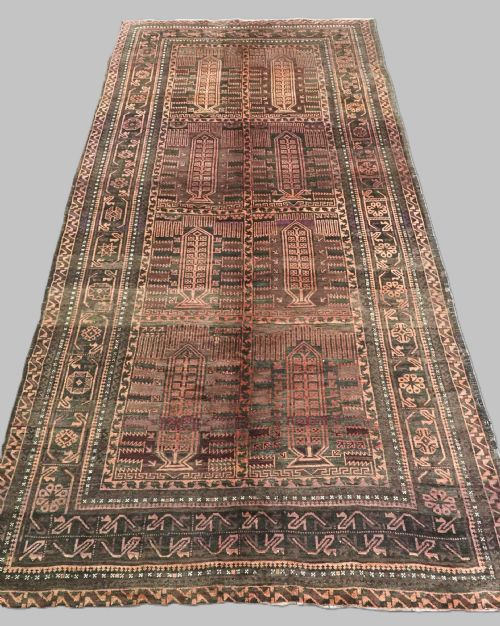
When someone searches for an antique tribal floor carpet, they are looking for floor coverings produced by village and nomadic weavers across Persia, the Caucasus, and Central Asia. These pieces display distinct regional patterns, from bold geometric medallions to intricate repeated lattice designs.
The selections available here range from small area rugs to substantial main carpets and long hallway runners. Production dates span from the mid-nineteenth century through the early twentieth century, incorporating traditional styles such as Persian Tribal, Caucasian, and Turkmen Tribal.
Most examples function as durable floor coverings woven for domestic use rather than court workshops. Their character comes from the individual hand of the weaver, who translated ancestral tribal symbols into everyday textiles.
Materials and construction
These floor coverings are constructed primarily from wool foundations and surface piles, often utilising cotton for structural warps and wefts in specific regional formats. The natural resilience of wool provides the dense pile required for heavy domestic use over generations.
Weavers employed natural dyes to achieve deep reds, blues, and earth tones that soften gradually with age and wear. Hand-knotting techniques varied by region and tribe, determining the structural tightness and pile depth of each finished textile.
Listings incorporate regional village and nomadic pieces dated from 1850 to 1930, utilising wool, cotton, and natural dyes.
Factors determining quality
The distinction between standard village production and finer examples rests on the precision of the knotting and the complexity of the design layout. Finer carpets maintain a tighter structural weave that holds intricate geometric forms with greater clarity.
The purity and saturation of the natural dyes significantly influence visual depth. Carpets retaining vibrant, balanced hues achieved through traditional dyeing methods hold stronger aesthetic presence than those with uneven colour dispersion.
The Antique Tribal Floor Carpet Glossary
- Gul
- A repeating octagonal or medallion motif commonly found in Turkmen and Baluch tribal carpets. These emblems often identified specific tribal clans and lineages.
- Warp
- The vertical threads stretched tightly on the loom that form the foundational skeleton of the carpet. Fringe ends typically originate from these extended structural cords.
- Weft
- The horizontal threads passed alternately over and under the warp threads to bind the knots in place. Multiple weft shots add structural firmness to the fabric.
- Kelleh
- A large format rectangular carpet traditionally used in long reception rooms or corridors. These substantial pieces require extended weaving time and larger looms.
- Prayer Rug
- A smaller format rug featuring a distinctive architectural mihrab niche design. Historically oriented toward Mecca during daily prayers.
Antique Tribal Floor Carpet: Frequently Asked Questions
How do I clean an antique rug?
Regular gentle vacuuming without a beater bar removes surface dust and grit from the wool pile. Professional specialist cleaning remains necessary for deep washing to protect natural dyes.
Water saturation and household detergents cause permanent damage to historic fibres. Consultation with a textile conservator ensures the appropriate maintenance method is applied.
Are these rugs suitable for heavy traffic?
Wool and cotton construction provides natural durability for everyday use in domestic settings. Placing a quality underlay beneath the textile prevents slippage and absorbs impact.
High-traffic hallways benefit from thicker runner formats designed originally for corridor placement. Regular rotation distributes foot wear evenly across the surface area.
How are tribal rugs dated?
Structural analysis of wool types, dye palettes, and weaving structures establishes approximate periods of origin. Traditional village designs often reflect specific nineteenth-century manufacturing traits.
Comparison with documented examples from known tribal regions provides reliable chronological context. Structural wear patterns also correspond to age and intensity of use.
What defines a tribal design?
Tribal designs feature geometric motifs, stylized animals, and repeated polygons passed down through nomadic family traditions. These patterns contrast with curvilinear court designs produced in urban workshops.
Symbolic elements often represent local flora, fauna, and ancestral protective talismans. Each tribal confederation maintained distinct visual vocabularies.