

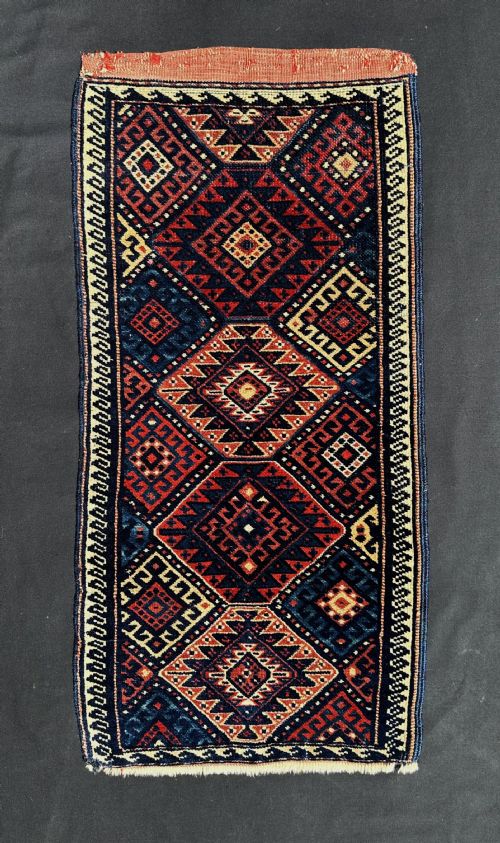


Antique Tribal Cushion Face
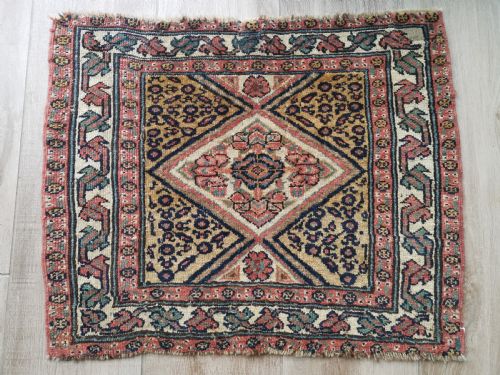
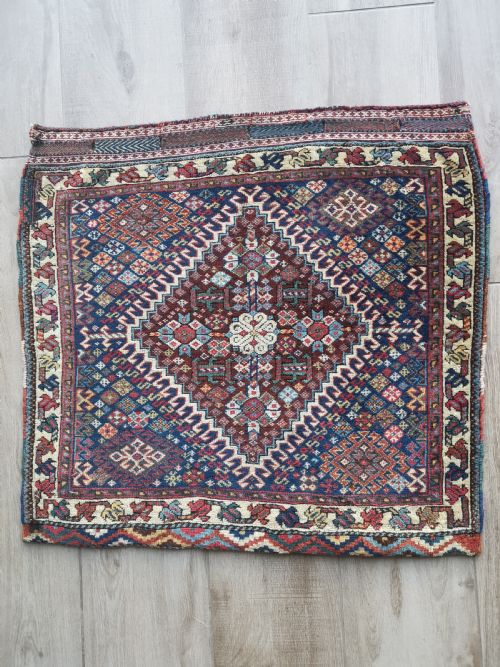
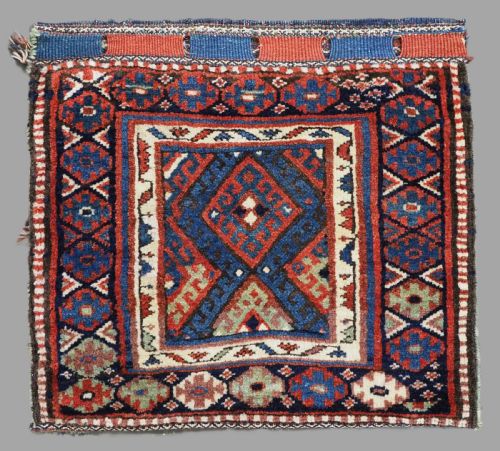
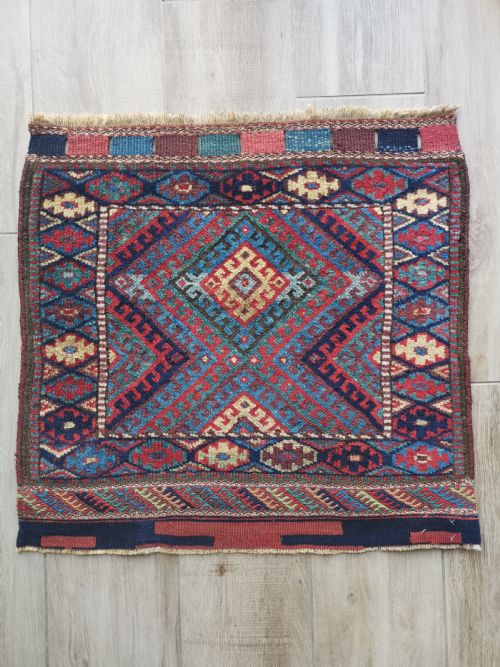
These antique tribal cushion face pieces are fragments of nomadic utilitarian bags repurposed into soft furnishings, prized for their rich dyes and authentic regional designs.
Antique Tribal Cushion Face
Today, collectors and interior designers encounter these pieces repurposed as decorative cushions and pillows, retaining their original pile-woven or flat-woven faces. The forms span from square pillow bags, known as balisht or yastic, to larger torba and chuval faces adapted for modern seating.
The selection ranges from nineteenth-century village weaves to twentieth-century nomadic examples, showcasing distinct tribal motifs like the boteh, gol, and Herati patterns. Each piece represents a tangible fragment of nomadic material culture transformed into functional home decor.
How they were made
These textiles rely entirely on hand-spun wool for the pile and foundation, providing a dense, tactile surface that withstands centuries of handling. Artisans harnessed natural and vegetable dyes extracted from local plants and minerals, creating deep indigos, madders, and earthy yellows that mellow gracefully over time.
The construction combines asymmetric or symmetric knotting with intricate supplementary weft-work and plain-weave backs. Nomad women worked from memory on portable horizontal looms, integrating traditional tribal iconography passed down through generations.
Regional attributions in the inventory cover Persian, Kurdish, Turkmen, and Caucasian nomadic traditions.
What varies in quality
The distinction between ordinary and exceptional work lies in the handle of the wool, the saturation of the natural dyes, and the precision of the tribal drawing. Superior examples exhibit tightly packed knots, supple foundations, and complex, uncrowded geometries that reflect the weaver's artistic confidence.
Variations also emerge in the survival of original side cords, complete borders, and plain-weave backs, which preserve the integrity of the original utility item. Pieces displaying unusual secondary colours or particularly crisp regional iconography command greater attention from experienced collectors.
The Antique Tribal Cushion Face Glossary
- Balisht
- A traditional small pillow or sleeping bag face produced by nomadic tribes for domestic use. These rectangular or square pieces often feature intricate central medallions.
- Torba
- A small storage bag face traditionally hung inside a nomad tent to hold personal possessions or household items. They frequently display distinctive primary guls.
- Gul
- A medallion or repeated octagonal motif characteristic of Turkmen and Central Asian tribal weaving. Each design often identifies a specific tribe or clan.
- Soumac
- A flat-weave technique utilising wrapping threads over warp strands to create a durable, textured surface resembling embroidery. This method produces crisp geometric lines without a cut pile.
- Boteh
- An ancient Persian teardrop or almond-shaped motif representing a cypress tree or flame. It remains a dominant symbol in regional textile art.
Antique Tribal Cushion Face: Frequently Asked Questions
What is a tribal cushion face?
A tribal cushion face is the decorative front panel of a historic nomadic storage sack, repurposed into a modern decorative pillow. These panels preserve centuries-old weaving traditions from tribal groups across Persia and Central Asia.
Nomads originally created these bags for transporting goods or storing household items within tents. Today, collectors value the surviving textile art for its authentic regional character and enduring materials.
How do I care for antique wool cushions?
Antique wool textiles require gentle maintenance to preserve their natural lanolin and vegetable dyes. Regular light vacuuming with a suction-only attachment removes surface dust without stressing the historic fibres.
Professional specialist cleaning is recommended for any deeper treatment, avoiding harsh chemical detergents or mechanical agitation. Keeping the cushions out of direct sunlight prevents the natural dyes from fading over time.
How are different tribes identified?
Tribal attribution relies on specific combinations of knotting structure, palette, wool quality, and repeating geometric motifs. Groups such as the Qashqai, Afshar, and Baluch each utilised distinct design vocabularies and structural techniques.
Examining the selvedges, end finishes, and secondary colours helps specialists pinpoint the likely geographic region of manufacture. Certain motifs, such as specific guls, directly link a piece to particular Turkmen sub-tribes.
Are these cushions made from cut rugs?
Many genuine pieces originate from intact or fragmentary functional bags rather than newly cut floor carpets. The dimensions and structural side cords often indicate whether a piece was once a complete saddlebag or storage pouch.
Using the original bag face ensures that the authentic borders and weaver's finishes remain intact. This provenance separates traditional utility textiles from modern decorative reproductions.