

Red Turkmen Woven Rug
When you select a red turkmen woven rug, you acquire a nomadic textile carrying centuries of Central Asian tribal tradition.
Red Turkmen Woven Rug
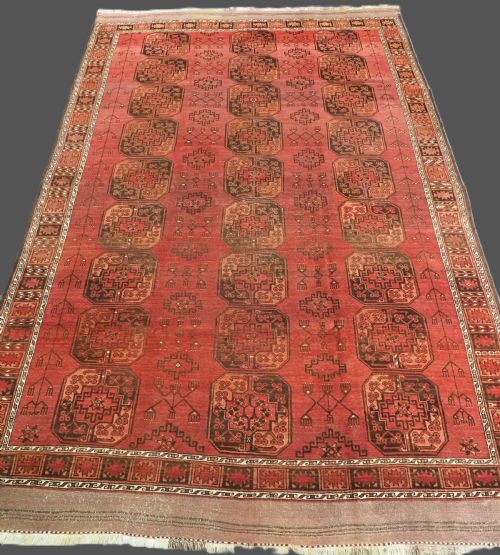
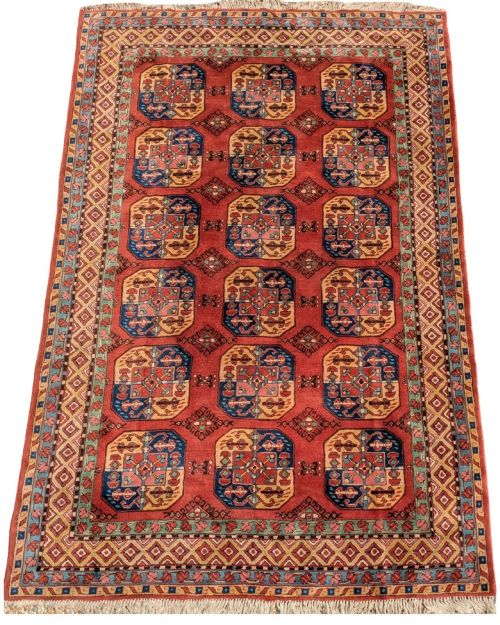
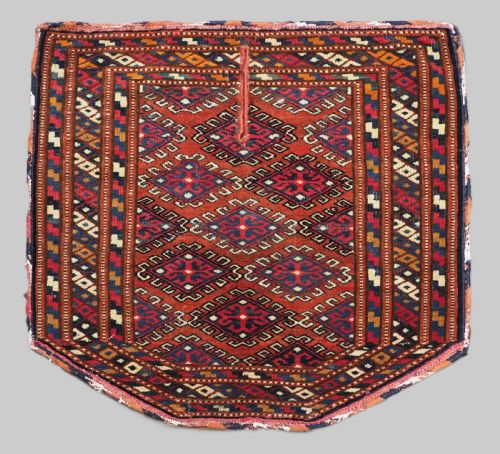
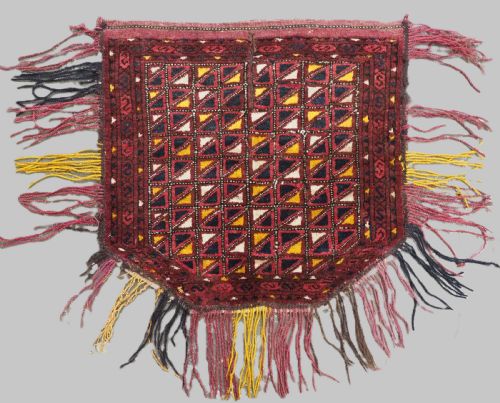
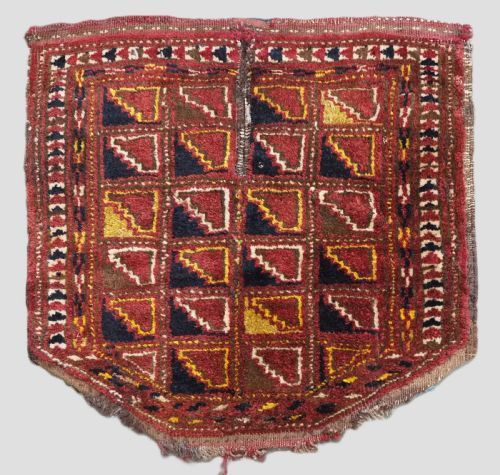
The red turkmen woven rug encompasses a diverse range of tribal formats originating from Central Asian steppes and oases during the nineteenth and early twentieth centuries. Pieces found on this page span main carpets, wedding rugs, and functional tent furnishings created by specific nomadic groups.
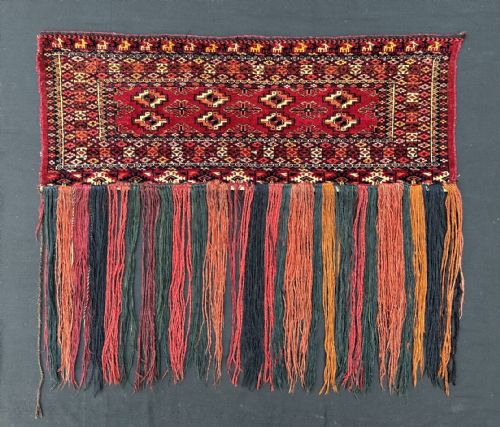
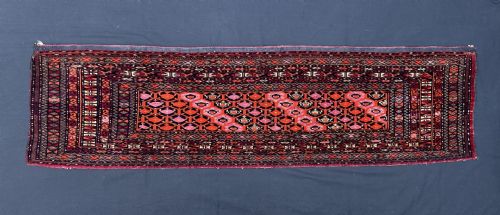
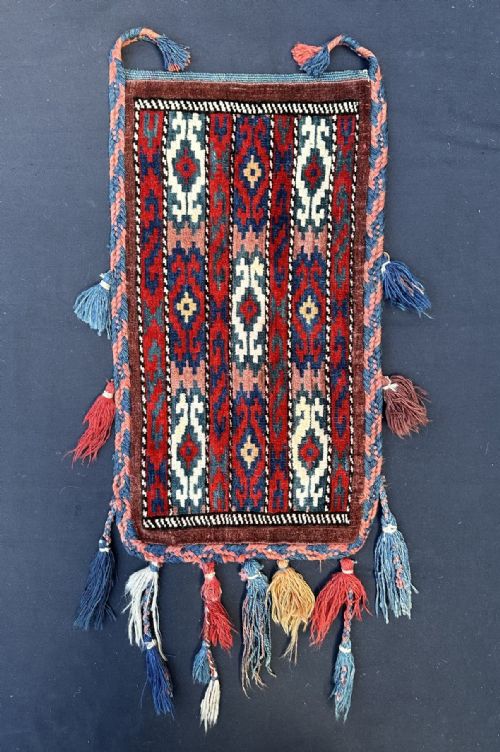
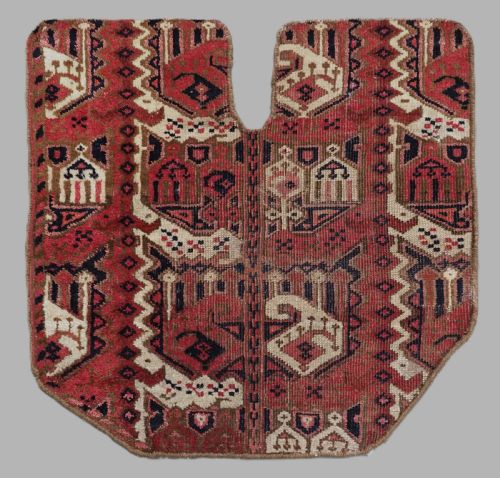
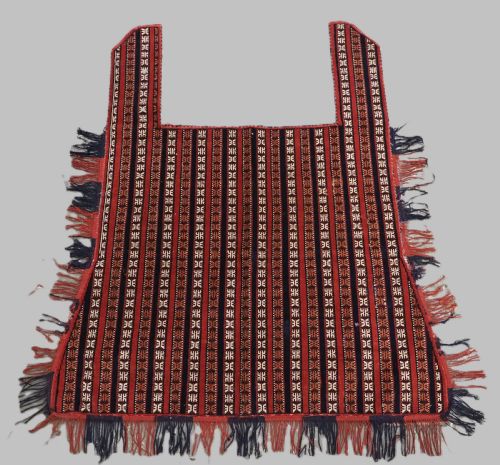
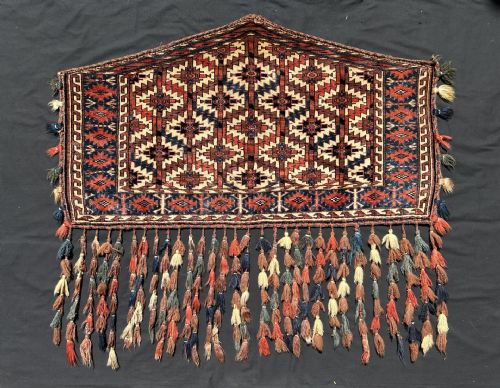
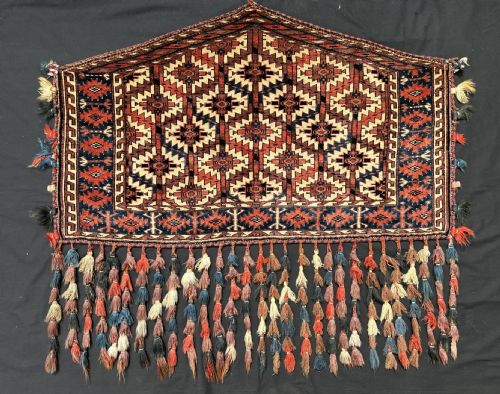
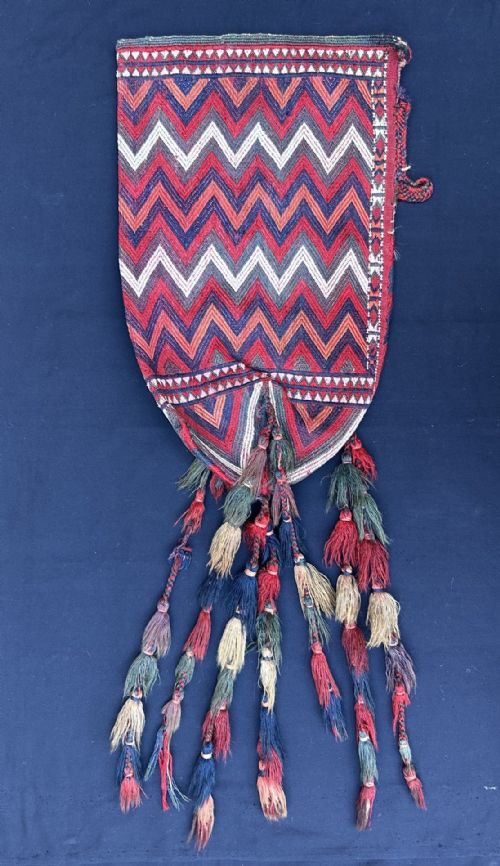
Buyers will encounter specialised utility forms alongside floor coverings, including asmalyks, torbas, chuvals, and saddle covers. Each format reflects the distinct domestic and ceremonial requirements of tribes such as the Tekke, Yomut, Ersari, and Saryk.
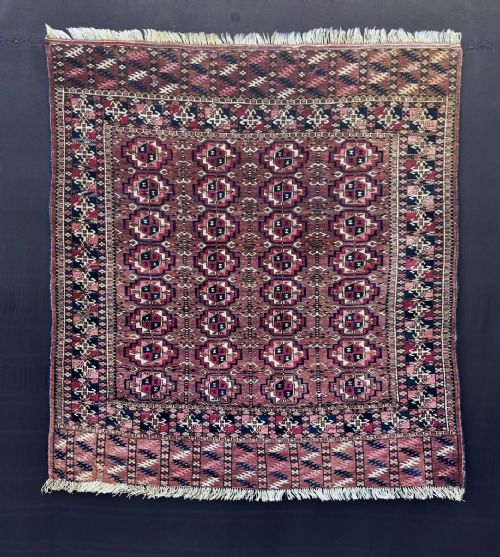
The predominant visual identity relies on rich madder red grounds punctuated by tribal guls and geometric secondary motifs. These patterns serve as cultural markers identifying the specific tribal weaver and regional origin.
Evaluating quality and execution
Superior examples demonstrate exceptional fineness of weave and precision in executing complex tribal guls such as the Salor or Kepse designs. The crispness of geometric drawing and saturation of natural dye colours separate finer pieces from standard production.
State of preservation significantly influences the standing of a textile, noting the survival of original side cords, plain weave backs, and ceremonial tassels. Structural integrity of the wool pile and absence of heavy restoration distinguish well-preserved specimens.
Current listings span production dates from the 1850s through the early twentieth century, utilising wool, cotton, and natural dyes.
The Red Turkmen Woven Rug Glossary
- Gul
- A primary octagonal or repeating medallion motif used across Central Asian tribal rugs to denote specific clan lineages.
- Torba
- A small utilitarian wall hanging or storage bag produced by nomadic tribes for domestic organisation inside the yurt.
- Asmalyk
- A large pentagonal wedding trapping traditionally mounted on the flank of a bride's camel during matrimonial processions.
- Chuval
- A large tent storage bag utilised by families for bedding and household goods, typically featuring multiple guls.
- Kapunuk
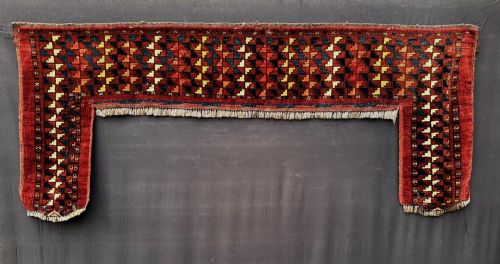
- An ornamental rug designed to frame the wooden lintel of a nomadic tent doorway.
- Jollar
- A long, narrow tribal bag face or trapping created for utility use within Central Asian dwellings.
Red Turkmen Woven Rug: Frequently Asked Questions
What is a red turkmen woven rug?
A red turkmen woven rug is a hand-knotted textile created by nomadic and semi-nomadic tribes of Central Asia, characterised by deep madder red colour palettes and geometric gul patterns.
These pieces range from large floor carpets to small functional storage bags and ceremonial horse covers produced throughout the nineteenth and early twentieth centuries.
How were these tribal rugs used?
Nomadic families used these textiles for daily domestic life inside traditional yurts as floor coverings, bedding storage, and architectural tent furnishings.
Specialist pieces also fulfilled ceremonial roles during weddings, serving as camel trappings and doorway surrounds to mark important tribal rituals.
How do I identify different tribal groups?
Tribal attribution relies on examining the specific structure of the primary guls, border arrangements, and structural materials used in the foundation.
Groups such as the Tekke, Yomut, and Ersari each employed distinct drawing styles, secondary ornaments, and colour nuances that set their weaving apart.
How should I care for an antique rug?
Proper care involves regular gentle vacuuming without rotary brushes and keeping the textile away from direct, prolonged sunlight to protect the natural dyes.
Professional cleaning by specialists in antique oriental textiles ensures the historical wool fibres remain stable and clean over time.