




Antique Tin Glazed
Antique tin glazed ceramics bring centuries of painted earthenware, vibrant cobalt pigments and tin-glaze traditions straight to your home.
Antique Tin Glazed
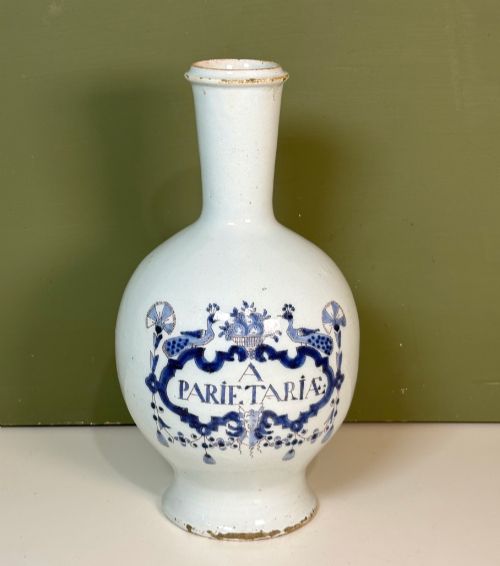
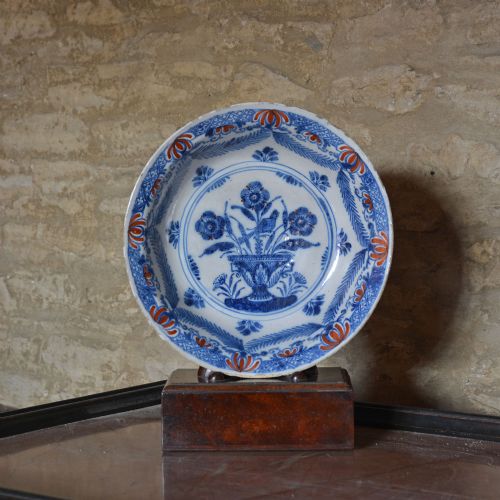
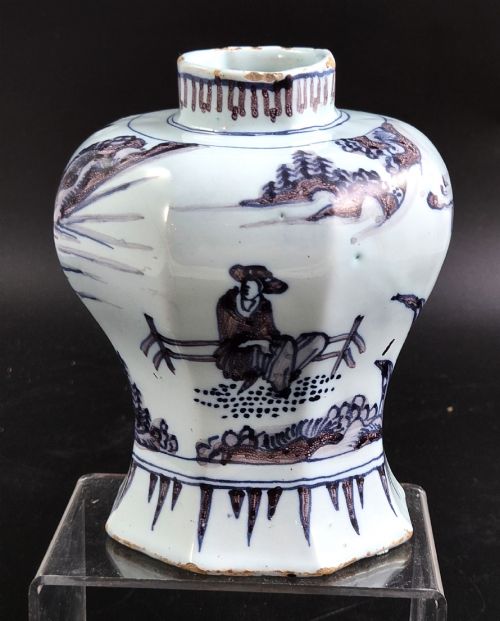
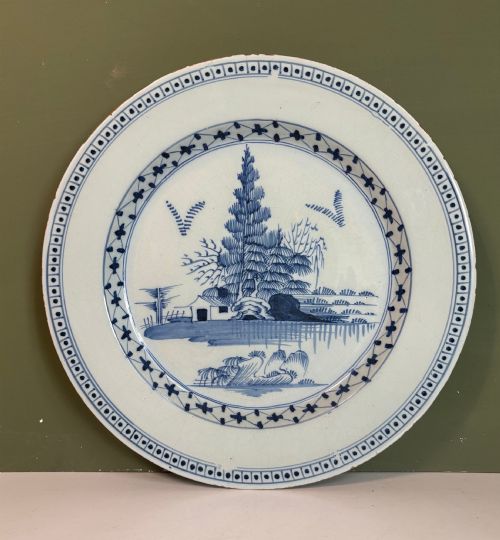
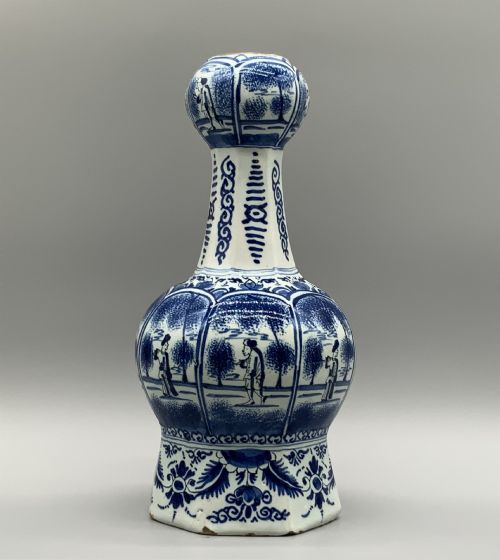
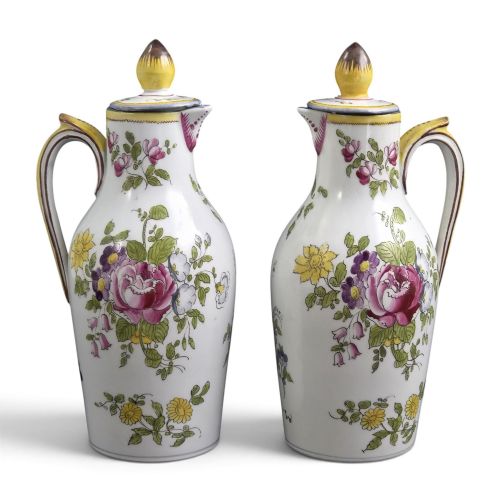
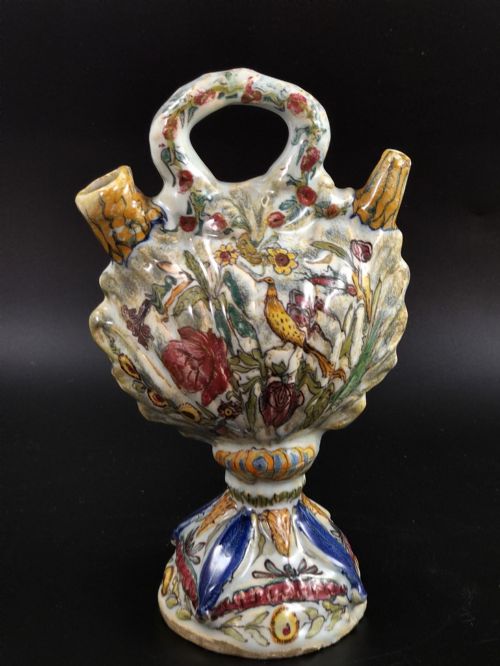
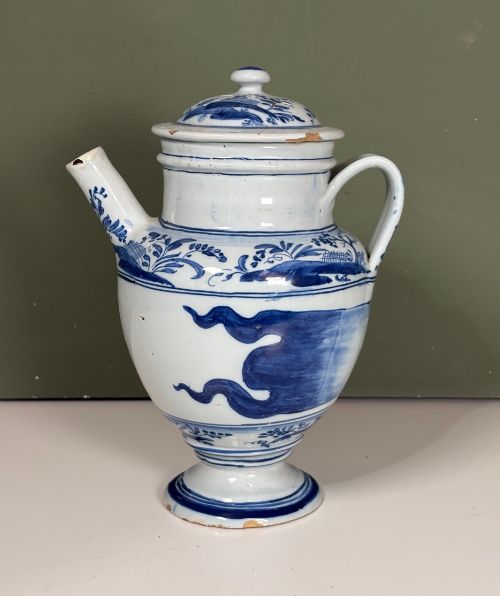
When searching for antique tin glazed pieces, buyers encounter earthenware pottery finished with an opaque white tin opacified glaze that serves as a canvas for painted decoration. The selection spans the seventeenth, eighteenth, and nineteenth centuries, featuring Dutch Delft, English Delftware, French faience, and Italian majolica. Vases, chargers, apothecary jars, and puzzle jugs dominate the forms available on this page, reflecting historic domestic and apothecary uses.
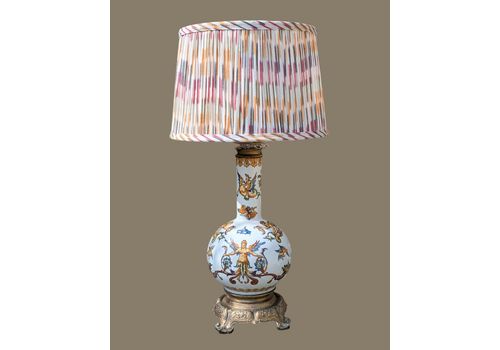
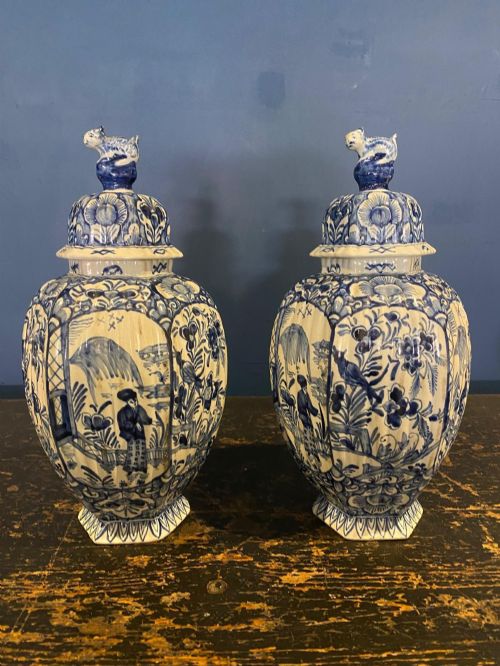
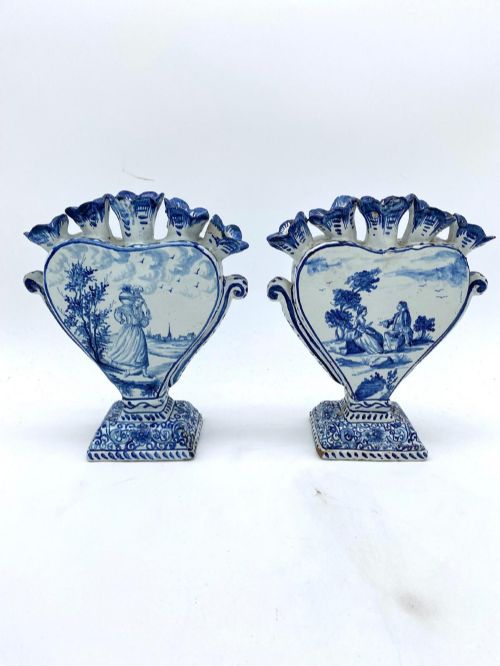
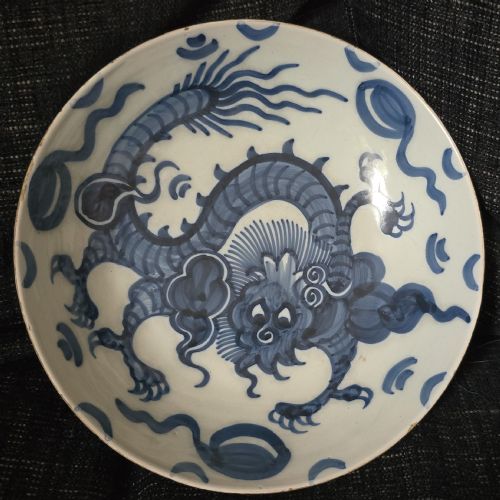
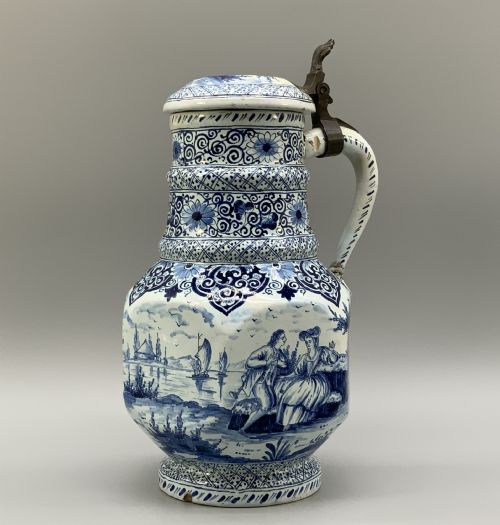
Dutch Delftware from the seventeenth and eighteenth centuries forms a significant portion of the offerings, often decorated in blue and white or manganese. English delftware dishes and chargers from the mid-eighteenth century also appear, alongside nineteenth-century revival pieces from continental potteries. These vessels showcase styles ranging from Dutch Baroque and Chinoiserie to Renaissance Revival and French Rococo.
Continental faience includes works from French centres such as Marseille, Sceaux, and Desvres, alongside Italian maiolica plates and pharmacy jugs. Pieces take the form of large charger plates, lidded jars, apothecary bottles, and figurative models like cows or monkey jugs. The surface painting ranges from simple floral motifs to complex narrative scenes executed in cobalt, manganese, and polychrome pigments.
Materials and production techniques
Potters shaped local clays into earthenware bodies that were bisque fired before receiving a liquid glaze containing tin oxide. This tin glaze dried to a chalky white surface capable of absorbing painted pigments directly into the unfired glaze layer before a final glost firing.
Cobalt oxide and manganese supplied the dominant blue and purple-brown tones seen across Dutch and English pieces, while polychrome works integrated yellow, green, and orange pigments. The chemical reaction during firing caused the pigments to sink into the opaque white glaze, creating soft blurred edges around the brushstrokes.
Antique Tin Glazed Retail Price Guide 2026
Typical asking prices for tin glazed among the pieces listed under this phrase on Sellingantiques today, from the lower quarter to the upper quarter. They describe what is for sale here now, not the wider market.
Early Dutch potters occasionally added monkeys and cows to their blue and white lineups, proving that serious art history sometimes requires a ceramic farm animal.
Judging quality and execution
Quality rests upon the crispness of the hand-painted brushwork and the stability of the glaze application. Superior examples display confident, fluent lines in the cobalt or manganese pigment without heavy pooling or extensive crawling of the opaque white surface.
The refinement of the earthenware body and the complexity of the form separate standard production items from masterworks. Well-potted vessels maintain balanced proportions, clean foot rims, and successful second firings that preserve the brilliance of the painted decoration.
Pieter Verburg·Veuve Perrin Marseille·Cantagalli Florence·Fourmaintraux-Courquin Desvres·Sceaux
The Antique Tin Glazed Glossary
- Tin-Glazed Earthenware
- Pottery coated with a lead glaze made opaque by the addition of tin oxide. This creates the characteristic white background used across European faience, majolica, and delftware.
- Faience
- The French and continental term for tin-glazed earthenware. Production centres such as Marseille and Desvres developed distinct regional palettes and decorative styles.
- Majolica
- The Italian term for tin-glazed earthenware, later adopted for nineteenth-century revival wares. These pieces often feature rich polychrome glazes and Renaissance motifs.
- Charger
- A large decorative plate designed for display on a wall or dresser rather than dining use. Seventeenth and eighteenth-century chargers frequently feature bold pictorial designs.
- Manganese
- A metallic pigment used to produce purple, brown, and plum-coloured tones in tin-glazed decoration. It often appears alongside or instead of traditional cobalt blue.
- Apothecary Jar
- A vessel utilised in historical pharmacies and dispensaries to store dry drugs, syrups, or ointments. These jars frequently bear painted Latin labels identifying their contents.
Antique Tin Glazed: Frequently Asked Questions
What is antique tin glazed pottery?
Antique tin glazed pottery is earthenware covered with an opaque white glaze containing tin oxide, which provides a smooth surface for hand-painted cobalt, manganese, or polychrome decoration. European potteries produced these wares extensively from the seventeenth century onward.
Makers across England, Holland, France, and Italy developed distinct regional traditions under names like delft, faience, and majolica.
How do I distinguish Dutch delft from English delftware?
Dutch delft often utilises a thinner, whiter glaze with finer potting and strong influences from Chinese porcelain exports. English delftware frequently exhibits a slightly thicker glaze with a pale blueish tinge and distinct body characteristics.
Examination of the foot rim and glaze pooling on the underside often reveals manufacturing traits specific to each country.
Were chargers used for dining?
Chargers were primarily decorative display pieces rather than tableware for serving food. Their large diameters and pictorial centre designs made them suitable for mounting on walls or arranging on sideboards.
Wealthy households utilised them to showcase fashionable blue and white or polychrome ceramic art.
What causes manganese purple in these pieces?
Manganese oxide served as a mineral pigment that produced deep purple, brown, or manganese-black lines when fired into the tin glaze. Potters used it independently or alongside cobalt blue to add shading and contrast.
Pieces decorated primarily in manganese often date to the eighteenth century.