


Antique Tin Glaze Charger
An antique tin glaze charger brings broad earthenware surfaces and hand-painted pigments into a room, offering centuries of decorative tradition.
Antique Tin Glaze Charger
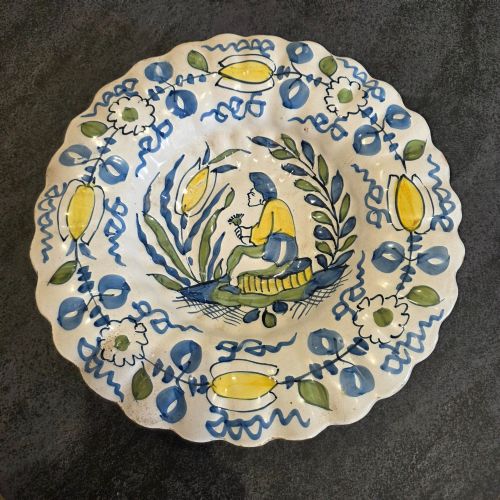
An antique tin glaze charger is a wide decorative plate or dish created for display rather than dining. The form spans the seventeenth, eighteenth, and nineteenth centuries, taking shape as large circular platters, shallow bowls, and lobed dishes.
Dutch, English, French, Spanish, and Italian workshops produced these ceramics, with Dutch and English delftware appearing frequently alongside continental faience and maiolica. Pieces range from modest plates to substantial chargers exceeding thirty centimetres in diameter.
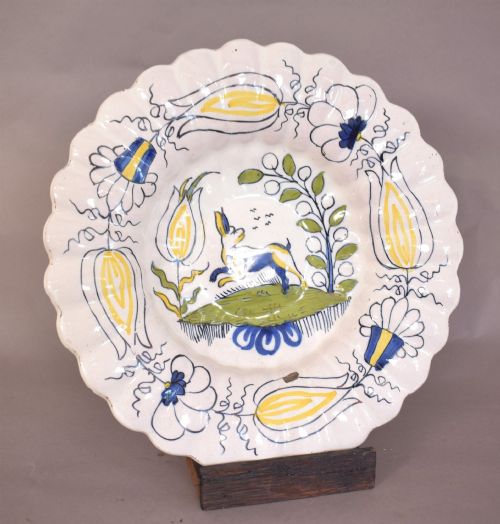
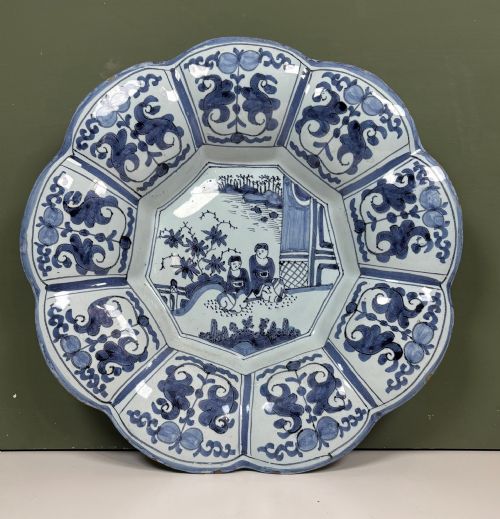
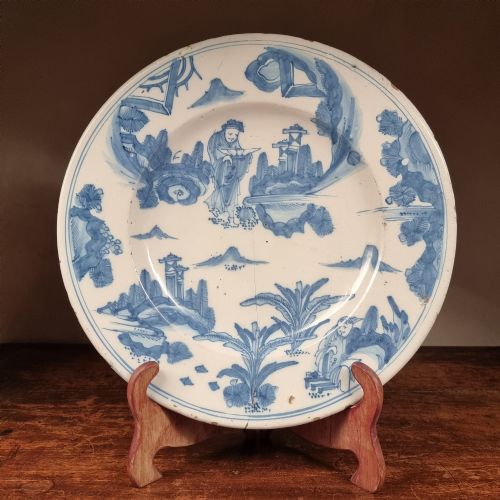
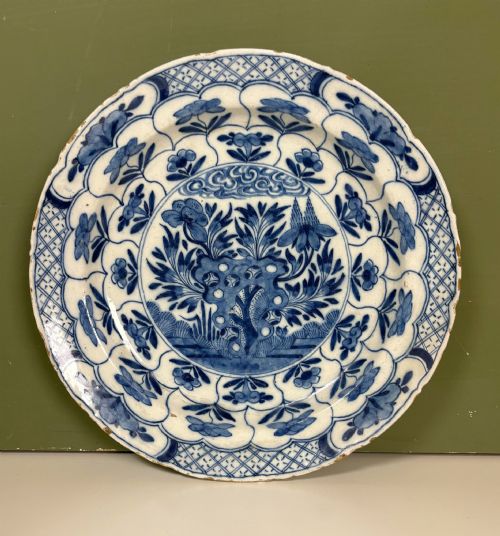
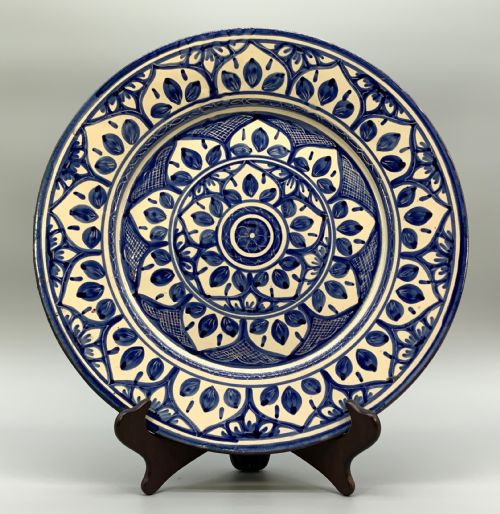
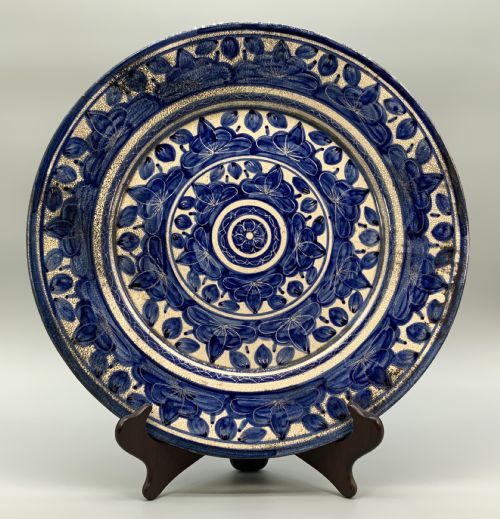
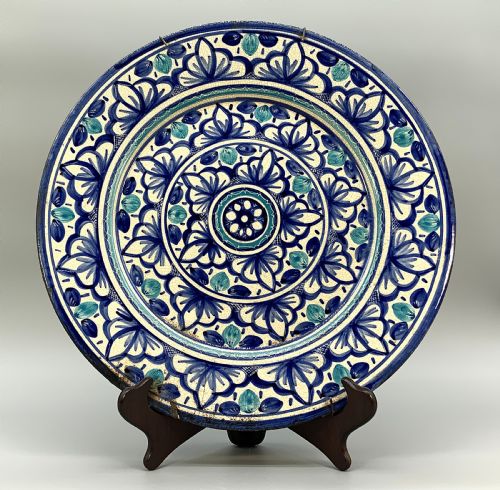
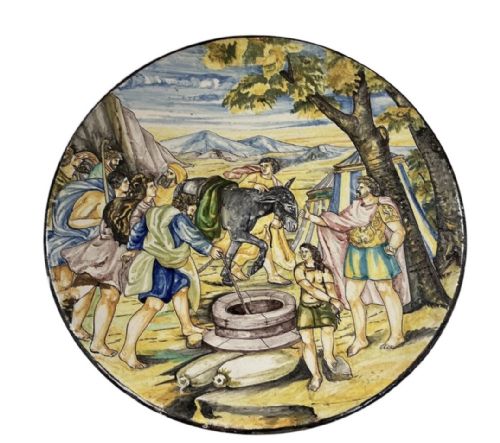
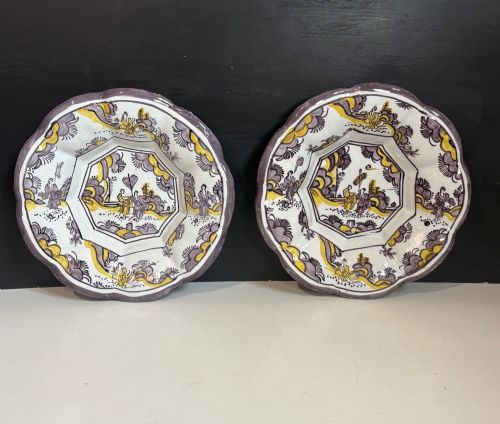
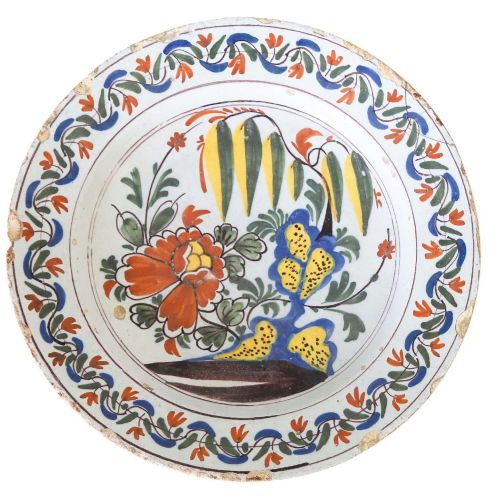
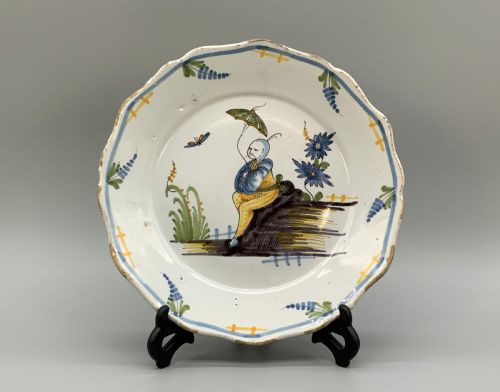
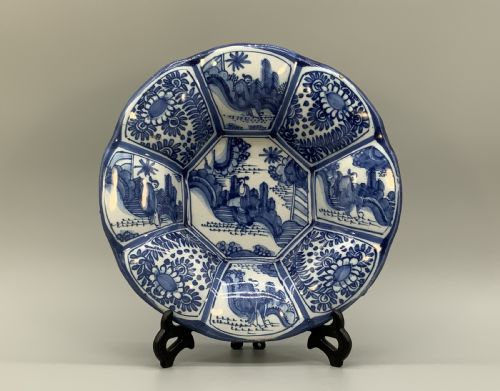
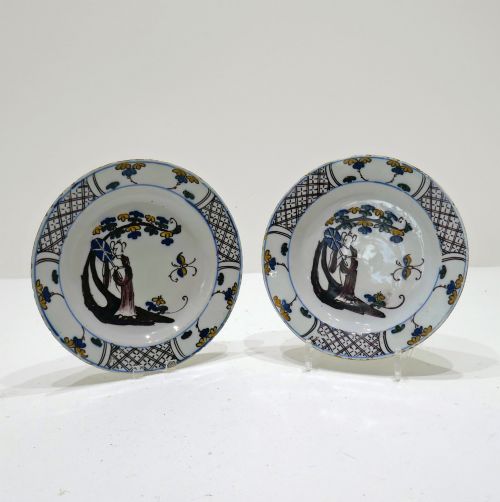
Subjects include blue and white floral compositions, Chinoiserie motifs, geometric patterns, and historical pictorial scenes. Collectors find both simple domestic wares and elaborate revival styles dating into the twentieth century.
How they were made
Potters formed bodies from earthenware clay, coating the dried pieces in an opaque tin glaze that created a white or cream canvas. Artisans then painted directly onto this absorbent surface using cobalt pigments, manganese, yellow, and other metal oxides before firing.
The firing process bonded the pigments into the liquid tin glaze, yielding soft edges and subtle bleeding of the brushwork. Grand feu techniques allowed certain pigments to fuse deeply during high-temperature firings.
Certain seventeenth-century examples include bleeding dishes and barber's bowls, proving that historic grooming involved remarkable blue and white ceramics.
What varies in quality
Quality rests in the confidence of the brushwork and the clarity of the painted design upon the tin glaze. Controlled pigment application and balanced composition distinguish accomplished studio work from simpler output.
The purity of the white tin glaze and the depth of the cobalt or polychrome palette determine visual success. Early pieces demonstrate individual artistic expression through spontaneous hand-painted details.
The Antique Tin Glaze Charger Glossary
- Tin-Glazed Earthenware
- Earthenware pottery coated with a lead glaze made opaque by the addition of tin oxide. This creates a smooth, white surface suitable for painted decoration.
- Delftware
- Tin-glazed earthenware made in the Netherlands or England, known for blue and white designs and polychrome floral or figurative motifs.
- Faience
- Tin-glazed earthenware produced in France, Spain, and other continental European regions. It mirrors the decorative techniques of Italian maiolica and Dutch delft.
- Maiolica
- Italian tin-glazed earthenware decorated with metal oxide colours, often featuring narrative historical or classical scenes.
- Chinoiserie
- European interpretations of Chinese artistic motifs, frequently rendered in blue and white on earthenware dishes during the seventeenth and eighteenth centuries.
- Kraak Style
- A Dutch and English decorative style inspired by Chinese Kraak porcelain, featuring panelled borders and central landscape or floral motifs.
Antique Tin Glaze Charger: Frequently Asked Questions
What is a tin glaze charger used for?
These large ceramic plates served primarily as wall hangings or decorative table centrepieces rather than functional tableware. Their broad surfaces displayed intricate hand-painted scenes for wealthy households.
Today, collectors mount them on walls or display them on plate stands to appreciate the historical pigments and tin-glazed surfaces.
How do you tell English and Dutch delft apart?
English delftware often utilises a slightly warmer, softer body and distinct glaze variations compared to Dutch production. Bristol and London potteries developed unique palettes for their polychrome floral and Chinoiserie chargers.
Dutch delft frequently exhibits crisper blue and white execution alongside specific potting marks and structural traits native to Rotterdam and Delft workshops.
What does polychrome mean on these plates?
Polychrome decoration involves the use of multiple colours beyond standard blue and white. Artisans added manganese, yellow, green, and iron red to create rich floral, geometric, and figural compositions.
These multi-coloured pigments required careful firing control to prevent bleeding into the surrounding white tin glaze.