


Antique Timepiece Clock
When seeking an antique timepiece clock, you are exploring a diverse range of horological instruments spanning several centuries and styles.
Antique Timepiece Clock
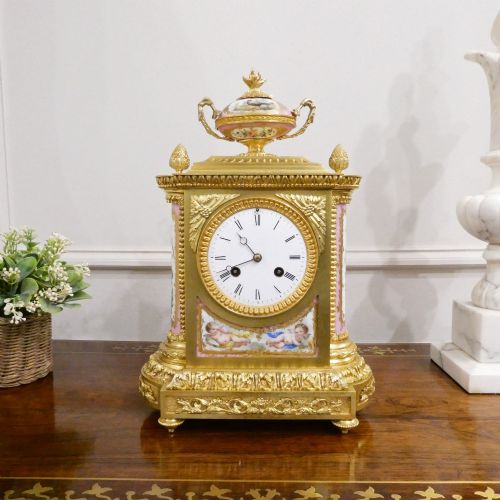
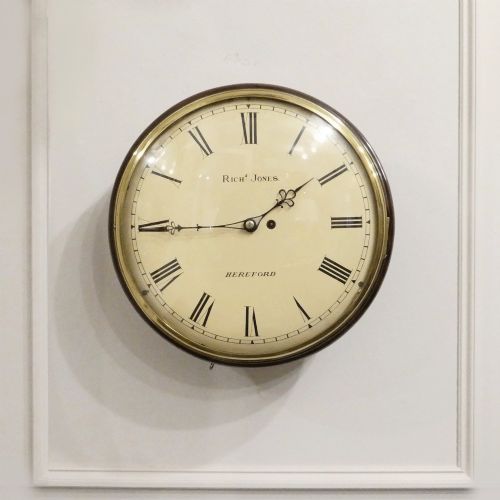
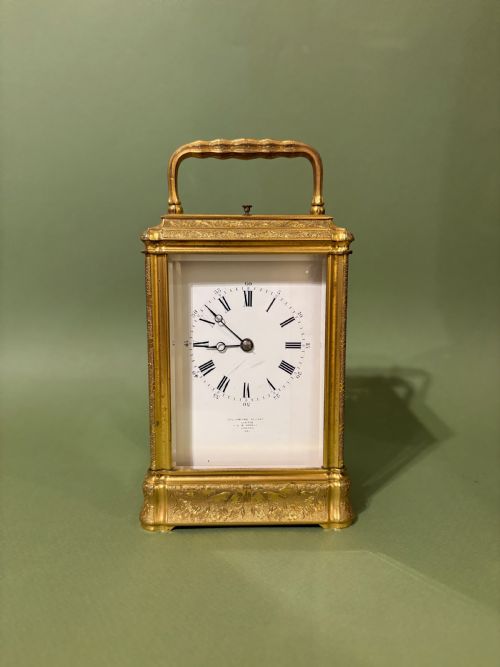
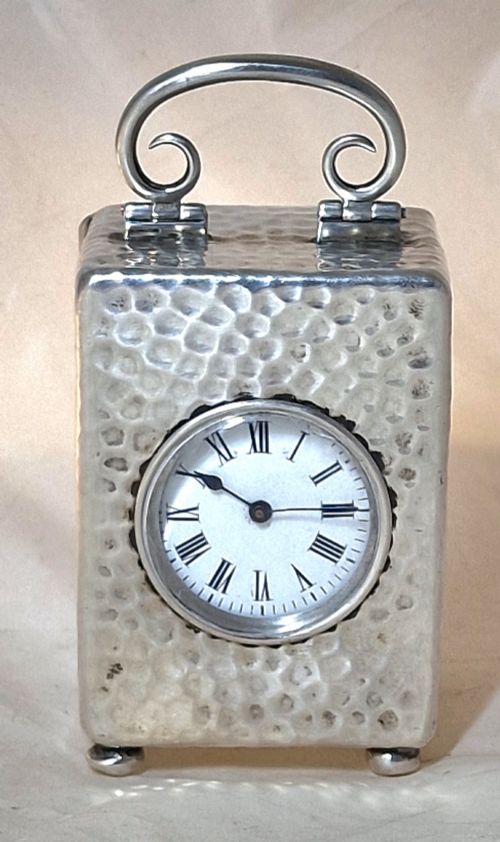
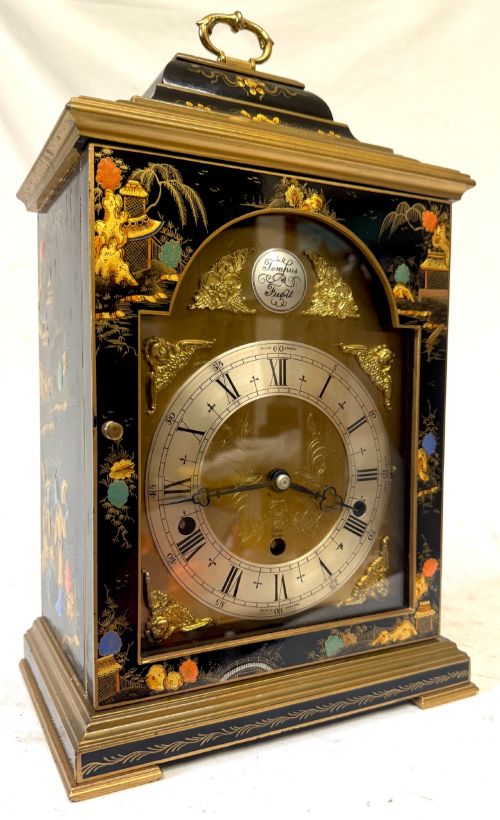
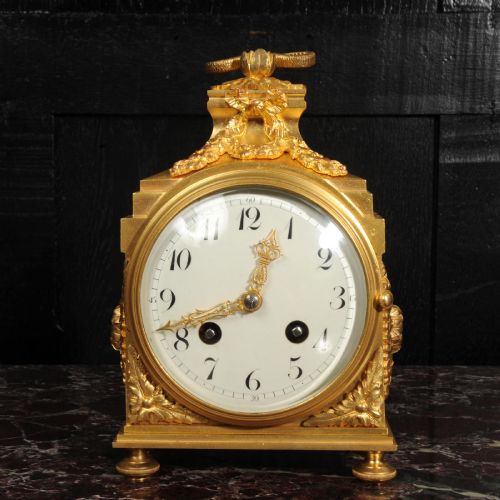
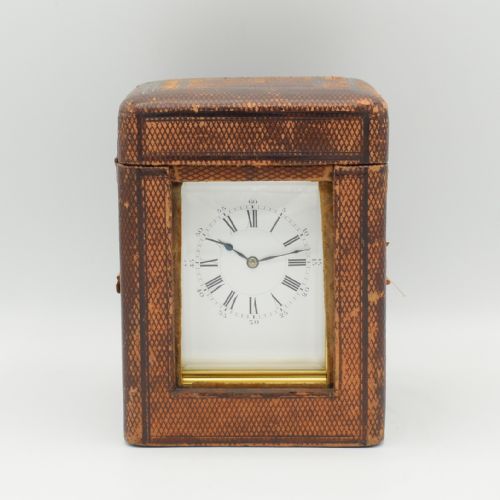
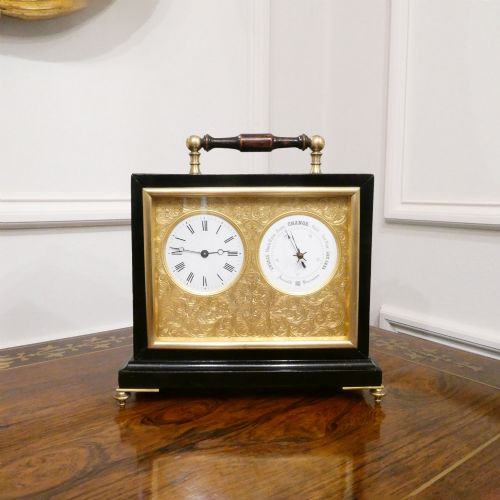
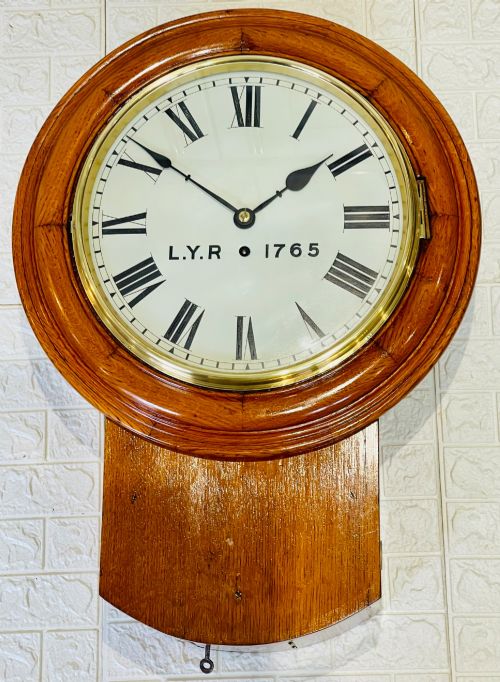
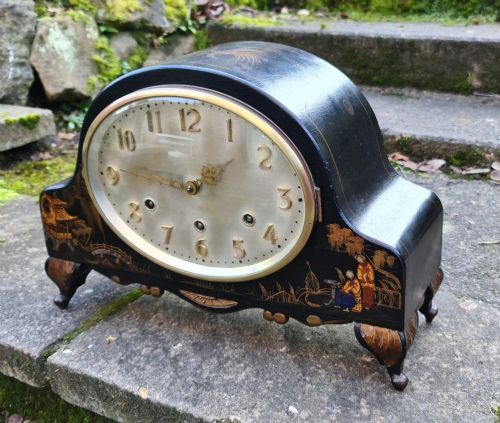
An antique timepiece clock encompasses a wide variety of functional instruments, from robust railway wall clocks to delicate silver carriage clocks designed for travel. The items listed here range from utilitarian railway timepieces housed in mahogany and oak to decorative mantel clocks featuring porcelain panels, marble, and gilt bronze.
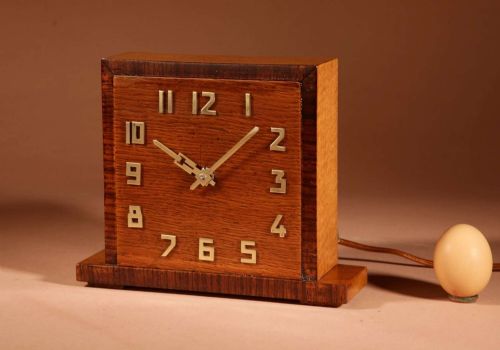
Buyers will frequently encounter Victorian and Edwardian examples alongside pieces from the Art Deco period and the nineteenth century. These objects served diverse roles, acting as accurate timekeepers for transport networks, elegant desk ornaments, and grand architectural centrepieces in domestic interiors.
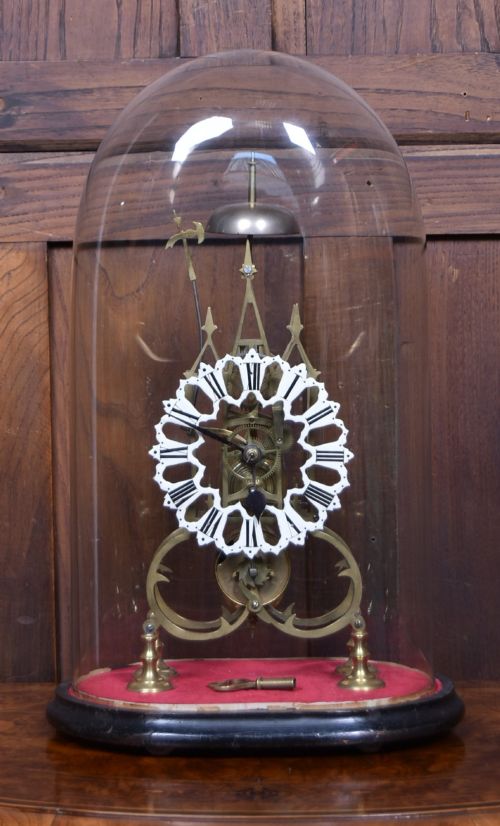
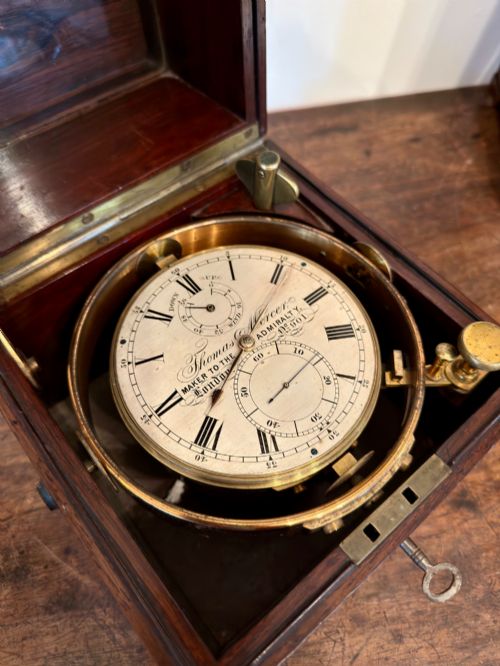
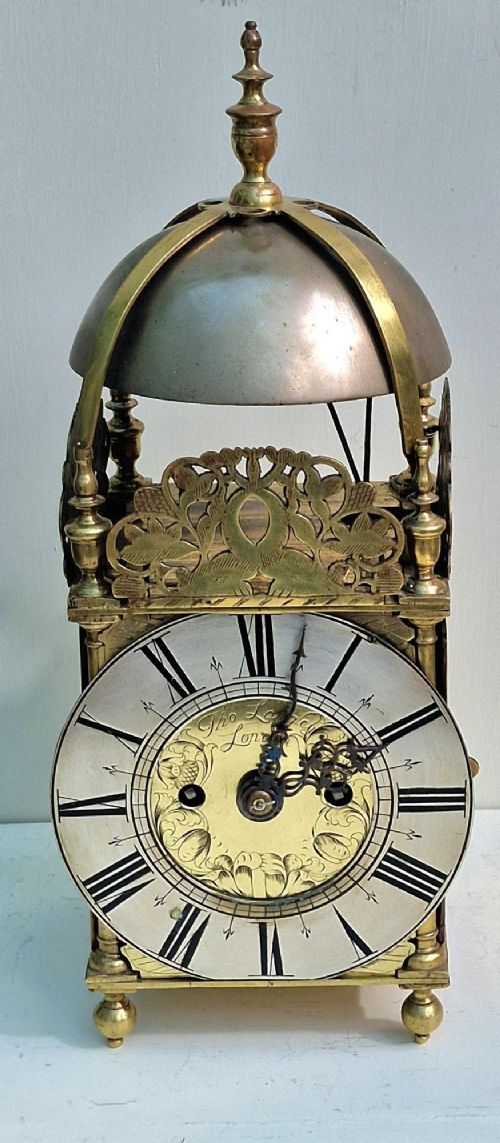
The selection includes specialised forms such as marine chronometers, skeleton clocks with exposed movements, and lantern clocks that reflect centuries of domestic and institutional timekeeping traditions.
Materials and construction
The construction of these clocks relies heavily on traditional cabinet-making and metalworking techniques, utilising hardwoods such as mahogany, oak, and rosewood for cases and dials. Metal components frequently incorporate brass, gilt bronze, or ormolu, alongside glass panels that protect delicate movements and enamel dials.
Movements are constructed from brass and steel components, often driven by fusee mechanisms or pendulum systems housed within securely jointed wooden or cast metal frames. Decorative elements on French and English examples include porcelain panels, silver plating, and intricate hand-hammered patinated brass.
Listings feature movements ranging from traditional mechanical fusee systems to early electrical mechanisms by makers such as Bulle.
What determines quality
Quality in these instruments is determined by the precision of the movement, the complexity of the mechanism, and the integrity of the materials used in the case. Maker reputation plays a significant role, with signed works by known horologists and retailers representing superior craftsmanship.
The standard of finishing, such as the crispness of ormolu cast details, hand-painted enamel dials, and the selection of figured timber veneers, separates standard production items from exceptional workshop examples.
HENRI JACOT·Mercer of London·Thomas Langley·Ansonia·Walker and Hall·R Lalique
The Antique Timepiece Clock Glossary
- Fusee
- A conical pulley used in clock and watch movements to maintain an even pull on the gear train as the mainspring unwinds.
- Carriage clock
- A small, portable spring-driven clock designed for travellers, typically featuring a brass frame with glass panels.
- Skeleton clock
- A clock designed with an open framework that exposes the entire gear train and movement to view.
- Dial
- The face of the clock upon which the hours and minutes are indicated.
- Ormolu
- Gilded bronze, commonly utilised for decorative mounts on nineteenth-century mantel clocks.
Antique Timepiece Clock: Frequently Asked Questions
What is a fusee movement?
A fusee is a conical pulley connected to the mainspring by a cord or chain, designed to equalise the torque as the spring runs down. This mechanism ensures more consistent timekeeping throughout the duration of the winding period.
Fusee movements are commonly found in higher-quality British bracket clocks, marine chronometers, and railway wall clocks.
How do I care for an antique clock?
Antique clocks require stable environmental conditions away from direct sunlight, dampness, and rapid temperature fluctuations to protect wooden cases and delicate metal movements. Regular professional servicing is essential to clean and lubricate the internal mechanisms without damaging original components.
When winding, turn the key smoothly and stop immediately when resistance is felt to avoid over-tensioning the mainspring.
What is the difference between a timepiece and a clock?
In horological terms, a timepiece specifically refers to a clock that indicates the time of day but does not include a striking mechanism or chime. A clock, strictly speaking, sounds the hours or quarters through bells, gongs, or other audible signals.
Many wall-mounted railway dials and small carriage clocks are technically classified as timepieces for this reason.
How do I identify the period of a clock?
Dating an antique clock involves examining stylistic markers in the case design, such as the neoclassical motifs of the Regency period or the geometric lines of Art Deco. Additionally, makers' signatures, serial numbers, and hallmarks on silver components provide documentary evidence of the date of manufacture.
Cross-referencing the movement type and materials with known production eras helps narrow down the period of origin.