
Gold Gilt Clock
A gold gilt clock brings warmth and structural presence to a room through its polished metallic surfaces and intricate period styling.
Gold Gilt Clock
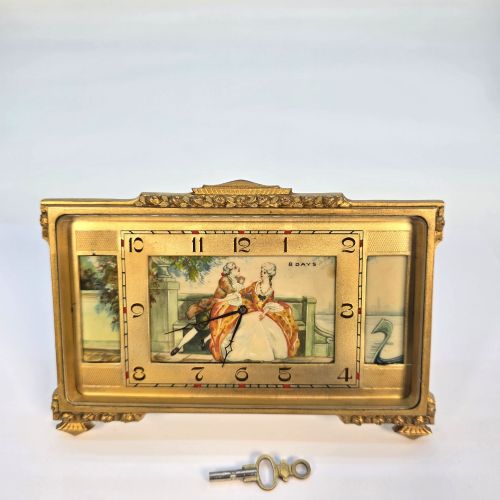
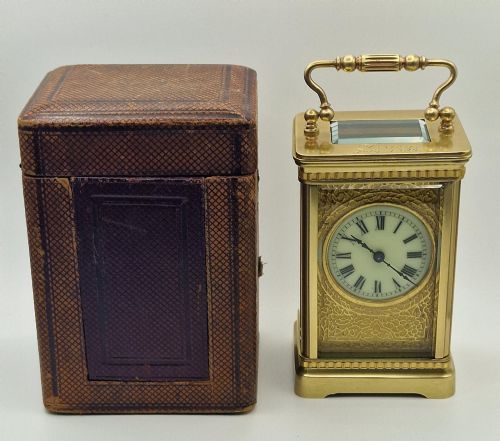
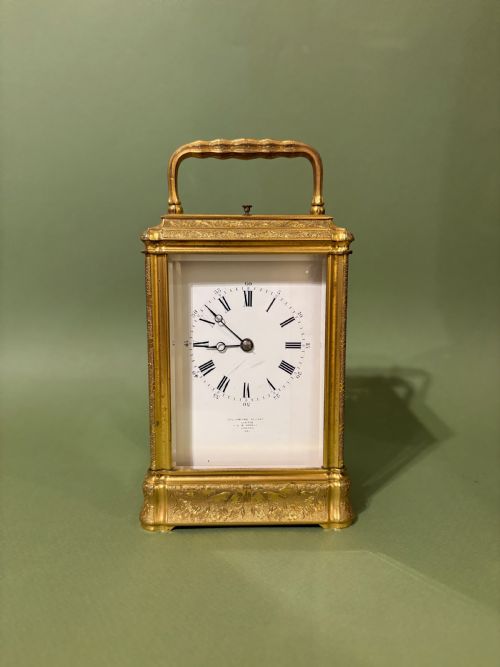
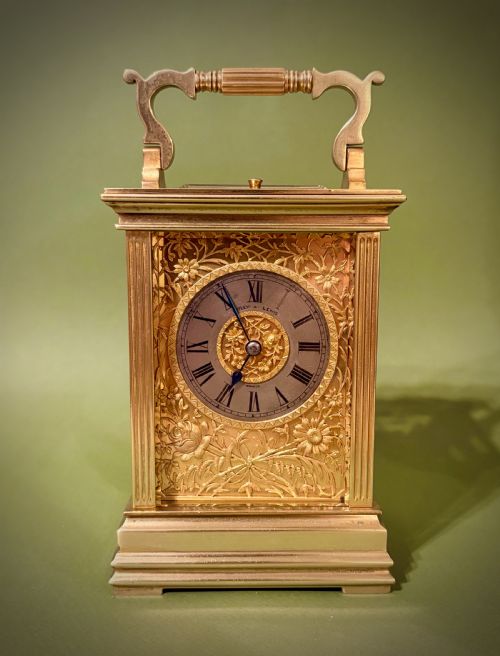
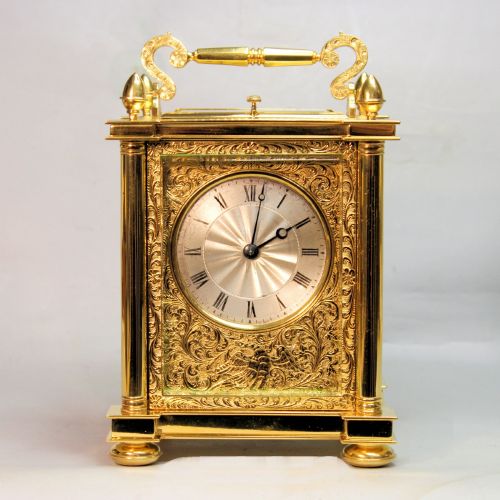
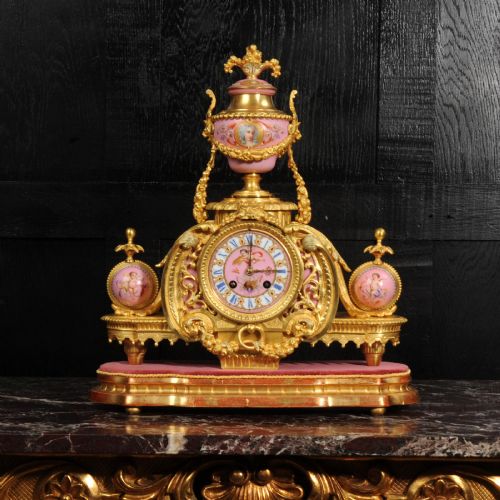
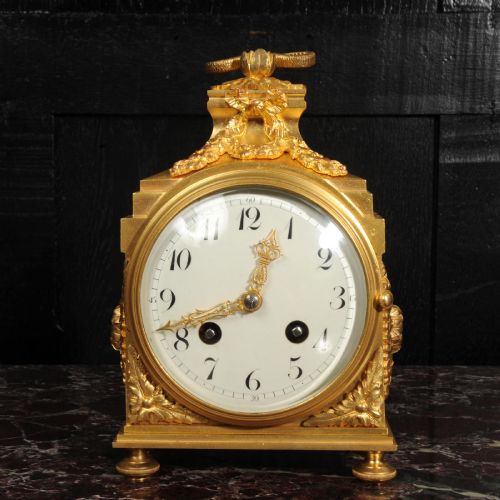
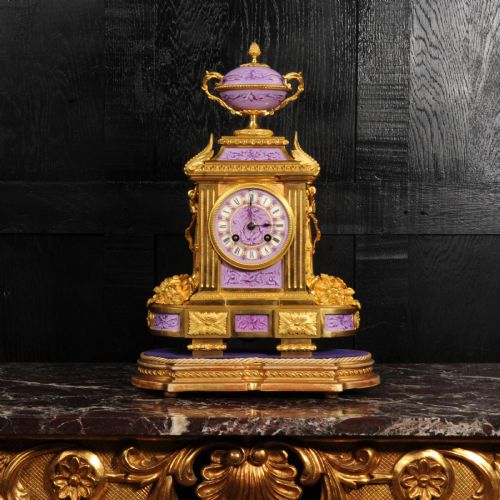
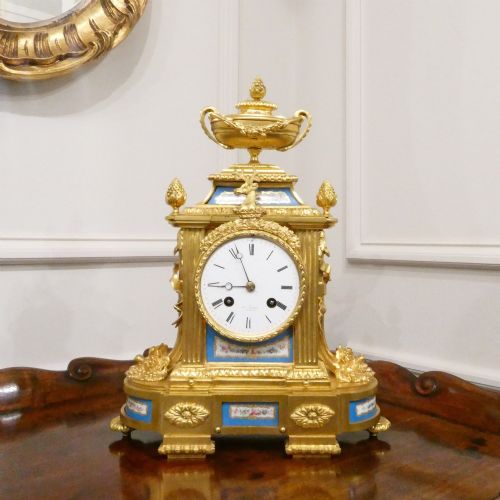
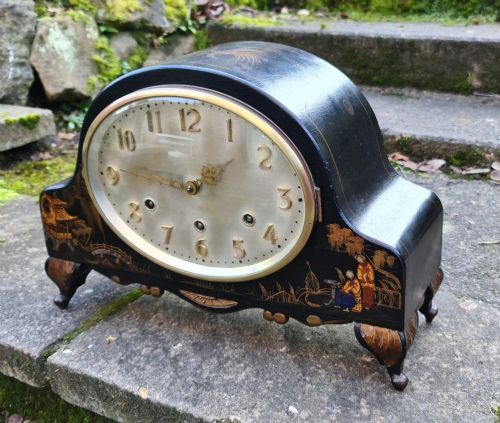
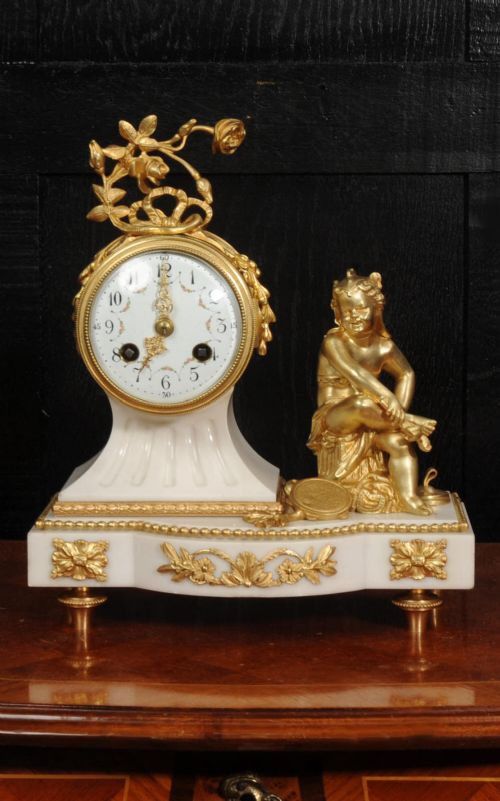
A search for a gold gilt clock reveals a diverse array of timepieces, predominantly originating from nineteenth-century France and Britain. Mantel clocks and carriage clocks dominate the selection, often accompanied by wall clocks, longcase clocks, and barometers.
How they were made
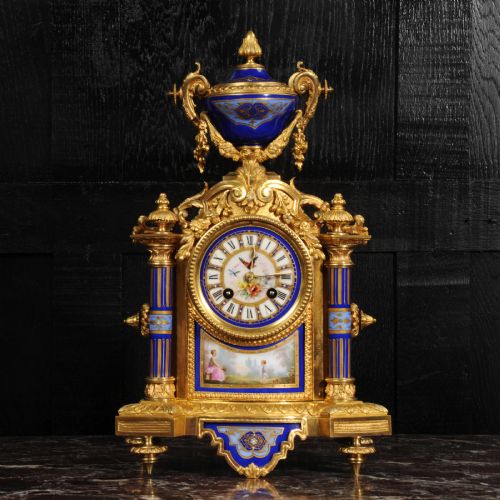
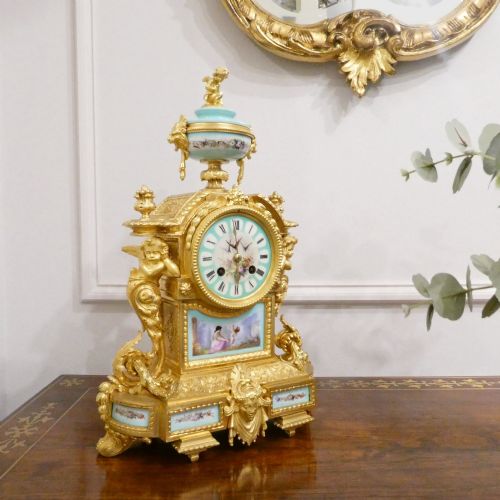
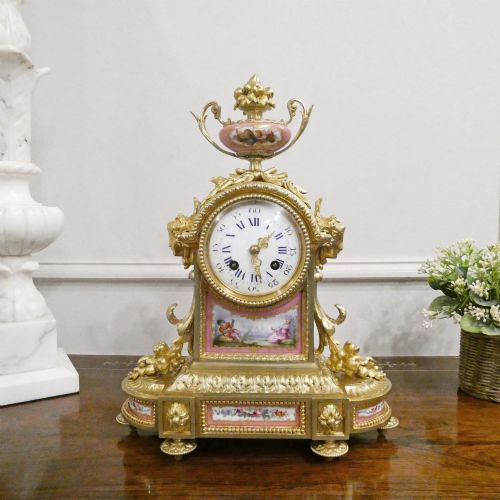
The construction of these timepieces relies heavily on cast metals such as gilt bronze, ormolu, brass, and gilt brass, frequently combined with contrasting materials like marble, enamel, porcelain, and glass. Makers shaped and gilded these metal mounts to catch the light, housing intricate mechanical movements inside.
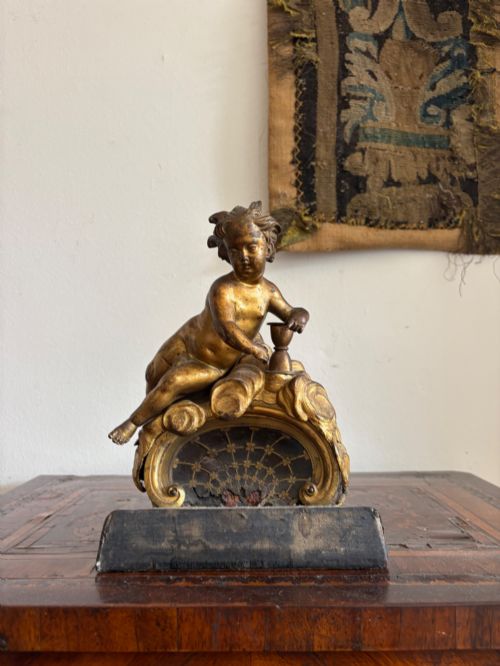
Dials often feature delicate painted details or enamel roman numerals, while structural cases incorporate decorative elements like putto finials or architectural columns.
Materials recorded across the inventory include gilt bronze, marble, porcelain, enamel, glass, and ormolu.
What varies in quality
The hierarchy of quality rests on the crispness of the metal casting, the depth and execution of the gilding, and the reputation of the maker or horologist responsible for the movement. Pieces featuring hand-painted Sèvres porcelain plaques or complex striking and repeating mechanisms stand apart from simpler models.
The harmony between the clock case and its dial, alongside the integrity of the original mercury gilding or ormolu finish, defines the upper tier of the selection.
Henri Jacot·Cousens And Whiteside·Achille Brocot·Henry Marc·Japy Freres·Samuel Marti·Goldsmiths Alliance Ltd·Howell And James·Henry Dasson·Canaillor Of Paris·Ansonia New York·Smiths England
The Gold Gilt Clock Glossary
- Ormolu
- Finely ground high-carat gold applied to a bronze base using a mercury amalgamation technique. This historic method yields a warm, deep lustre distinct from modern electroplating.
- Carriage clock
- A portable, spring-driven timekeeper equipped with a handle, originally designed for travel during the nineteenth century. Many examples feature glass panels that reveal the escapement within.
- Fusee
- A conical pulley used in clock movements to equalize the declining power of the mainspring as it unwinds. This mechanism improves timekeeping accuracy across the duration of the wind.
- Sèvres
- Porcelain produced by the royal French manufactory, frequently incorporated into clock cases as painted dial centres or decorative panels. These ceramic inserts display fine floral or figural artwork.
- Crystal regulator
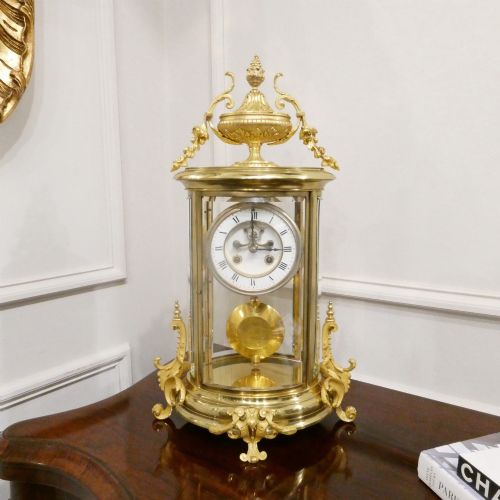
- A mantel clock housed in a brass or gilt frame with four glass panels that expose the entire mechanical movement. They became popular during the latter half of the nineteenth century.
Gold Gilt Clock: Frequently Asked Questions
Where were most gilt clocks made?
A significant portion of these timepieces originates from nineteenth-century Parisian workshops, where master horologists and bronze founders collaborated on elaborate designs.
British makers also contributed substantial carriage clocks and fusee movements during the same era, often housed in robust brass cases.
How do carriage clocks work?
Carriage clocks operate on a spring-driven movement regulated by a platform escapement, allowing them to keep time while portable.
Many incorporate striking or repeating mechanisms that chime the hours and quarters upon pressing a button on the case.
What is the difference between ormolu and gilt brass?
Ormolu specifically denotes gold applied to a bronze substrate, producing a rich, heavy appearance characteristic of high-end French decorative arts from the eighteenth and nineteenth centuries.
Gilt brass or gilt bronze typically involves alternative plating methods applied to a less costly alloy base metal.
How should I care for a vintage gilt clock?
Keep the clock away from direct sunlight and fluctuating humidity to protect delicate enamel dials, porcelain panels, and the underlying metal finishes.
Dust the exterior gently with a dry, soft brush and have the mechanical movement professionally serviced periodically to ensure reliable running.